Shop FPV ESCs for drones, including 4-in-1, Single, 1S, Fix-Wing ESCs, ESC Stacks and High-Voltage ESCs from 20A to 80A for racing, freestyle and long-range builds.
FPV ESC Deals
🔥 Big Deals
Clearance
Local Deals
4-In-1 ESCs
4-in-1 FPV Drone ESCs combine four ESCs on one board for cleaner wiring and easier FPV drone builds.
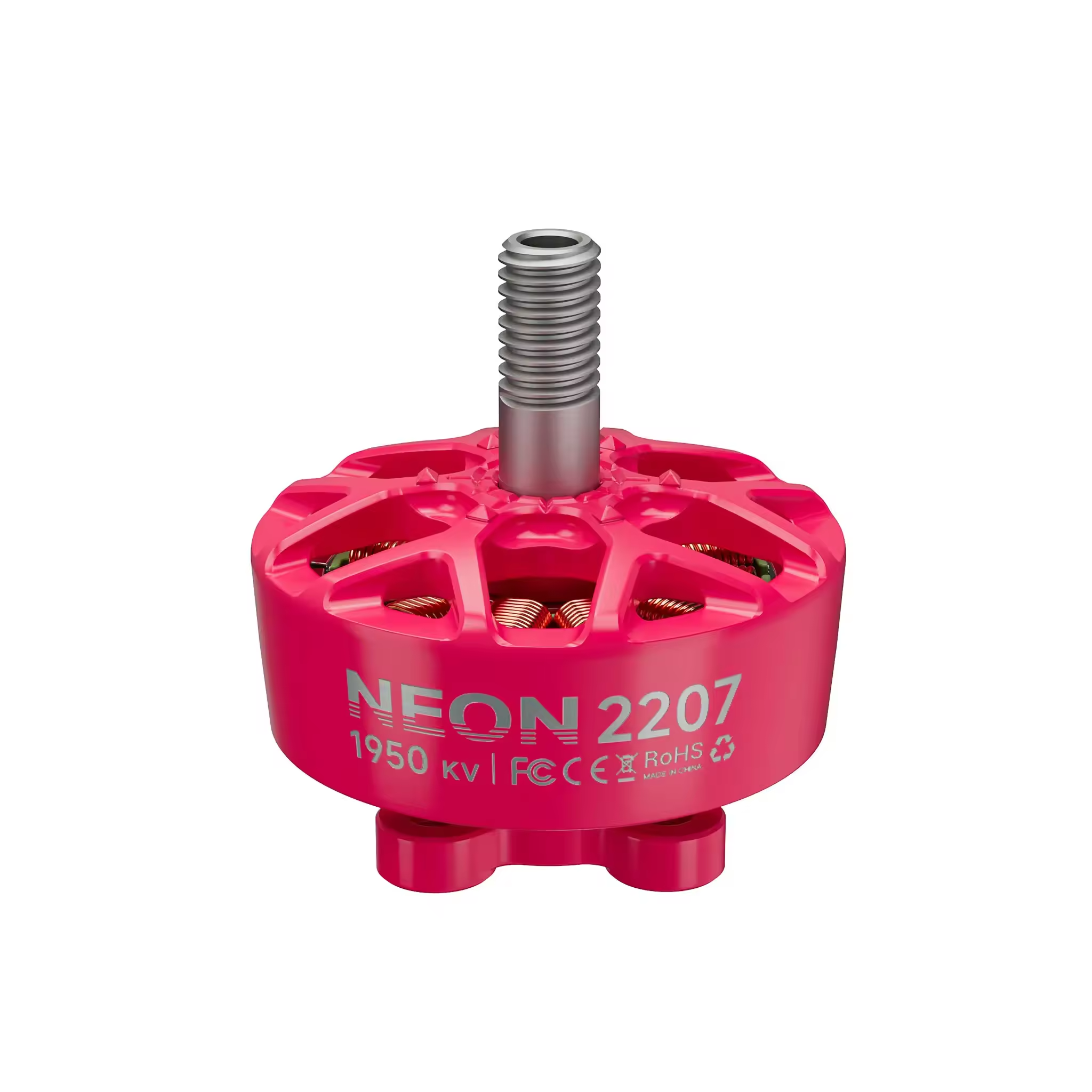
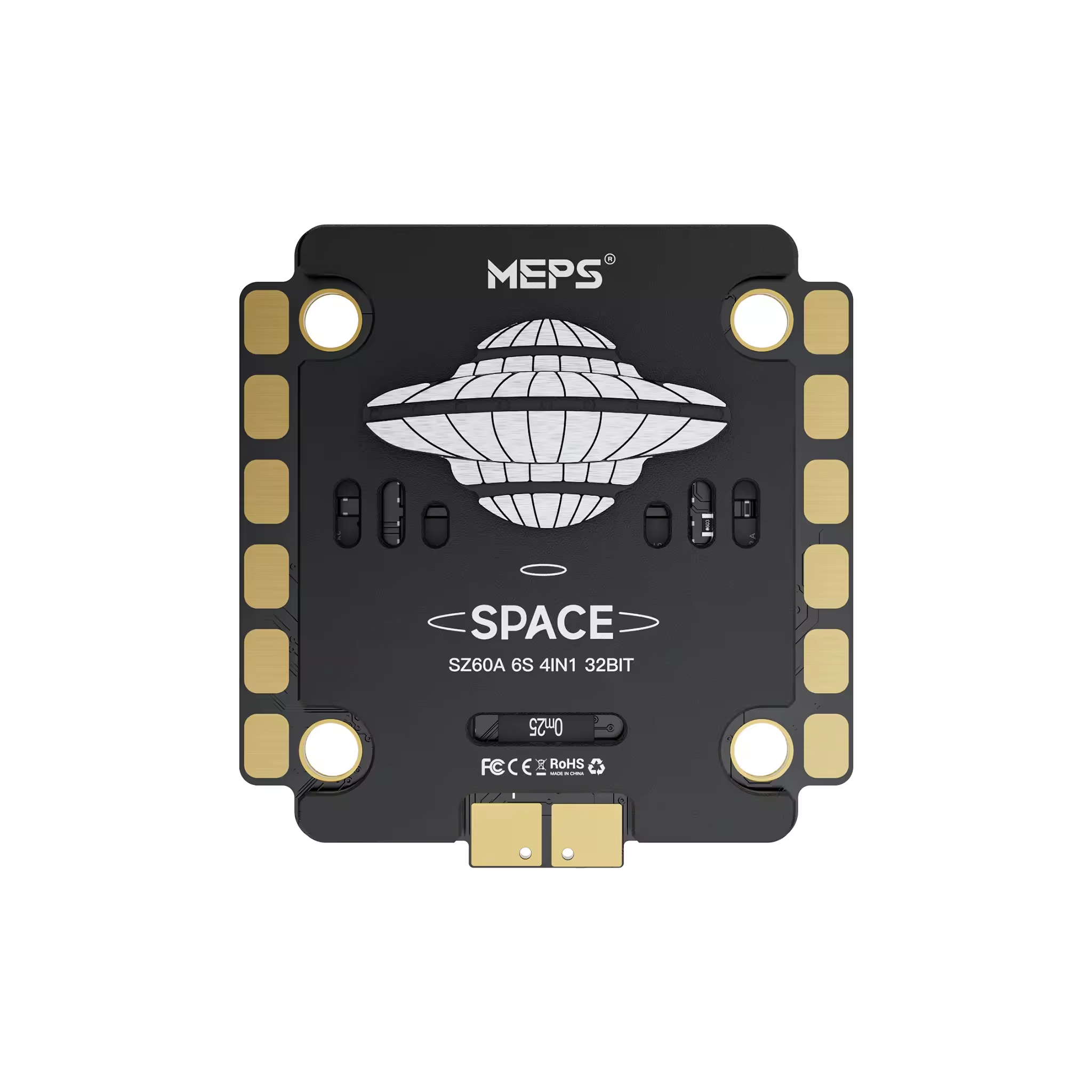
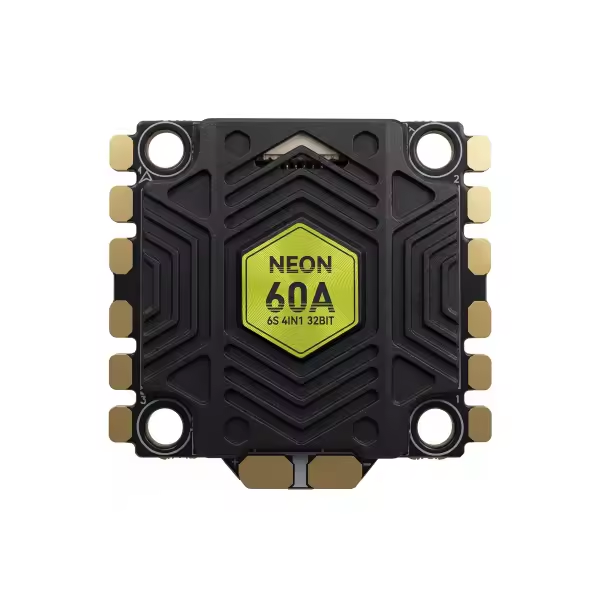
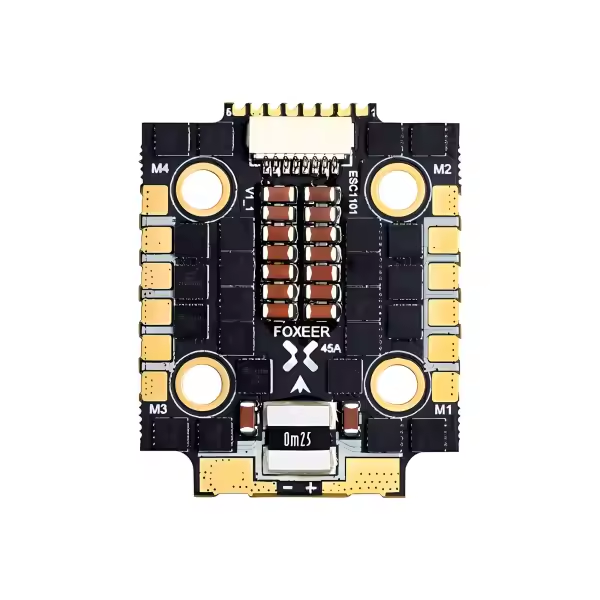
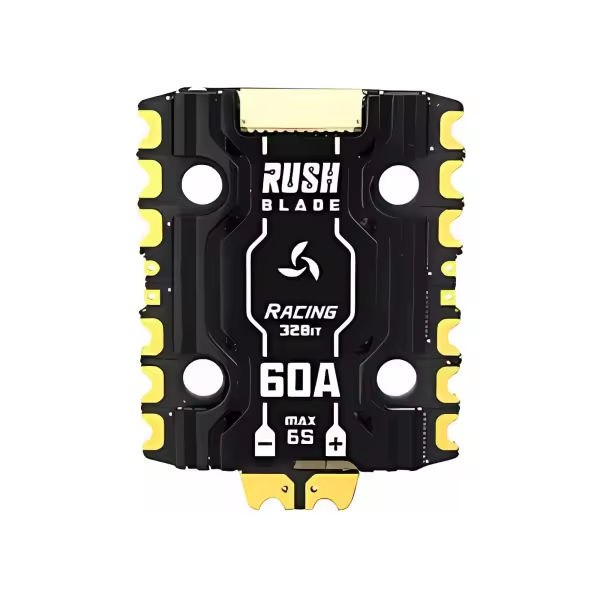
After frying two different 60A boards from other brands during punch-outs, I decided to give this NEON 60A a shot. I’ve put about 40 battery packs through it so far, including a few violent cartwheels into tall grass, and it hasn't hiccuped once. The soldering pads for the main power leads and cap are nice and thick, which made installation way easier. Throttle feel is super crisp on 6S, and it barely gets warm after a heavy freestyle session.
MEPS NEONCORE 60A 4-In-1 FPV ESC-30.5x30.5mm
Alex
Needed a cheap replacement ESC for my 5-inch practice quad that takes a beating every weekend. Honestly wasn't expecting much for the price, but it’s been rock solid for over a month now. Wire harnesses plugged right into my FC without needing pin remapping. Power delivery on standard 6S is plenty smooth, and it handles aggressive cornering and prop wash recovery with no issues. Definitely my new go-to budget board.
(EU STOCK ONLY)T-HOBBY V45A Lite 4in1 ESC for FPV Drone
DaveFreestyle
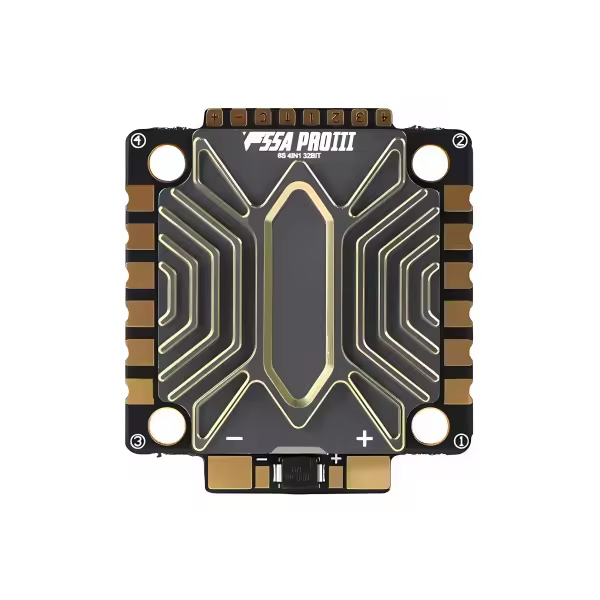
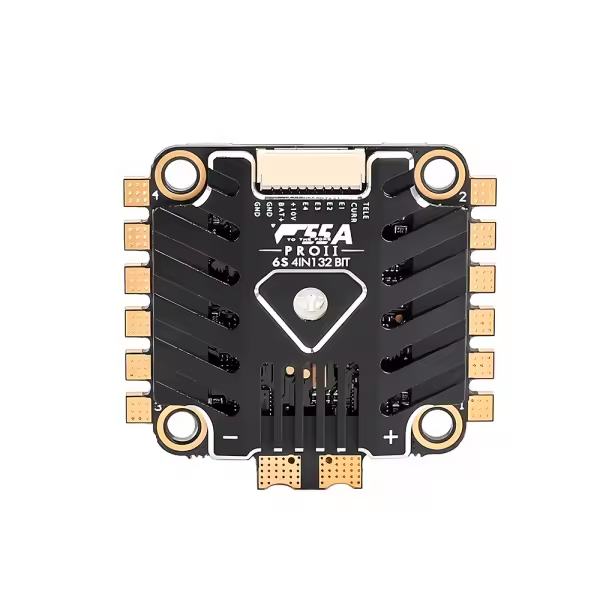
Picked this up specifically for an 8S long-range rig I was building. The motor response is instant—no weird desyncs or throttle lag even when pulling hard maneuvers with heavier props. What surprised me most was how clean my analog video feed stayed without adding massive extra capacitors. The solder pads are huge and take tin really well. If you’re running large motors or high voltage, this thing is built like a tank.
T-HOBBY F55A PRO Ⅲ 3-8S Electronic Speed Control- 30.5x30.5mm for FPV Drone
Why Shop With MEPSKING?
100% Genuine FPV GearFactory Direct & Official partnerships with leading FPV brands
24-Hour Professional Support
7 Days ReturnEasy shopping with hassle-free returns and replacements.
2-Year Product WarrantyReliable protection for your FPV gear.
Multi-Currency & Secure PaymentsShop and pay in your local currency for a smoother safer checkout.
Support From Real FPV PilotsGet help with builds, tuning and compatibility
FAQs
1: What should I check before buying an FPV ESC?
Check whether it is a single or 4-in-1 ESC, its continuous current rating, supported battery voltage (e.g., 2S–6S or 8S), mounting pattern (20x20 vs 30.5x30.5), firmware type, connector pinout, and flight controller compatibility.
2. Should I buy a single ESC or a 4-in-1 ESC?
Choose a 4-in-1 ESC for a cleaner build, centered weight distribution, and easy pairing with a flight controller stack. Opt for single ESCs if you are building a large long-range drone, a fixed-wing aircraft, or need quick motor arm replacement after a crash.
3. What amp ESC is suitable for a 5-inch FPV drone?
Most 5-inch 6S freestyle and racing builds perform best with a 45A to 60A 4-in-1 ESC. However, always cross-reference your ESC current rating with your motor and propeller thrust data to ensure you have enough headroom for high-throttle bursts.
4. Can I use a 6S ESC with a 4S battery?
Yes. A 6S rating specifies the maximum supported voltage (approx. 25.2V). Running a lower cell count like 4S (16.8V) is completely safe, provided your motors are also rated for 4S operation.
5. Are FC and ESC connector pinouts universal?
No, pinouts are not universal. Even if two boards use the same 8-pin SH1.0 cable, the pin positions for power (VBAT), ground (GND), current sensing (CURR), telemetry (TEL), and motor signals (M1–M4) can differ. Always verify both wiring diagrams before plugging them together.
6. Why do I need an external capacitor for my 4-in-1 ESC?
Solder an external Low-ESR capacitor (typically 35V 470uF–1000uF) to the main battery pads to absorb voltage spikes caused by active braking (DShot RPM filtering). This protects your ESC MOSFETs, cleans up FPV video noise, and stabilizes flight controller sensors.
7. BLHeli_S vs BLHeli_32 vs AM32: Which ESC firmware is best?
BLHeli_S / Bluejay: Cost-effective 8-bit firmware, ideal for 1S micro builds and budget quads with full bidirectional DShot support.
BLHeli_32: Premium 32-bit firmware for smooth telemetry, custom startup tones, and high-performance 6S/8S rigs.
AM32: Modern open-source 32-bit firmware offering ultra-fast response and high reliability for modern 4-in-1 ESCs.
8. What is an FC/ESC stack, and should I buy one?
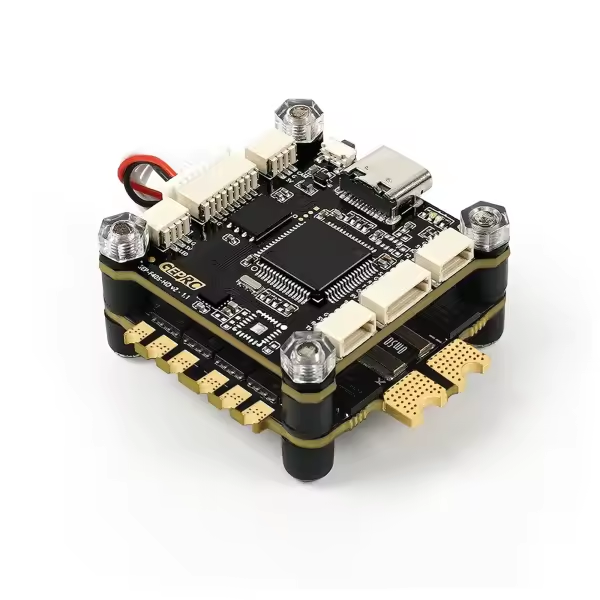
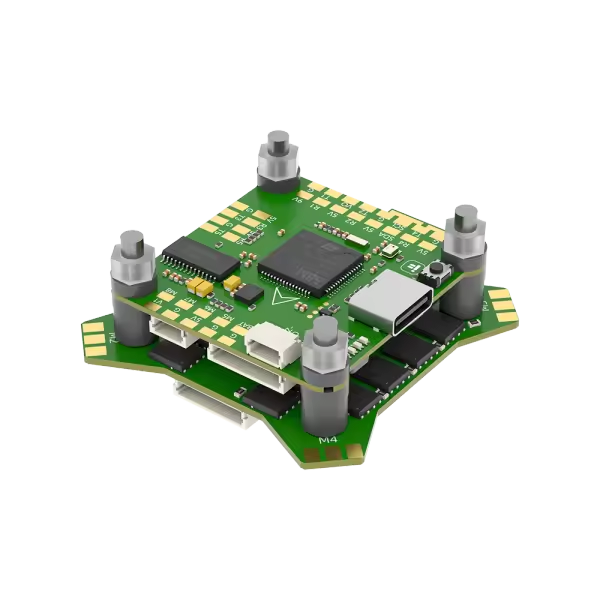
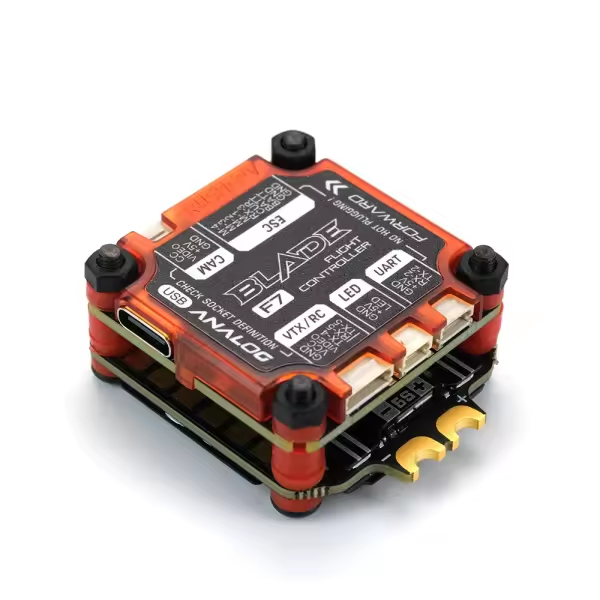
An FC/ESC stack pairs a Flight Controller and a 4-in-1 ESC with matching mounting holes and plug-and-play wiring harnesses. Buying a stack eliminates pinout compatibility issues and speeds up assembly time for beginners.
9. How do I troubleshoot ESC sync issues or desyncs?
Desyncs often happen because of incorrect motor timing, aggressive demag compensation, or damaged motor windings. Check motor solder joints, flash updated firmware (like Bluejay or AM32), increase motor timing, and lower demag compensation in your ESC configurator.










Real Feedback from FPV Pilots