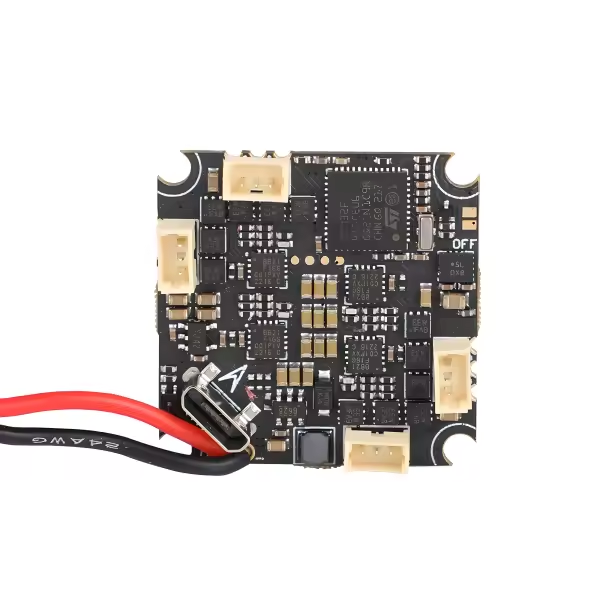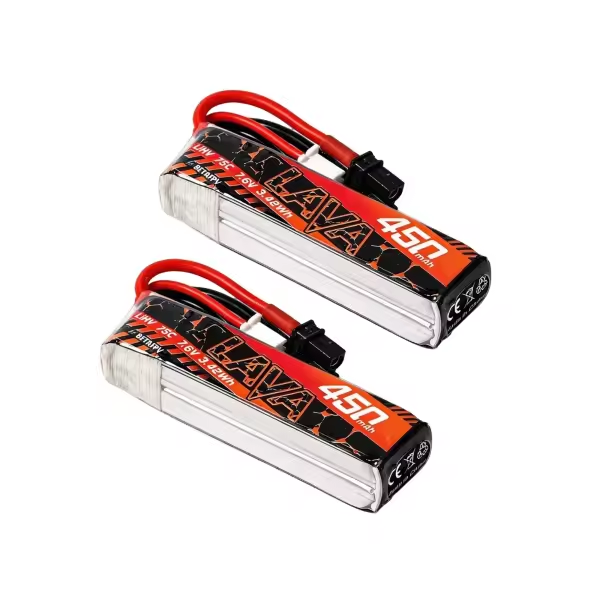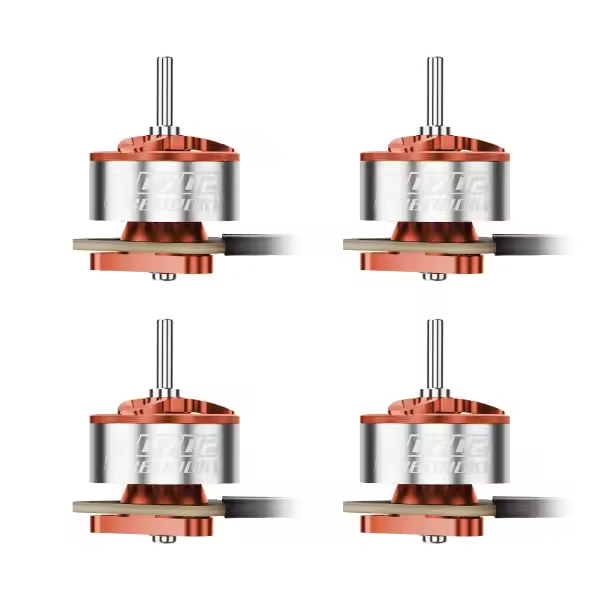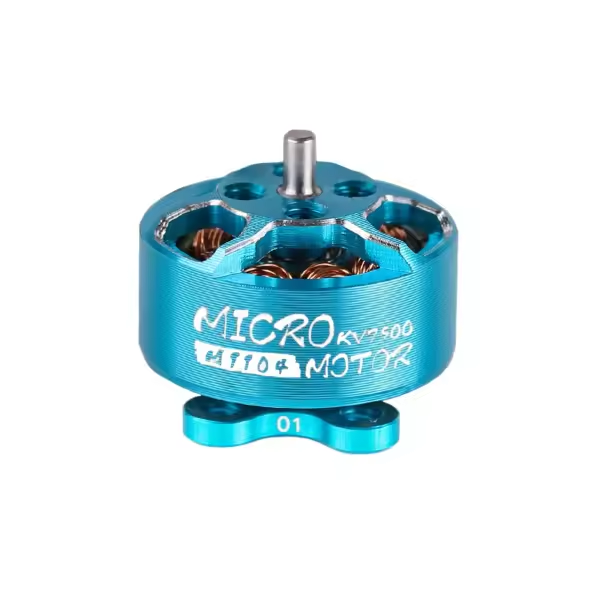
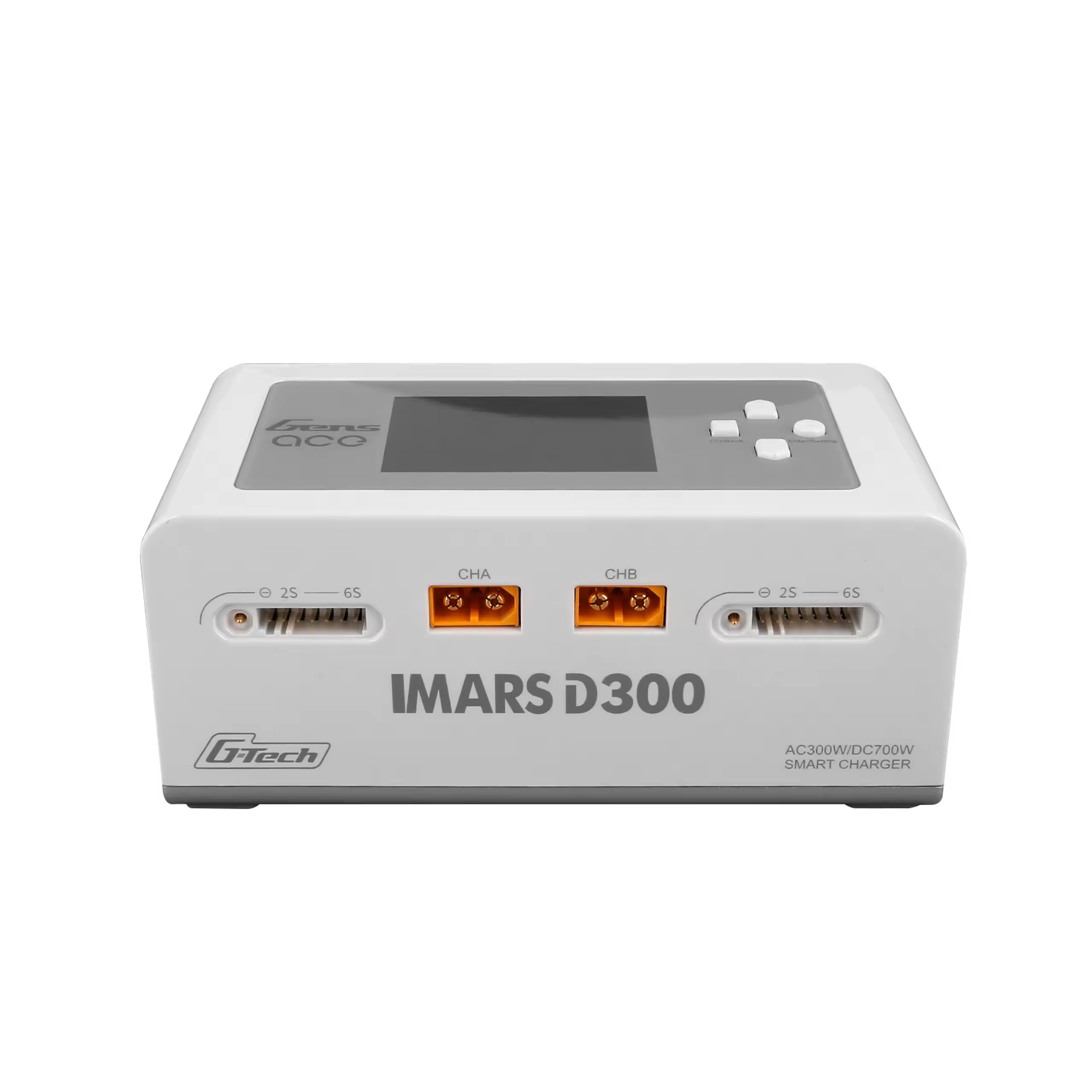
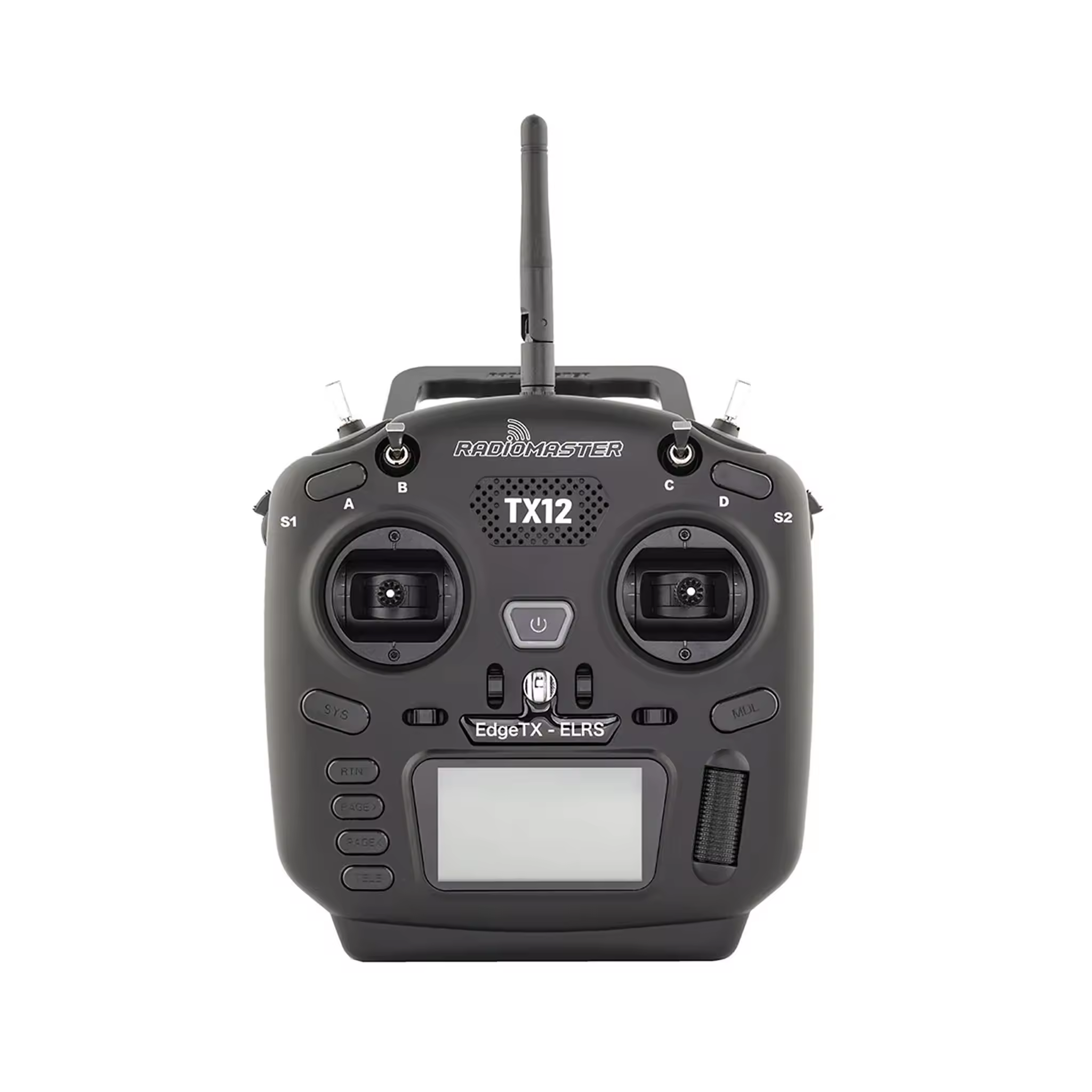
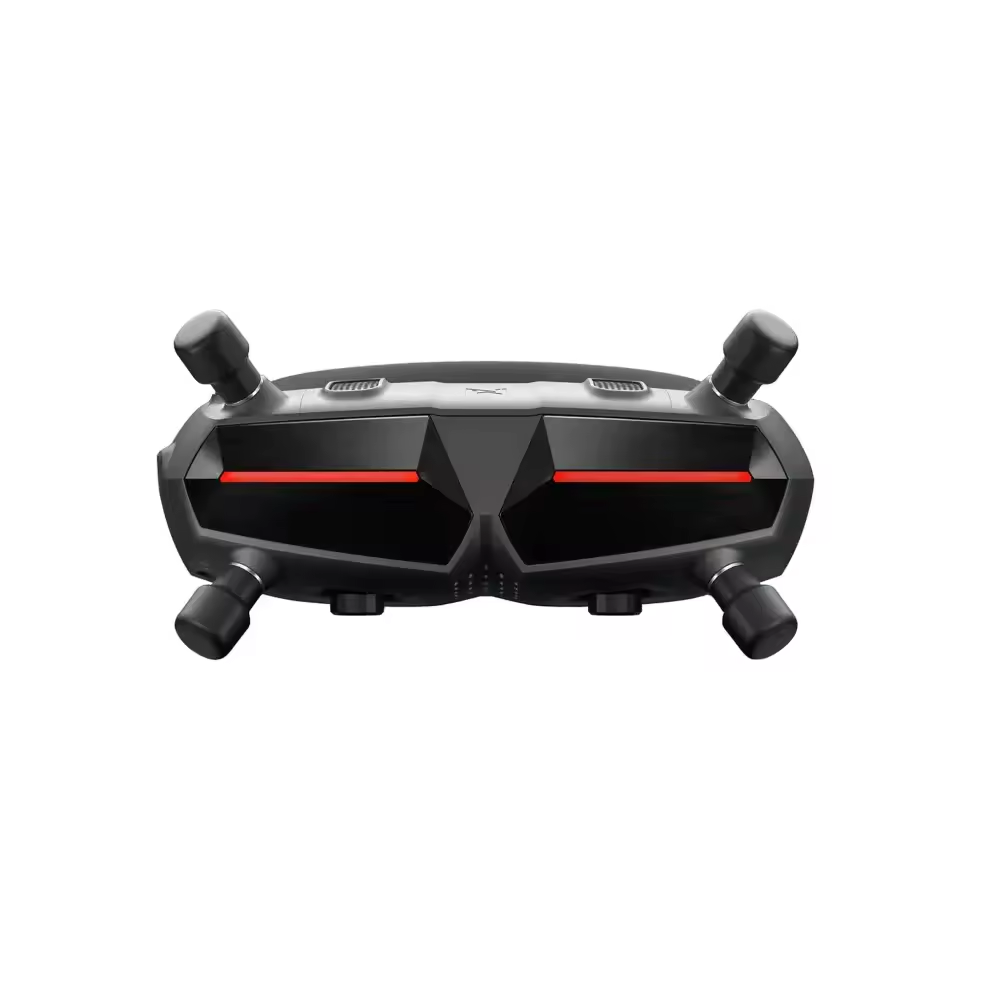
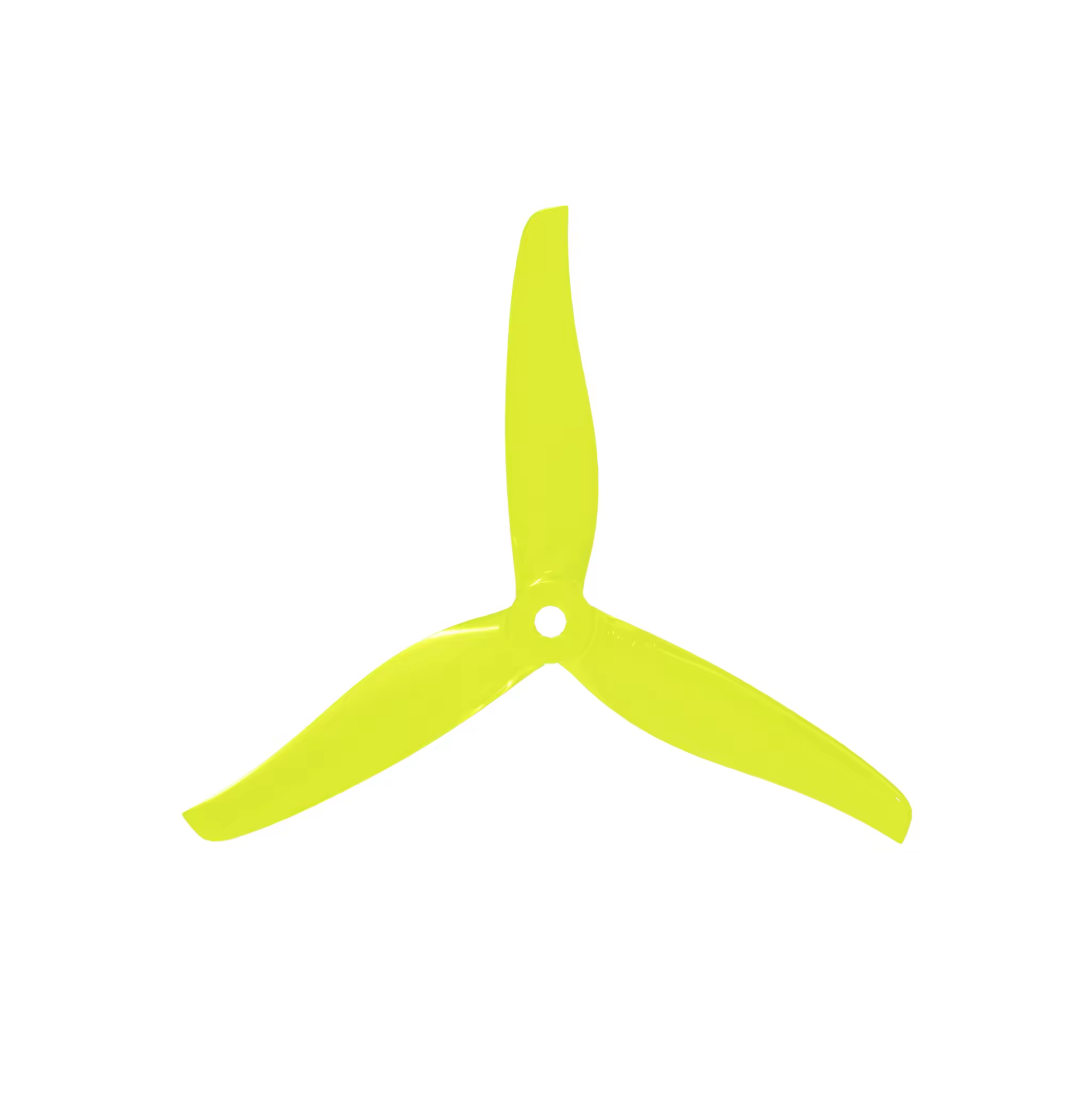

FPV Drone Parts


- 1
- 2
- 3
- 4
- 5
- 6
FPV Drone Parts – Essential Components for Building and Upgrading FPV Drones
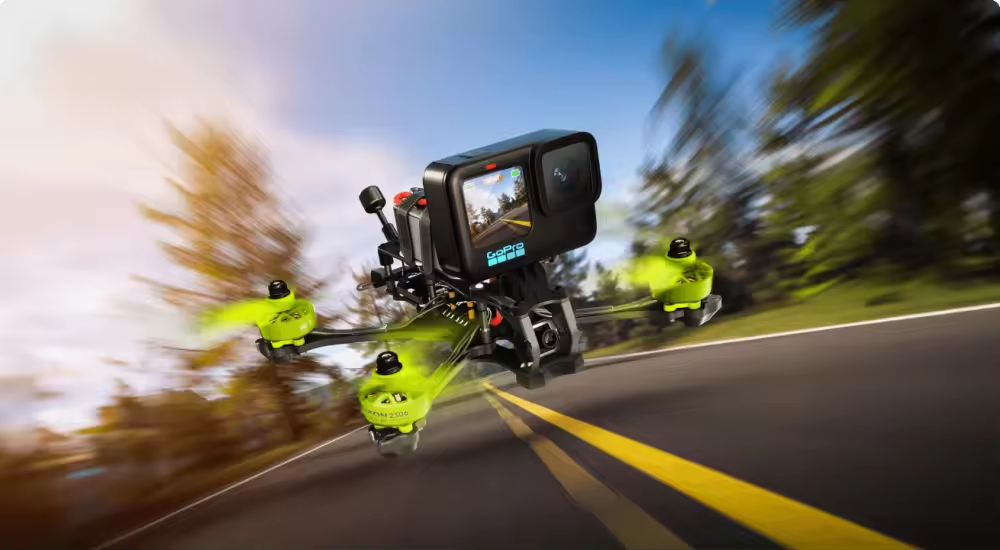
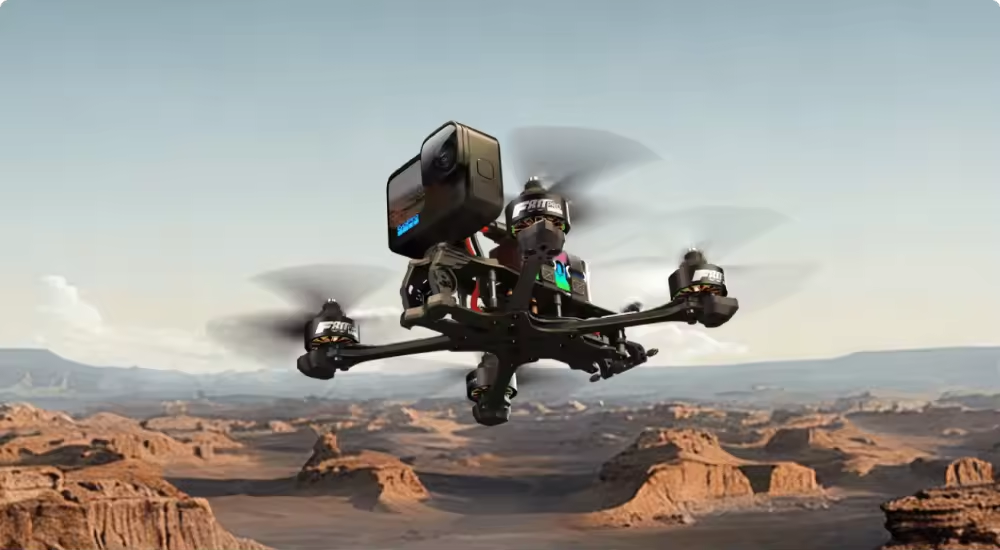
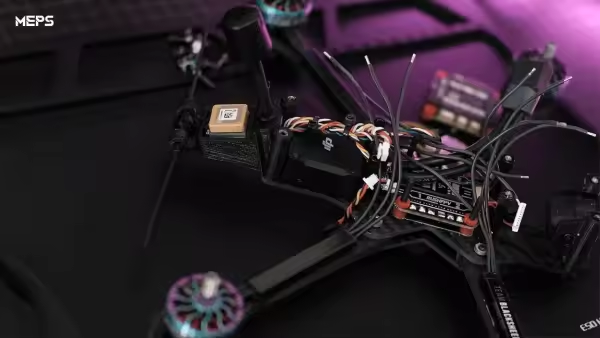
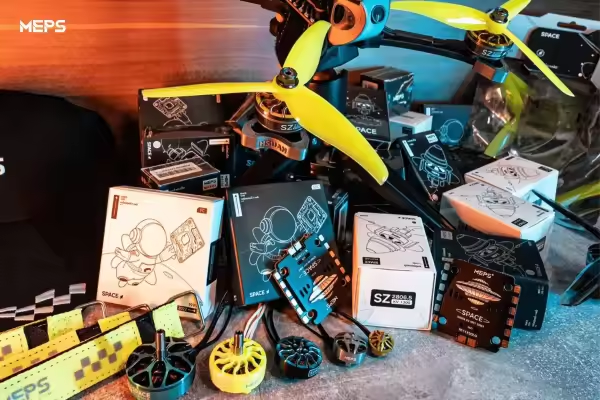
FPV drone parts are the individual components used to build, repair, or upgrade a first-person-view quadcopter. From motors and flight controllers to ESCs and FPV cameras, every part plays a critical role in how a drone performs in the air.
For FPV pilots, choosing the right FPV drone components directly affects flight performance, durability, and overall flying experience. A well-matched set of FPV parts ensures smooth throttle response, stable flight control, and reliable video transmission.
Whether you're building a freestyle quad, racing drone, or cinematic FPV rig, selecting high-quality FPV drone parts is the foundation of a reliable build.
If you want to learn more about FPV parts, read this blog What are the Parts of FPV Drone.
Complete FPV Drone Parts List for Beginners
If you're building your first quad, understanding the essential FPV drone parts is the first step. A standard FPV drone is made up of several core components that work together to power the aircraft, control its flight, and transmit live video to the pilot.
Here is a simple FPV drone components list used in most builds.
| Component | Function |
|---|---|
| Frame | The structural body that holds all FPV drone parts together |
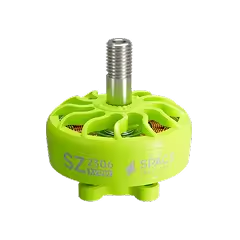
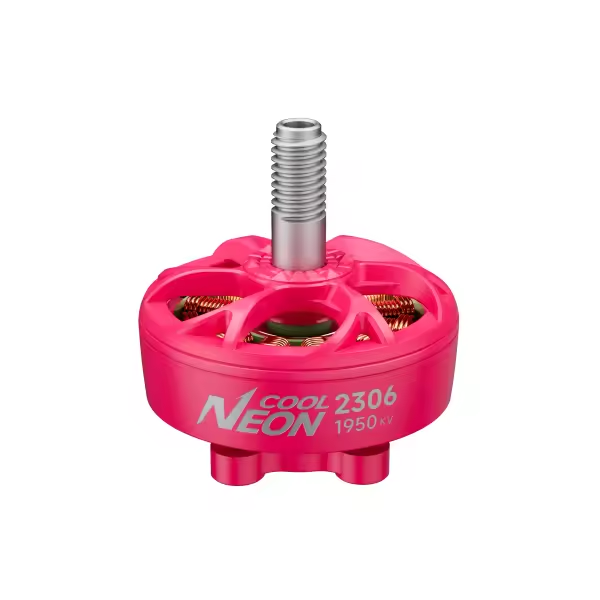
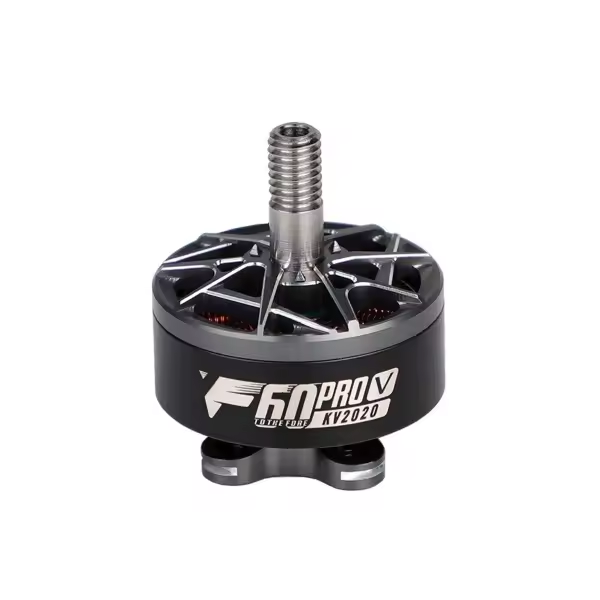
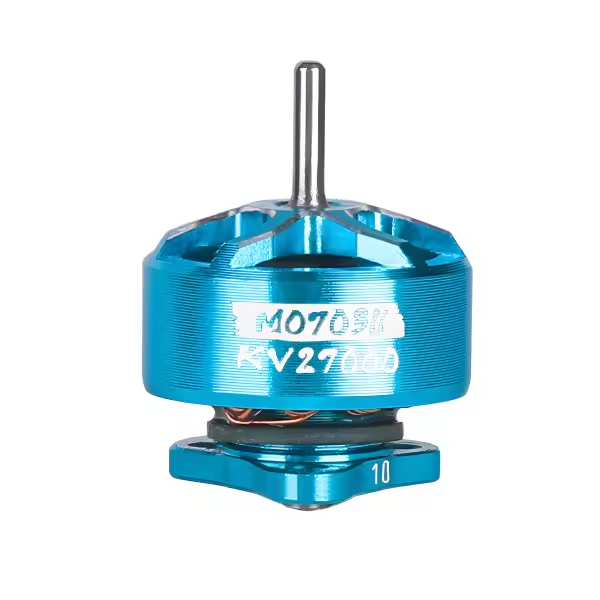
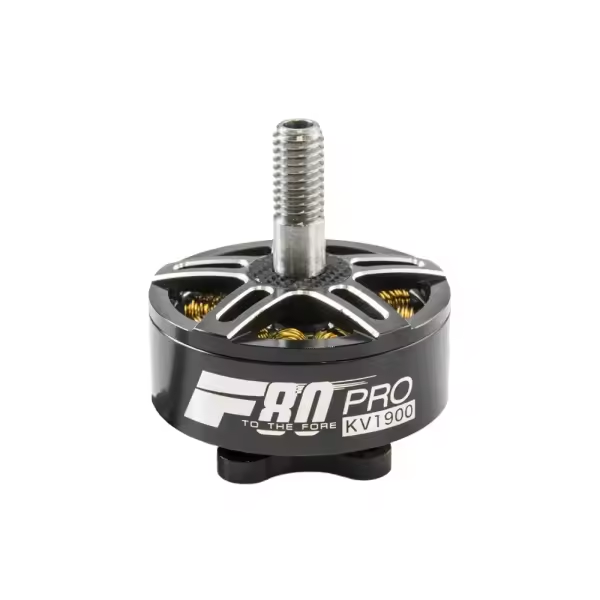
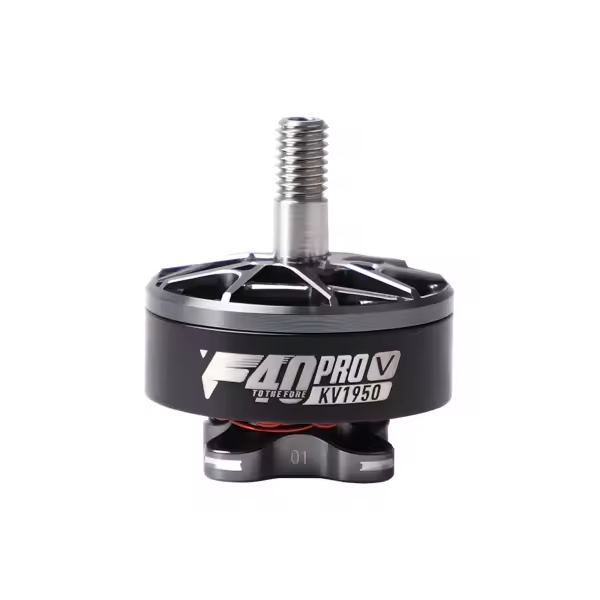
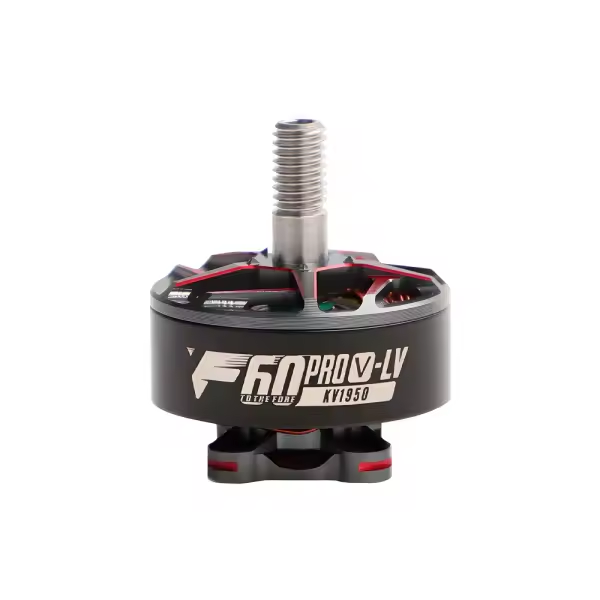
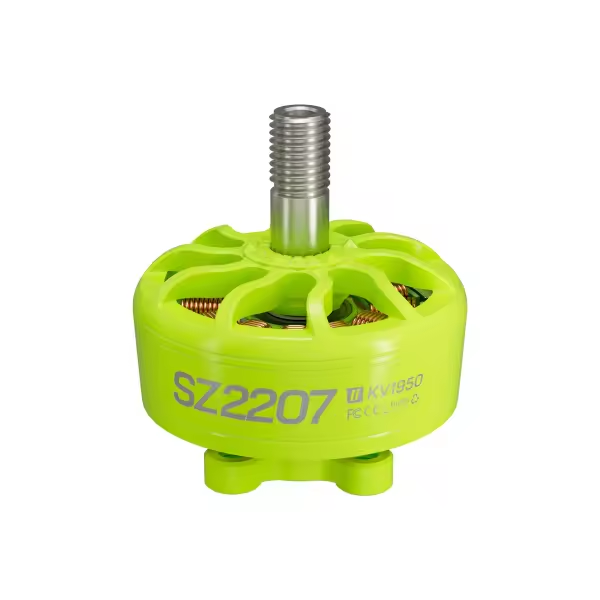
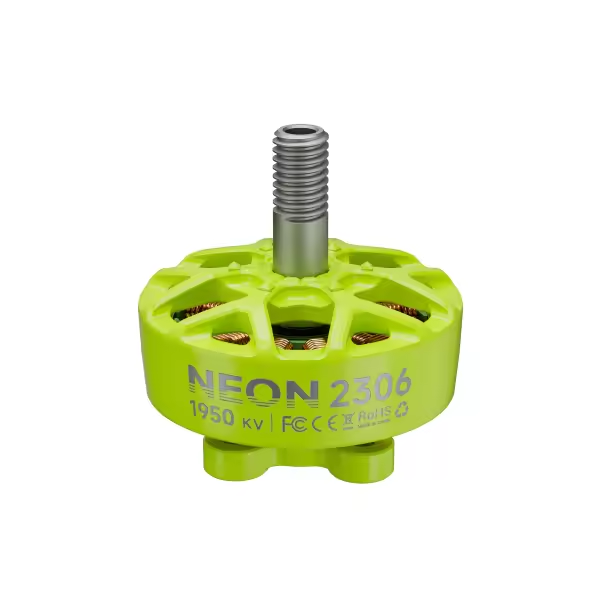
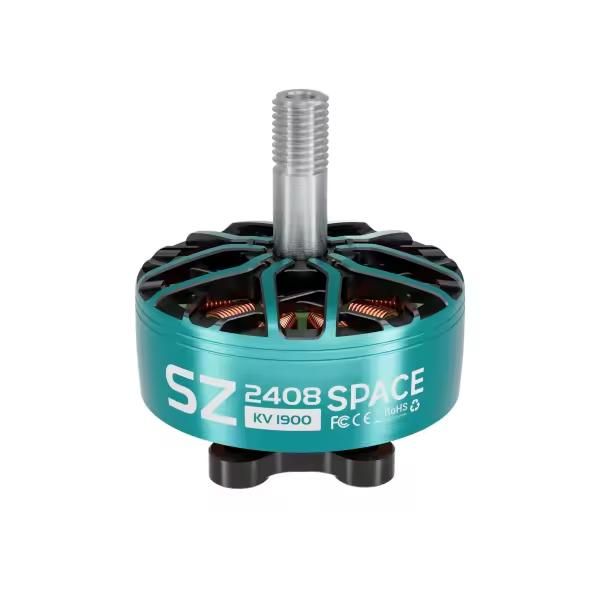
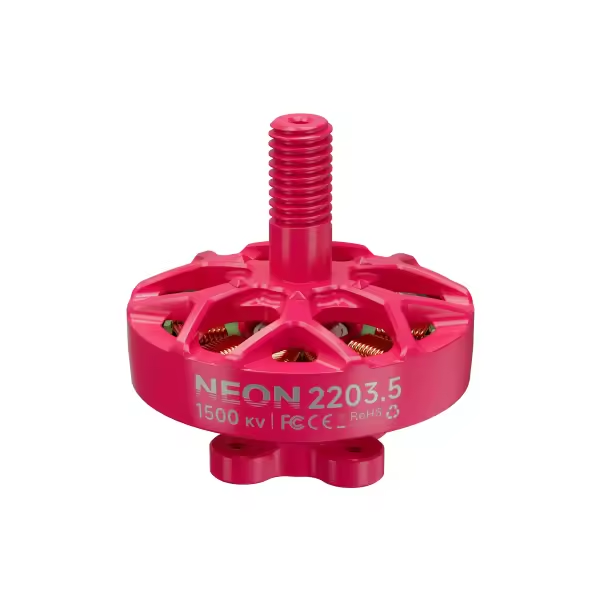
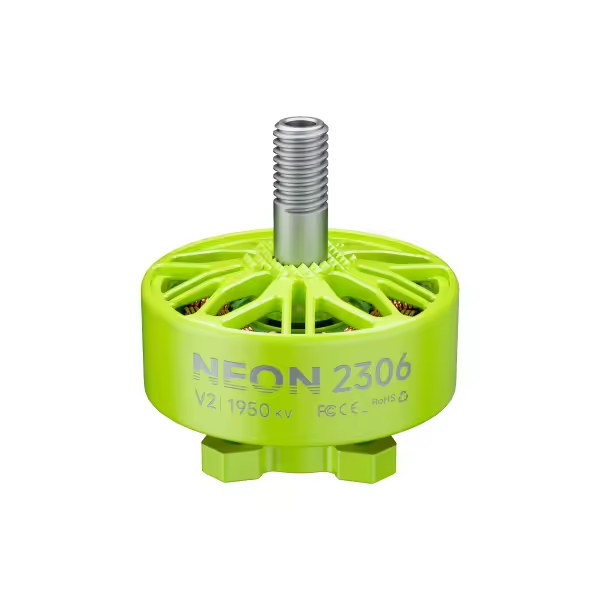
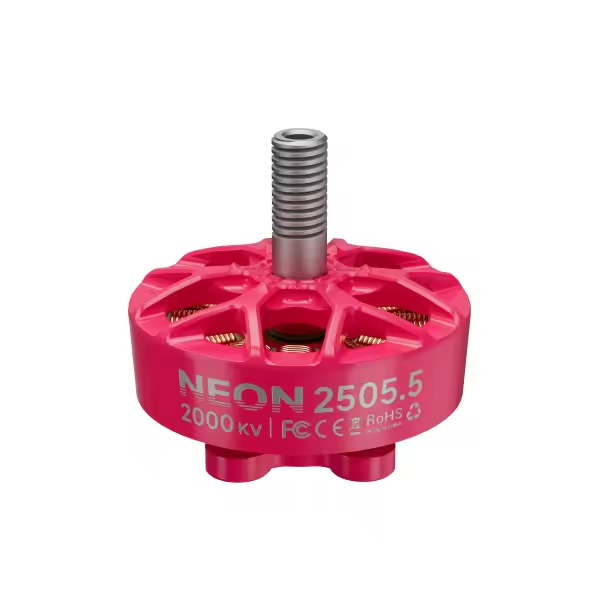
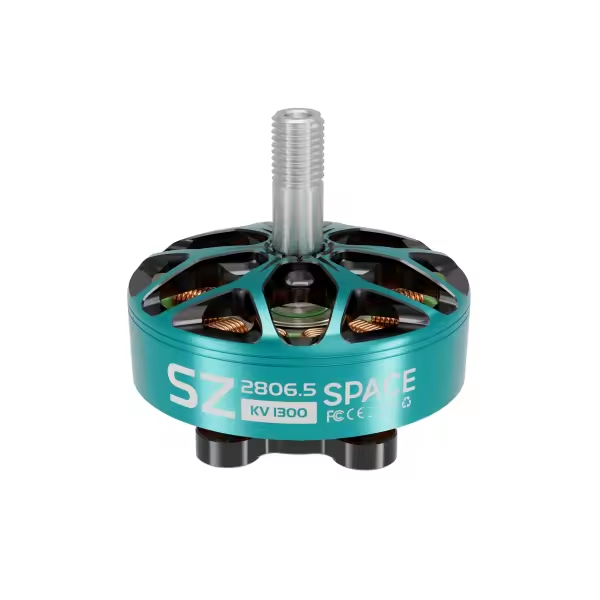
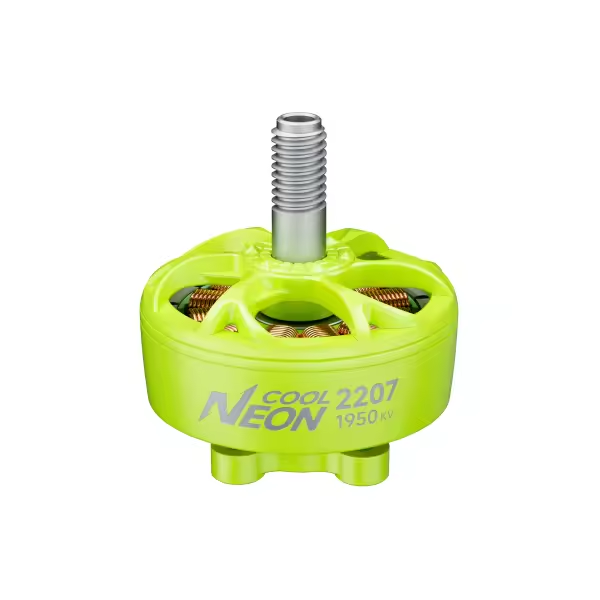
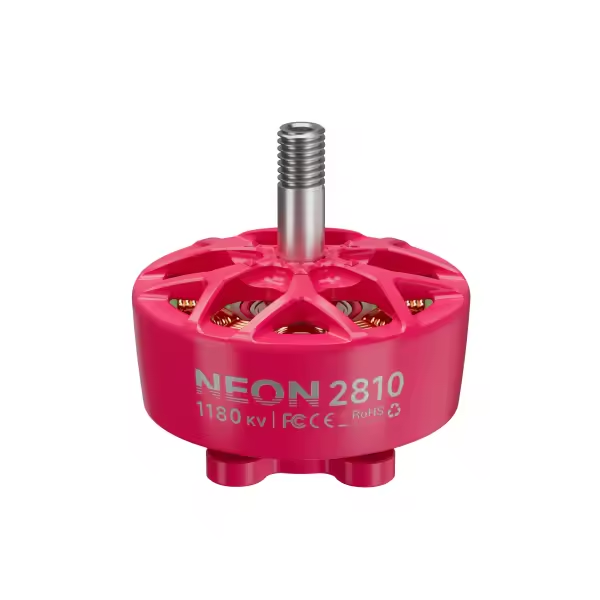
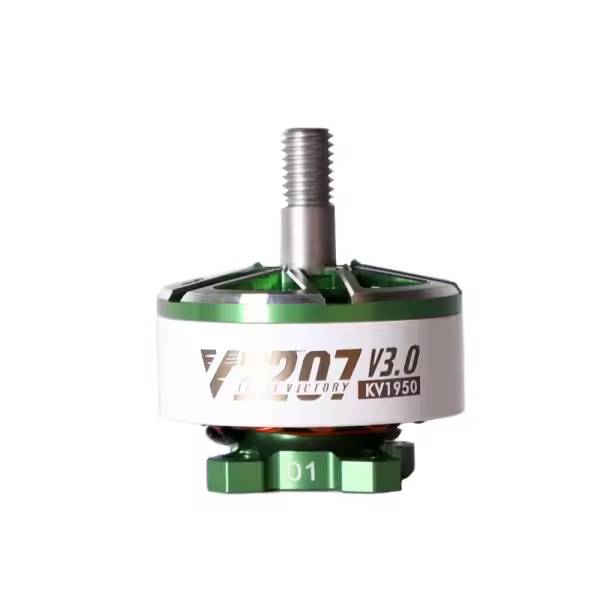
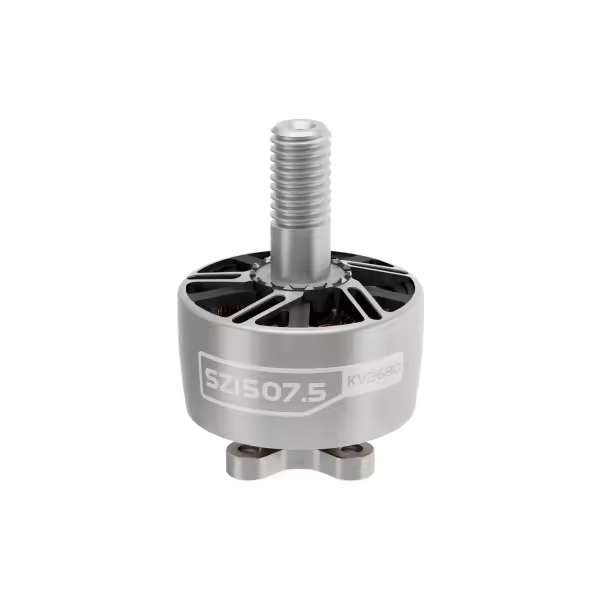
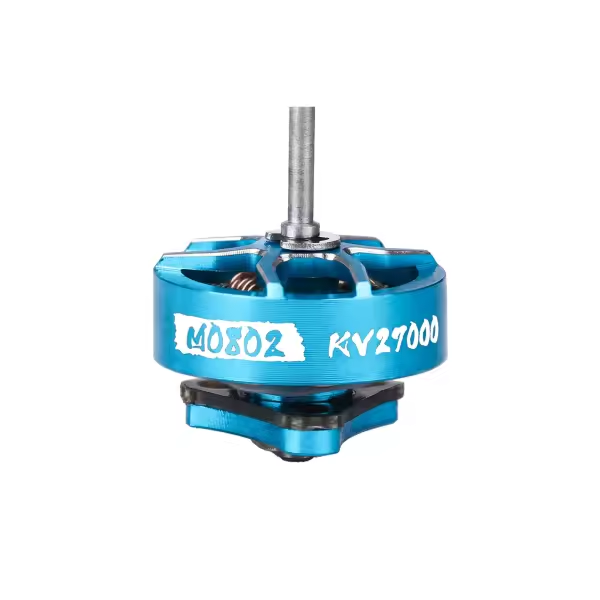
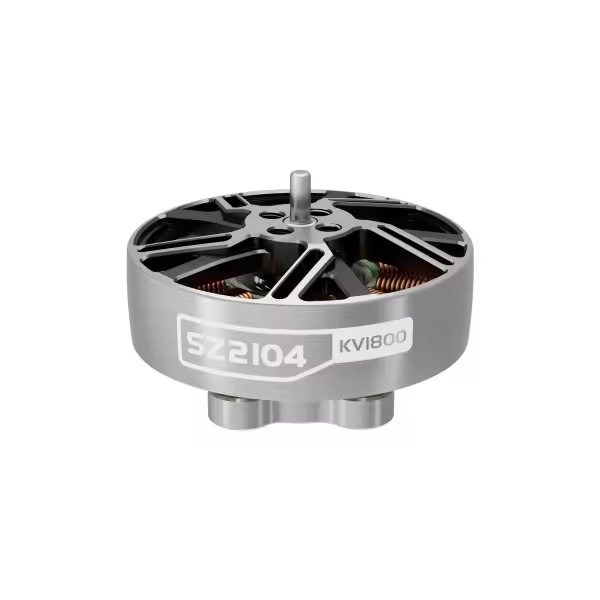
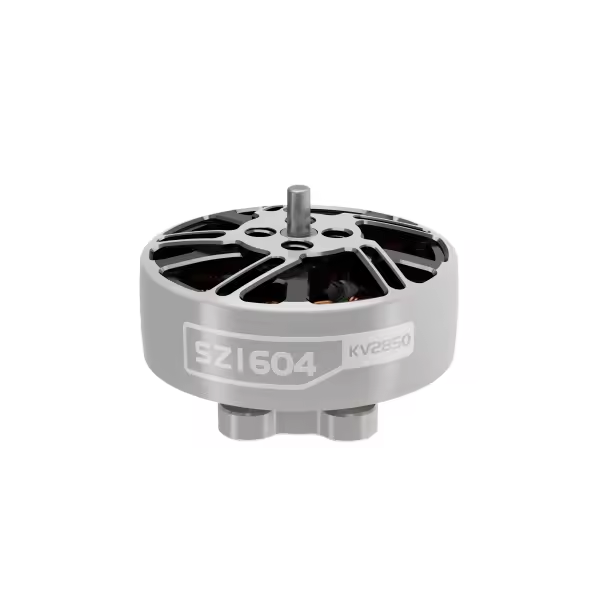
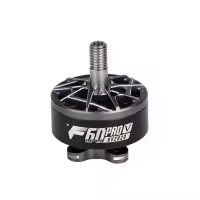
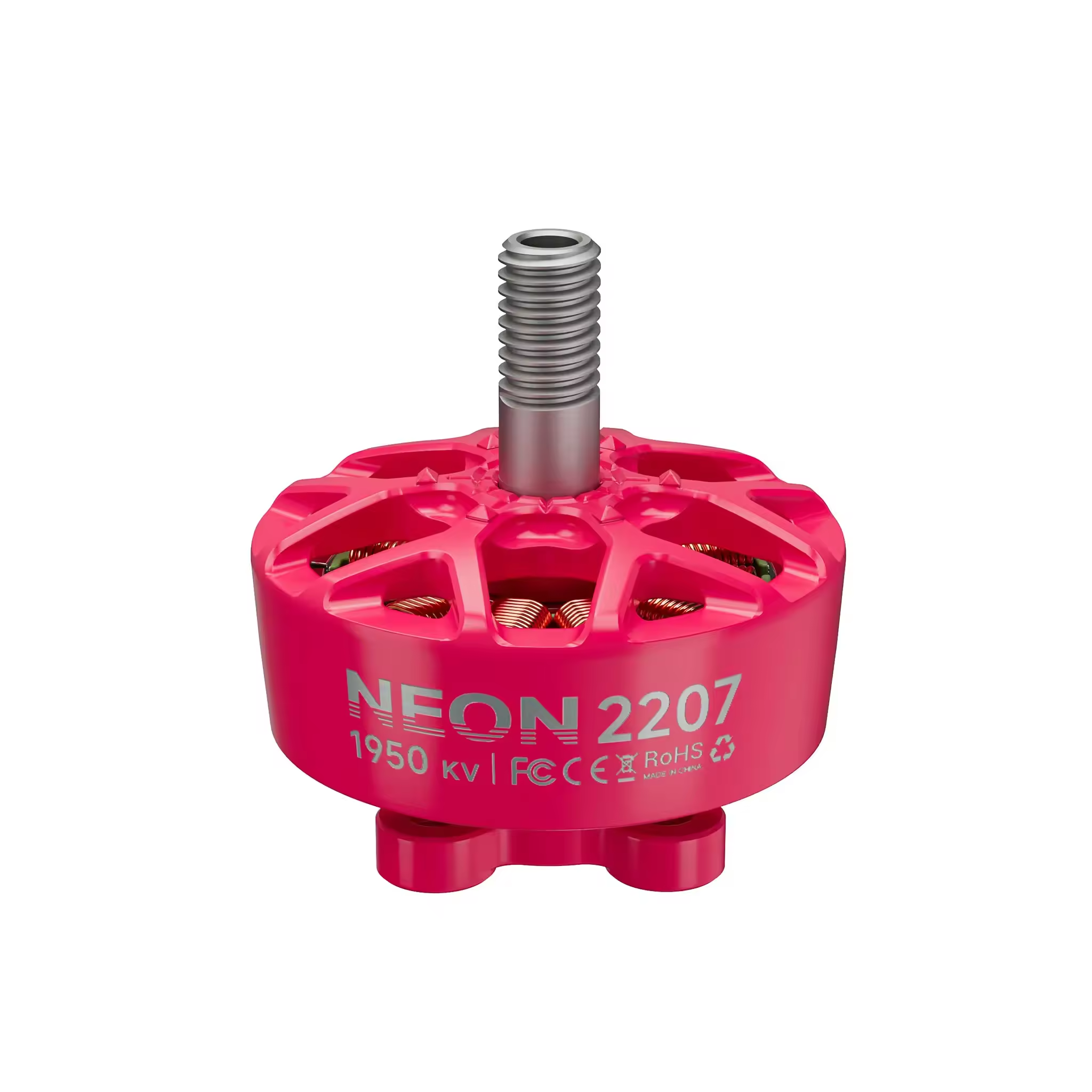
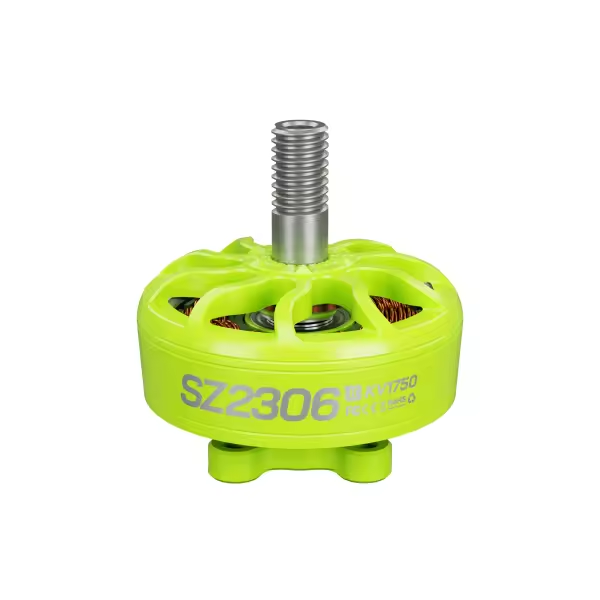
| Motors | Generate thrust to lift and maneuver the drone |
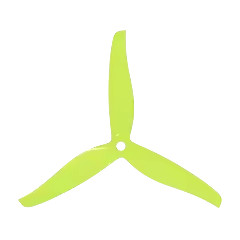
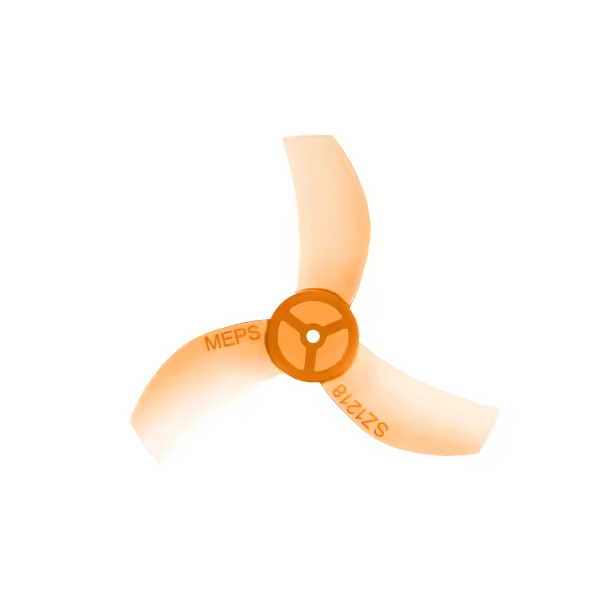
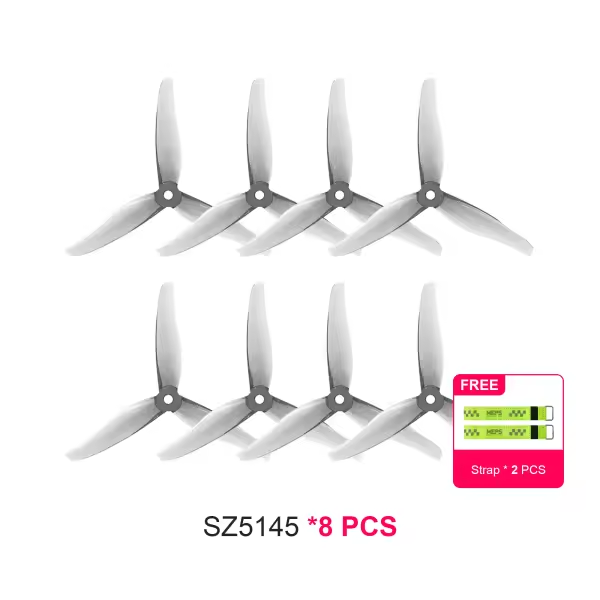
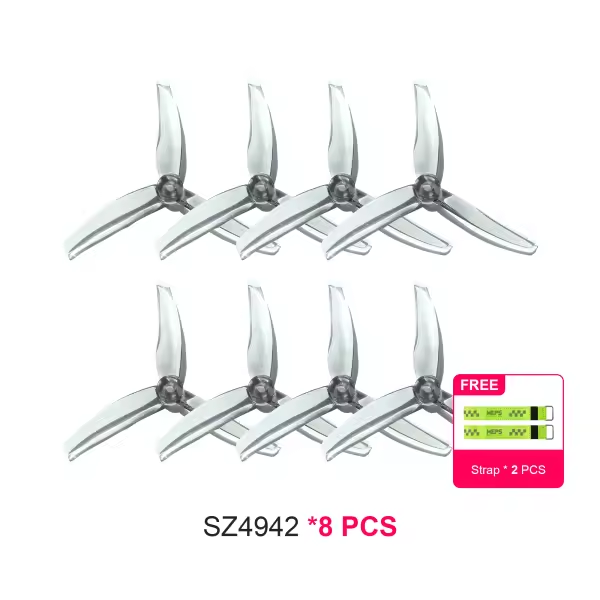
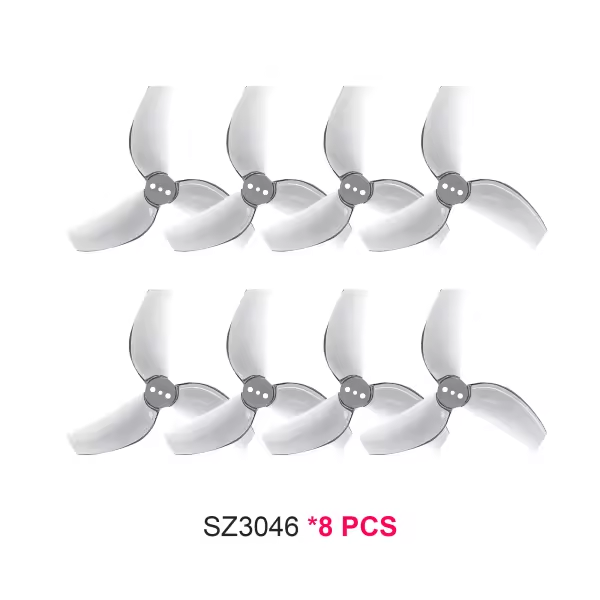
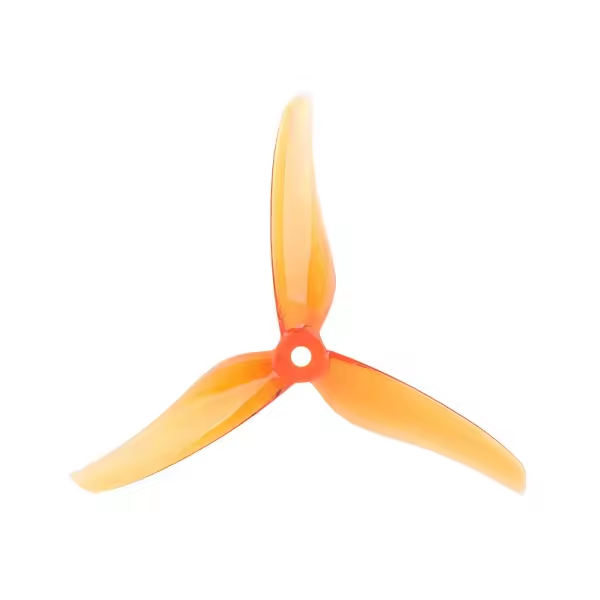
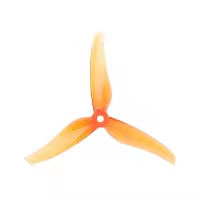
| Propellers | Convert motor rotation into airflow for lift |
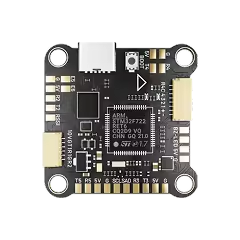
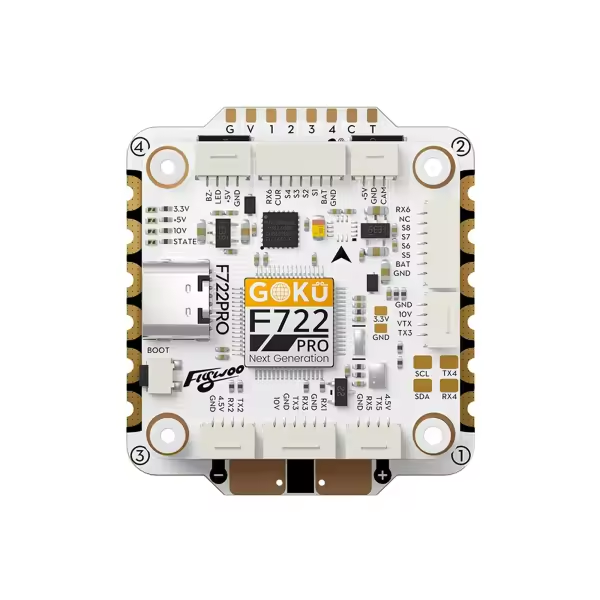
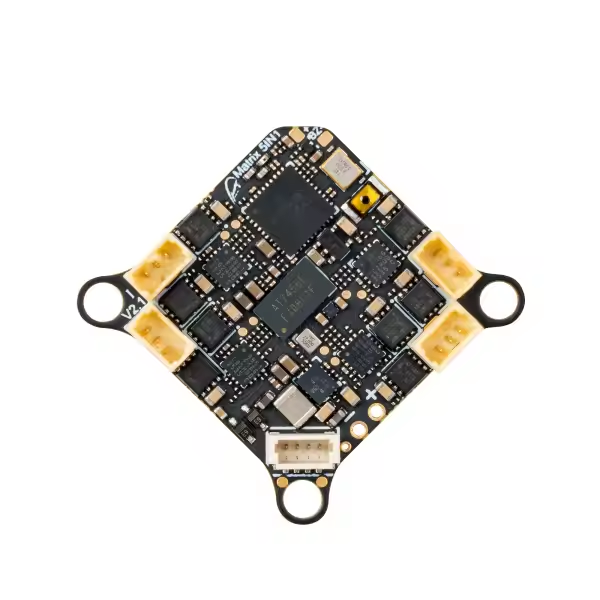
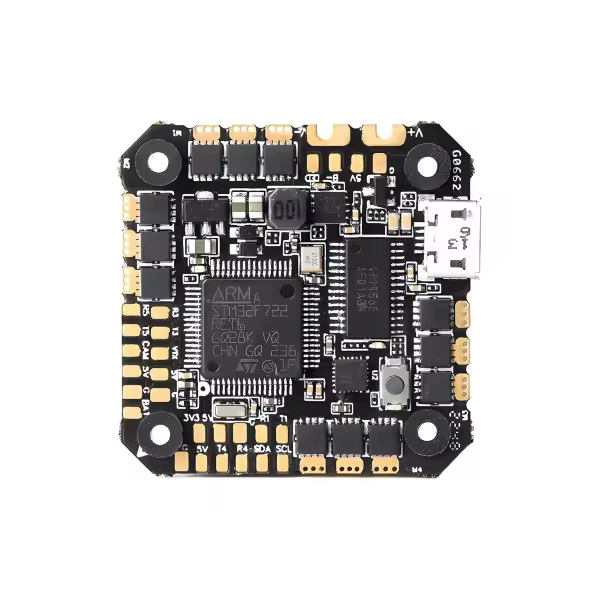
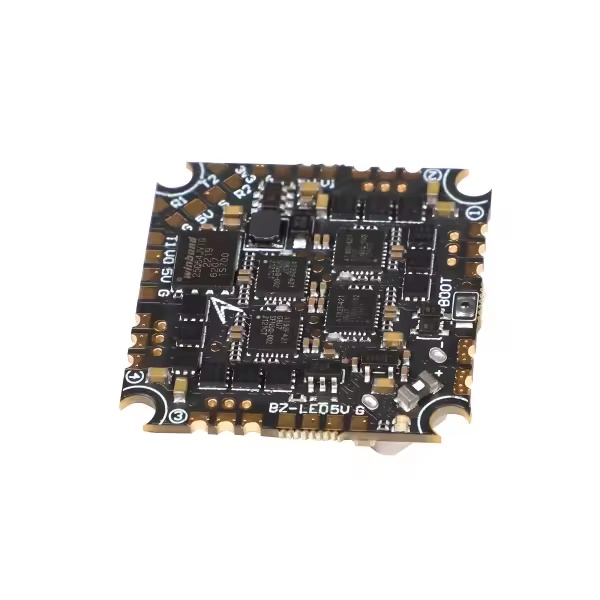
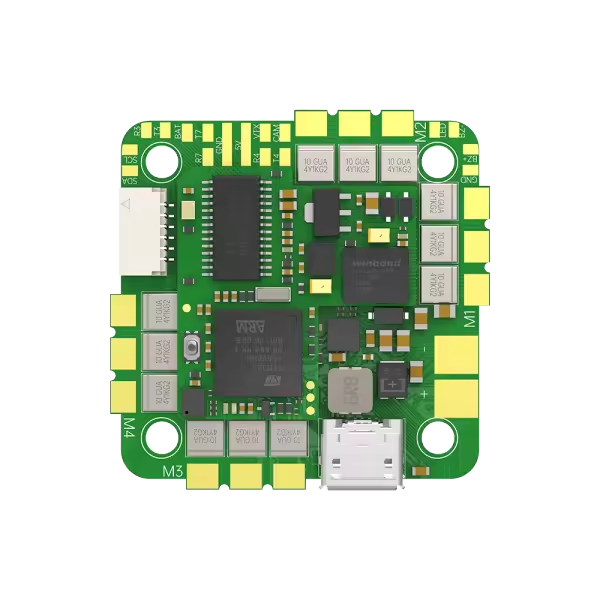
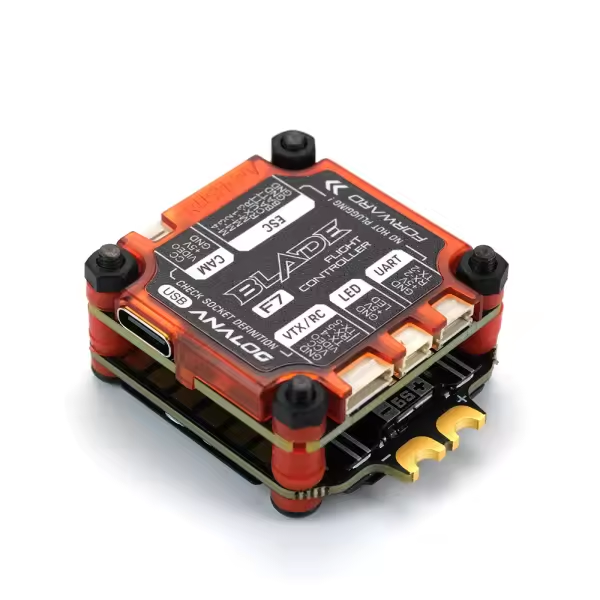
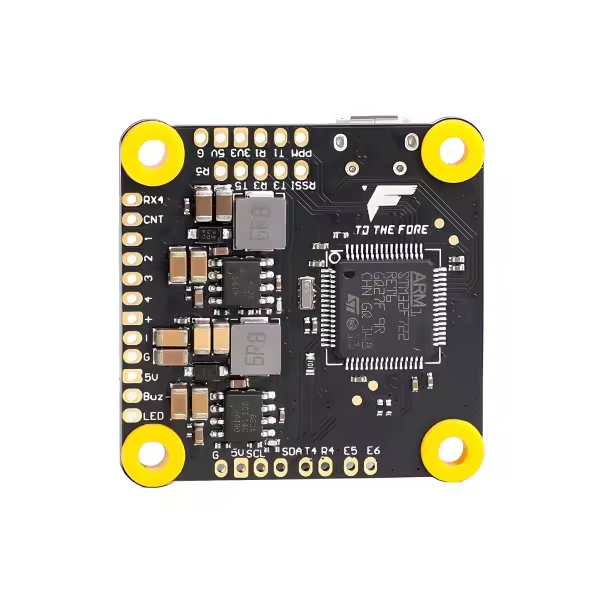
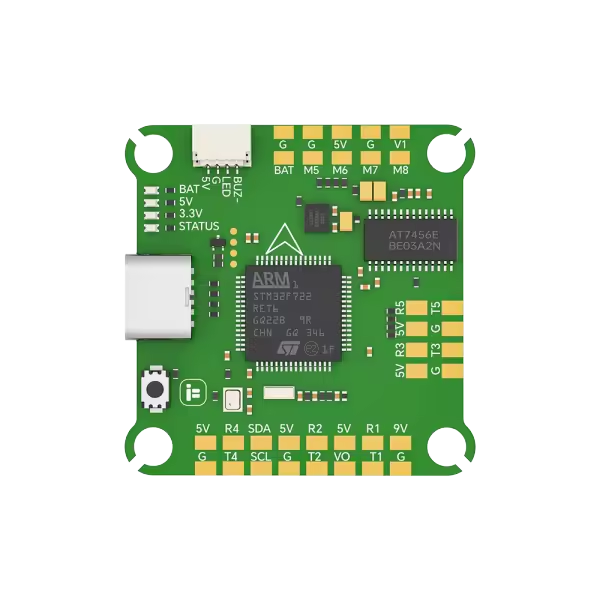
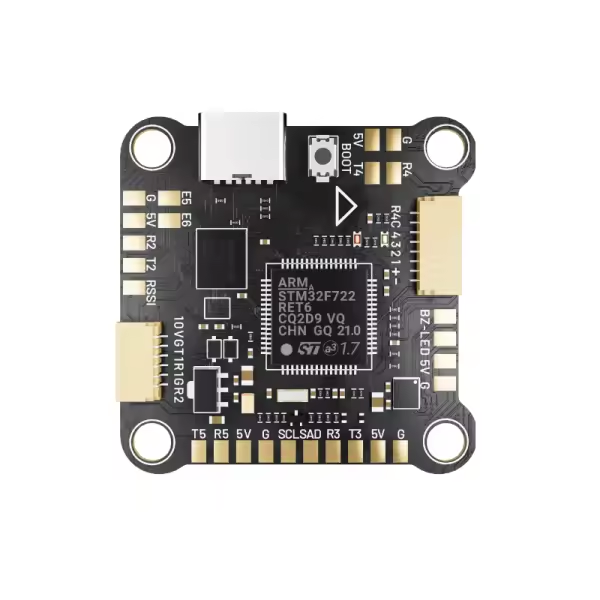
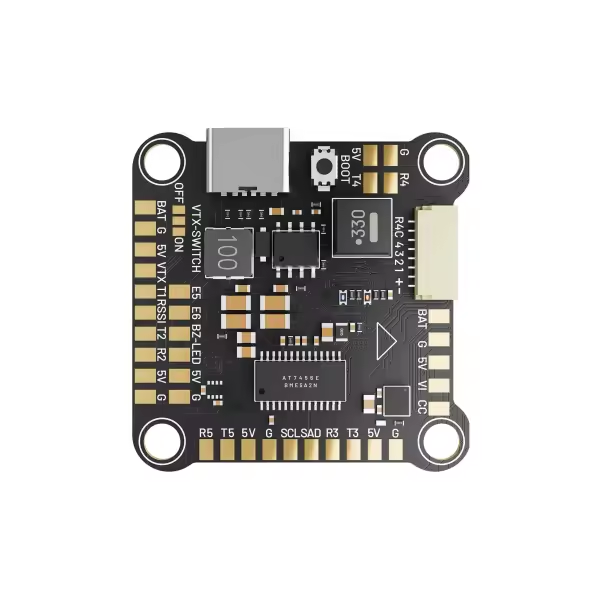
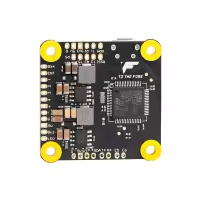
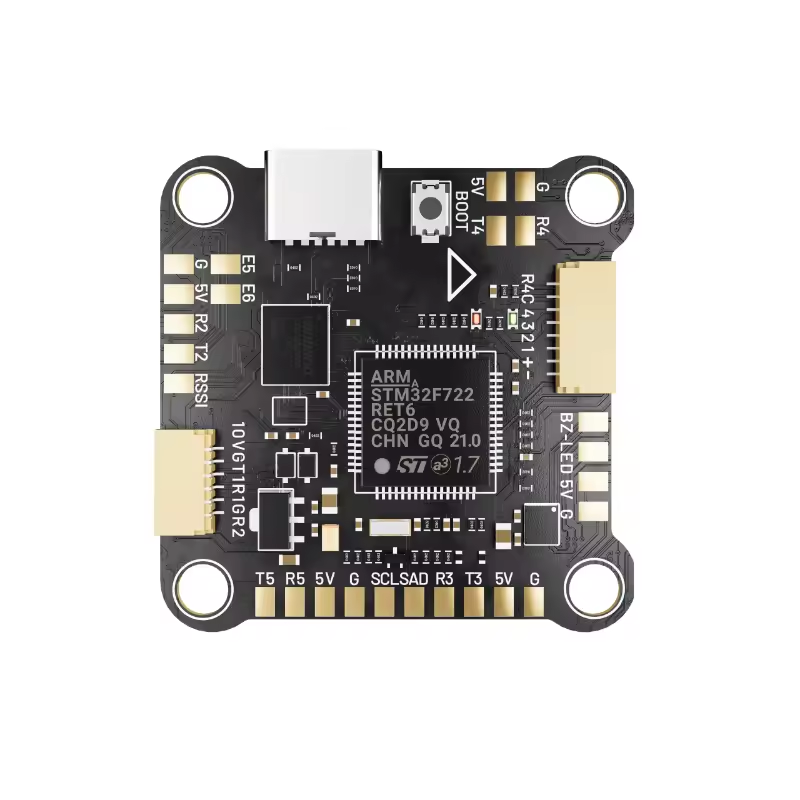
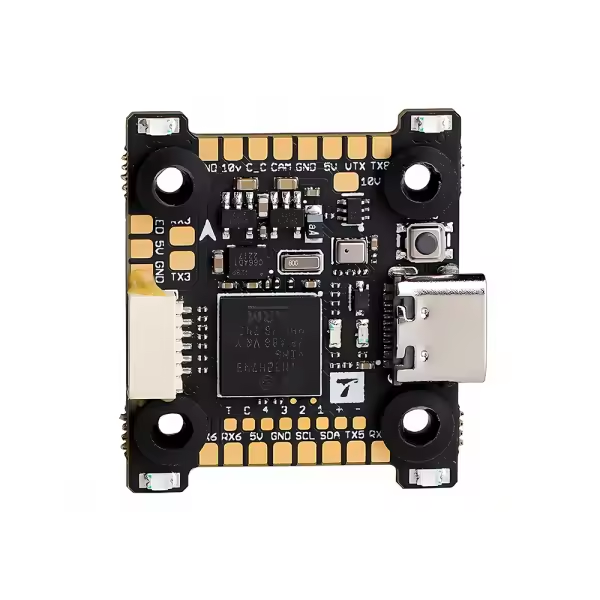
| Flight Controller (FC) | The brain of the drone that processes sensor data and pilot inputs |
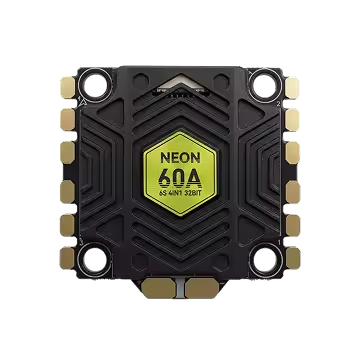
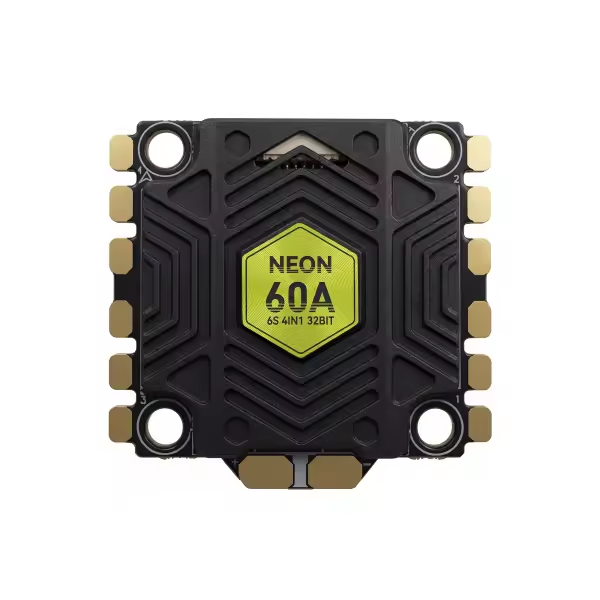
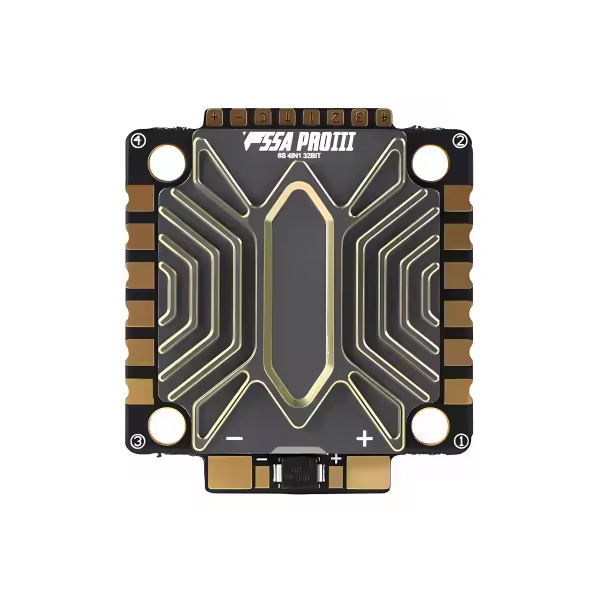
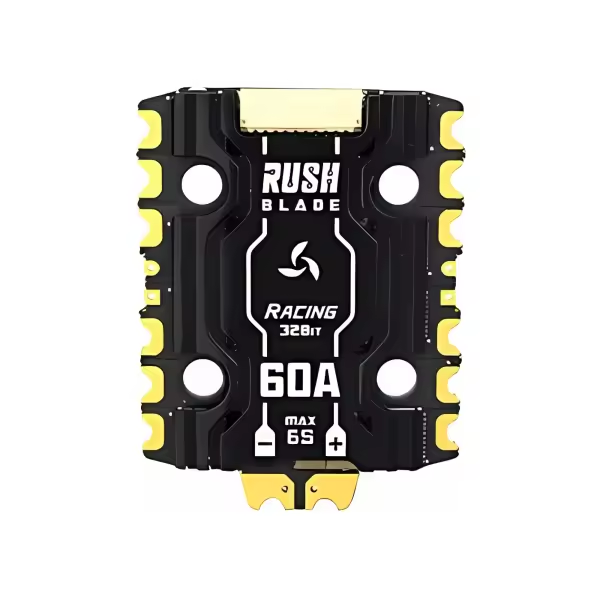
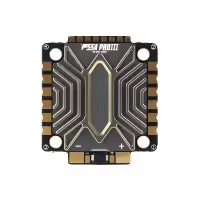
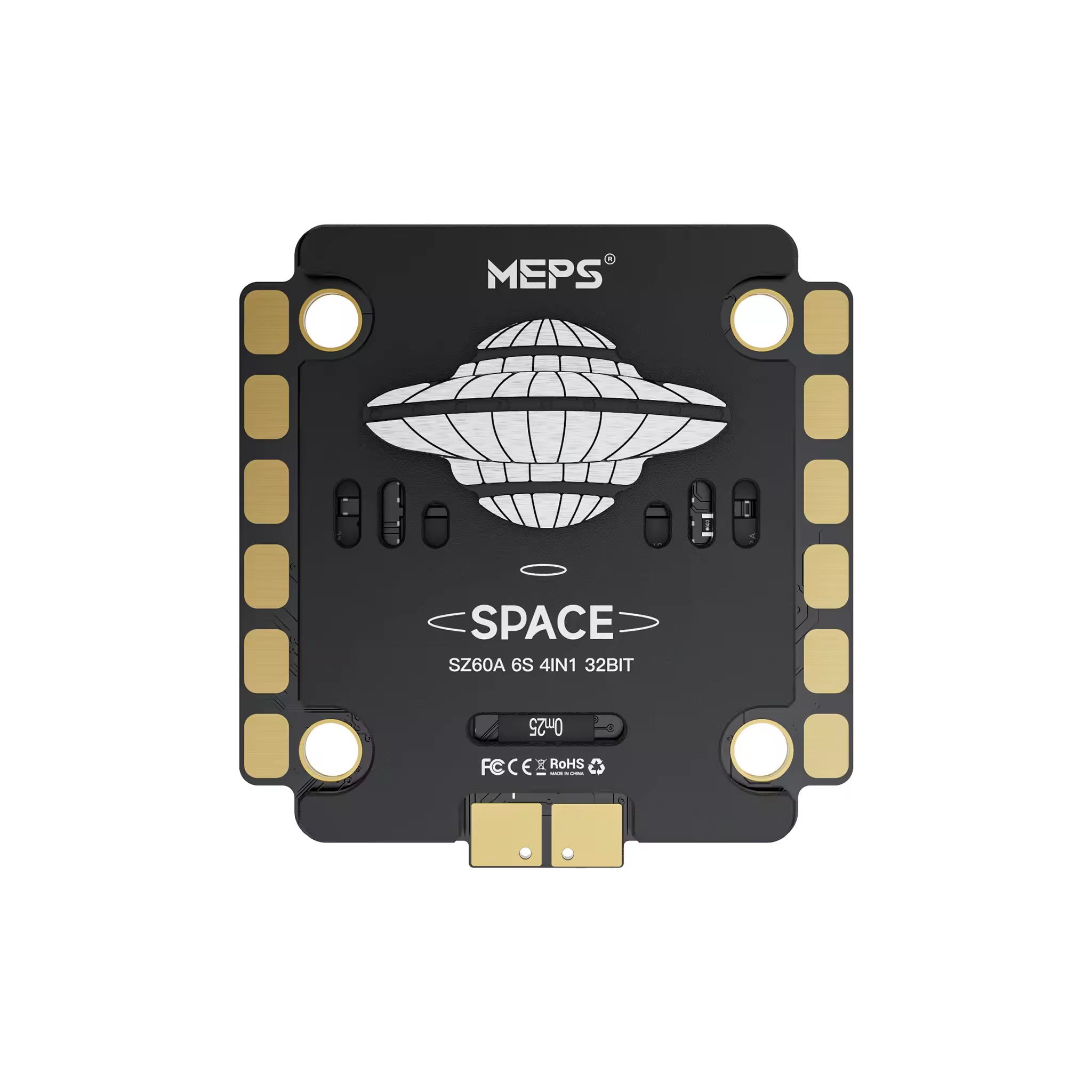
| ESC (Electronic Speed Controller) | Controls motor speed based on flight controller commands |
| FPV Camera | Captures live video from the drone |
| Video Transmitter (VTX) | Sends the video signal to FPV goggles |
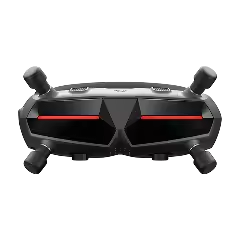
| FPV Goggles / Monitor | Allows the pilot to see the live video feed |
| Radio Receiver | Receives control signals from the transmitter |
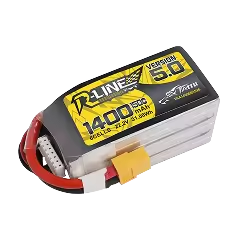
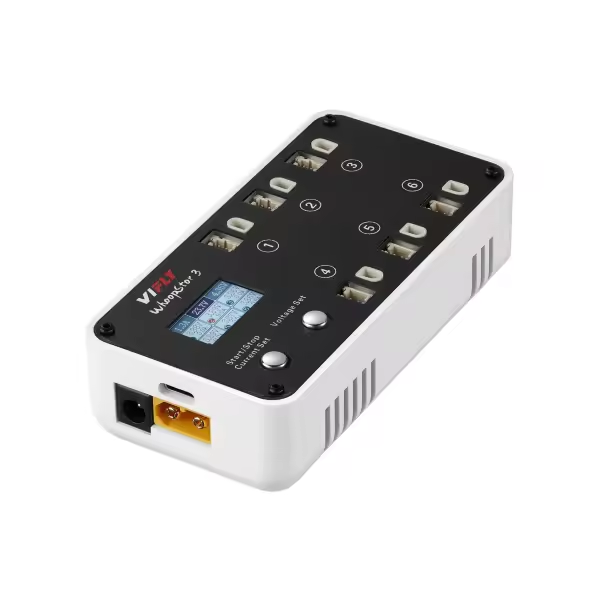
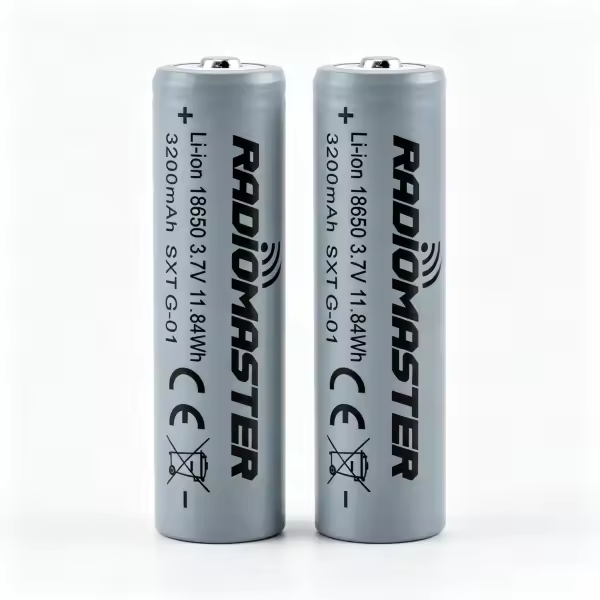
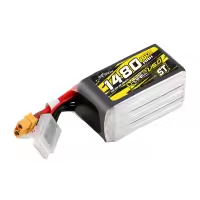
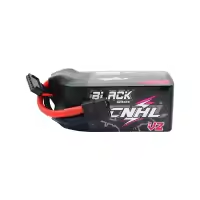
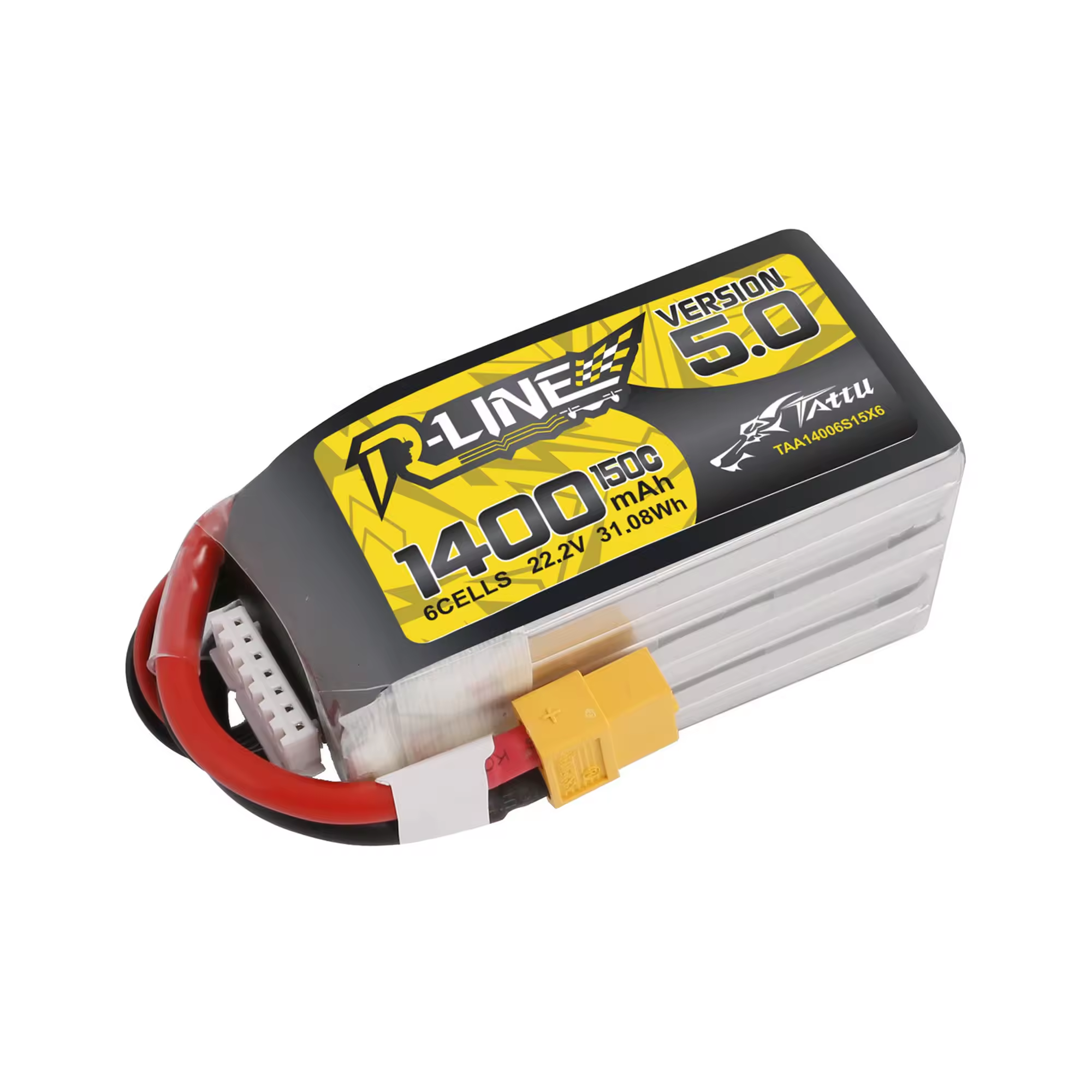
| Battery (LiPo) | Supplies power to the drone |
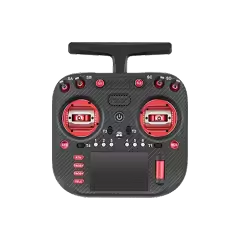
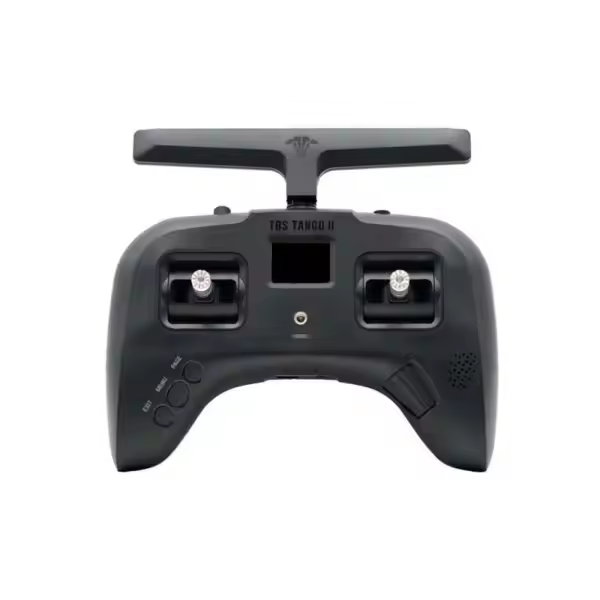
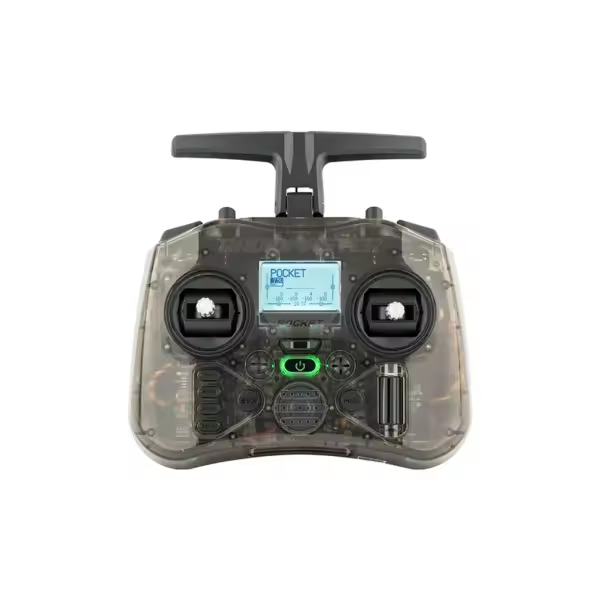
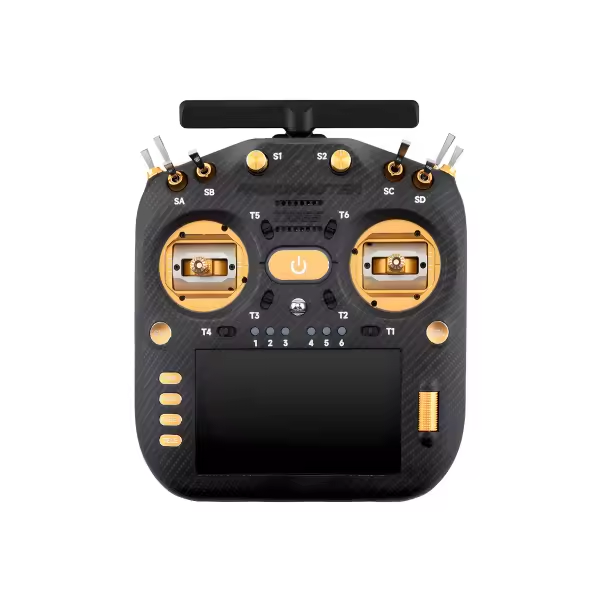
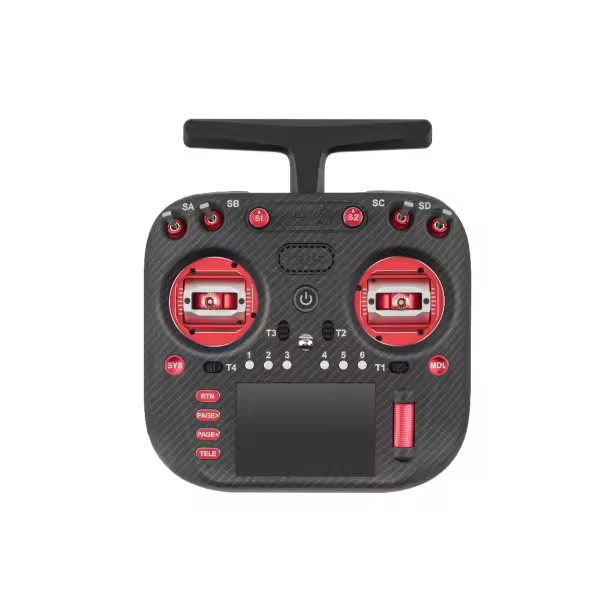
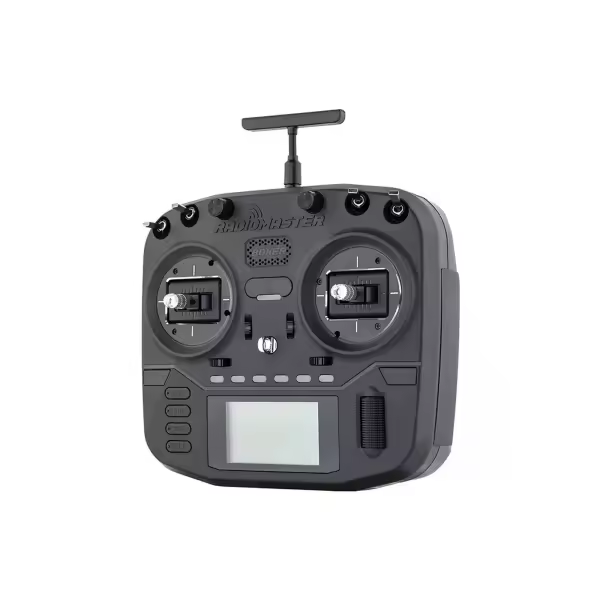
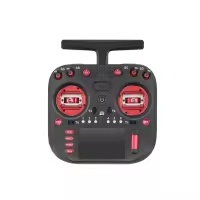
| Radio Controller | Wirelessly sends your commands to fly and control the FPV drone |
These FPV parts must be compatible with each other to ensure stable flight performance and safe operation.
Choosing the Right FPV Parts for Your Build
When selecting FPV drone components, experienced pilots consider several factors:
● Drone size (2 inch, 3 inch, 5 inch, or 7 inch builds)
● Flight style (freestyle, racing, cinematic, or long-range)
● Compatibility between components such as motors, ESCs, and batteries
● Weight and efficiency for better flight time and control
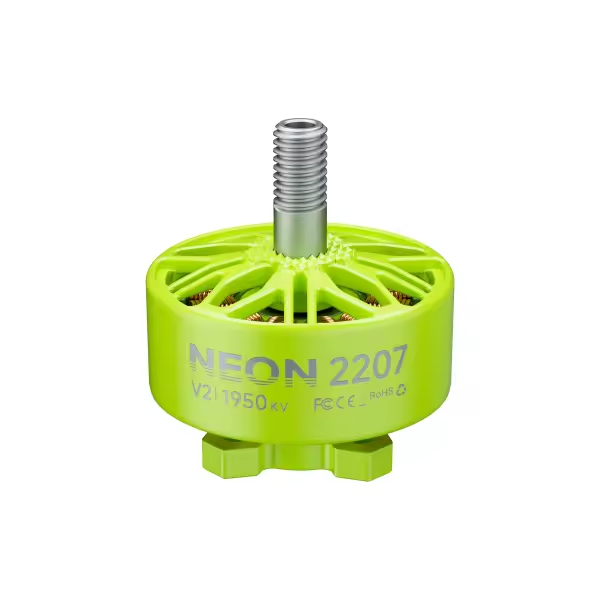
For example, a 5-inch freestyle drone typically uses 2207 motors, a 45–60A 4-in-1 ESC, and an F405 or F7 flight controller.
Typical FPV Drone Setup by Drone Size
The exact FPV drone components you need will vary depending on the drone size and flying style.
| Drone Size | Typical Components |
|---|---|
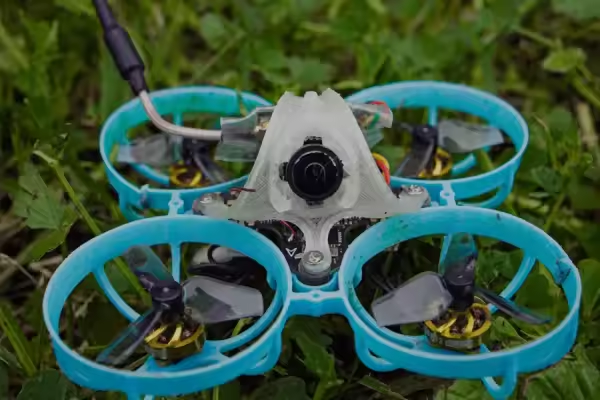
| 2–3 inch micro drone | Lightweight frame, 1103–1404 motors, AIO flight controller |
| 3–4 inch freestyle drone | 1404–1804 motors, 20x20 stack, compact FPV camera |
| 5 inch FPV drone | 2207 motors, 30x30 FC + 4in1 ESC, HD FPV system |
| 6–7 inch long-range drone | 2407–2806 motors, F7 flight controller, GPS module |
For most pilots, the 5-inch FPV drone is the most popular platform because it offers the best balance of power, durability, and flight time.
FAQ – FPV Drone Parts
Q: What parts are needed to build an FPV drone?
A: To build an FPV drone, you need several essential FPV drone parts, including a frame, motors, propellers, flight controller, ESC, FPV camera, video transmitter (VTX), radio receiver, and a LiPo battery. These FPV drone components work together to provide power, flight control, and real-time video transmission.
Q: Can I build an FPV drone from separate parts?
A: Yes, many pilots prefer building drones using individual FPV parts rather than buying a ready-to-fly model. Building your own drone allows you to customize performance, choose higher-quality components, and upgrade parts such as motors, ESCs, or cameras based on your flying style.
Q: Are all FPV drone parts compatible with each other?
A: Not all FPV parts are universally compatible. Motor size must match propeller size, ESC current rating must support the motors, and the flight controller must fit the frame mounting pattern. Ensuring compatibility between FPV drone components is essential for reliable performance.