Buying Guide: iFlight BLITZ Mini F722 E55S Stack
MEPSKING Expert Review
Based on MEPSKING’s review of the current hardware specifications, wiring documentation and exact-version owner feedback, the iFlight BLITZ Mini F722 E55S stack is best suited to pilots who need a compact 20×20mm stack without dropping to a lower-current ESC.
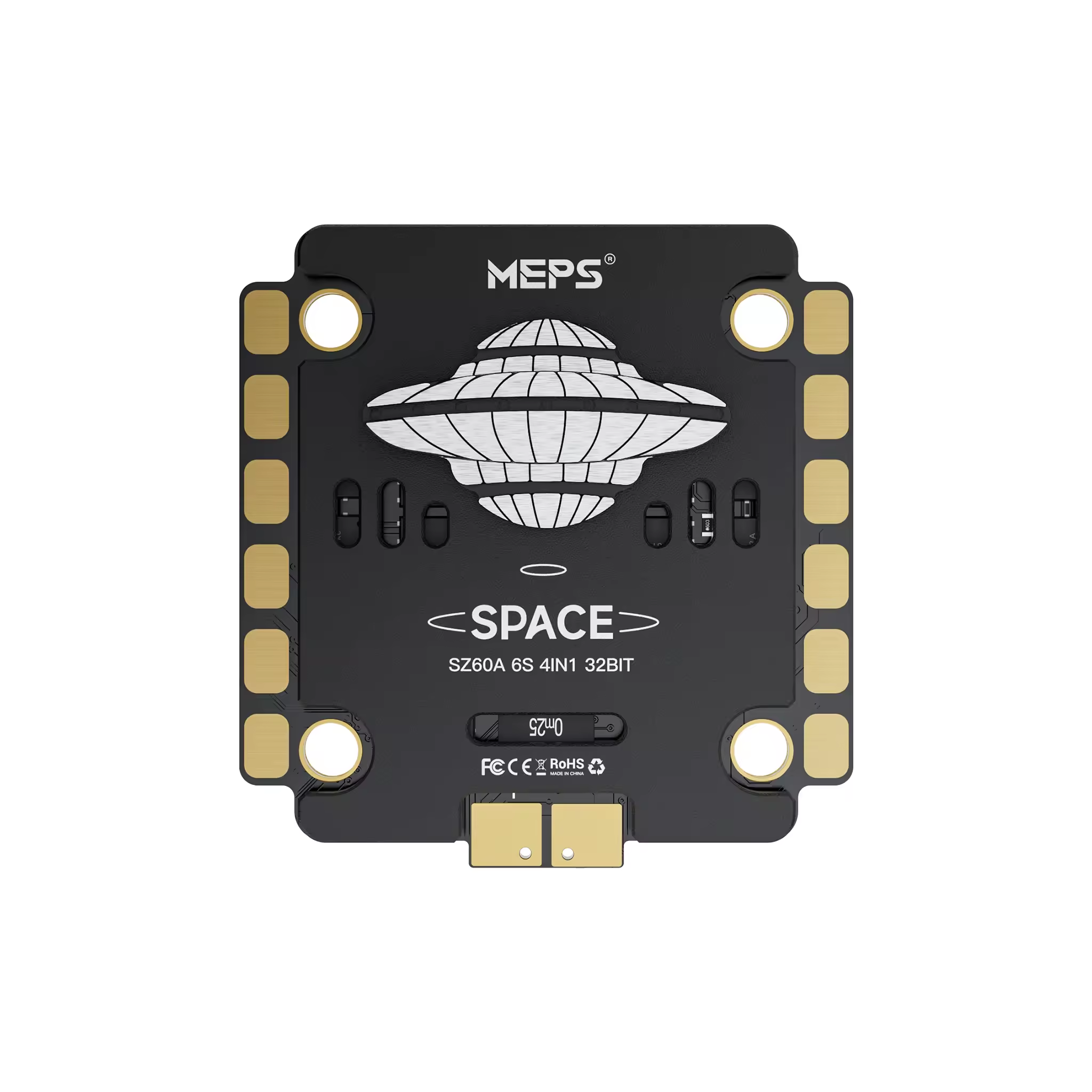
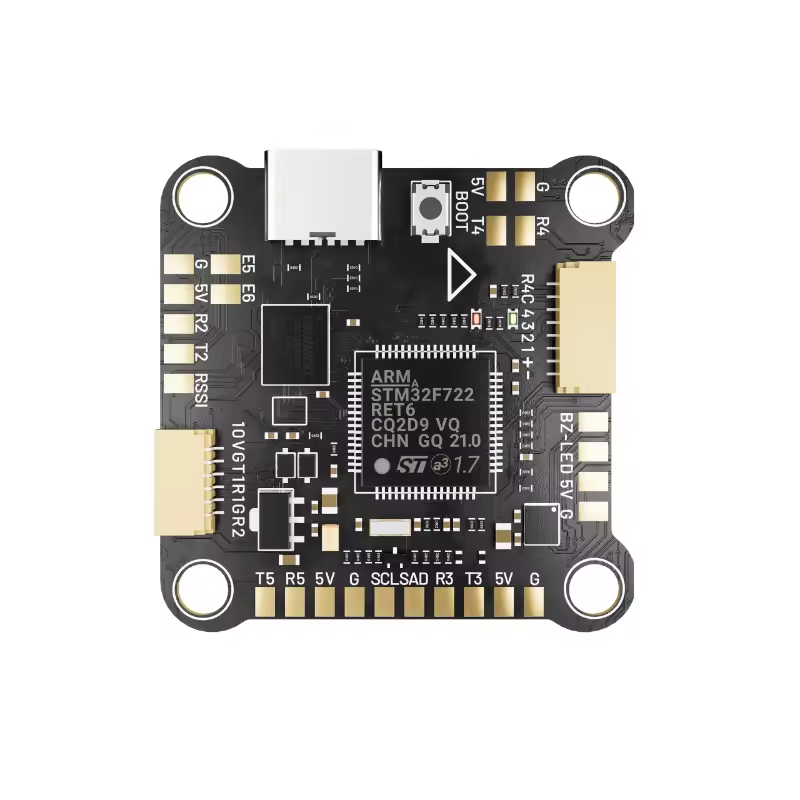
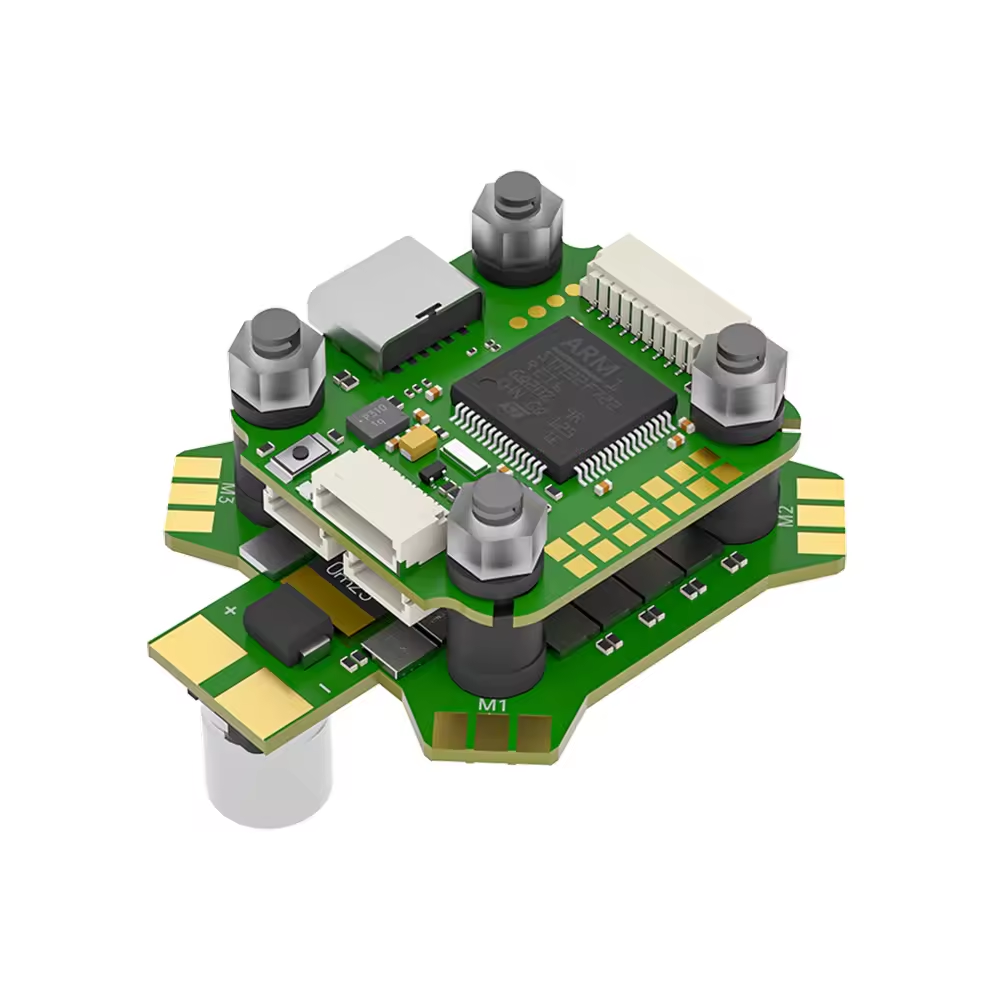
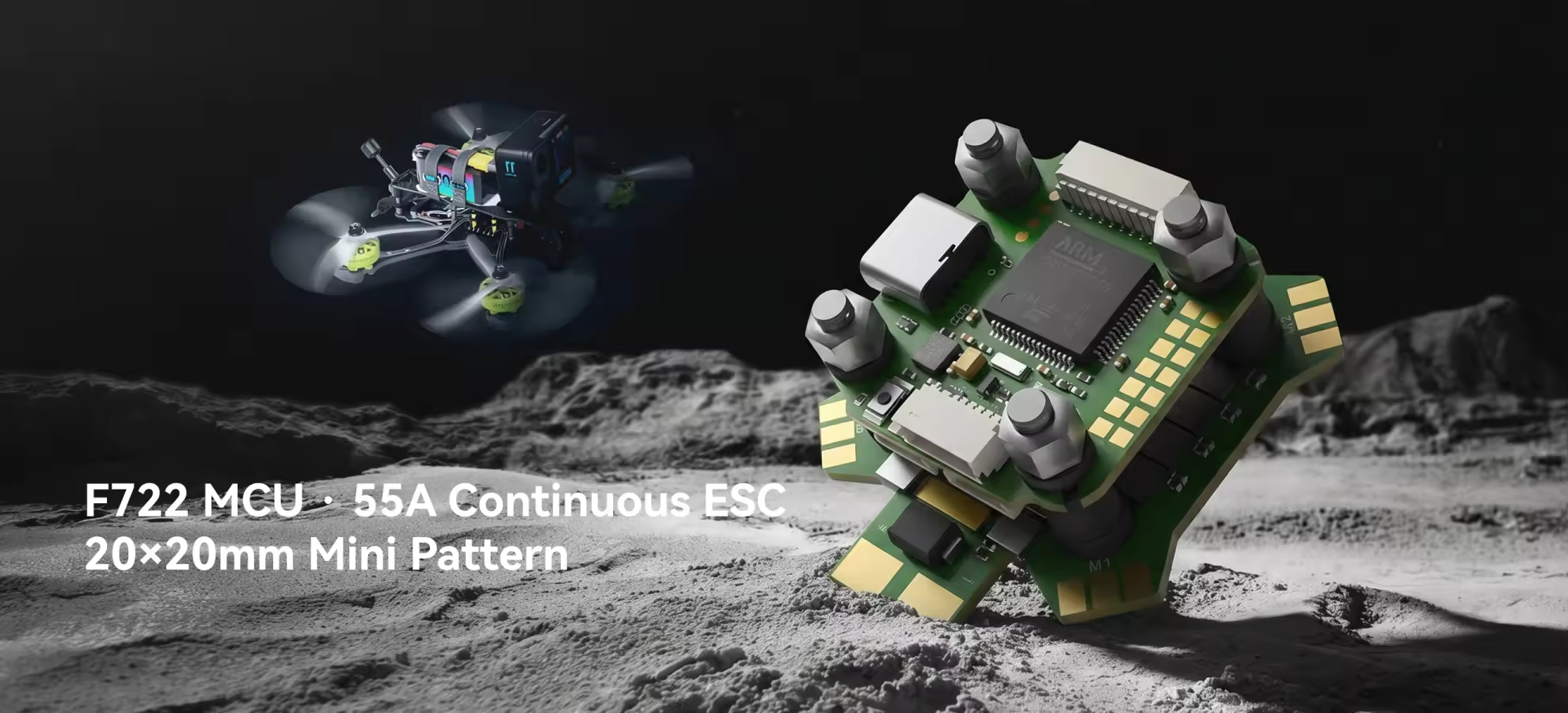
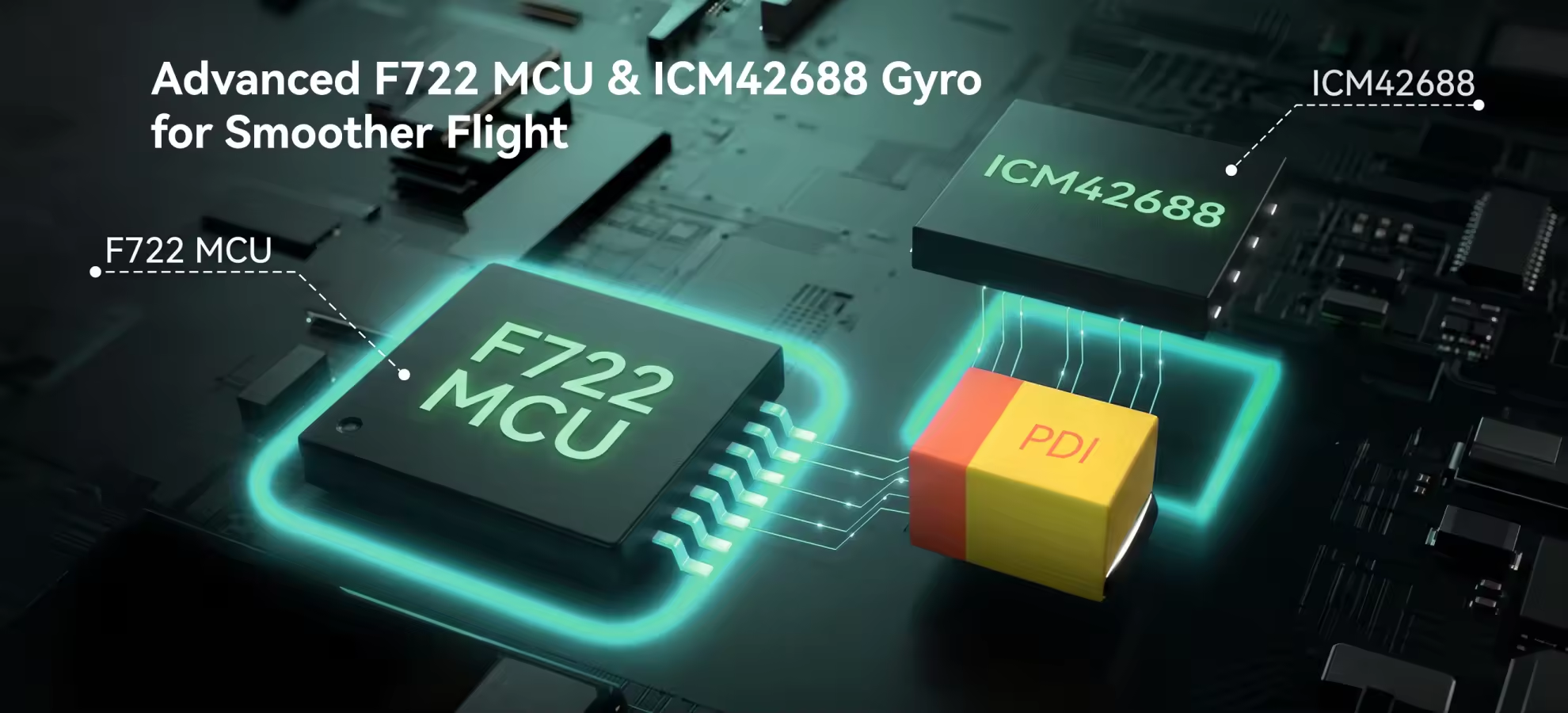
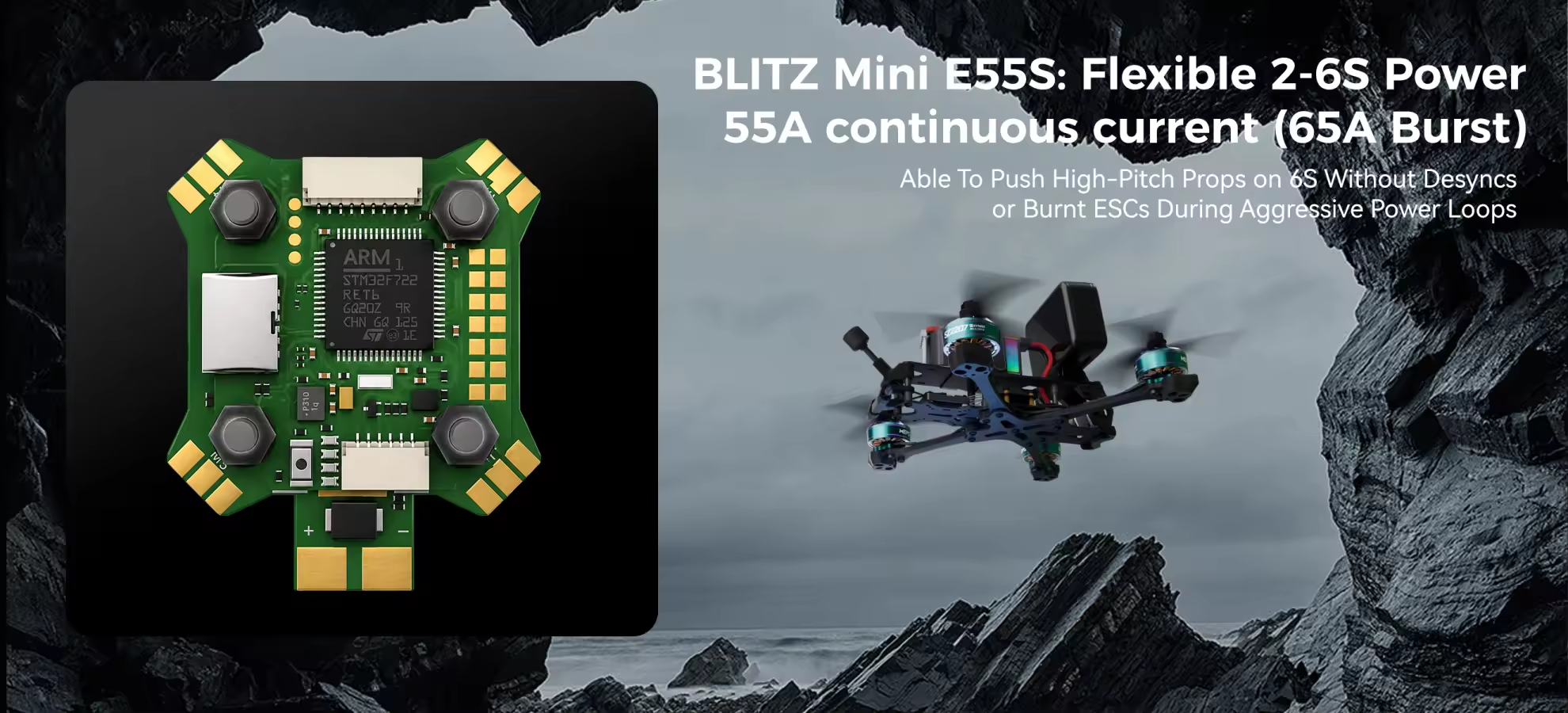
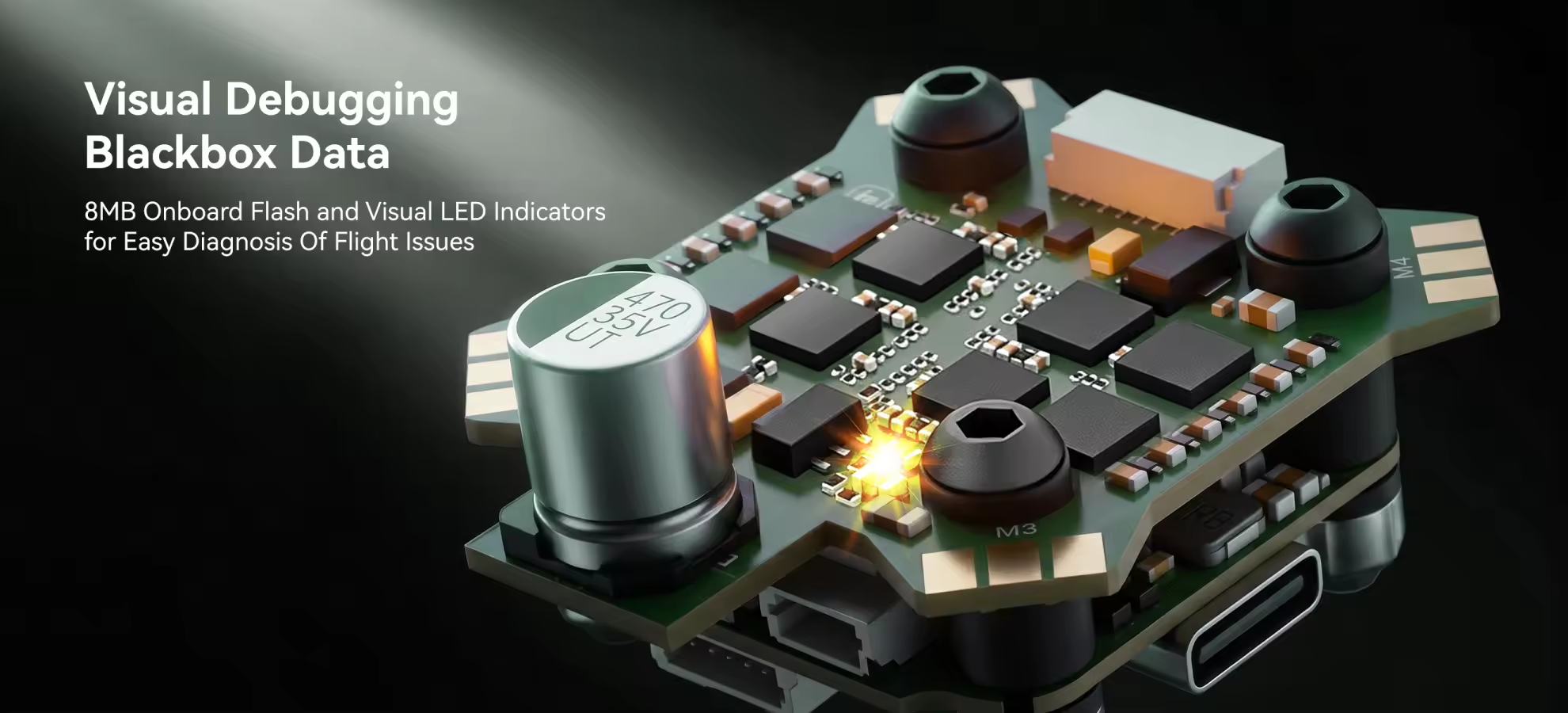
The V1.2 flight controller combines an STM32F722 processor, ICM42688 gyro, DPS310 barometer, six UARTs and 8MB of Blackbox storage. The matched Mini E55S 4-in-1 ESC supports 2–6S LiPo input and is rated by iFlight for 55A continuous and 65A burst current.
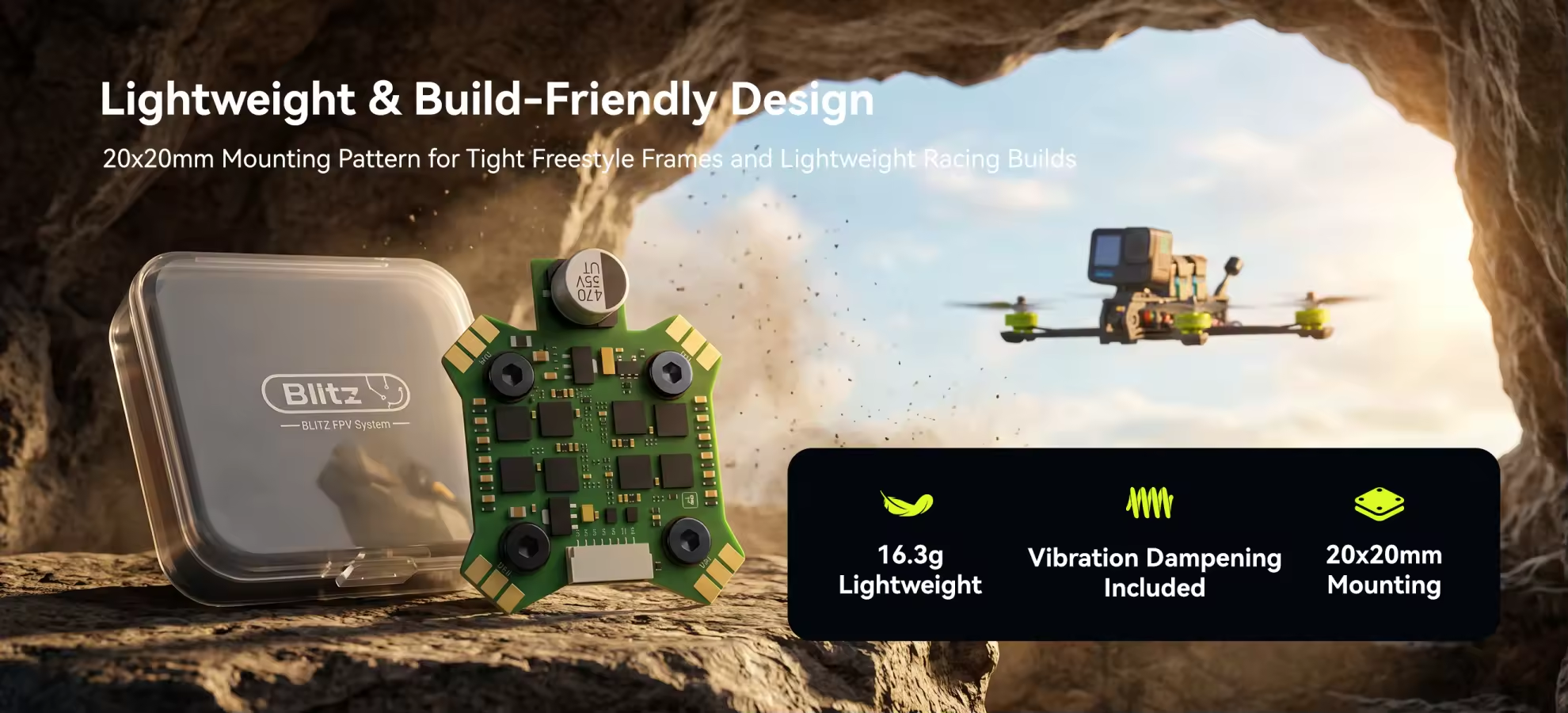
The complete stack weighs approximately 16.3g before additional cables and the external capacitor. That makes it compact enough for tight 20×20mm frames while retaining the current capacity commonly required by powerful 4-inch and 5-inch builds.
Owner feedback for the current E55S version indicates that the stack performs well once configured, although documentation and firmware identification can require more attention than on a beginner-focused stack. The hardware is therefore a stronger match for an experienced builder than for someone expecting a completely solder-free installation.
Real Build and Setup Experience
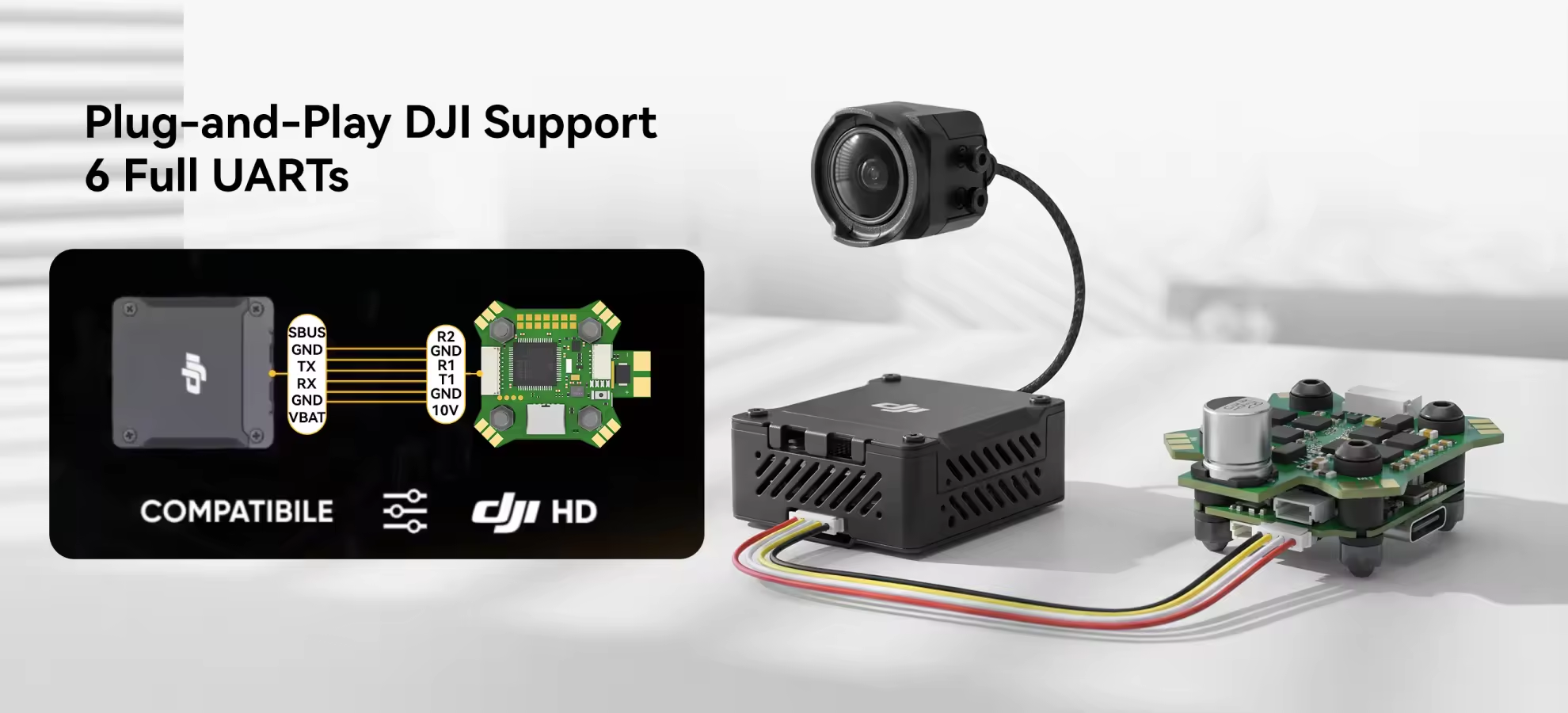
The strongest practical advantage is the combination of a small mounting pattern and six available UARTs. A builder can allocate separate serial ports to the receiver, GPS, video system and telemetry instead of sharing a limited number of ports.
The flight controller and ESC are supplied as a matched pair with a wiring harness, reducing the amount of FC-to-ESC soldering. Motor wires, battery leads, the capacitor and most external devices still require installation and configuration.
The 20×20mm mounting pattern does not guarantee that the stack fits every compact frame. Check the complete board outline, USB access, capacitor position and vertical clearance. In especially tight frames, a capacitor can interfere with a brace, air duct or side plate.
The ICM42688 gyro can produce clean flight data when the stack is mounted correctly, but an F7 processor or a particular gyro does not automatically guarantee smooth flight. Frame resonance, soft mounting, propeller condition, motor balance and Betaflight filtering remain important.
iFlight BLITZ vs MEPS AeroCore vs SpeedyBee F405 Mini
| Stack | Core Hardware | Best Reason to Buy |
|---|
| iFlight BLITZ Mini F722 E55S | F722, ICM42688, 55A, 2–6S, Bluejay, 20×20mm | Compact high-current builds and compatible iFlight repairs |
| MEPS AeroCore 20 F722 45A | F722, BMI270, 45A, 3–6S, BLHeli_32, 20×20mm | Lower-cost F7 option with a BLHeli_32 ESC |
| SpeedyBee F405 Mini 35A | F405, ICM42688P, 35A, 3–6S, BLHeli_S, 20×20mm | Bluetooth setup and easier mobile configuration |
Choose the iFlight stack when 55A current capacity, compact dimensions and compatibility with an existing iFlight build matter most. Choose the MEPS AeroCore 20 when 45A is sufficient and you prefer its BLHeli_32 ESC. Choose the SpeedyBee F405 Mini when Bluetooth setup is more valuable than maximum ESC current.
Motor and Battery Selection
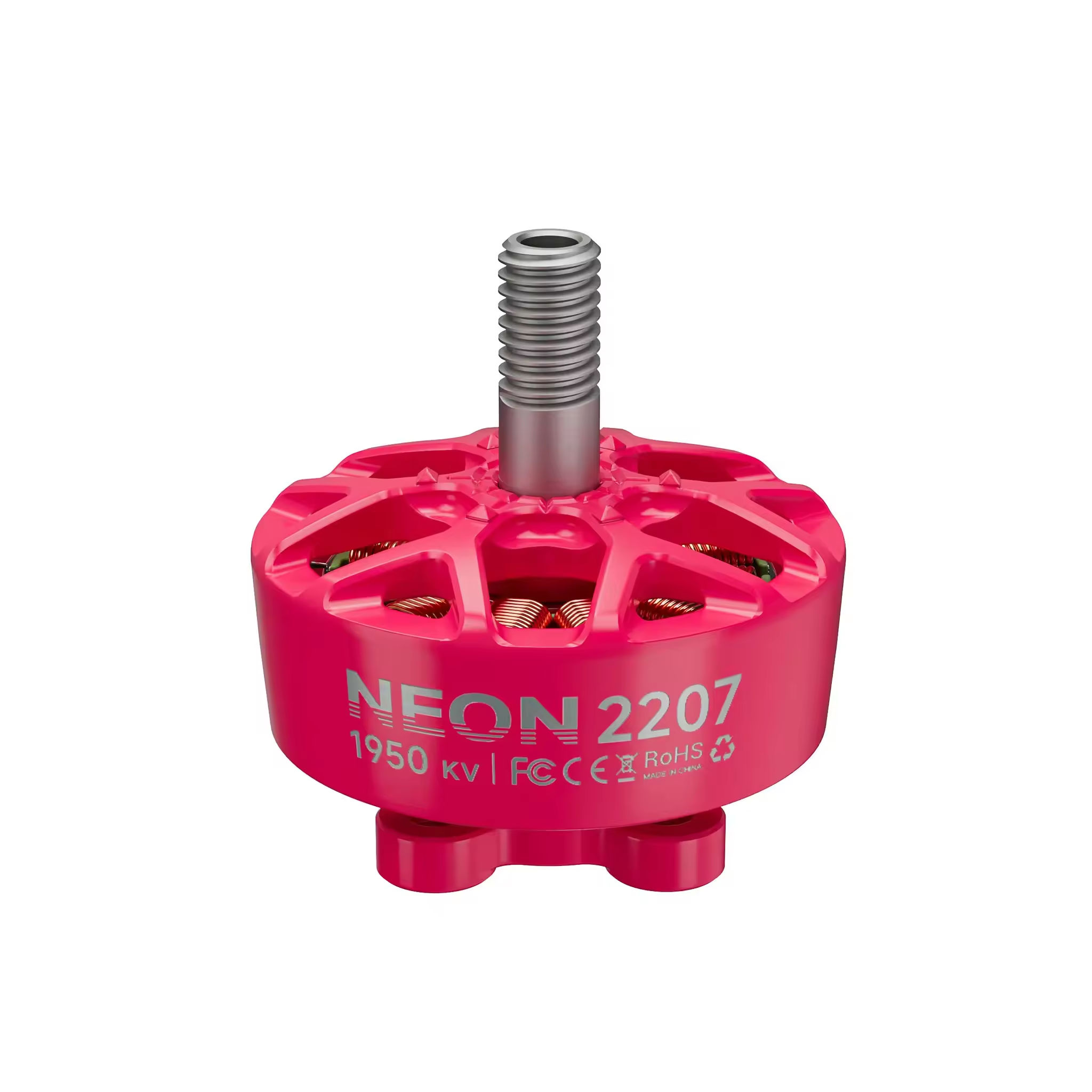
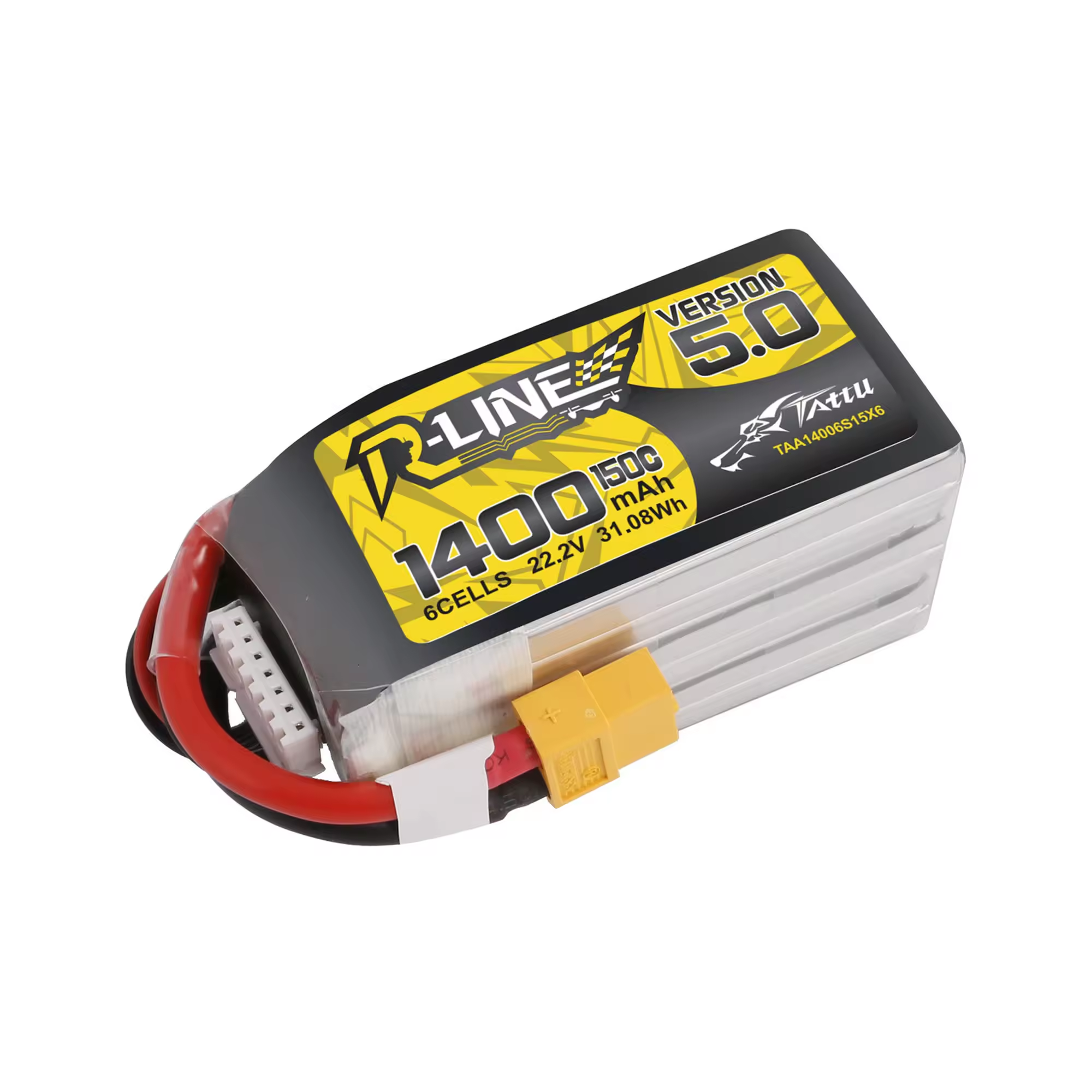
The 2–6S input range does not mean that every motor can be used with every battery. Match motor KV to the intended cell count and check the motor manufacturer’s maximum-current data for the chosen propeller.
For a conventional 5-inch 6S freestyle build, a motor around 1700–2000KV is a common starting range. A 4S 5-inch build generally uses a higher KV. These ranges are general guidance rather than universal compatibility rules.
Leave practical current headroom rather than selecting a motor and propeller combination that reaches the ESC rating on a static thrust bench. Propeller damage, blocked motors, hot weather and insufficient airflow can increase ESC stress.
Installation and Firmware Notes
1. Confirm the 20×20mm mounting pattern, board outline and USB access before soldering.
2. Install a suitable low-ESR capacitor close to the ESC battery pads, especially on a 6S build.
3. Check the FC-to-ESC harness pin order before mixing this flight controller or ESC with another brand.
4. Remove the propellers and use a smoke stopper for the first power-up.
5. Back up the original Betaflight configuration before updating firmware. The current FC target is IFRC-IFLIGHT_BLITZ_F722.
6. The current E55S is a BLHeli_S/Bluejay ESC, not the older BLHeli_32 E55. Read the detected ESC target before flashing and do not select firmware solely from a product photo.
7. Verify motor order, motor direction, receiver failsafe and current-sensor calibration before the first flight.
Final Purchase Recommendation
Buy the iFlight BLITZ Mini F722 E55S stack when you need a 20×20mm F7 stack for a powerful 4-inch or 5-inch FPV build, want six UARTs and require more current headroom than a 35A mini ESC provides.
It is also a logical replacement for compatible iFlight Nazgul or Evoque builds already designed around the BLITZ Mini layout. Verify the board revision, mounting clearance, DJI cable pinout and firmware target before ordering or updating the electronics.
Choose SpeedyBee instead when wireless setup is the priority, or compare more alternatives in the 20×20 FPV stack comparison guide.



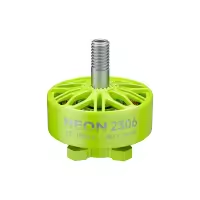 MEPS NEON 2306 V2 High-Efficiency Brushless Motor for 5'' Freestyle FPV Drone1950KV / Fluorescent Green$10.99
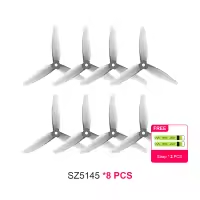 MEPS SZ5145 3-Blade FPV Drone Propeller for 5-inch Drones LightweightClear Grey / 8PCS$4.90










 Verified