

Propellers
Price
$
$

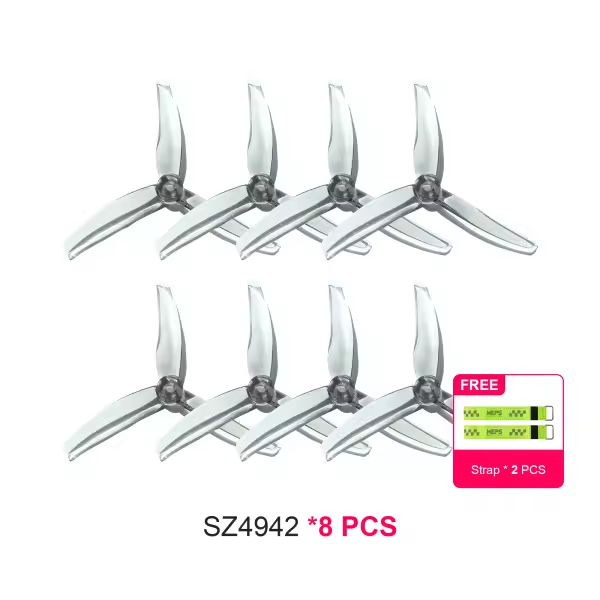

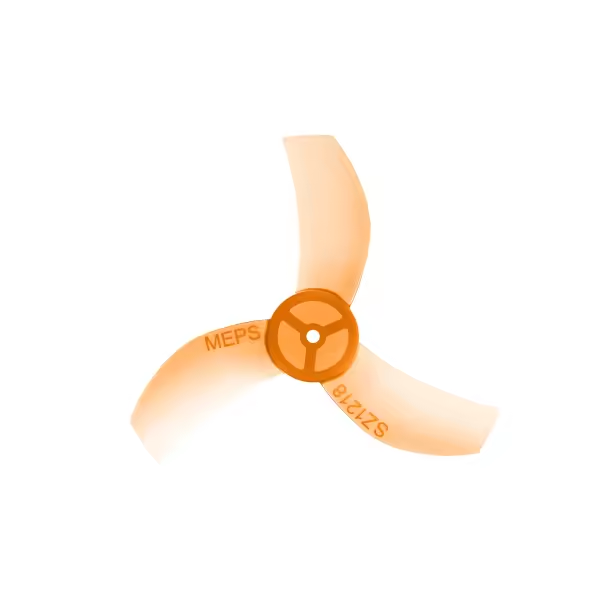
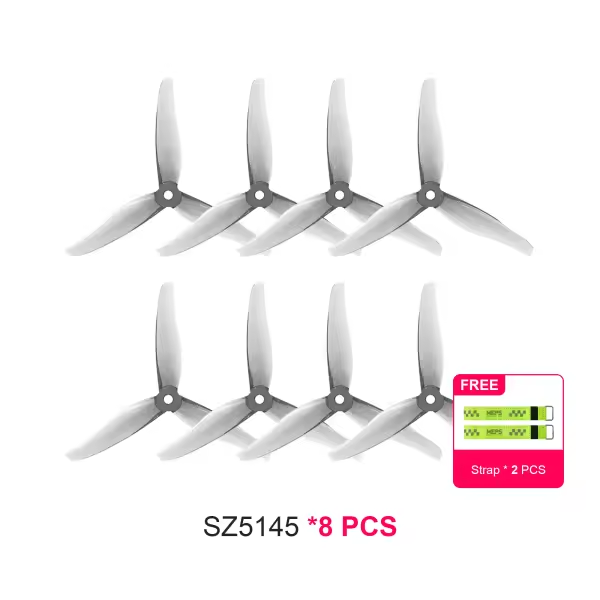
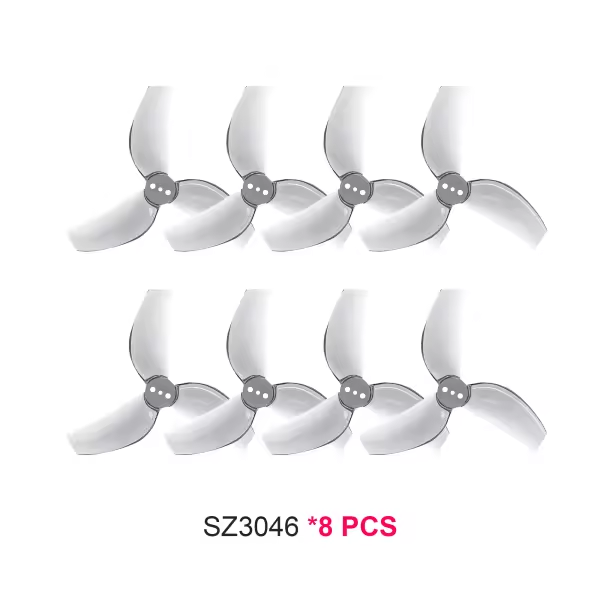
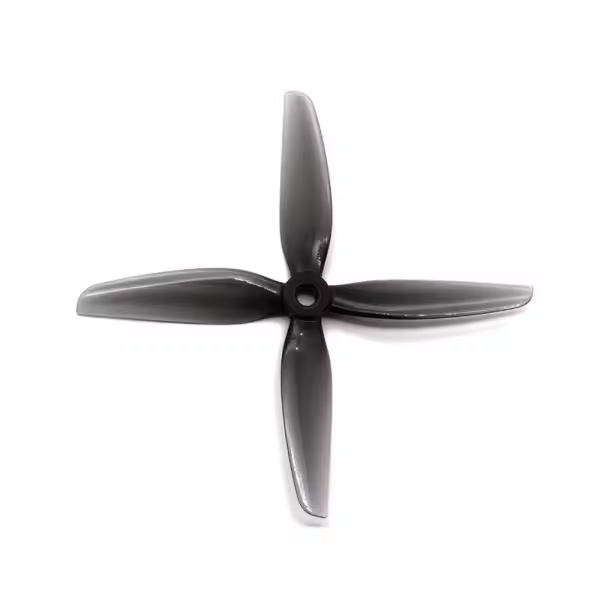
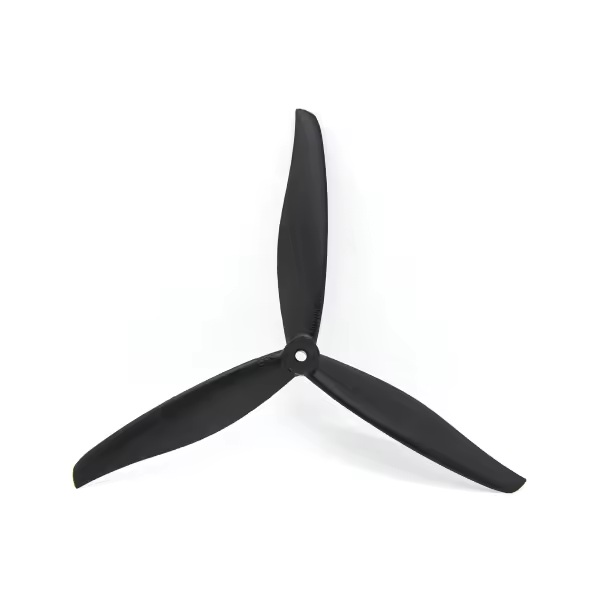
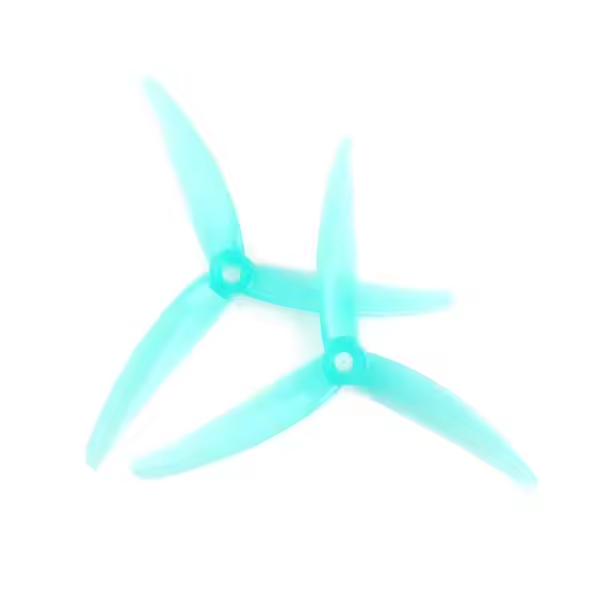
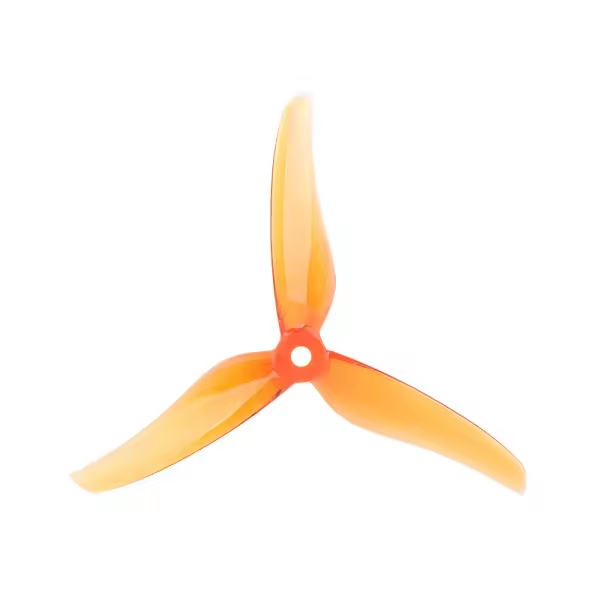
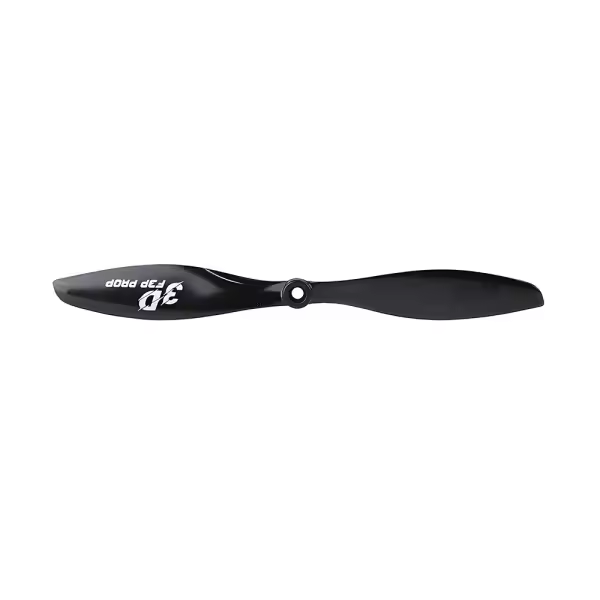
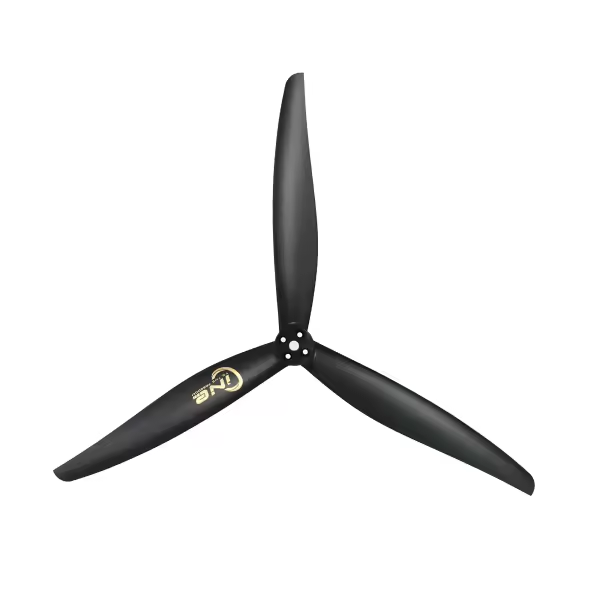
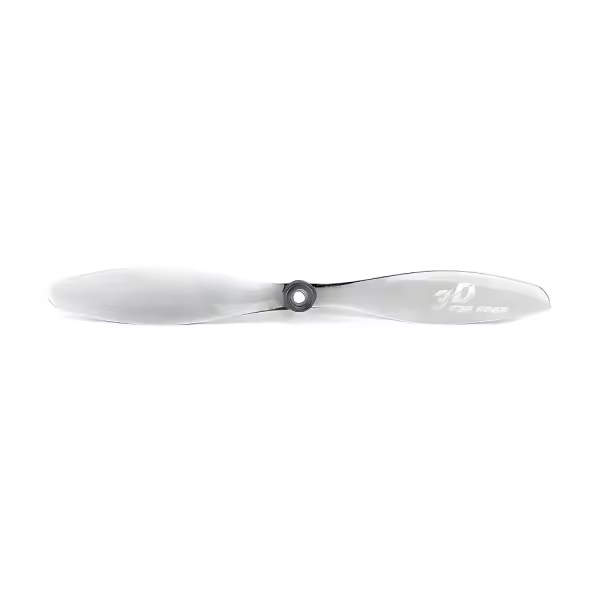
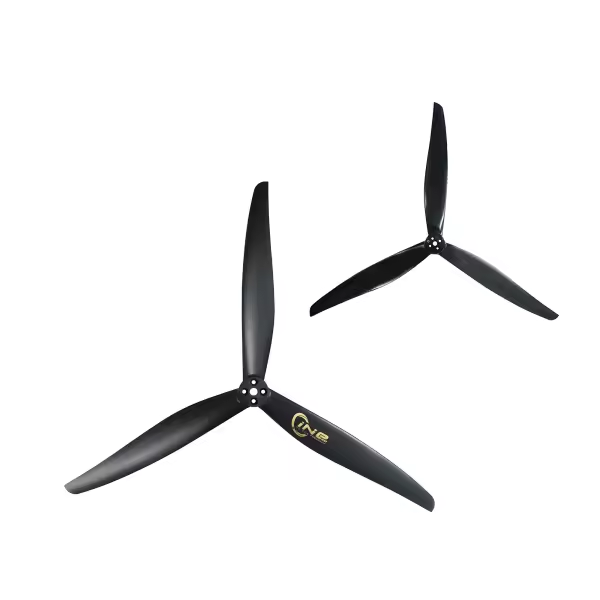
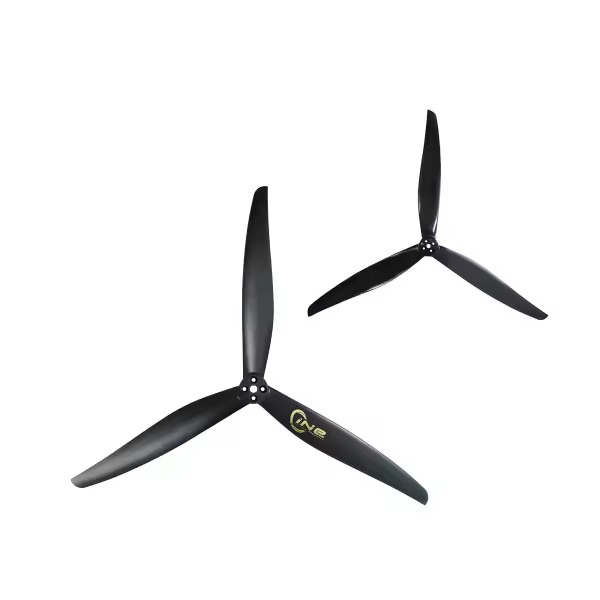
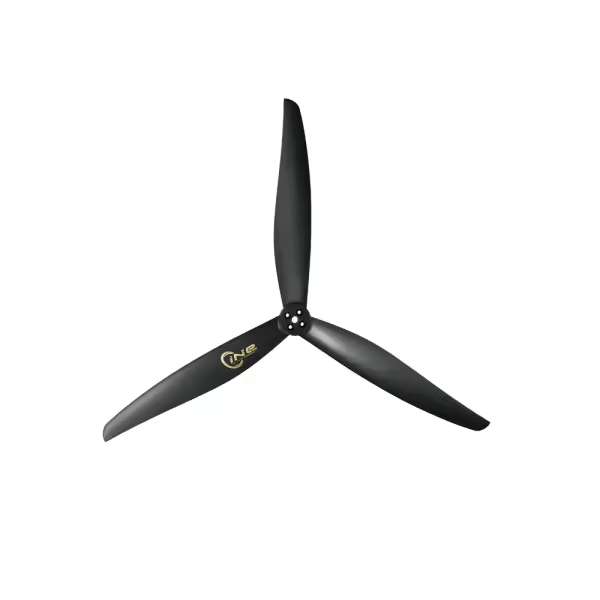
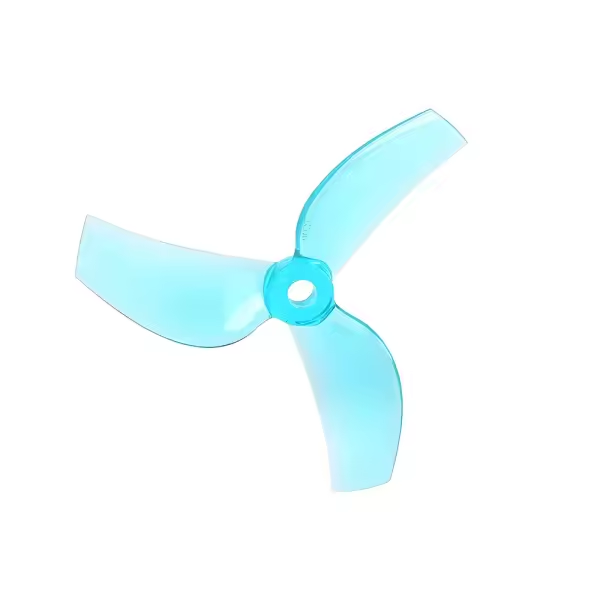
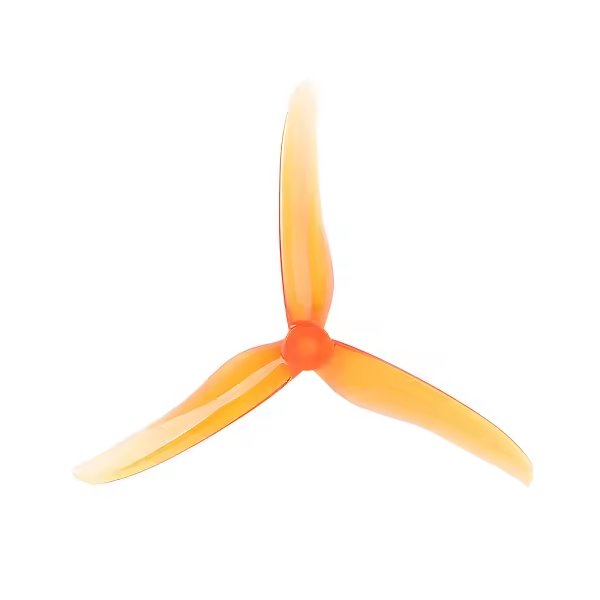
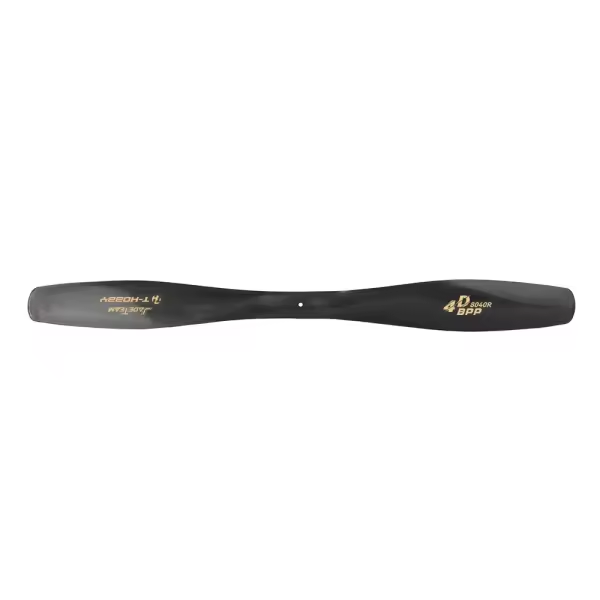

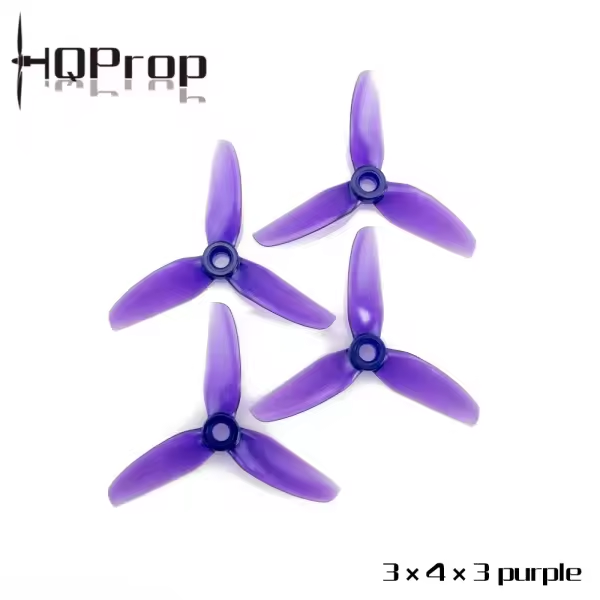
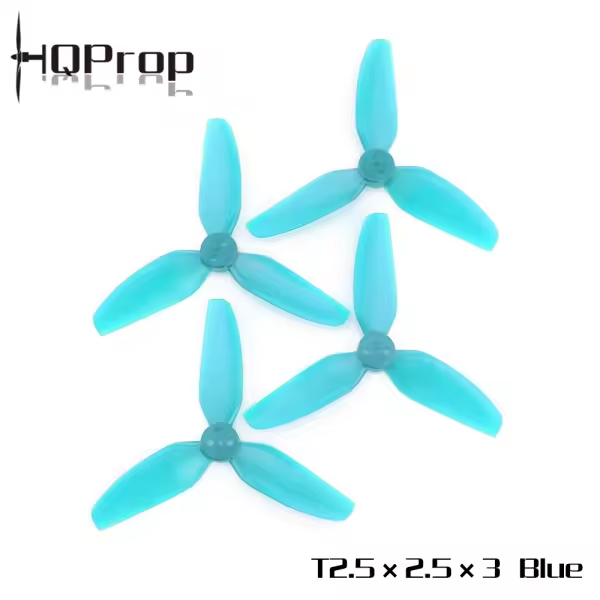
FPV Drone Propellers – Essential Props for Performance and Control
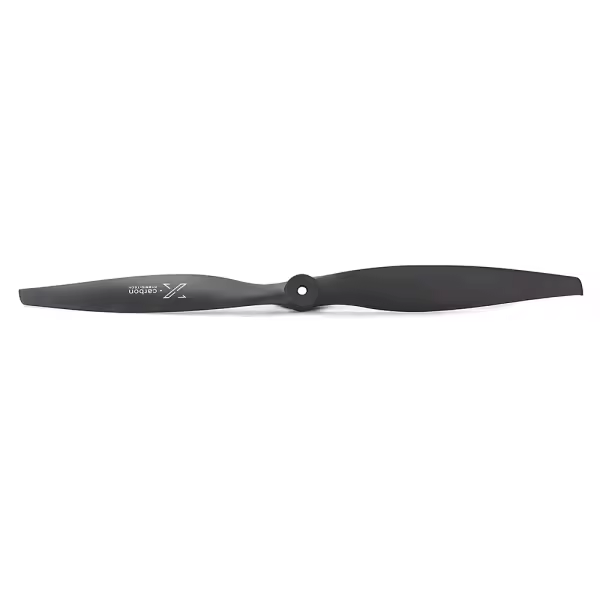
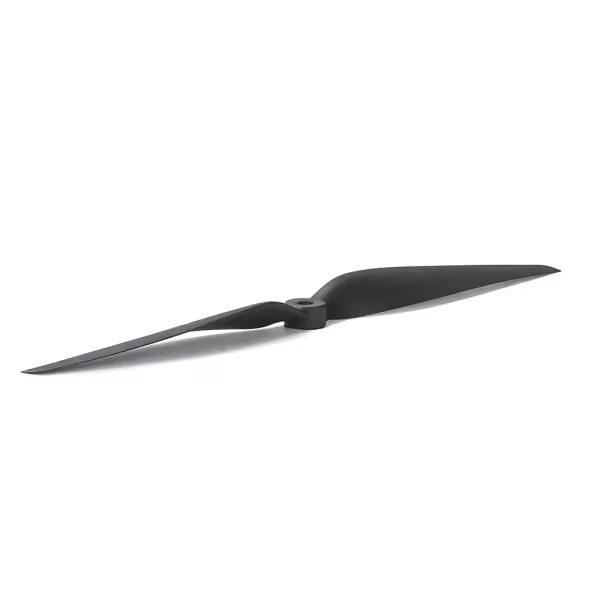
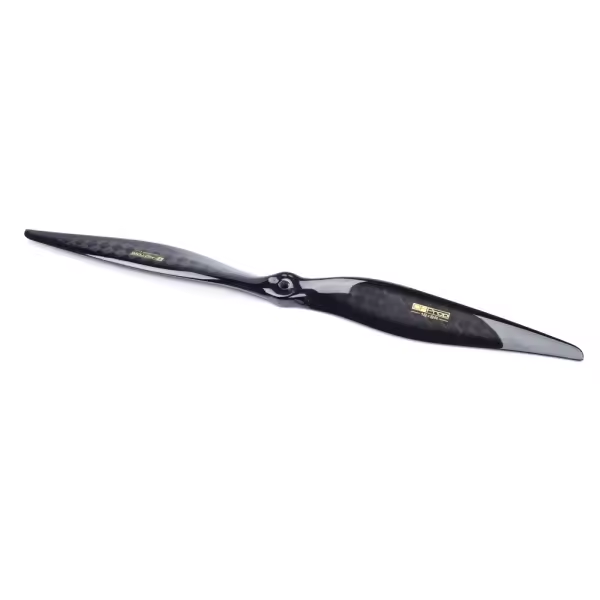
FPV drone propellers spin to push air downward, converting the rotational power of the motors into thrust that lifts and moves the drone through the air. For FPV pilots, choosing the right FPV propeller has a major impact on flight performance. Propeller size, pitch, and blade count all influence thrust, efficiency, responsiveness, and overall flight feel. Matching the correct props with your motors and drone frame ensures smooth throttle control and reliable performance in the air. Whether you fly freestyle, racing, cinematic, or long-range builds, selecting high-quality FPV drone propellers is one of the easiest ways to fine-tune how your drone flies. If you want to know more about FPV drone propellers, click here Choose the most suitable propellers for your FPV drone.
How to Choose the Right FPV Drone Propellers
FPV Propeller Size
FPV propellers are usually labeled using a diameter × pitch format. For example, the MEPS SZ5145 propeller has a 5.1-inch diameter and a 4.5-inch pitch.
Propeller size mainly refers to the diameter of FPV drone props.
Larger diameters generally mean:
● more thrust
● higher stability
● greater motor power and battery demands
The right propeller size must be carefully matched with your drone's power system.
Recommended Propellers by Drone Size
Below are the typical propeller sizes matched with motors and frames:
| Frame Size | Prop Size | Motor Range | Typical Use Case |
|---|---|---|---|
| 65mm Tinywhoop | 31mm (1.2″) | 0702–0802 (1S) | Indoor / super light micro |
| 75mm Tinywhoop | 40mm (1.6″) | 0802–1103 (1–3S) | Indoor / outdoor whoop, beginner cine |
| 100–120mm | 2″–3″ | 1103–1404 | Micro freestyle / ultralight long range |
| 140mm | 3.5″ | 1404–2004 | Cinewhoop, sub250g builds |
| 160mm | 4″ | 1507–1805 | Lightweight long range |
| 210mm | 5″ | 2207–2306 | Freestyle / Racing / Cinematic |
| 240mm | 6″ | 2208–2507 | Long range / endurance |
| 280mm | 7″ | 2507–2806.5 | Heavy long range builds |
| 300mm+ | 8″–15″ | 2808–3214+ | Endurance, LR, heavy lift, cinematic rigs |
FPV Propeller Pitch
Propeller pitch represents the theoretical distance a propeller would travel forward in one rotation.
Higher Propeller Pitch (e.g. 4.5–5 inches):
● Moves more air per rotation.
● Produces larger thrust.
● Enables faster speed.
● Increases power consumption.
Lower Propeller Pitch ( e.g. 3–3.5 inches):
● Moves less air per rotation.
● Puts less strain on motors and battery.
● Provides smoother and more responsive flight.
Blade Count
The more blades a propeller has, the more thrust it generates, but also the more drag it produces.
● 2-blade props are lightweight, highly efficient, and offer sharp responsiveness—great for racing and freestyle.
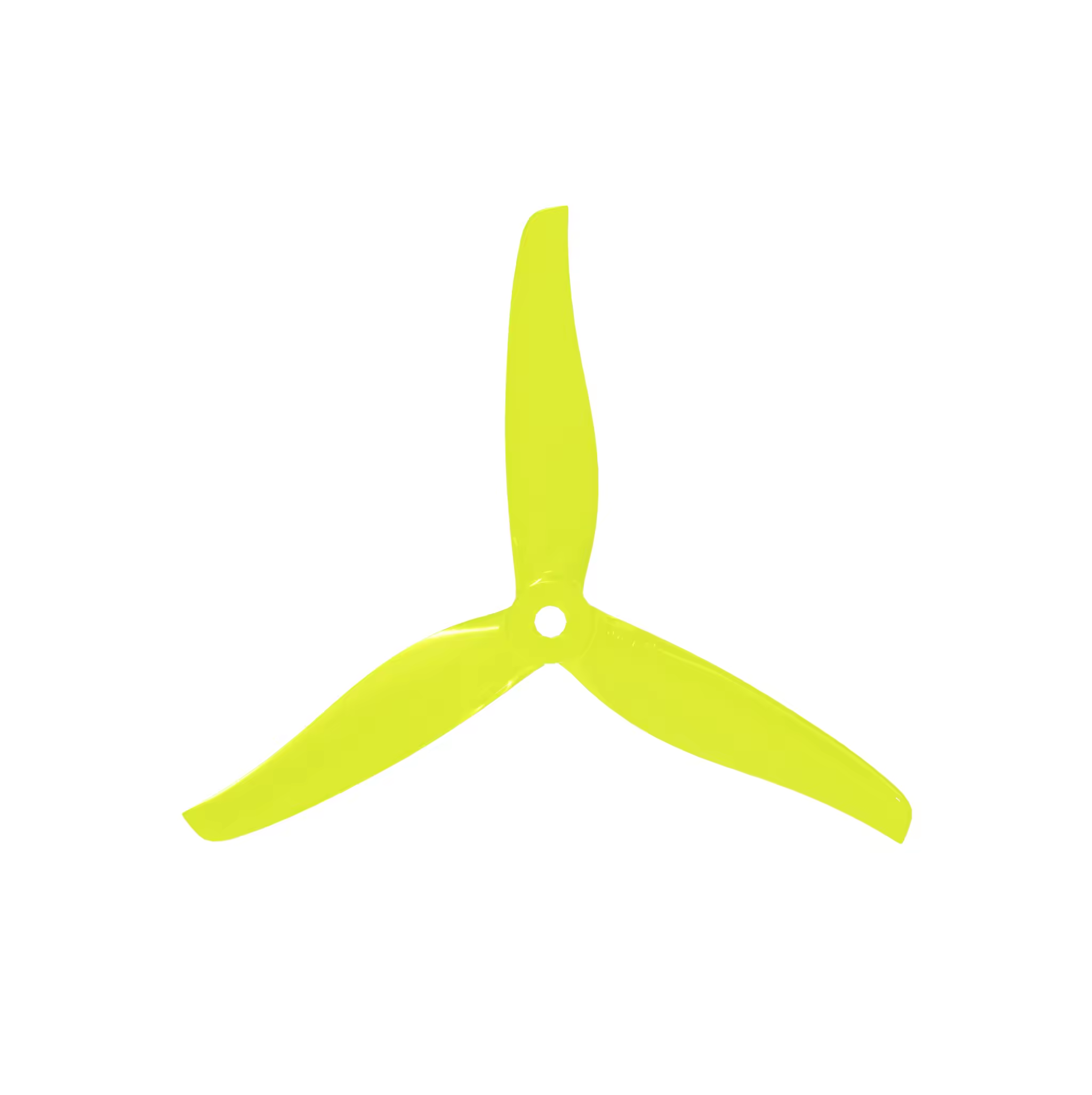
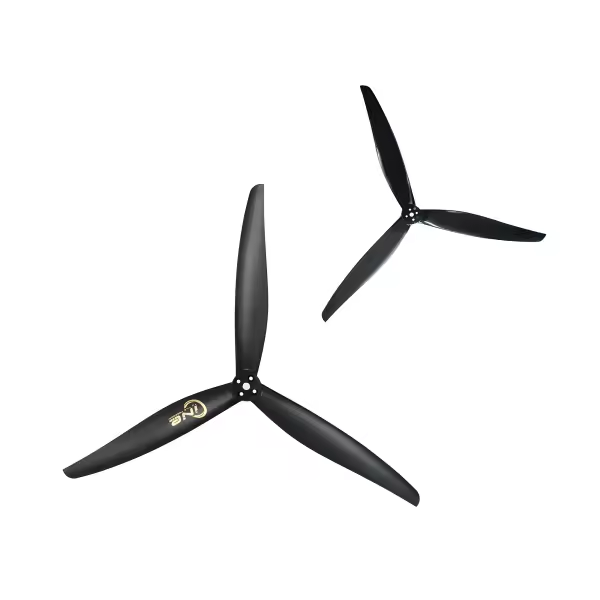
● 3-blade props provide a balance between efficiency and stability, offering smoother flight with slightly more thrust.
● 4-blade or more props generate maximum thrust and stability, ideal for carrying heavier cameras or filming cinematic shots.
FPV Propeller Materials
Propeller materials affect a drone's durability, efficiency, flexibility, and noise.
Polycarbonate (PC):
● Most common FPV prop material
● Flexible and durable
● Excellent crash resistance
Advanced Polymer Carbon Composite:
● Strong like carbon, flexible like polymer
● High-performance, resists cracking
● Maintains efficiency
Glass Fiber Nylon:
● Strong and durable
● Good impact resistance, moderate stiffness
● Suitable for heavier or more stable setups
FPV Propeller Weight
When all other parameters remain the same, lighter propellers are preferred. They reduce the load on the motors and make the drone feel more responsive and agile.
Ideal Options for Different Flight Styles
Racing:
● 5-inch (or lighter) props
● 2-blade or 3-blade
● High pitch for maximum speed
Freestyle:
● 3-blade props
● High pitch
● Keep a balance between stability and speed
Cinematic/Filming:
● Low pitch
● 3-blade or more suitable for smooth, stable, and slow flight
Long-Range/Endurance:
● 7-inch or larger props
● Low pitch for high efficiency, low current draw, battery-saving
FAQ about FPV Drone Props
Q: Which is better 2 blade or 3 blade FPV drone?
A: A 3-blade FPV propeller offers a good balance between thrust, speed, and stability. However, if you are chasing maximum speed and efficiency, 2-blade props may be a better choice.
Q: Is a higher FPV prop pitch faster or slower?
A: A higher pitch means the propeller moves more air per rotation, resulting in greater thrust and higher speed. However, because it pushes more air, it places higher demands on the motors and battery. If the pitch is too high for your setup, it can overload the motors, reduce efficiency, and shorten flight time.
Q: What size propeller is best for my drone?
A: Propeller size needs to be carefully matched with your drone overall setups, including motors, battery, and frame. Here are some general guidance:
● Smaller drones or micro setups → 3–4 inch (or smaller) props
● Standard 5-inch racing/freestyle drones → 5-inch props
● Long-range or heavy-lift drones → 6–7 inch (or larger) props
FPV Drone Propellers – Quick Guide
Each FPV propeller has a rotation direction (CW or CCW). Install correctly to ensure thrust and stability.
How to attach props:
● Match prop rotation with motor direction.
● Secure with the correct nut or screw.
● Test rotation by hand before powering up.
Learn more: How to Attach Props to FPV Motors?