FPV Battery Charger Price Range
FPV battery chargers are available at different price points depending on charging power, supported battery types, and advanced charging features.
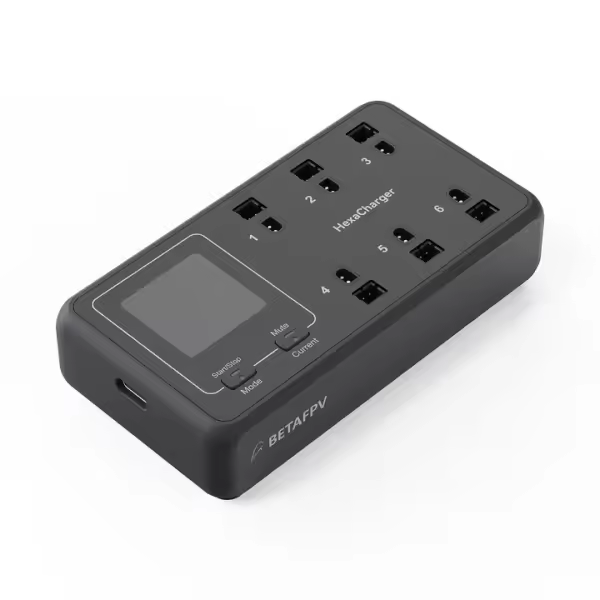
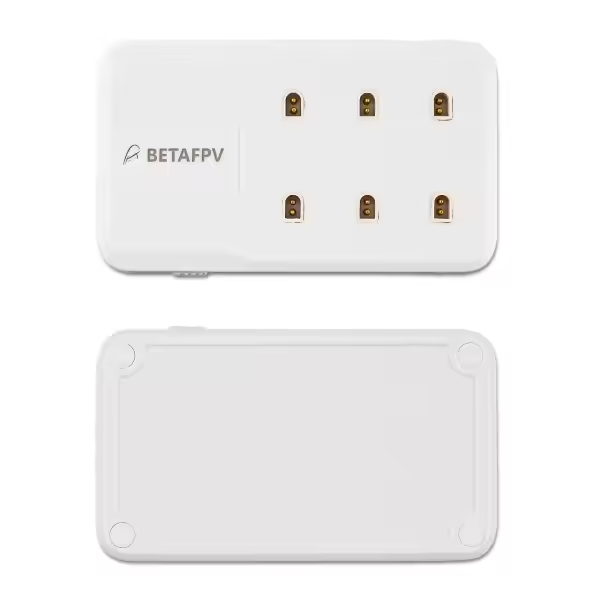
- Entry-Level Chargers ($20–$50): Ideal for beginners charging 2S–6S LiPo batteries. Compact, easy to use, and perfect for everyday FPV flying, like BETAFPV BT2.0 1S Charger
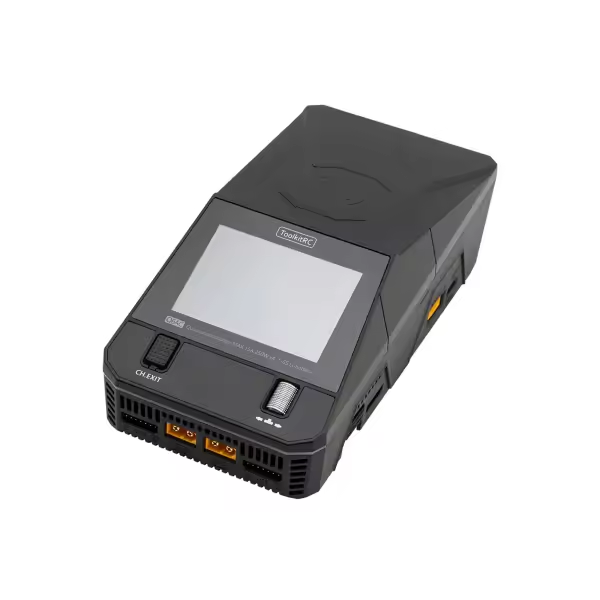
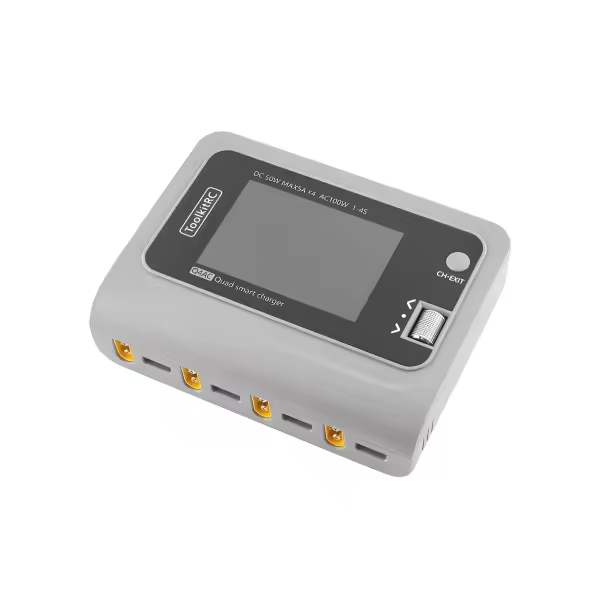
- Mid-Range Smart Chargers ($50–$120): Offer higher charging power, balance charging, storage mode, and support for multiple battery chemistries, like ToolkitRC Q4AC 1-4S 100W Smart Charger.
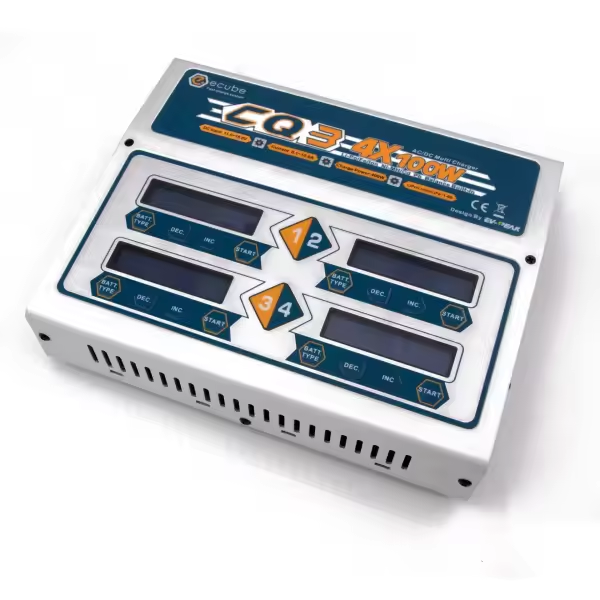
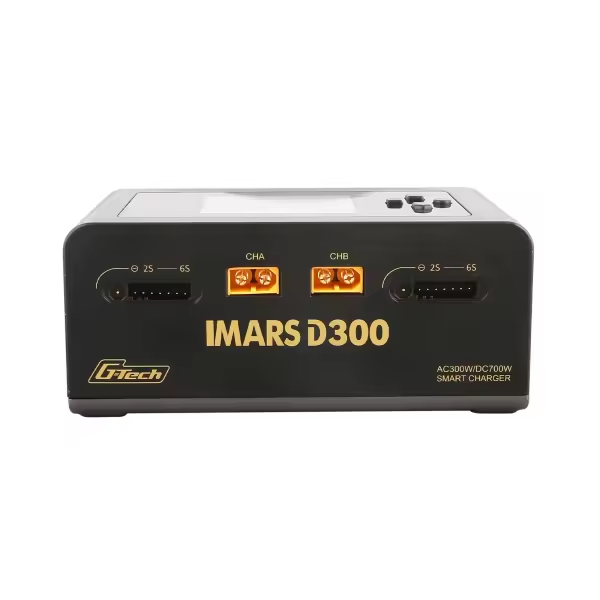
- Professional FPV Chargers ($120+): Designed for experienced pilots who charge multiple batteries regularly and require dual-channel charging, high wattage output, and advanced battery management, like EV-Peak CQ3 Multi Charger.
Top FPV Battery Charger Brands
MEPSKING carries battery chargers from trusted FPV brands that are widely used by racing, freestyle, and long-range drone pilots.
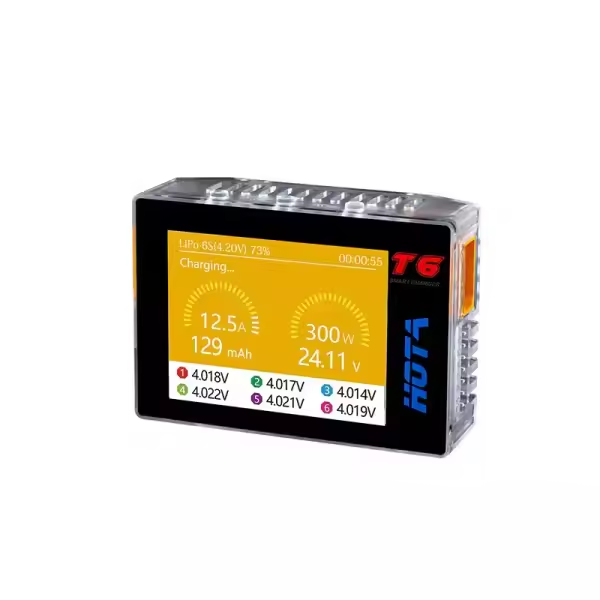
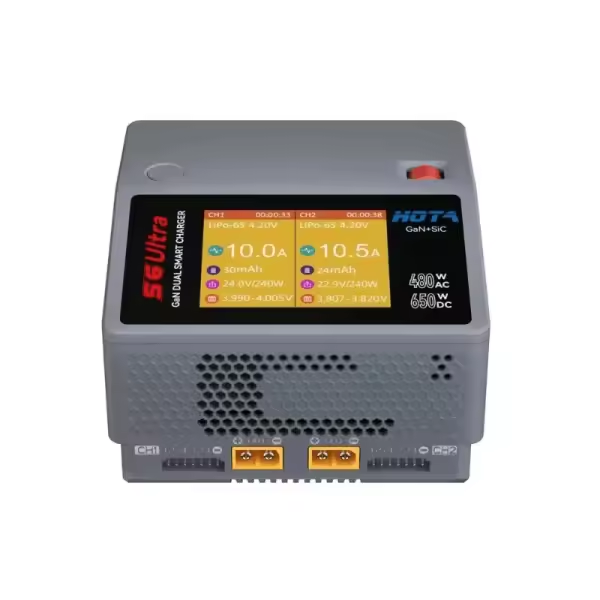
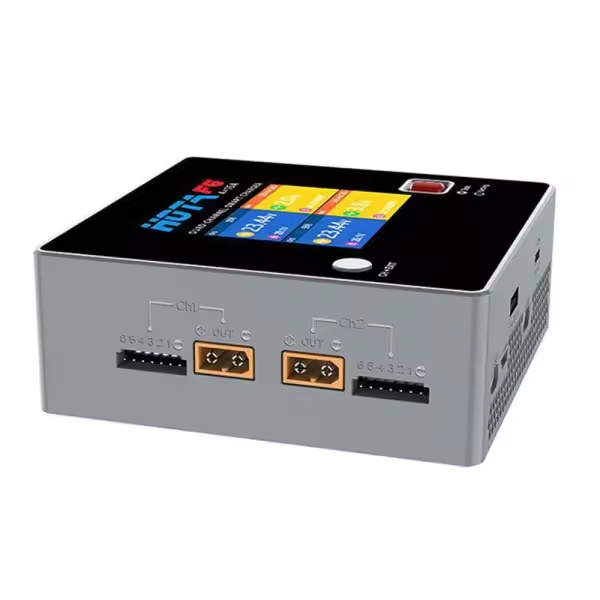
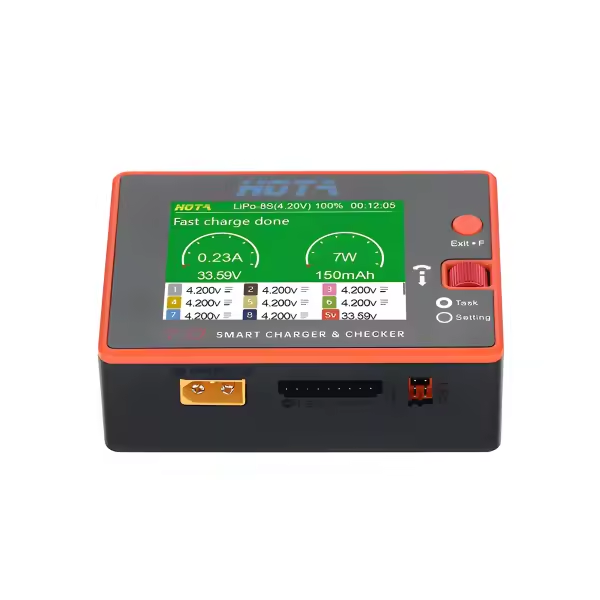
- HOTAChargers: Known for powerful dual-channel chargers, fast charging performance, and reliable balance charging.
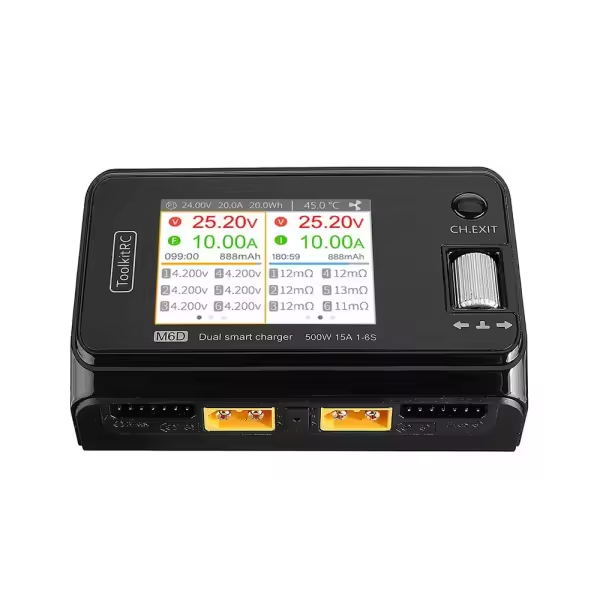
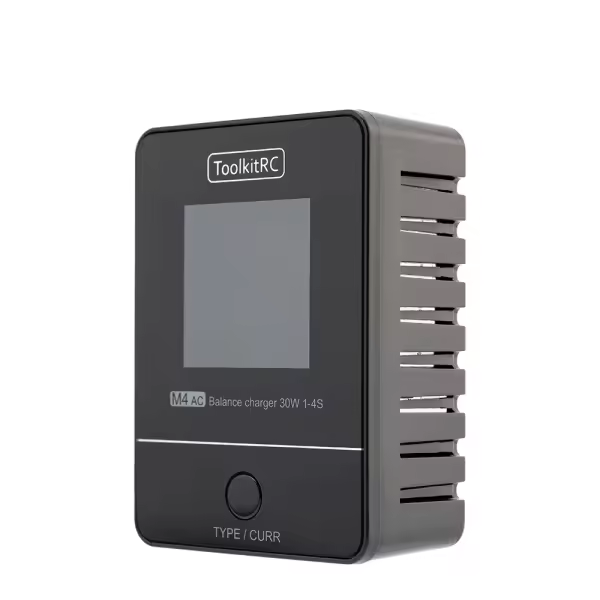
- ToolkitRCChargers: Compact smart chargers offering excellent portability, high charging efficiency, and multiple battery compatibility.
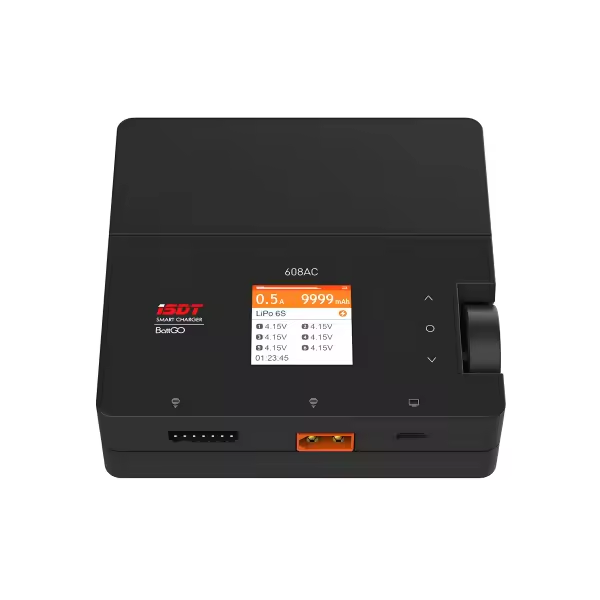
- ISDT Chargers: Popular among FPV pilots for their intuitive interface, fast charging speed, and advanced battery management features.
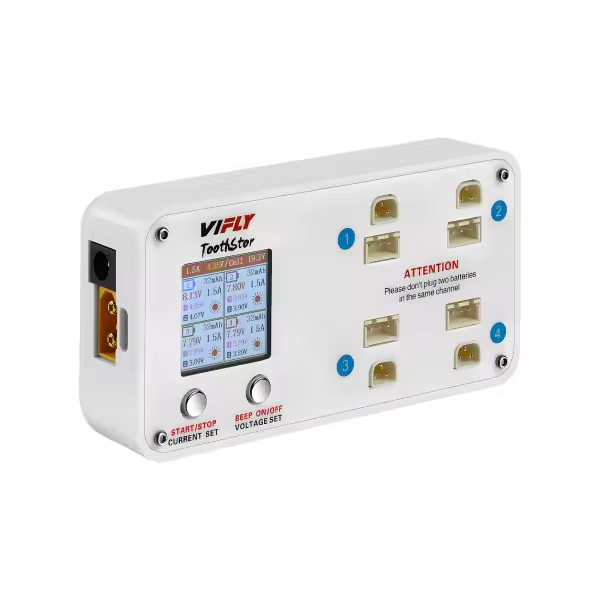
- VIFLYChargers: Specialize in compact chargers and battery maintenance tools, making them ideal for field charging and everyday FPV use.
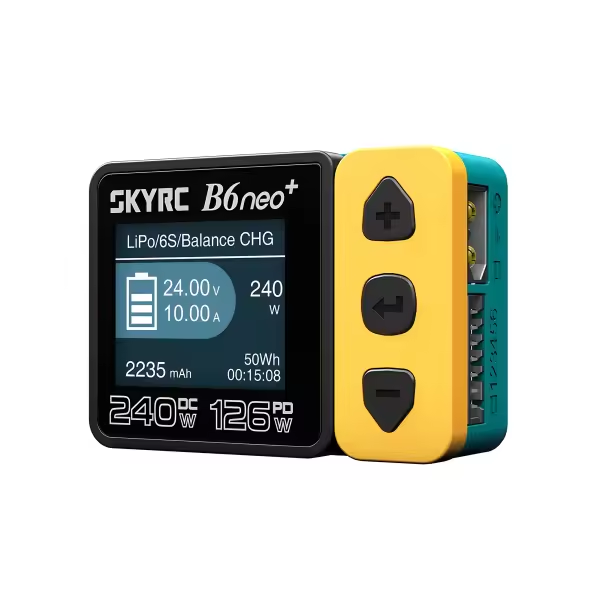
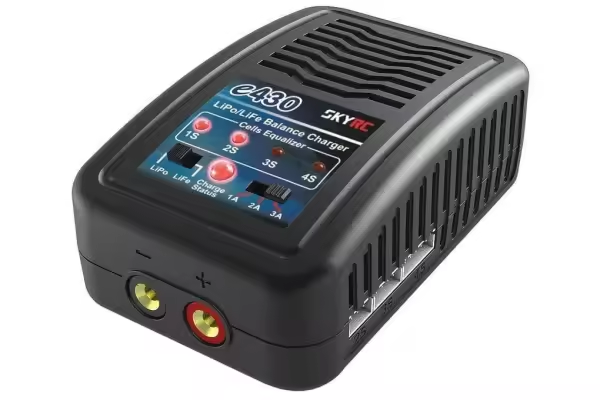
- SkyRC Chargers: Well-established smart chargers supporting LiPo, Li-ion, LiHV, NiMH, and other battery types with accurate charging control.
How to Choose an FPV Battery Charger
Choosing an FPV battery charger is mostly about matching your real flying setup. Start with the batteries you already use, then check whether the charger can handle the right chemistry, cell count, connector and charging power. Use the steps below to narrow down the right option faster.
Read more: Choosing a Charger for FPV Drones: A Comprehensive Guide
Step 1: Match the Battery Type
First, check the battery label. If you fly standard FPV packs, you likely need a LiPo battery charger. If your packs are marked LiHV, choose a charger with LiHV mode. For Li-ion or 18650 cells, make sure the charger clearly supports lithium-ion charging. Do not assume every FPV charger supports every lithium battery type.
Step 2: Check the Cell Count
Next, match the charger to your battery cell count. Whoops and micro drones usually use 1S batteries. Many freestyle and racing drones use 4S or 6S packs. If you fly different builds, a charger that supports 1S-6S gives you more flexibility.
Step 3: Choose Enough Charging Power
A small 1S charger is fine for tiny whoop packs, but it will not be practical for larger 4S or 6S batteries. If you charge several packs before each session, choose a charger with higher wattage or dual-channel charging. More power does not always mean better, but too little power means longer waiting time.
Step 4: Confirm the Connector and Balance Port
Before buying, check the connector on your battery, such as XT30, XT60, PH2.0 or BT2.0. For 2S and higher LiPo or LiHV packs, you also need balance charging support. A balancing LiPo battery charger helps keep each cell at a similar voltage during charging.
Step 5: Decide Where You Charge Most Often
If you mostly charge at home, an AC/DC smart charger is simple and convenient. If you charge at the flying field, a DC charger with an external power source can be faster and more flexible. Pilots who charge many packs in one session may prefer a dual-channel or multi-port charger.
FPV Battery Charger Comparison
| Charger Type | Best For | Key Checks Before Buying |
|---|
| 1S Charger | Whoops, micro drones and small FPV batteries | Connector type, LiPo/LiHV support, number of ports |
| Balance Charger | 2S-6S LiPo and LiHV FPV drone batteries | Cell count range, balance port, charge current, power output |
| AC/DC Smart Charger | Home charging and beginner-friendly setups | Supported battery types, plug type, max watts, storage mode |
| DC Charger | Field charging and higher-power FPV battery setups | External power supply, input voltage, max current, connector support |
| 18650 Charger | Li-ion cells used in FPV gear, long-range packs or field systems | Cell size support, Li-ion compatibility, charging current |
Popular FPV Battery Chargers
Choosing a reliable charger improves charging safety, battery lifespan, and overall flying efficiency.
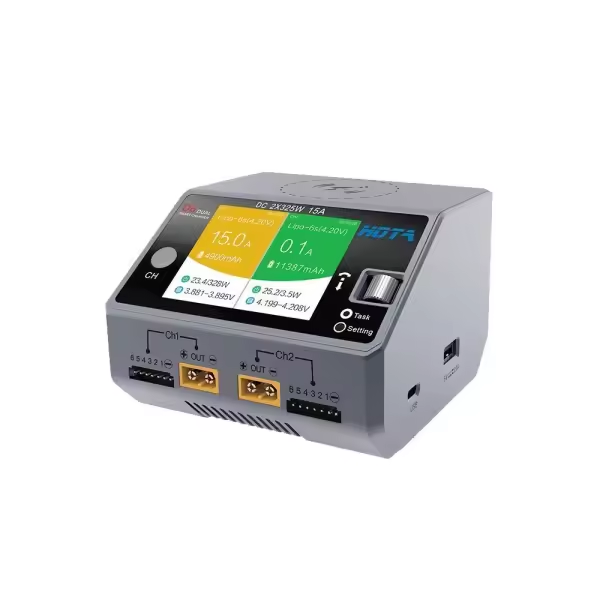
-HOTA D6 Pro Smart Charger: A powerful dual-channel charger supporting multiple battery chemistries, ideal for serious FPV pilots.
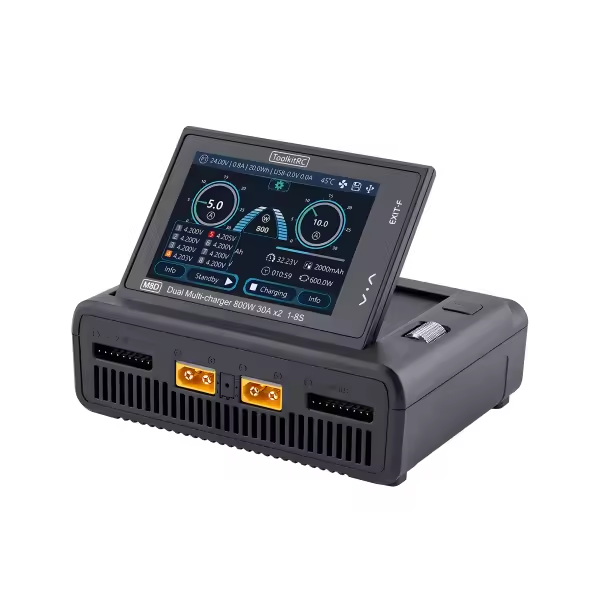
-ToolkitRC M6D Smart Charger: Compact AC/DC charger with excellent portability, making it a popular choice for home and field charging.
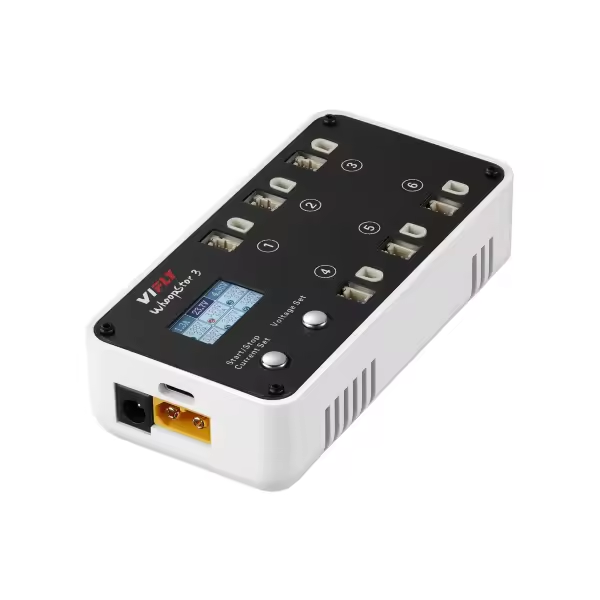
-VIFLY ToothStor 4S Battery Charger: Designed specifically for 2S–4S LiPo battery storage charging, helping maintain batteries safely between flights.
Why Buy FPV Battery Chargers from MEPSKING
- Carefully selected smart battery chargers for FPV drones
- Compatible with LiPo, Li-ion, and LiHV batteries
- Trusted brands including HOTA, ToolkitRC, ISDT, VIFLY, and SkyRC
- Competitive prices with fast worldwide shipping
- Reliable charging solutions for beginners and professional FPV pilots
Whether you're building your first FPV drone or upgrading your charging setup, MEPSKING provides high-quality FPV battery chargers to keep your batteries charged safely and efficiently.
FPV Battery Charger FAQ
Q: Can one charger charge LiPo, Li-ion and LiHV batteries?
A: Some smart chargers support LiPo, Li-ion and LiHV batteries, but not every charger supports all three. Always choose the correct battery mode on the charger before charging, because each chemistry uses different voltage settings.
Q: What is a balancing LiPo battery charger?
A: A balancing LiPo battery charger monitors the voltage of each cell in a multi-cell battery pack. This helps keep the cells even during charging and is recommended for most 2S, 4S, 6S and higher FPV drone batteries.
Q: Is a 18650 battery charger the same as an FPV LiPo charger?
A: No. An 18650 battery charger is usually designed for cylindrical Li-ion cells, while an FPV LiPo charger is designed for multi-cell LiPo or LiHV drone battery packs. Some advanced chargers support multiple battery types, but compatibility should be checked before use.
Q: What does storage mode do on a battery charger?
A: Storage mode brings a battery to a voltage level that is better for short-term or long-term storage. It is useful when FPV batteries will not be used for several days or longer.
Q: How much charging power do I need?
A: Charging power depends on battery voltage, capacity and charge current. Small 1S batteries need very little power, while 4S and 6S packs require more. If you charge multiple batteries or use parallel charging, choose a charger with higher wattage.