Buying Guide: RUSHFPV Blade F722 Analog V2 Stack
Choosing an FPV stack involves more than selecting the highest current rating. The flight controller processor, gyro, ESC firmware, PWM frequency, mounting pattern, available UARTs, and video system compatibility can all affect how well the stack fits your build.
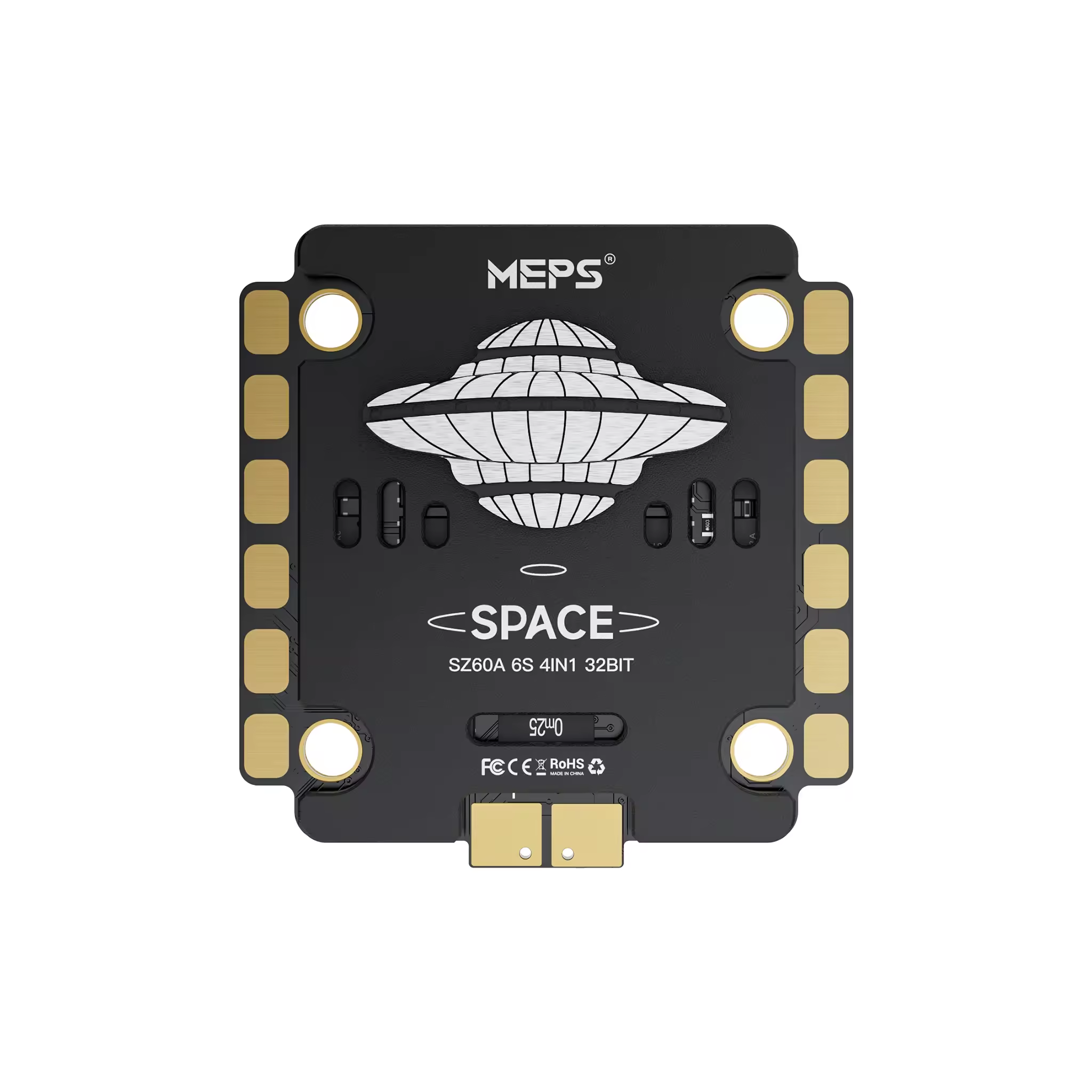
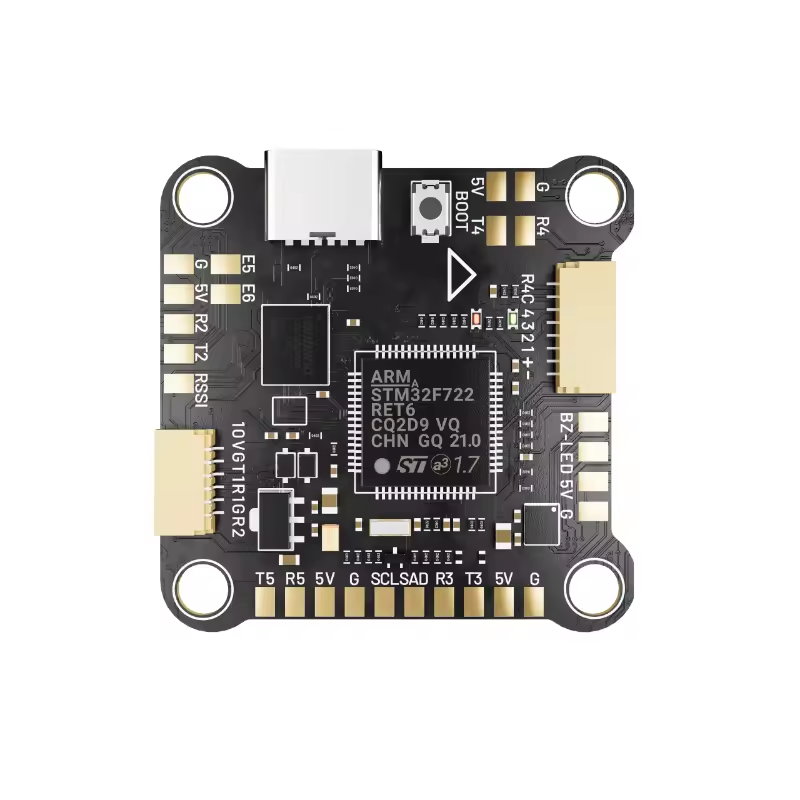
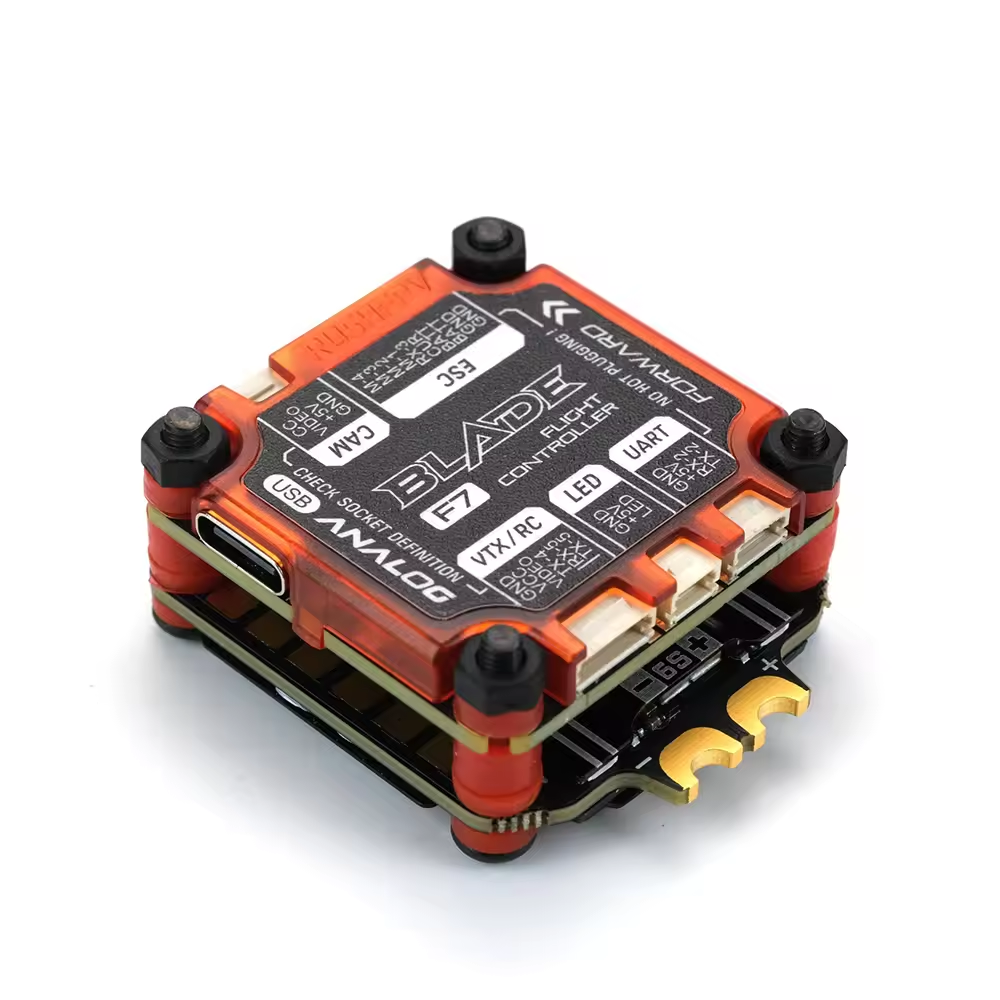
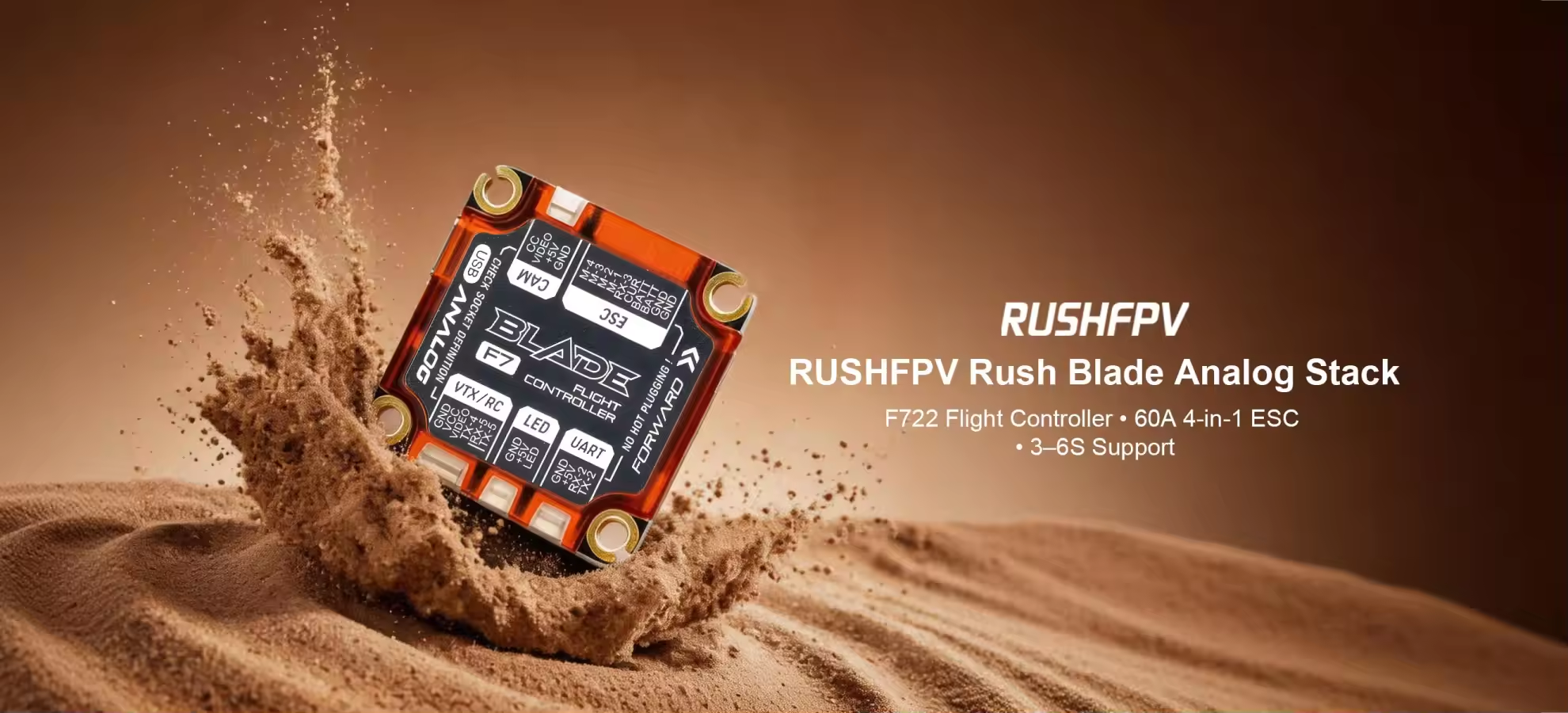
The RUSHFPV Blade F722 Analog V2 Stack combines an STM32F722 flight controller with a high-current 60A 4-in-1 ESC designed for 3-6S FPV builds. With an ICM42688P gyro, 16MB Blackbox storage, dedicated analog OSD support, and a 24-128kHz ESC PWM frequency range, this stack is particularly suited to demanding analog freestyle and racing builds.
Who Is the RUSH Blade F722 Analog V2 Stack Best For?
The Blade F722 Analog V2 Stack is best suited to pilots building a full-size FPV quad that requires an F7 flight controller and a high-current 4-in-1 ESC. Its 30.5 × 30.5mm mounting pattern makes it compatible with many standard 5-inch frames and other full-size FPV platforms with sufficient stack space.
It is particularly suitable for:
● 5-inch analog freestyle builds
● FPV racing builds requiring high-current ESC capacity
● 4S and 6S builds using higher-performance motors
● Pilots who prefer a dedicated analog FPV stack layout
● Builders who want Blackbox logging and multiple UART connections
Why Choose an F722 Flight Controller?
The Blade Analog V2 uses the STM32F722RET6 processor. An F7 flight controller provides more processing resources than older entry-level FC platforms and is commonly used in performance-oriented FPV builds with multiple peripherals and advanced Betaflight configurations.
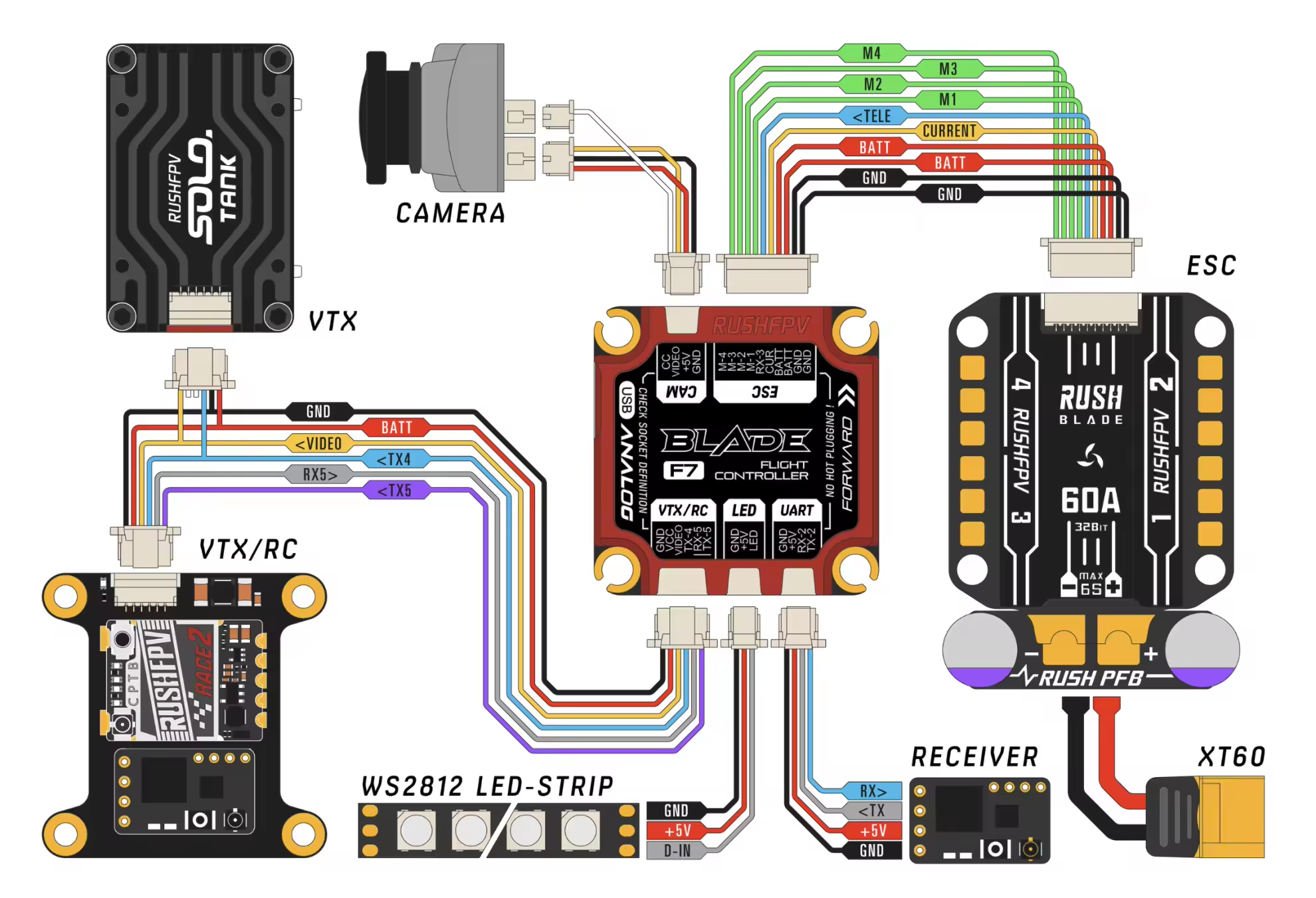
The Blade F722 provides five UARTs and one I2C interface, allowing builders to connect common peripherals such as a receiver, VTX, GPS module, telemetry devices, or other supported accessories.
For a simple analog freestyle build, not every available port may be required. However, having additional UART capacity provides more flexibility when adding peripherals later.
What Size FPV Drone Can You Build?
The stack uses a standard 30.5 × 30.5mm mounting pattern. This format is commonly used in full-size FPV frames and is particularly popular for 5-inch freestyle and racing builds.
The 60A ESC and 3-6S input range make the stack suitable for powerful 5-inch builds. It may also be used in other compatible frames, but builders should confirm stack clearance, mounting hole dimensions, motor current requirements, and cooling before installation.
For most users, this stack makes the most sense in a 5-inch analog freestyle or racing drone where the full-size mounting pattern and higher ESC current capacity can be properly utilized.
RUSH Blade F722 Analog V2 vs iFlight BLITZ F7 E55S
The iFlight BLITZ F7 E55S is one of the closest alternatives to the RUSH Blade F722 Analog V2 because both are F722-based 30.5 × 30.5mm stacks designed for 2-6S or 3-6S FPV builds. The main difference is their intended build style and feature priorities.
| Feature | RUSH Blade F722 Analog V2 |
iFlight BLITZ F7 E55S |
|---|
| FC Processor | STM32F722RET6 | STM32F722 |
| Gyro | ICM42688P | ICM42688 |
| ESC Continuous Current | 60A | 55A |
| ESC Peak Current | 80A | 65A |
| ESC PWM Frequency | 24-128kHz | BLHeli_S / Bluejay |
| Blackbox Storage | 16MB | 32MB |
| UARTs | 5 | 6 |
| Video System Focus | Analog FPV | Analog / HD Ready |
| DJI HD Connector | No Dedicated Plug-and-Play Connector | Yes |
| Best For | High-performance analog freestyle and racing builds | Versatile 5-inch freestyle and HD-capable builds |
Which Stack Should You Choose?
Choose the RUSH Blade F722 Analog V2 if: you are building an analog FPV quad, want a high-current 60A ESC, prefer the BLHeli_32 ecosystem, and want access to high-frequency PWM settings up to 128kHz.
Choose the iFlight BLITZ F7 E55S if: you want more Blackbox storage, an additional UART, convenient DJI HD connectivity, and a more versatile stack for either analog or HD FPV builds.
Neither stack is automatically better for every pilot. The RUSH Blade focuses more heavily on analog performance and ESC flexibility, while the BLITZ F7 E55S provides a broader feature set for builders who want easier HD system integration and additional connectivity.
Recommended Build Considerations
Before choosing the Blade F722 Analog V2 Stack, confirm that your frame supports a 30.5 × 30.5mm mounting pattern and has sufficient stack height for both the flight controller and ESC.
For a typical 5-inch 6S build, select motors with an appropriate KV rating for your battery voltage and propeller size. A commonly used 6S configuration typically uses lower-KV motors than an equivalent 4S build.
Also consider the total current draw of your motor and propeller combination. The ESC's 60A rating provides substantial headroom, but it should not be treated as permission to use any motor or propeller combination without checking expected current consumption.
Before Your First Power-Up
Always check battery polarity, motor wiring, FC-to-ESC connections, and peripheral wiring before connecting a LiPo battery. Confirm the correct Betaflight firmware target before flashing the flight controller.
For a new build, use a smoke stopper during the initial power test to help identify wiring faults before connecting the system directly to a full LiPo battery. Remove the propellers during configuration and motor testing.
The RUSH Blade F722 Analog V2 is a performance-oriented stack, but correct installation, motor matching, filtering, and tuning remain important for achieving reliable flight performance.


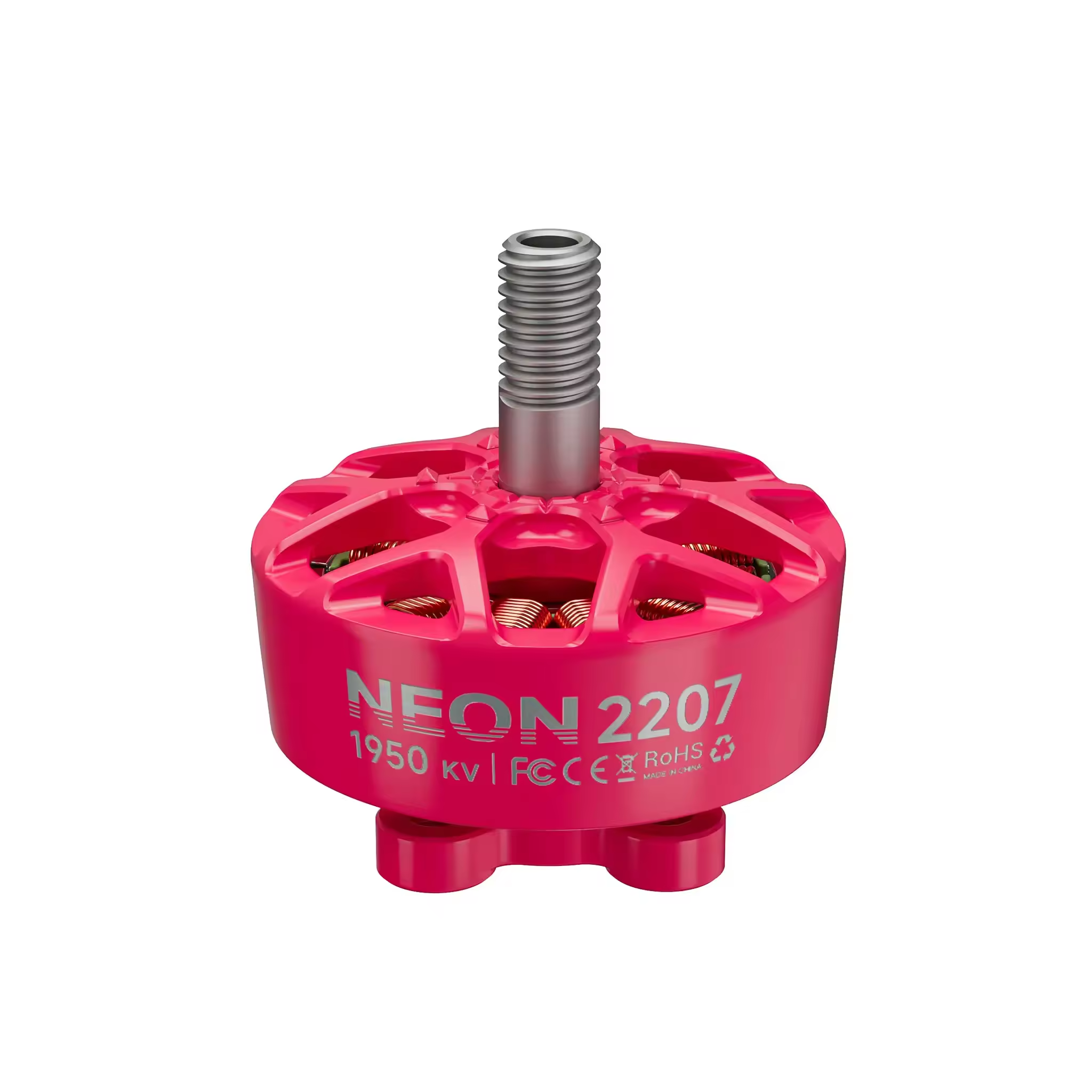

 MEPS NEON 2207 5 inch FPV Drone Brushless Motors 1950KV/2050KV/2550KV1950KV / Fluorescent Green$9.41 Save $0.50









 Verified