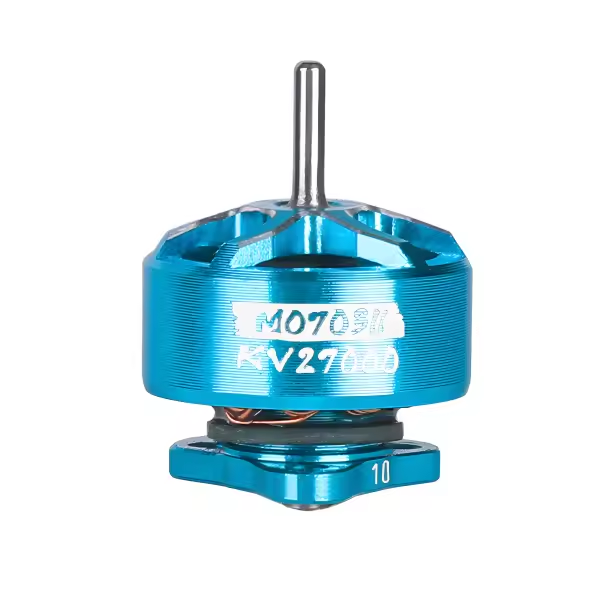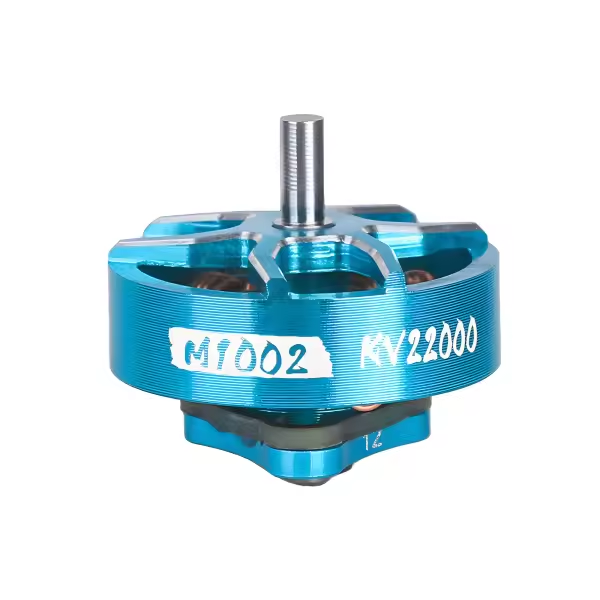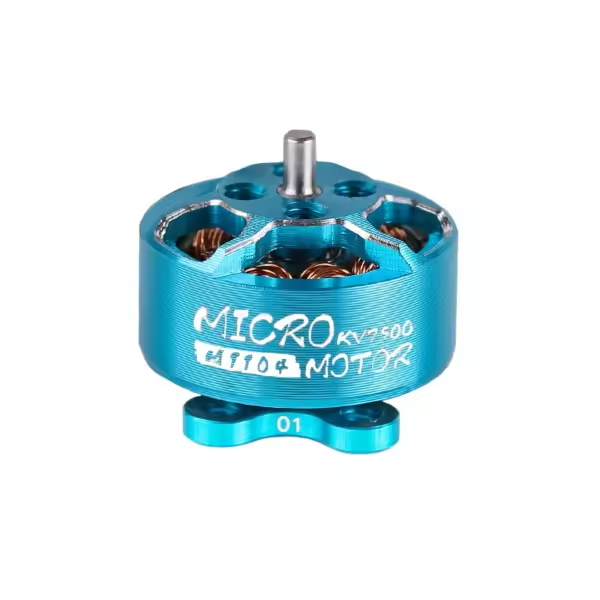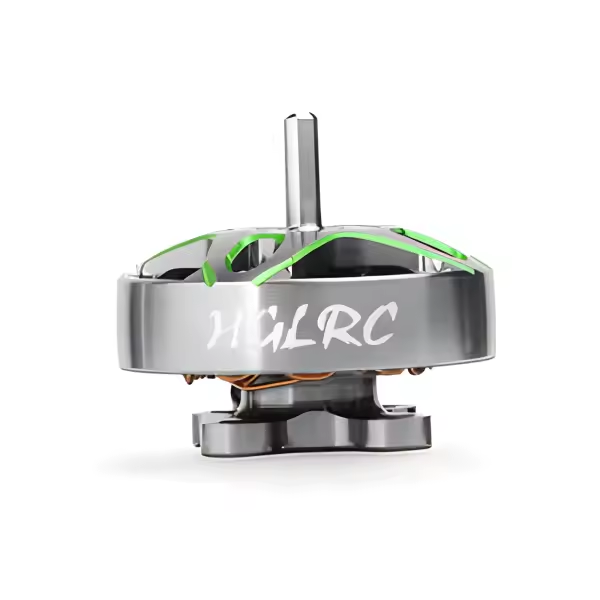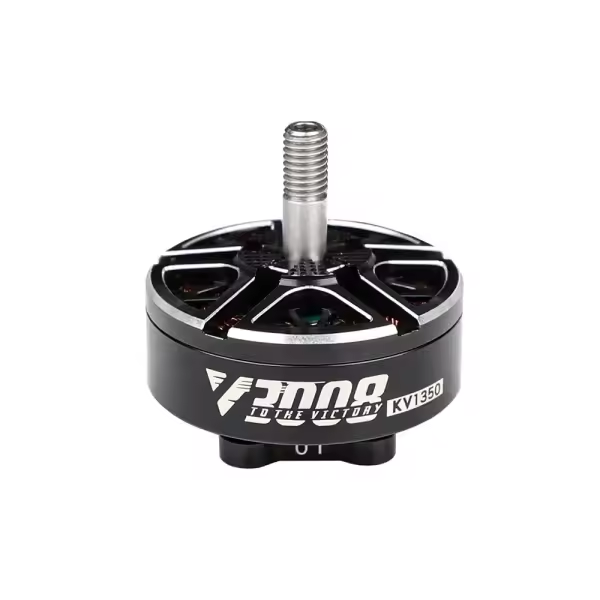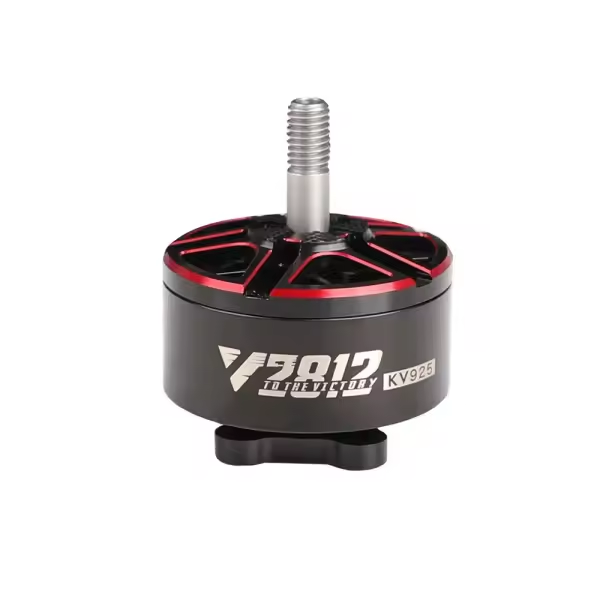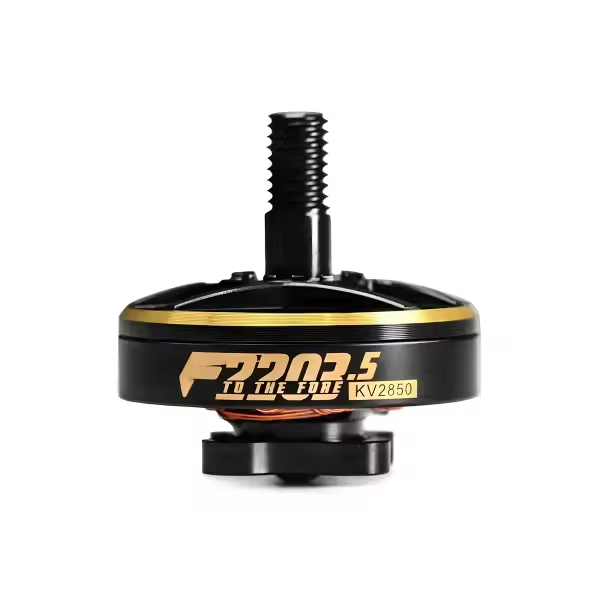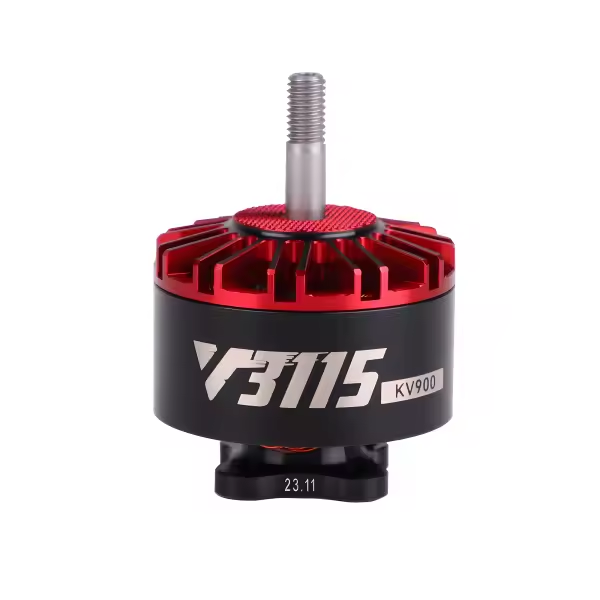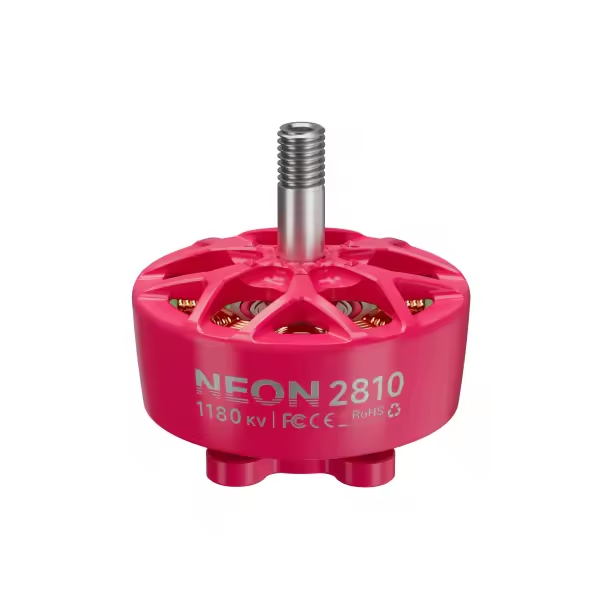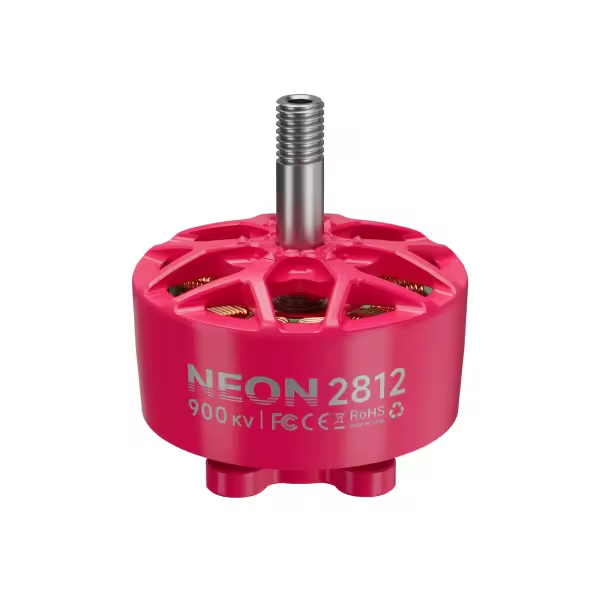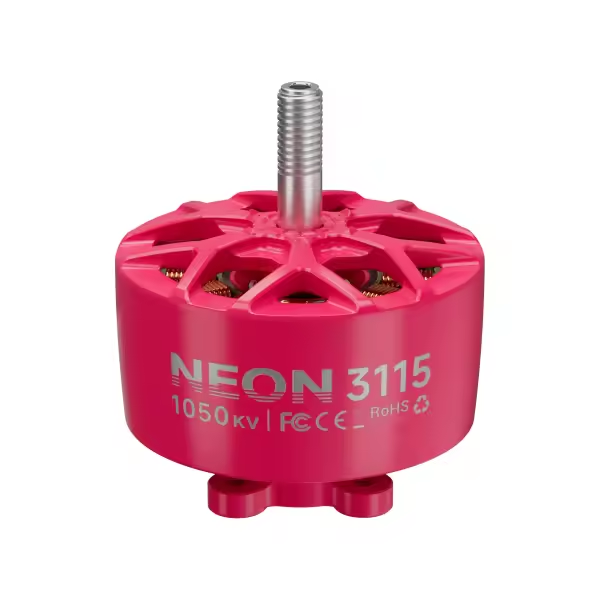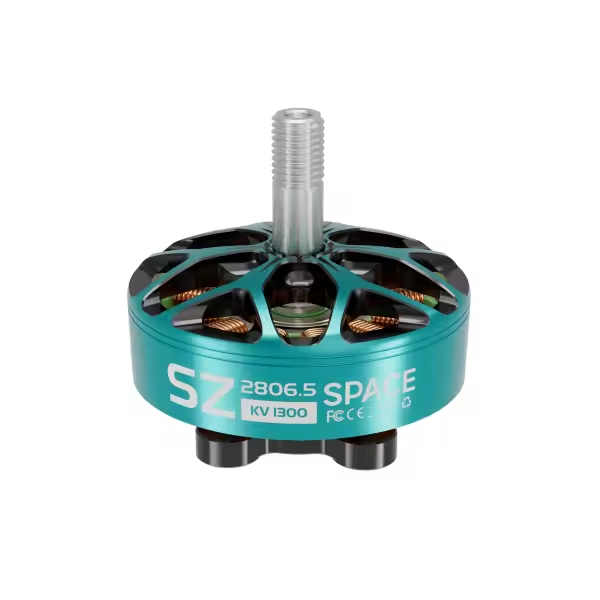
FPV Drone Motors


- 1
- 2
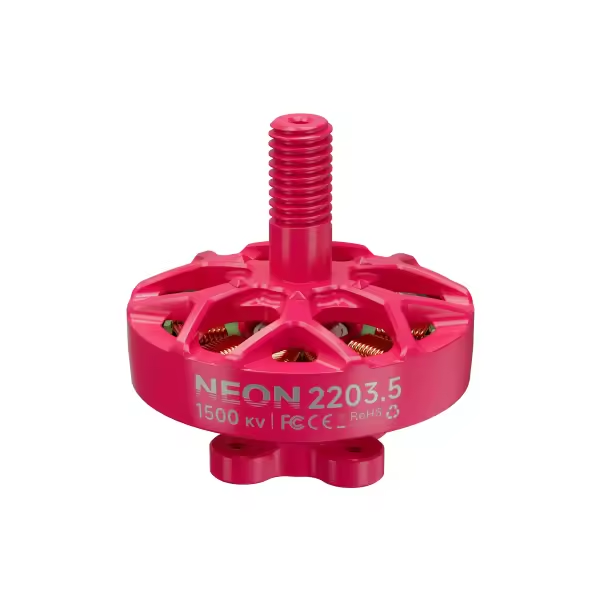
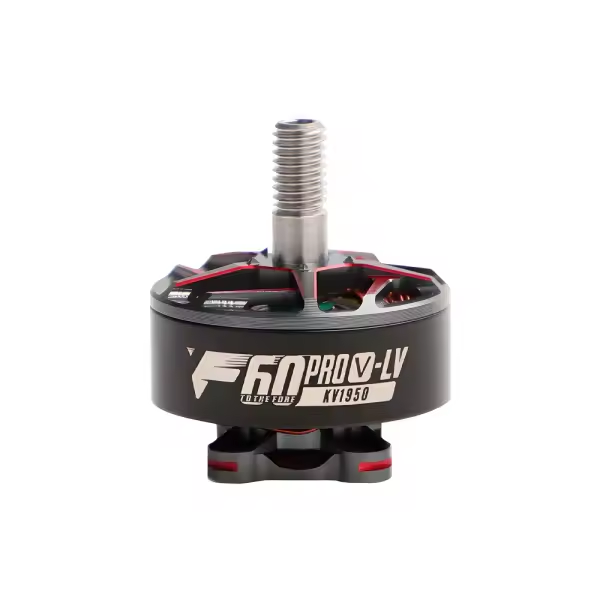
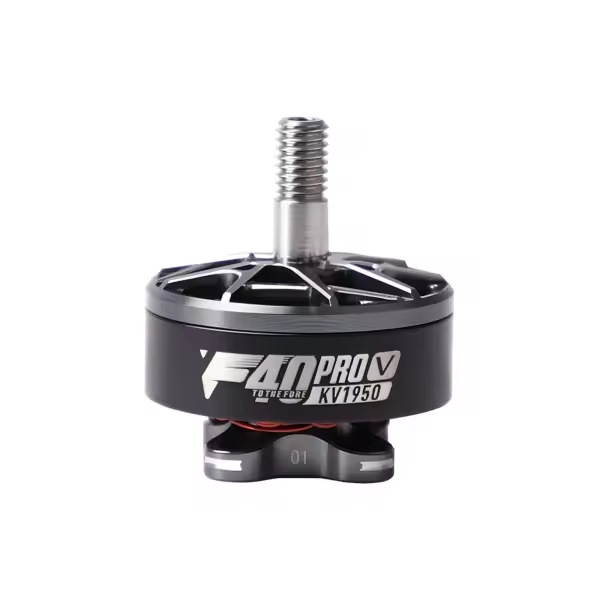
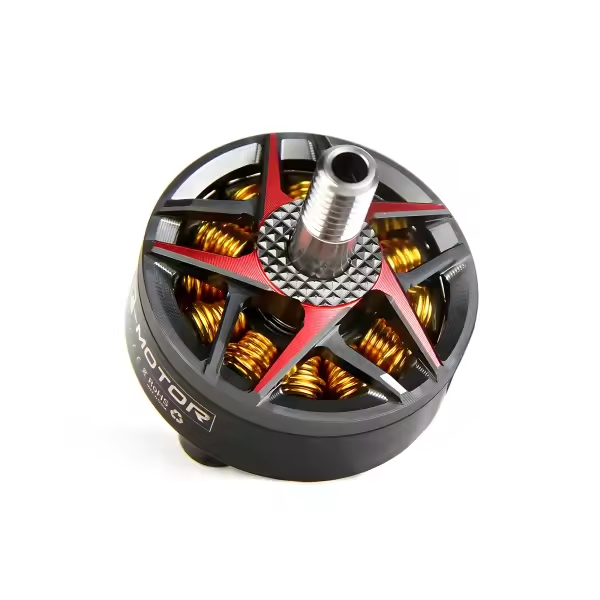
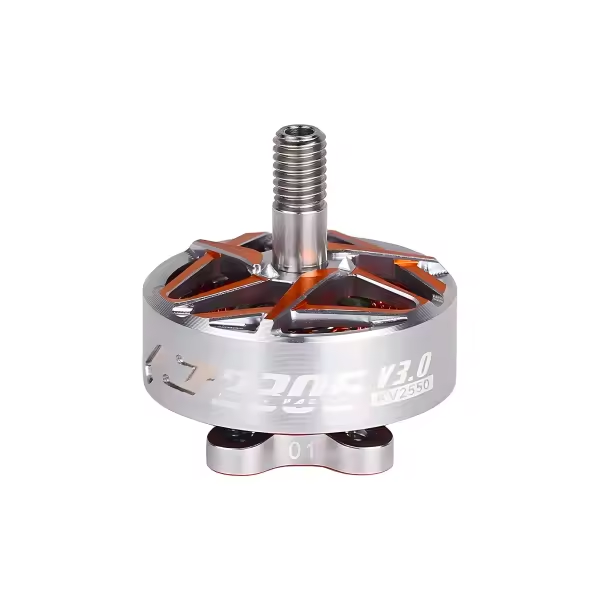
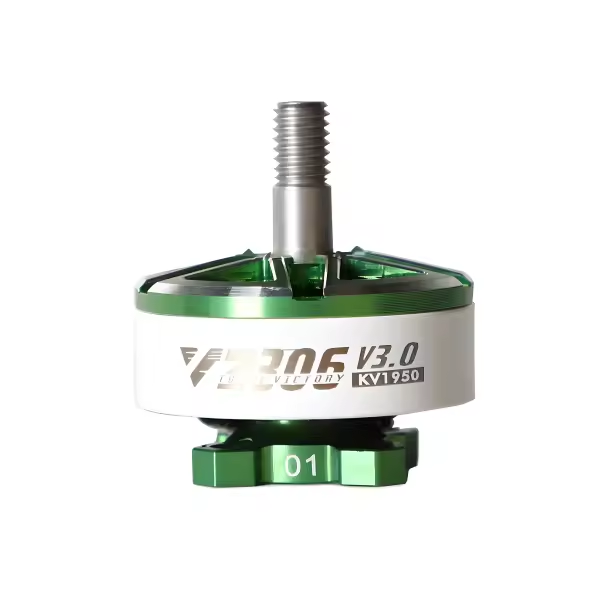
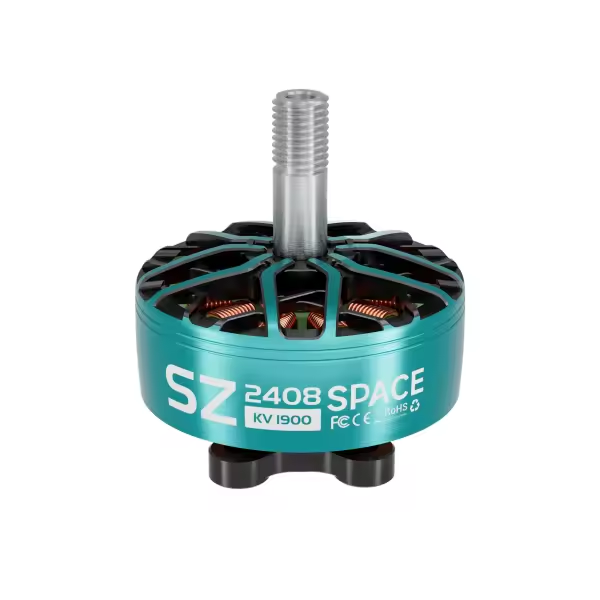
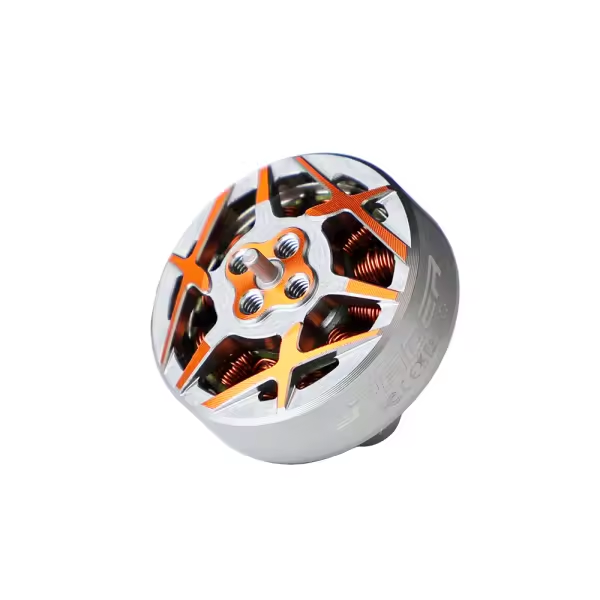
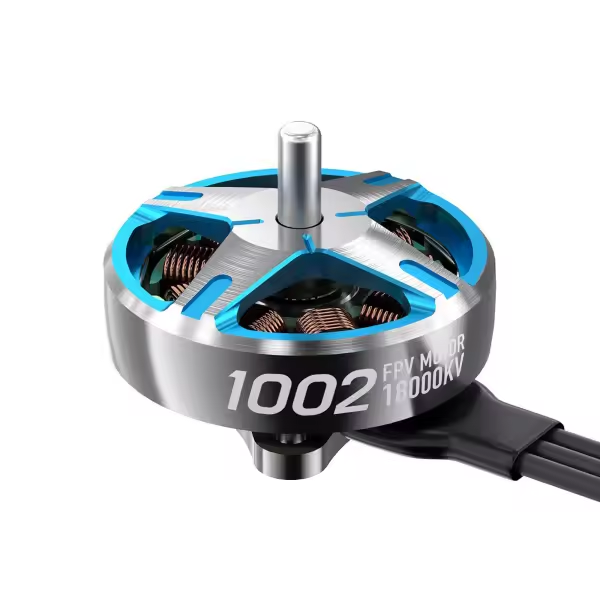
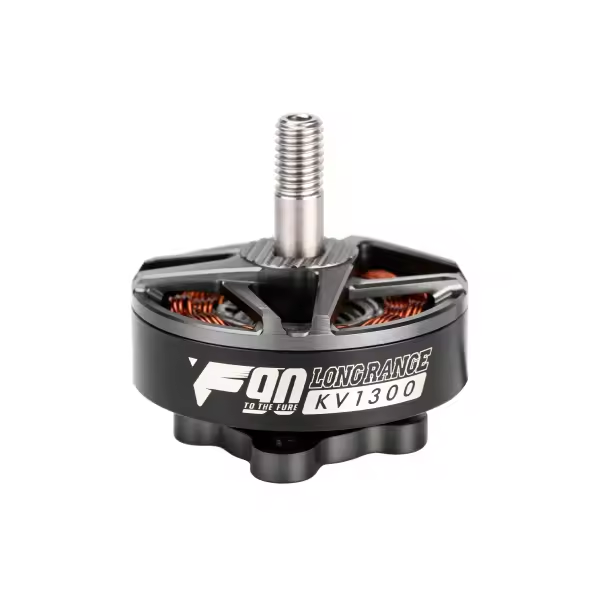
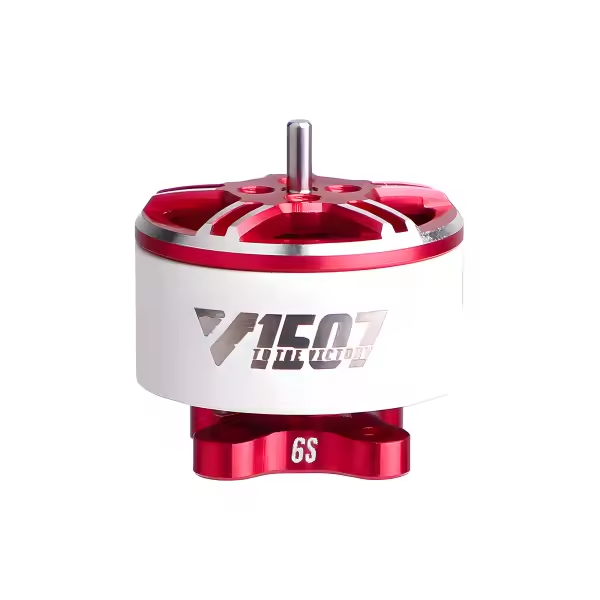
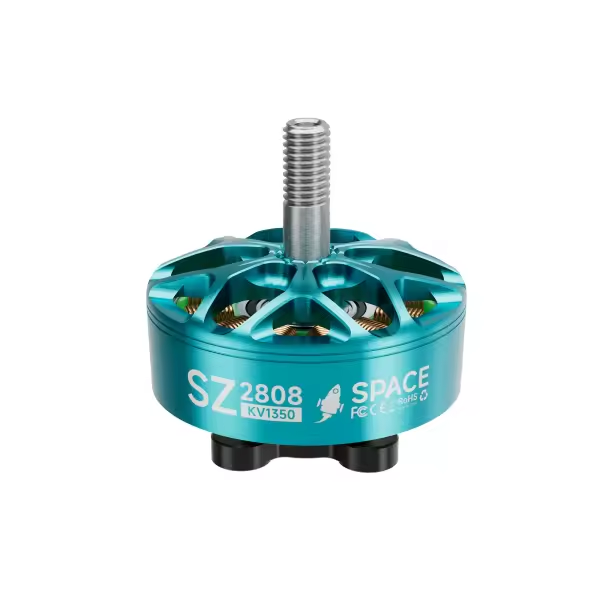
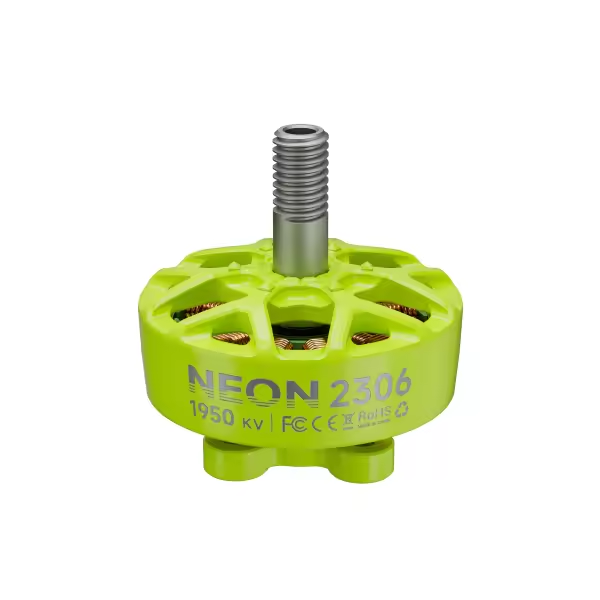
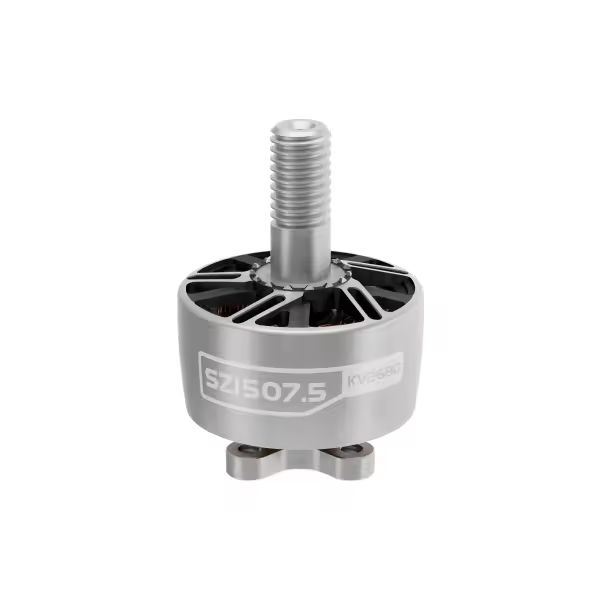
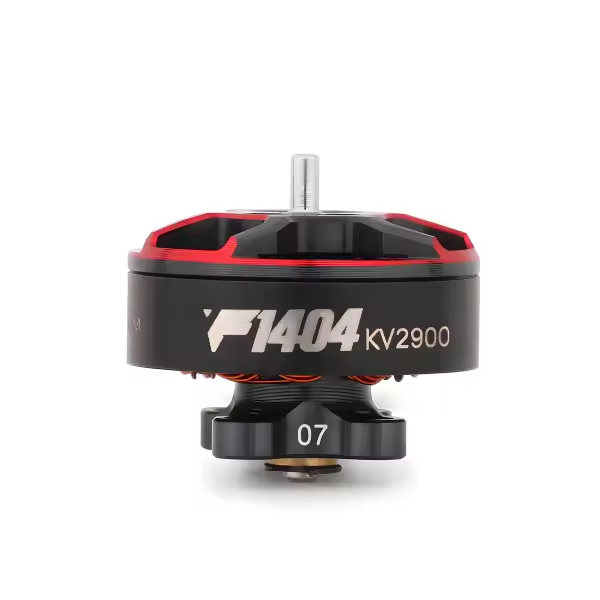
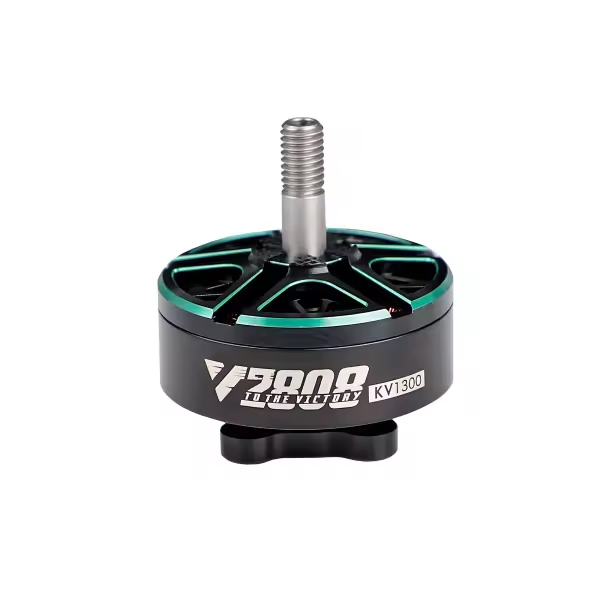
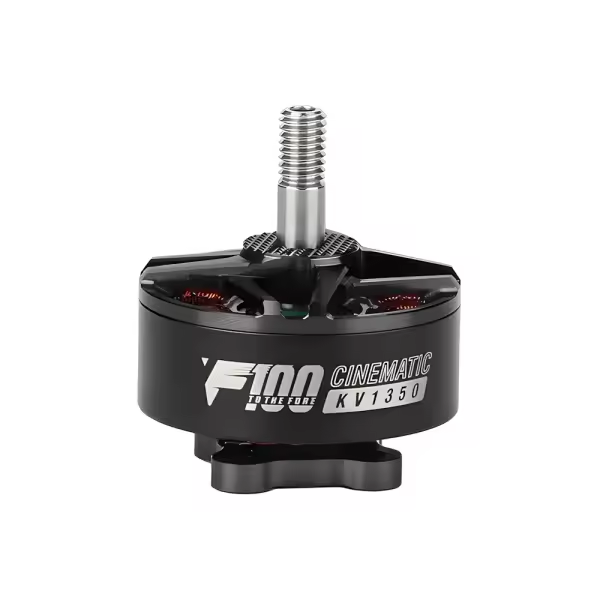
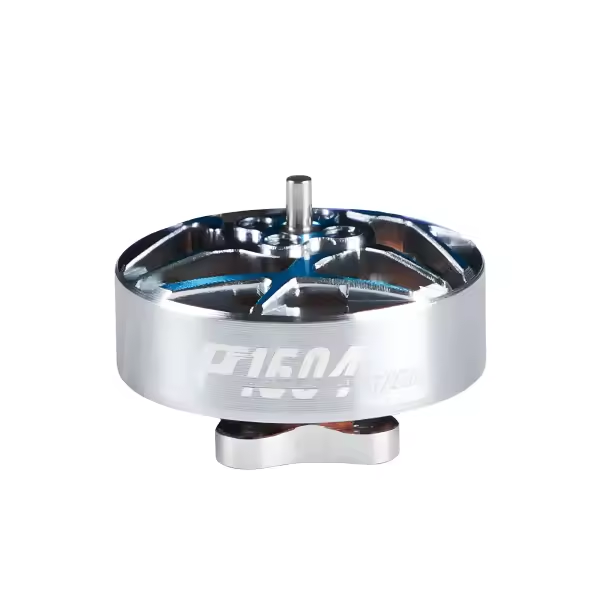
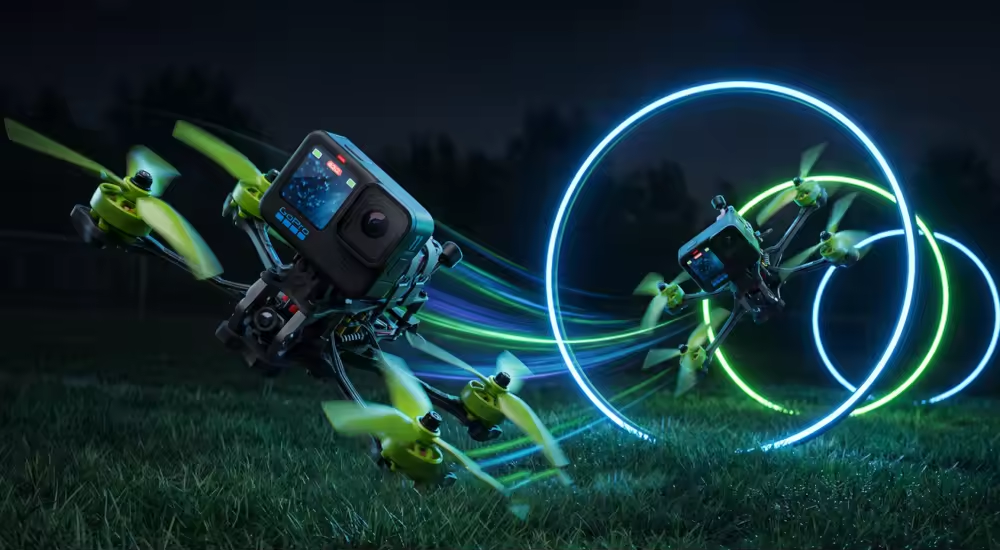
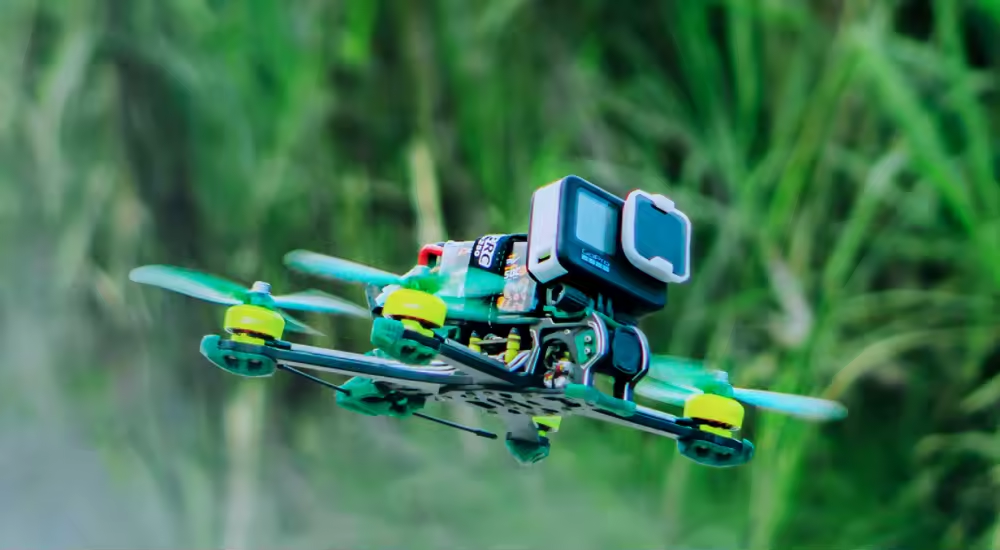
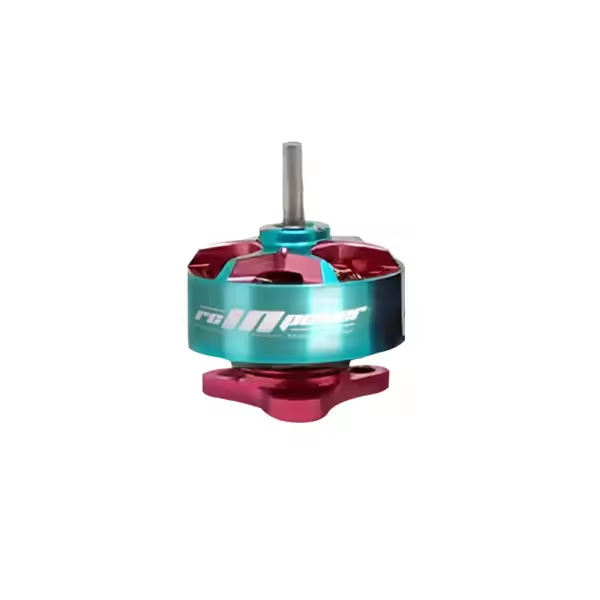
FPV drone motors are the core component that determines a quadcopter’s power, responsiveness, and flight efficiency. Choosing the right FPV motor affects how your drone accelerates, handles sharp turns, and carries cameras or batteries.
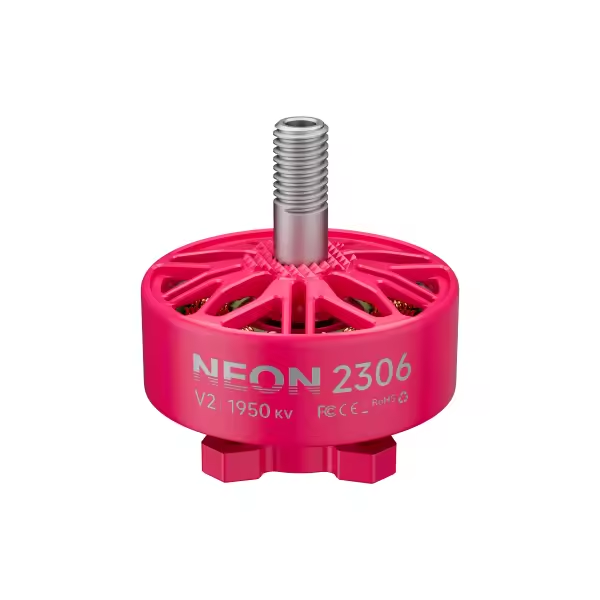
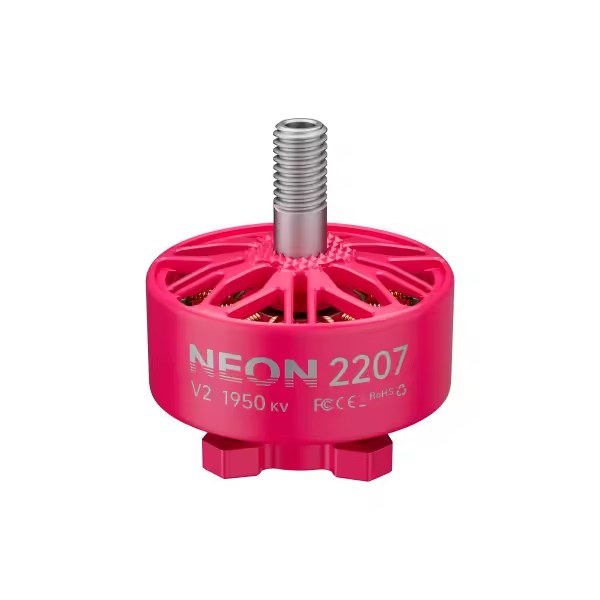
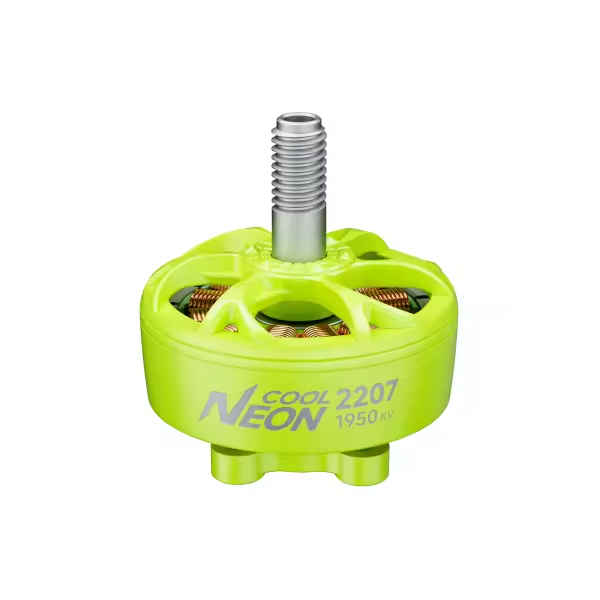
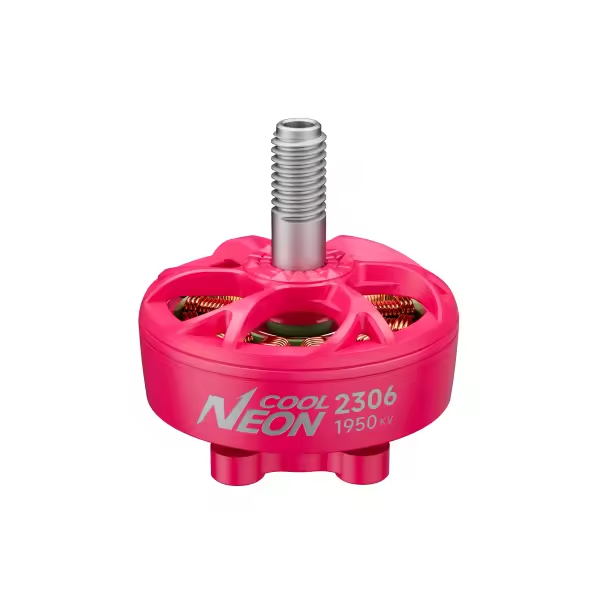
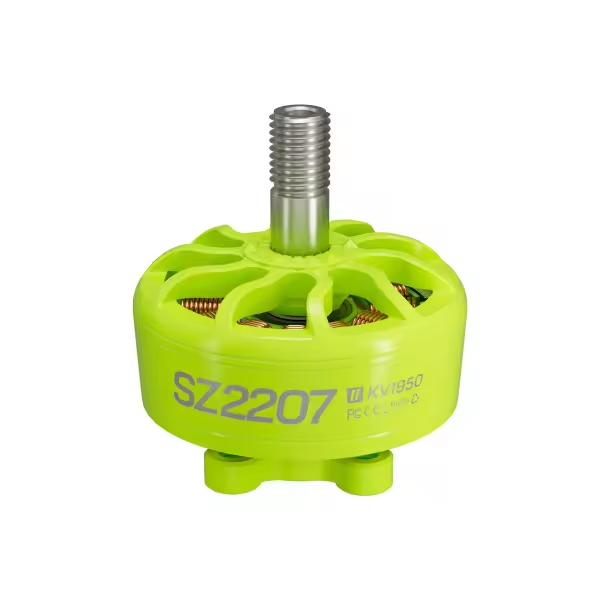
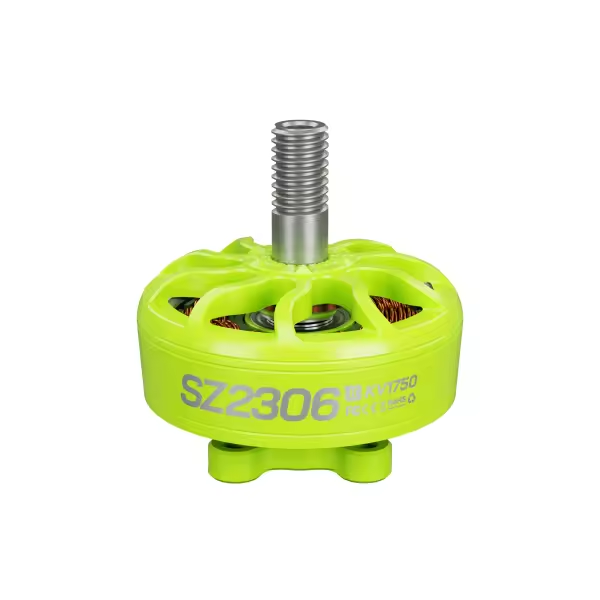
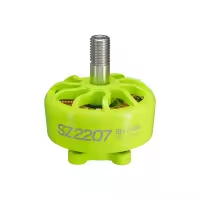
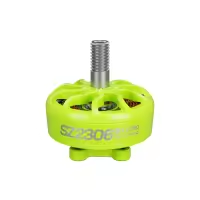
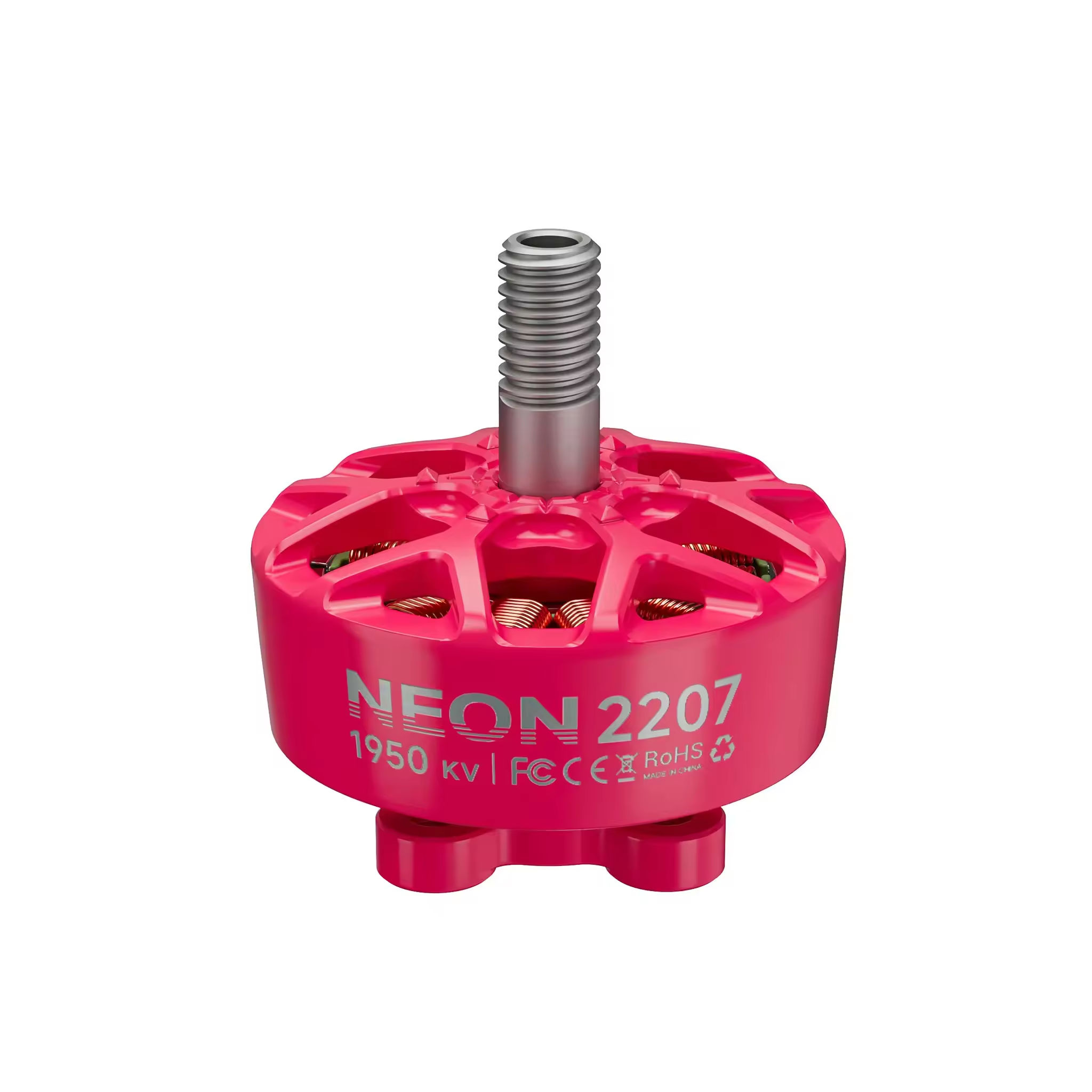
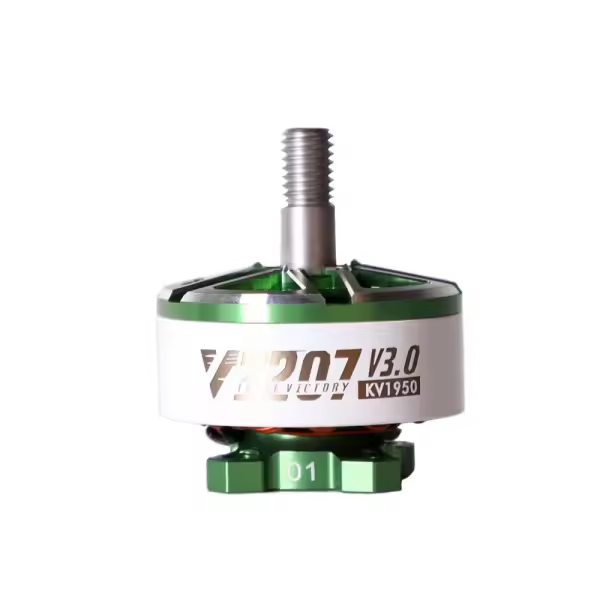
Most modern FPV motors are brushless motors designed for freestyle, racing, or cinematic drones. For example, 5 inch FPV motors such as 2207 or 2306 sizes are widely used in freestyle builds, while lower KV 6S FPV motors offer efficient performance for high-voltage setups.
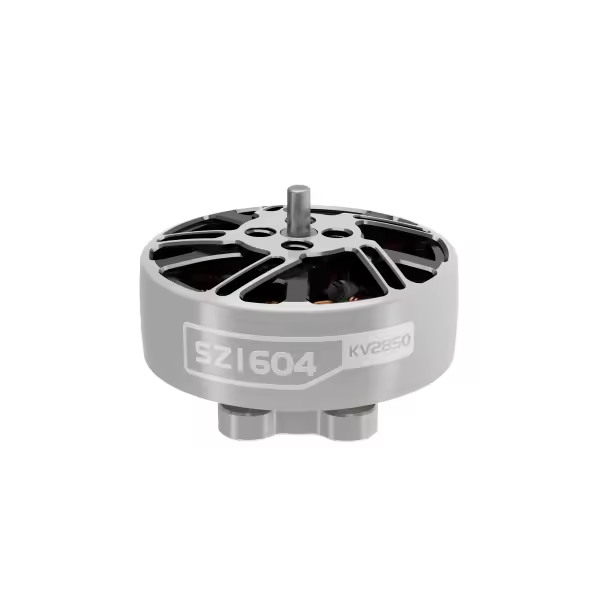
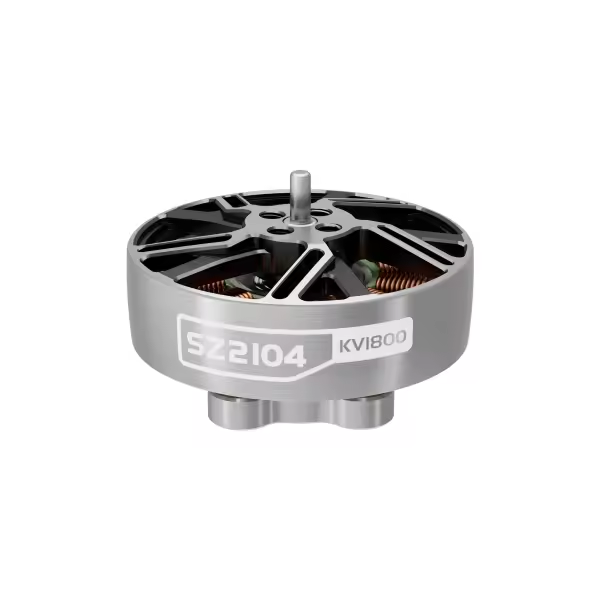
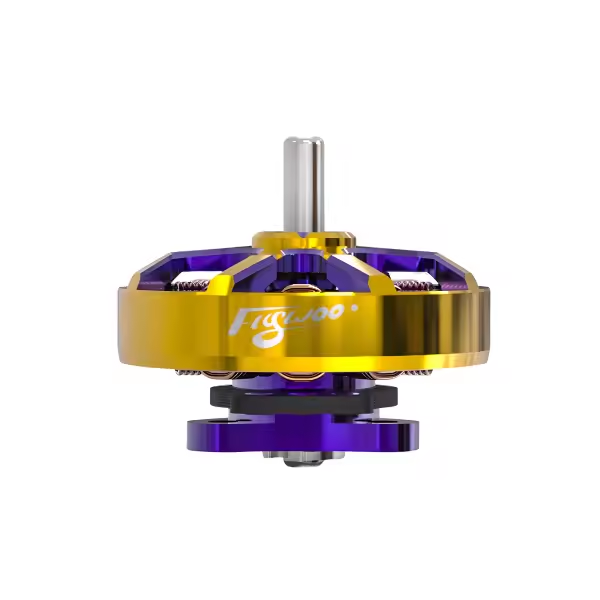
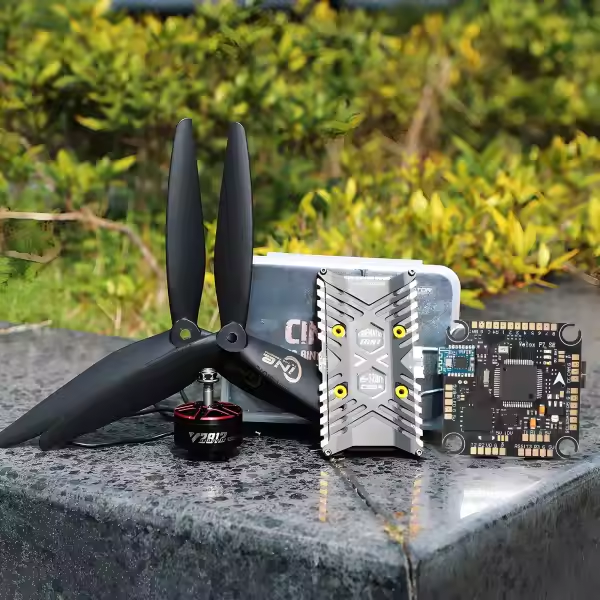
At MEPSKING, you can explore a wide range of high-performance FPV drone motors designed for different drone sizes and flight styles—from ultra-light micro motors to powerful motors for aggressive freestyle flying.
How to Choose the Right FPV Motor
Choosing the right FPV motor depends on several factors, including frame size, propeller size, and battery voltage.
Motor Size
Motor size is usually written as four digits (for example 2207 or 2306).
● first two digits → stator diameter
● last two digits → stator height
Larger stators generally provide more torque and power.
KV Rating
KV indicates how fast a motor spins per volt.
Typical setups:
● 1700–2000KV → common for 6S FPV motors
● 2300–2700KV → common for 4S builds
Lower KV motors usually work better with larger props and higher voltage batteries. Learn more about motor KV.
Thrust and Efficiency
The thrust-to-weight ratio determines how responsive your drone feels.
Freestyle drones typically aim for:
● Thrust: Weight ratio ≈ 5:1
Higher thrust gives faster acceleration and more control during aggressive maneuvers. Here to learn more about FPV motor thrust.
FPV Motor Size Guide
Below is a quick reference for common drone motor sizes used in FPV drones.
| Motor Size | Propeller Size | Drone Type |
|---|---|---|
| 0802–1103 | 1–2 inch | Tiny Whoop / micro drones |
| 1202–1404 | 2–3 inch | Micro freestyle |
| 1505–1507 | 3 inch | Lightweight freestyle |
| 1804–2004 | 4 inch | Lightweight cinematic |
| 2205–2207 | 5 inch | Freestyle drones |
| 2306–2307 | 5 inch | Racing / freestyle |
| 2506–2507 | 6 inch | High-speed freestyle |
| 2806.5 | 7 inch | Long-range FPV |
| 3110–3210 | 8–9 inch | Cinematic drones |
| 4006–4114 | 10 inch | Heavy-lift / long-range drones |
Explore our full range of FPV drone parts for a complete racing setup.
Types of FPV Drone Motors
Micro FPV Motors
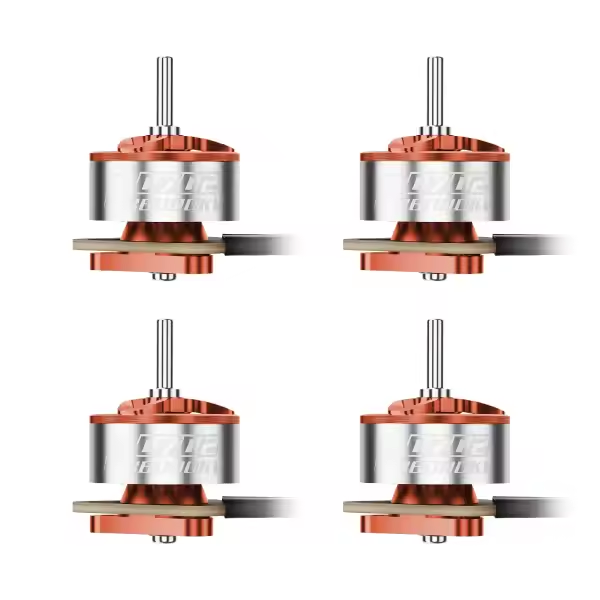
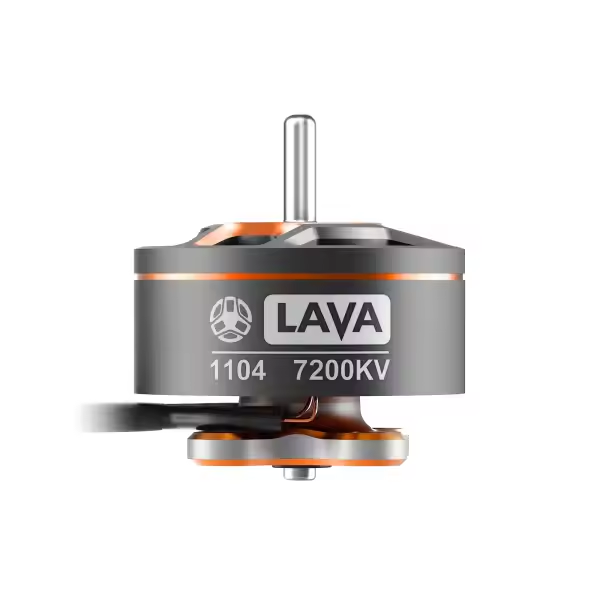
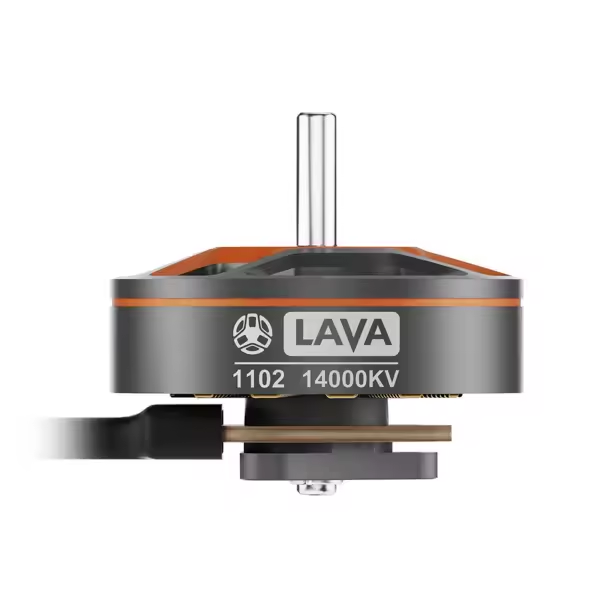
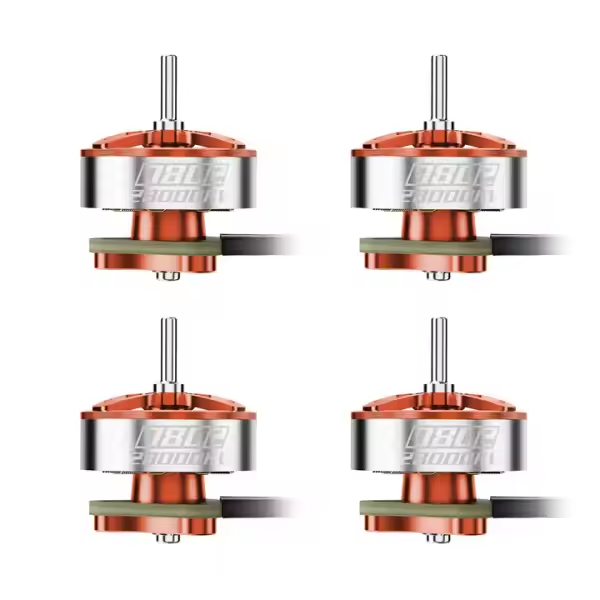
Micro brushless motors are designed for small drones such as Tiny Whoops and lightweight micro quads.
These motors are:
● lightweight
● efficient
● ideal for indoor flying
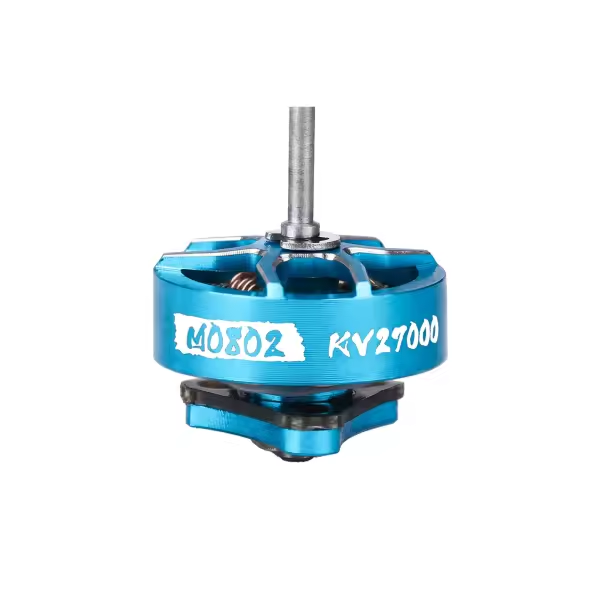
For example, 0802 motors are commonly used on 1S micro drones where smooth control and low weight are essential.
Racing Drone Motors
Racing drones require powerful FPV motors capable of fast acceleration and high top speeds.
Popular racing motor sizes include:
● 2207 motors
● 2306 motors
These motors deliver strong thrust and rapid throttle response, making them ideal for competitive FPV racing or aggressive freestyle flying.
Best FPV Motors for 5 Inch and 6S Drones
The 5 inch FPV drone is currently the most popular drone platform among FPV pilots.
Common motor choices include:
2207 FPV motors
● excellent balance of power and control
● great for freestyle flying
2306 FPV motors
● slightly higher efficiency
● strong torque for racing
FAQ About FPV Drone Motors
Q: What size FPV motor is best for a 5 inch drone?
A: Most 5 inch FPV drones use 2207 or 2306 motors, which provide a good balance of power, efficiency, and control.
Q: What KV motor should I use for a 6S FPV drone?
A: For 6S FPV motors, the most common KV range is 1700KV–1950KV, depending on propeller size and flying style.
Q: How long do FPV drone motors last?
A: High-quality FPV motors can last 100–300 flight hours, depending on flying conditions, crashes, and maintenance.
Guide of FPV Attach Props to Motors:
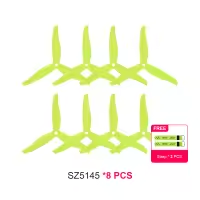
High-quality FPV drone motors need correct installation for safe flight. Each motor spins CW (clockwise) or CCW (counterclockwise).
How to attach props:
● Match CW propellers to CW motors, CCW propellers to CCW motors.
● Tighten prop nuts securely, but don’t overtighten.
● Check alignment before powering on.
More details: How to Attach Props to FPV Motors