

- Photos
- Videos
1950457617288003586
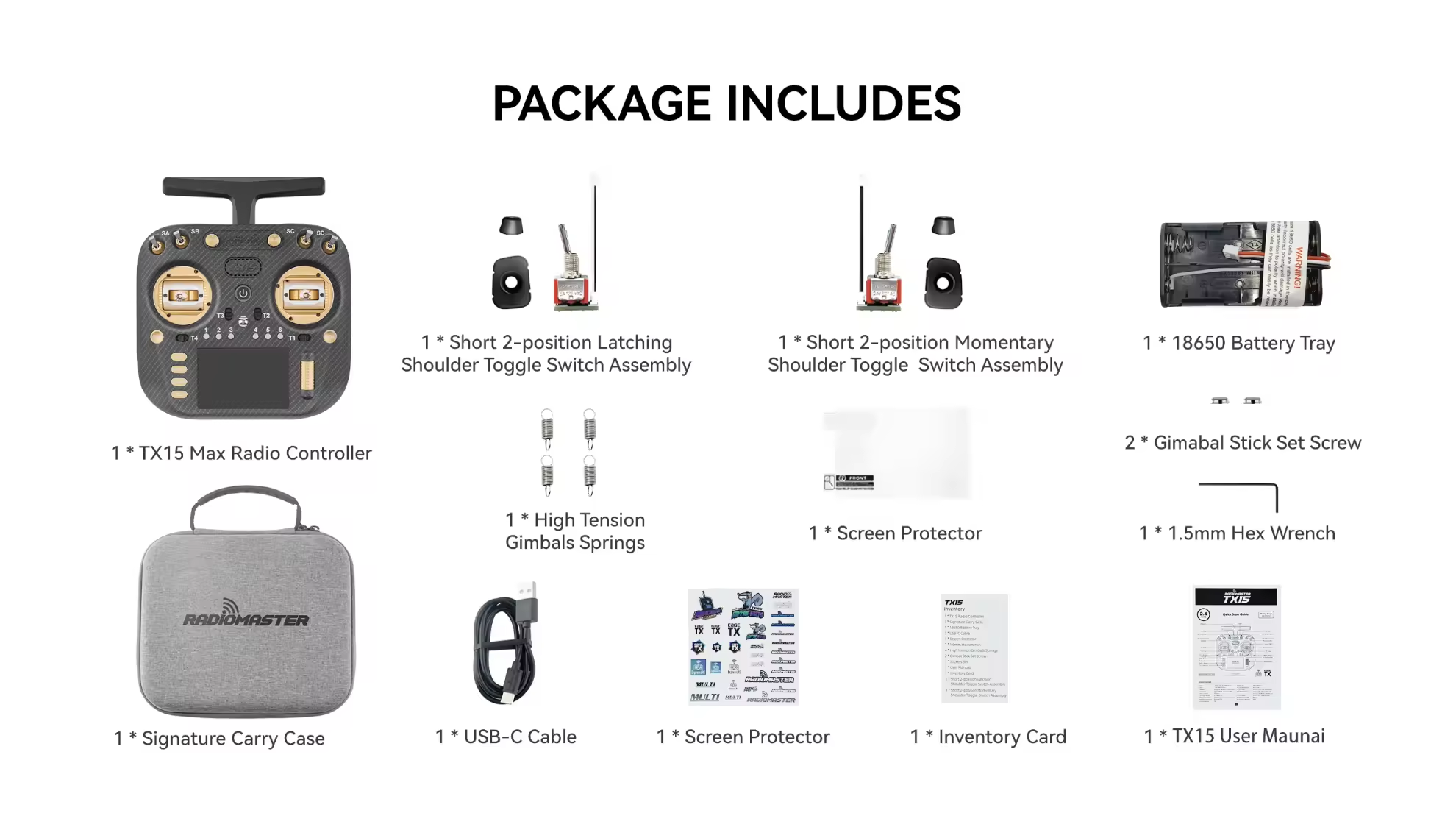
RadioMaster TX15 Max Radio Controller – STM32 H7 Chip,Dual-Band ELRS (2.4G/900M)
About RadioMaster TX15 Max Radio Controller :
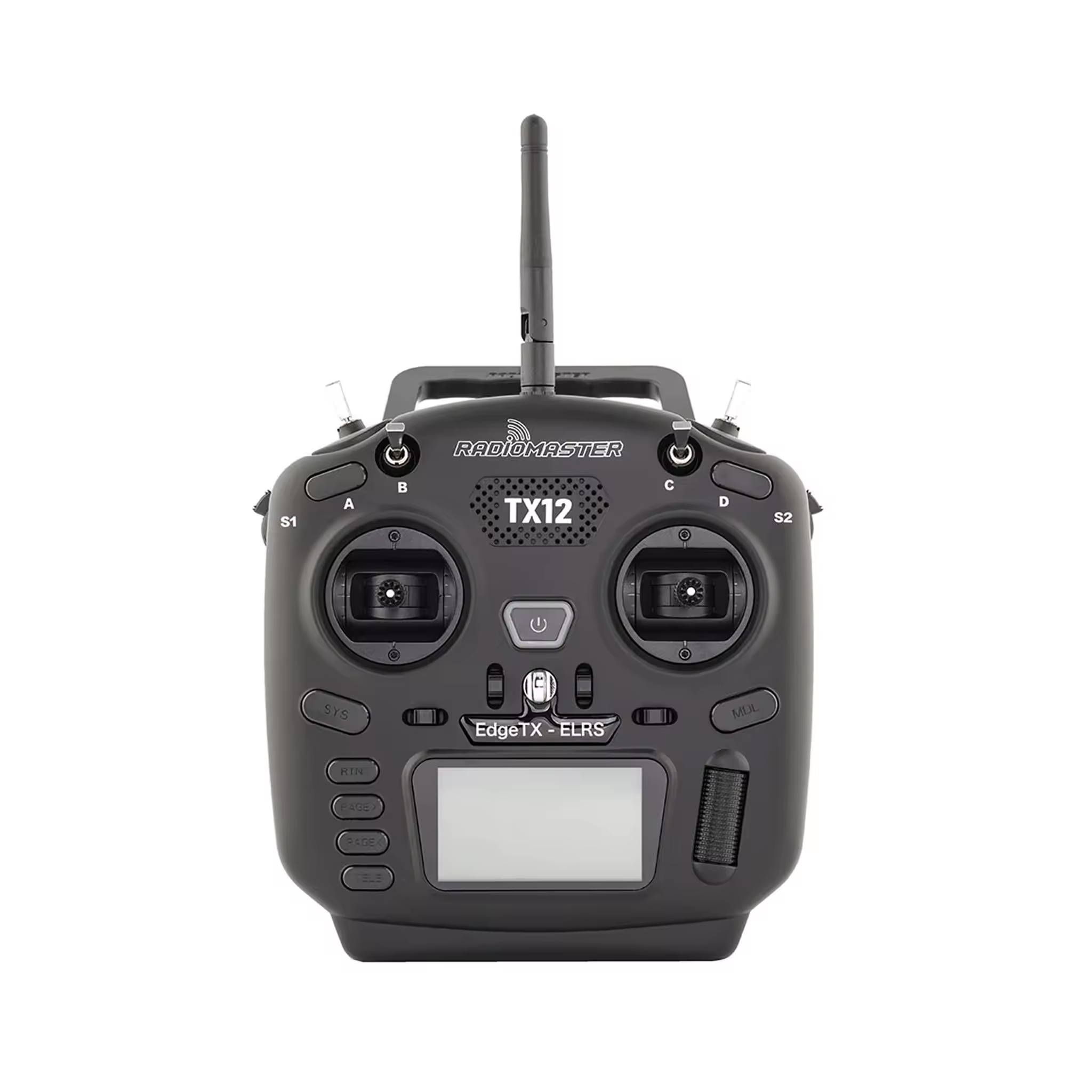
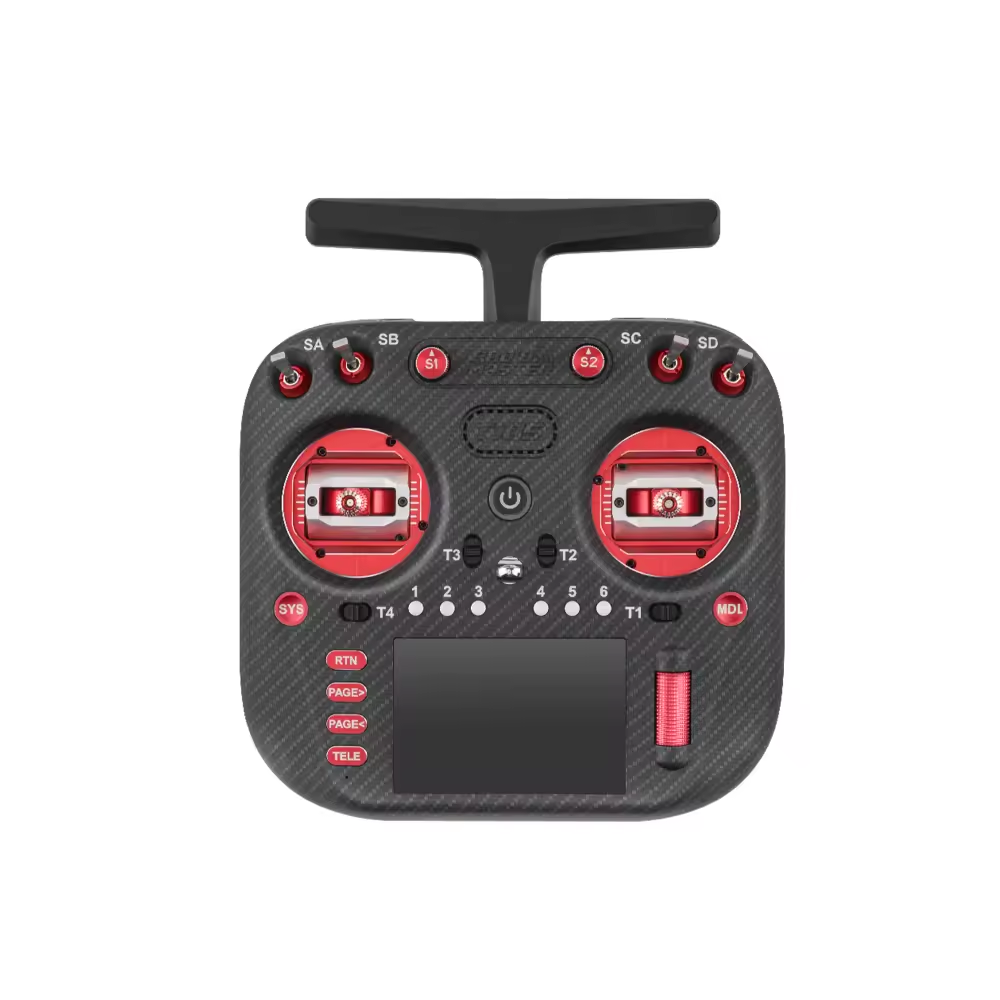
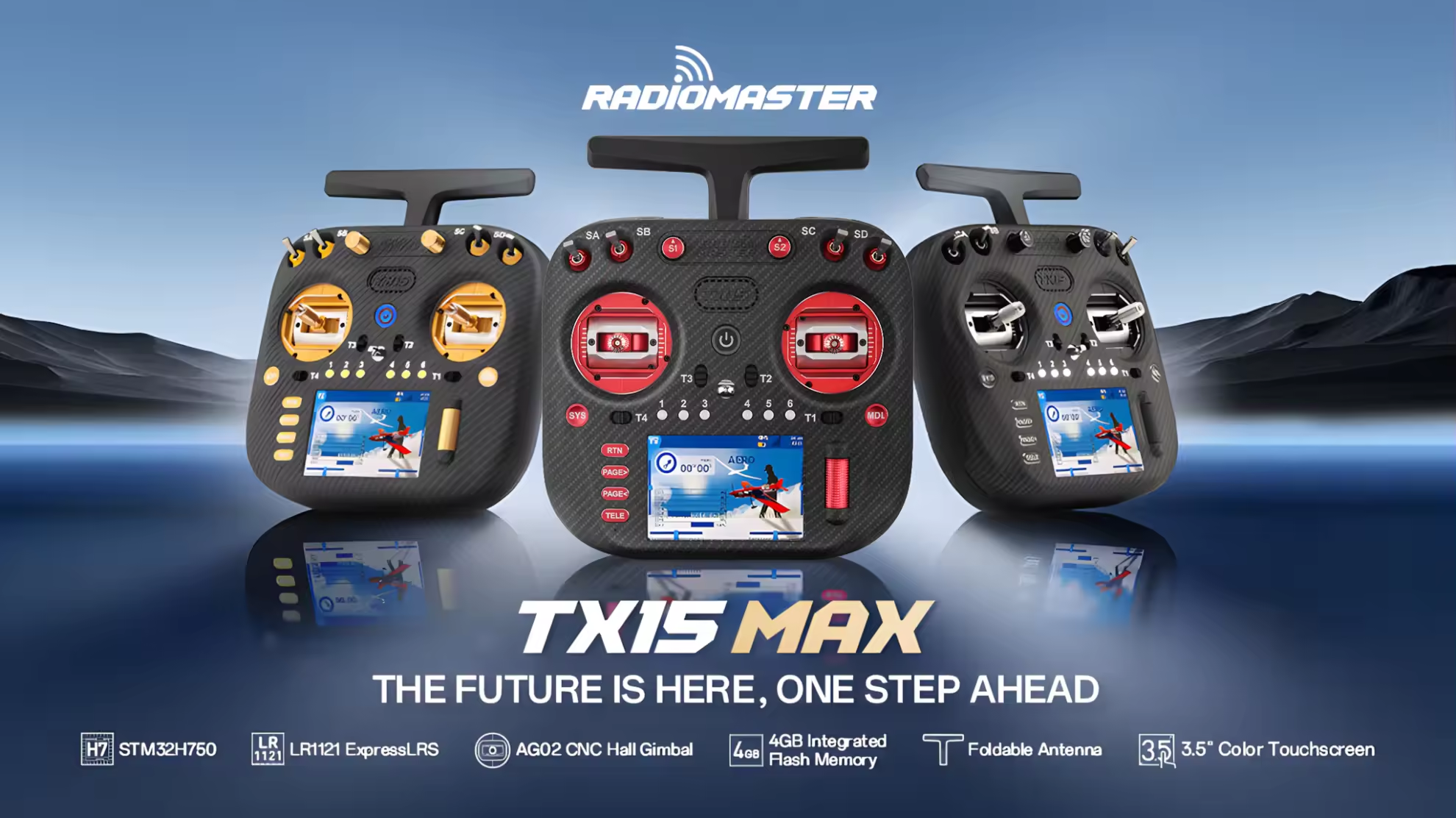
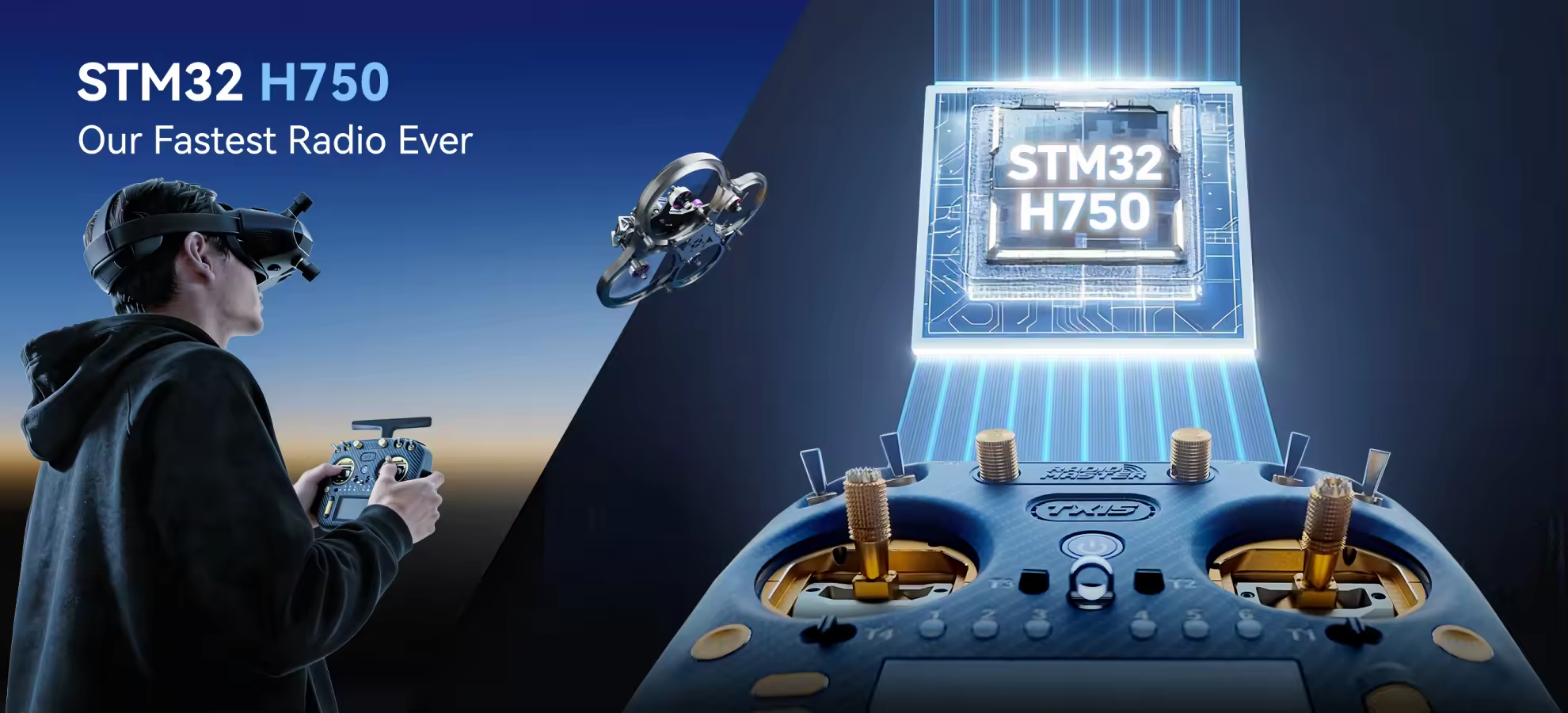
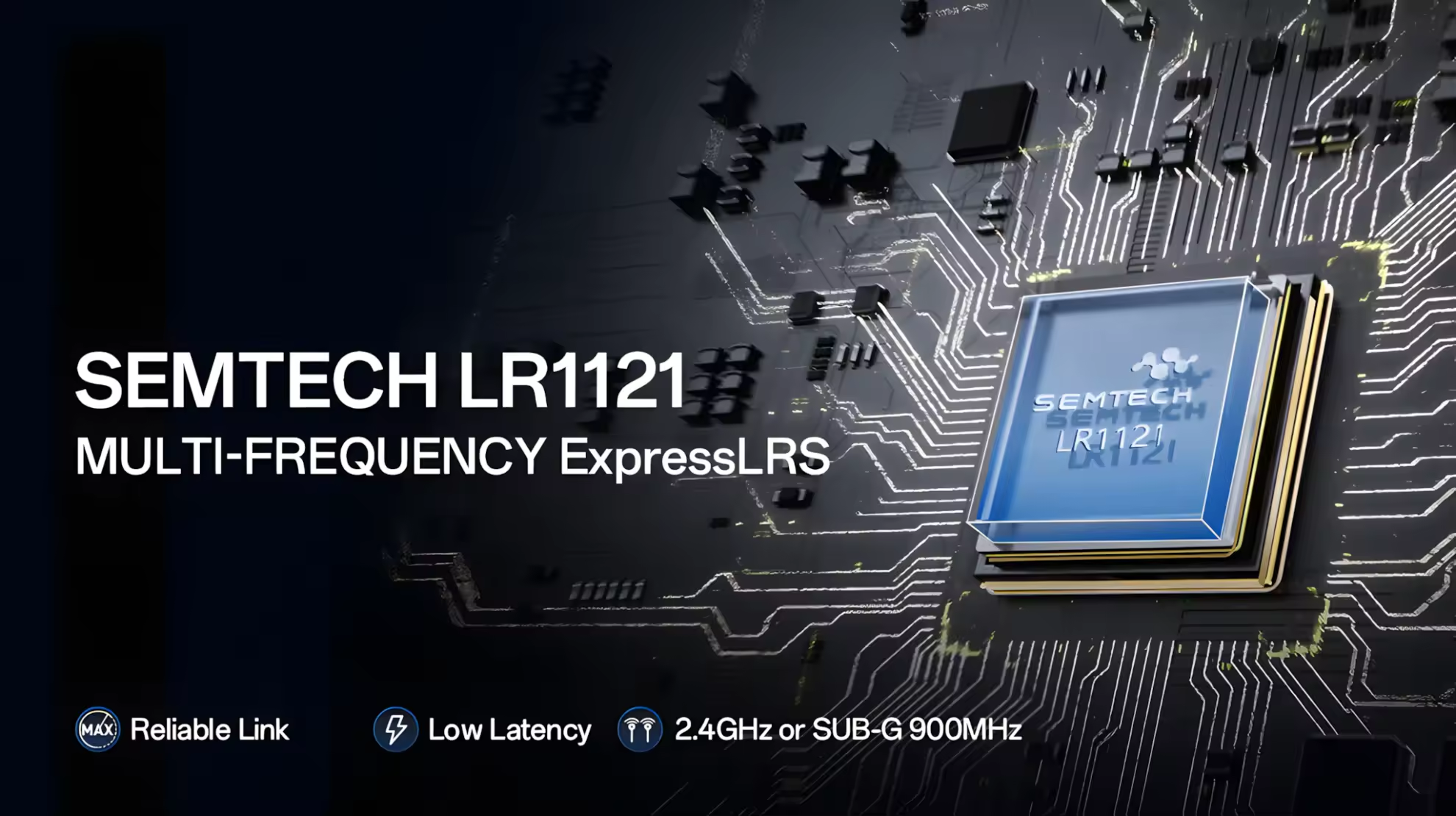
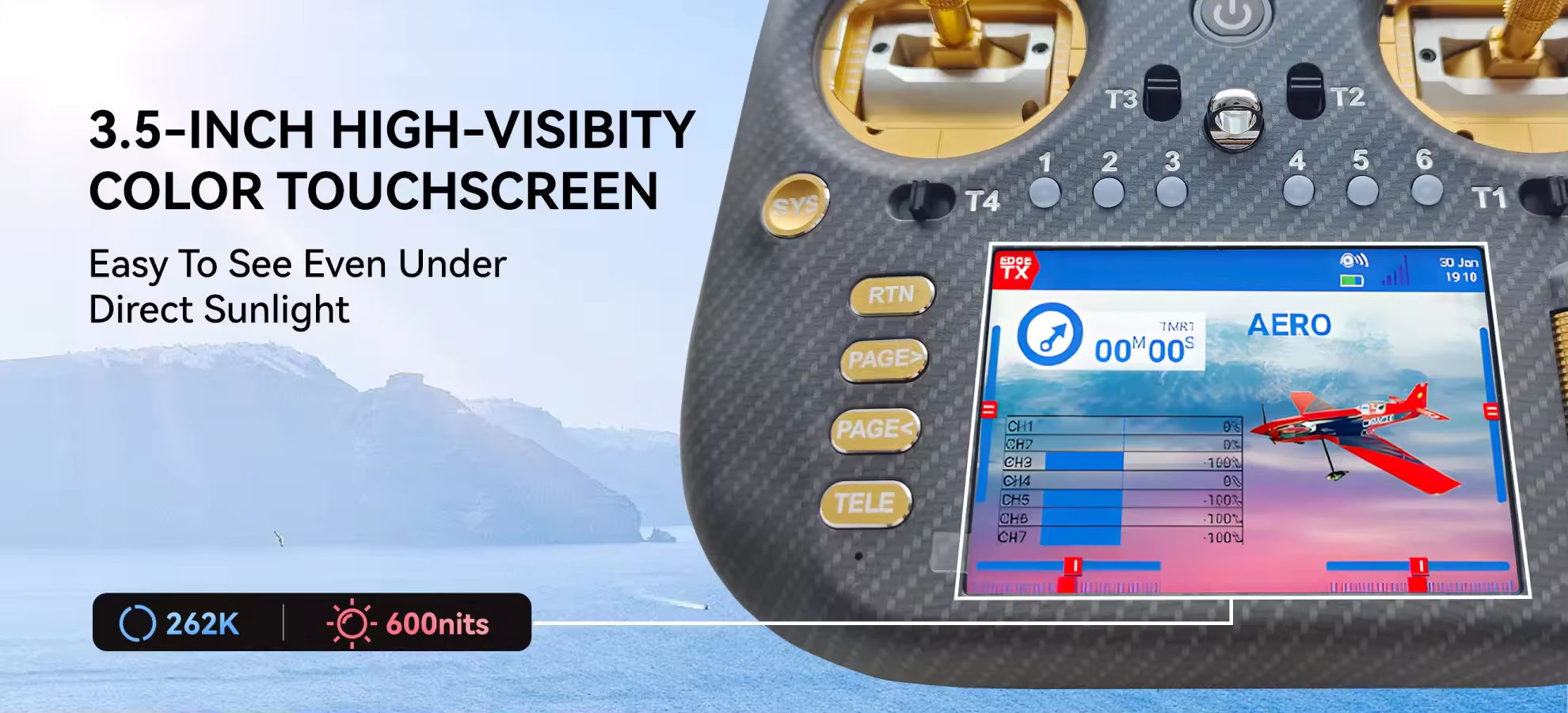
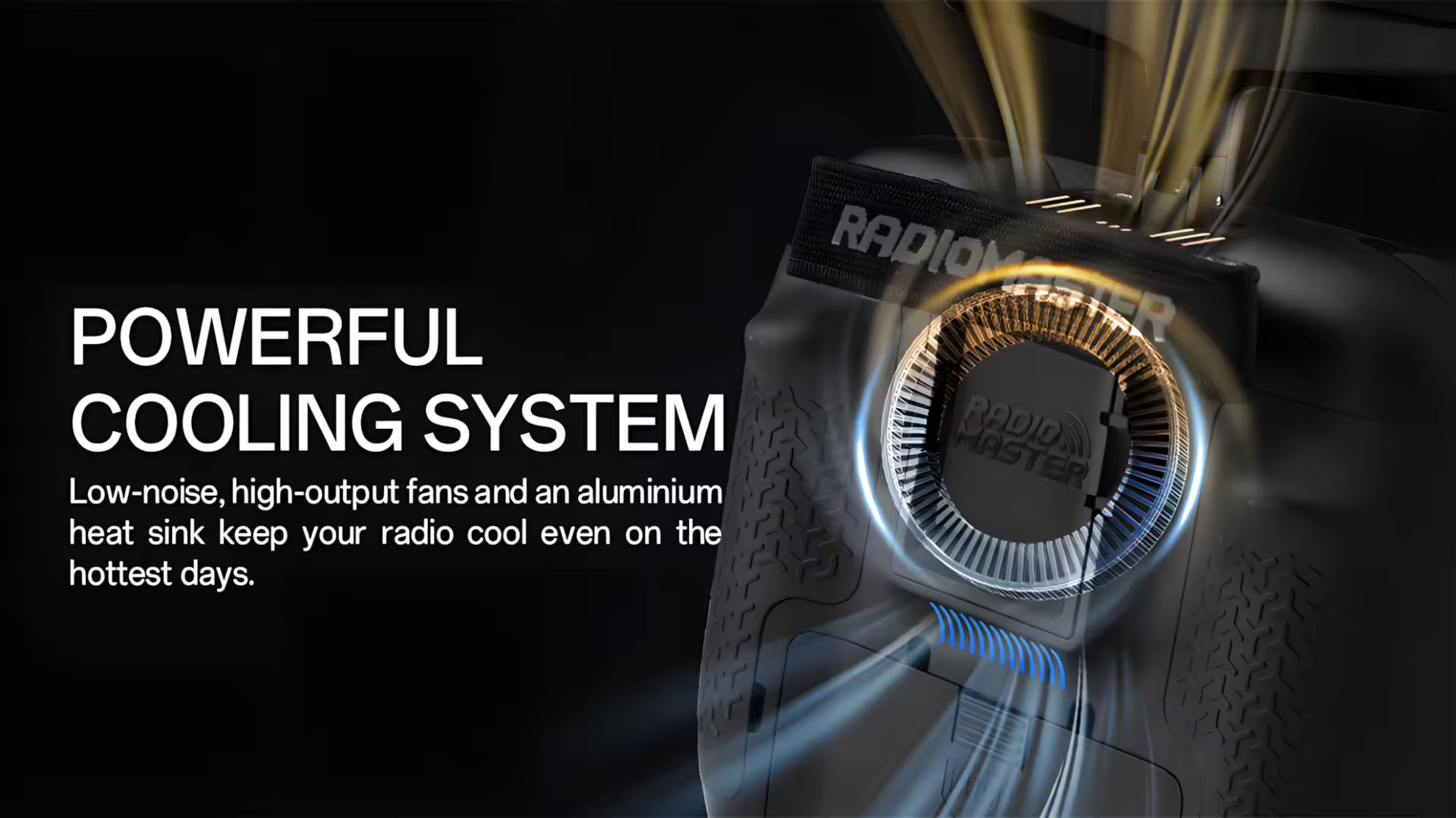
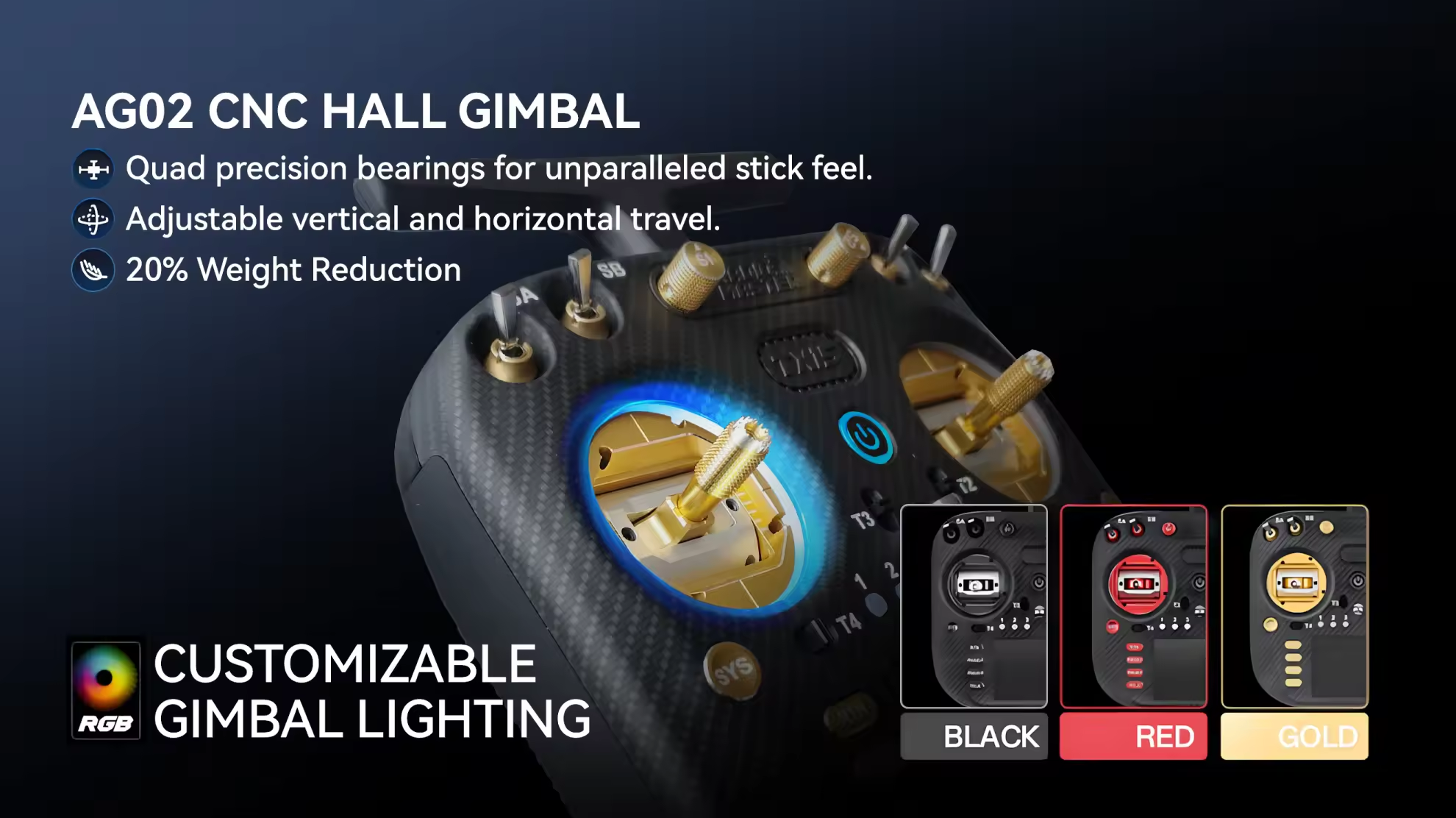
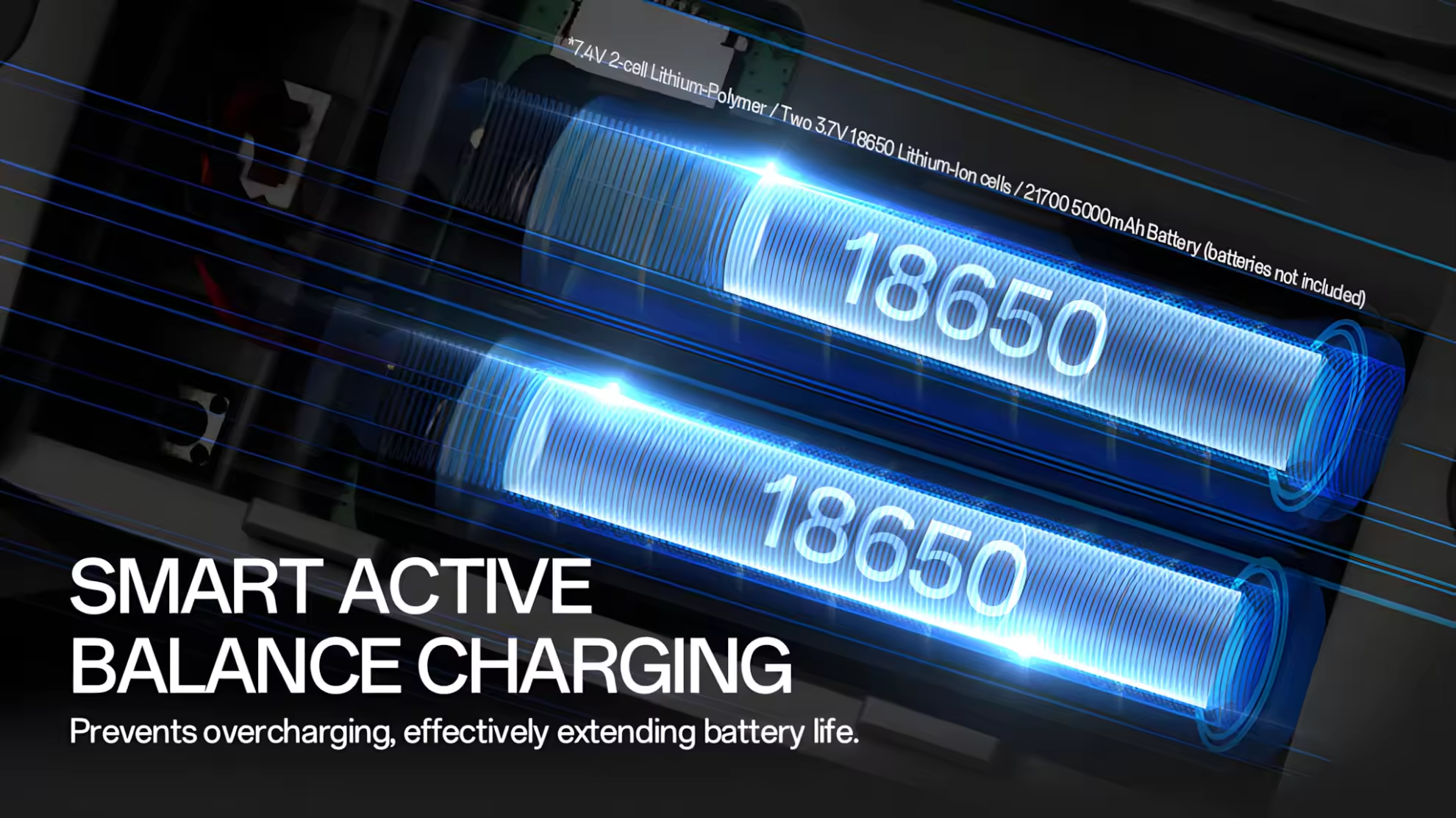
RadioMaster TX15 Max is the high-performance flagship of the TX15 series, engineered for professional pilots who refuse to compromise. At its core, the lightning-fast STM32H7 processor runs EdgeTX firmware with unprecedented speed. The radio features a vibrant 3.5” IPS touchscreen and premium AG02 CNC Hall gimbals with customizable RGB rings for ultimate precision. With a built-in dual-band ExpressLRS module, active cooling, and smart battery balancing, the TX15 Max sets a new standard for ultra-low-latency control and long-range reliability in the FPV and RC world.
Check out our radio controllers, all FPV Radio Controller Collection and the rest of our Radiomaster Products!
$245.99
$279.00
-12% 5 | 412Sold
Options (3)
Add-ons
Bundle and save up to $1.20 on gear — upgrade your setup for less.
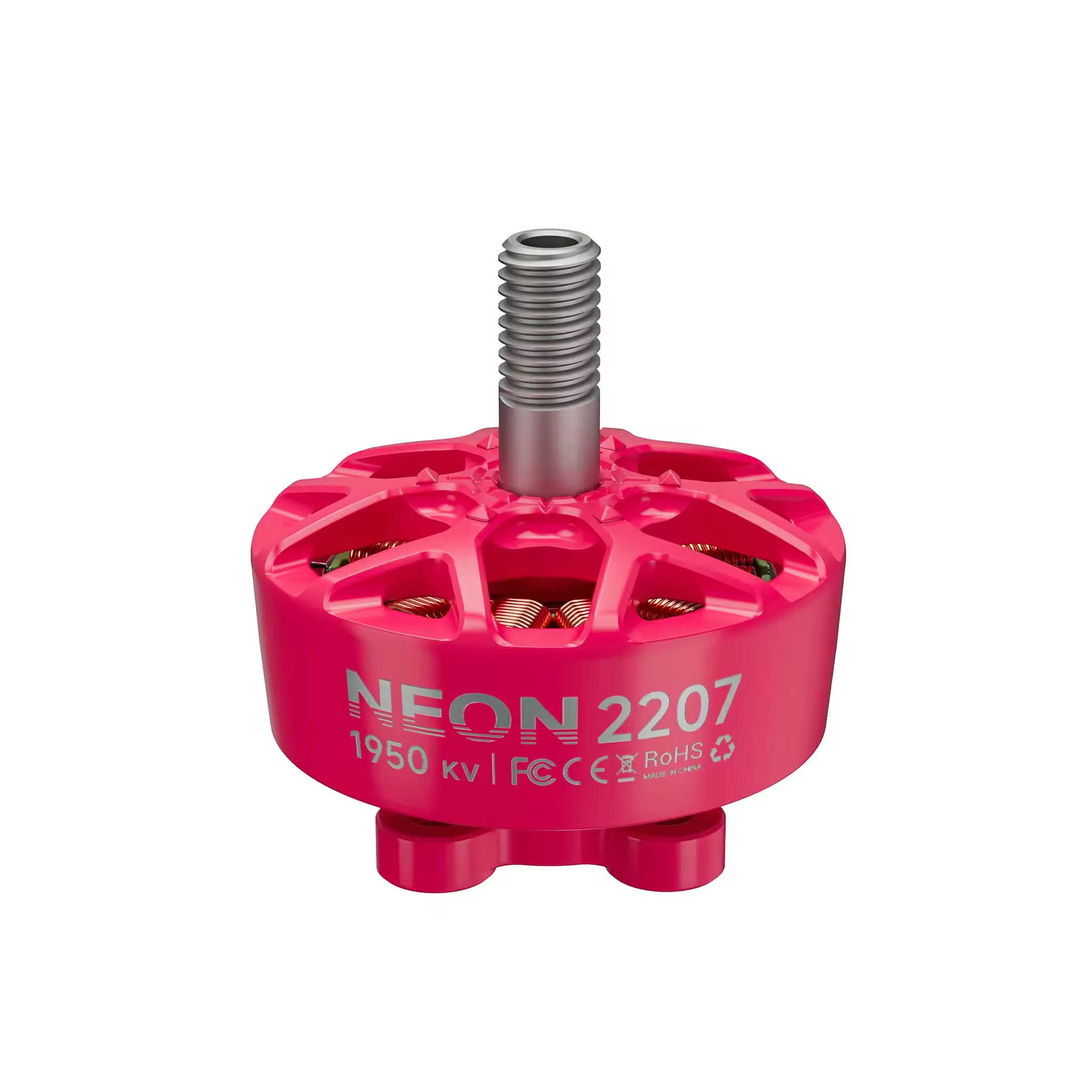
 MEPS NEON 2306 Quad Motor for 5'' Freestyle FPV Drone 1950KV/2050KV/2550KV1950KV / Fluorescent pink$9.41 Save $0.50
 RadioMaster 18650 3200mAh 1S 3.7V Li-ion Battery (2pcs) for TX16S / Boxer / TX12/ Pocket / MT12 Radios1S 3200mAh$13.29 Save $0.70


In Stock
Expected ship within 5 days after order.



- Free Shipping Over $79 | Save on Orders $79+
- 24-Month Warranty | 2 Years Full Protection
- 30-Day Returns From Shipment | 7-Day No-Reason Returns
- 24h Support Response | 24h Fast Support Guarantee

Top highlights
- Lightning-Fast STM32 H7 Core: Noticeably faster EdgeTX response and instant model switching compared to standard processors.
- Premium AG02 CNC Gimbals: Over 20% lighter and significantly smoother than plastic gimbals, featuring adjustable travel for precise racing control.
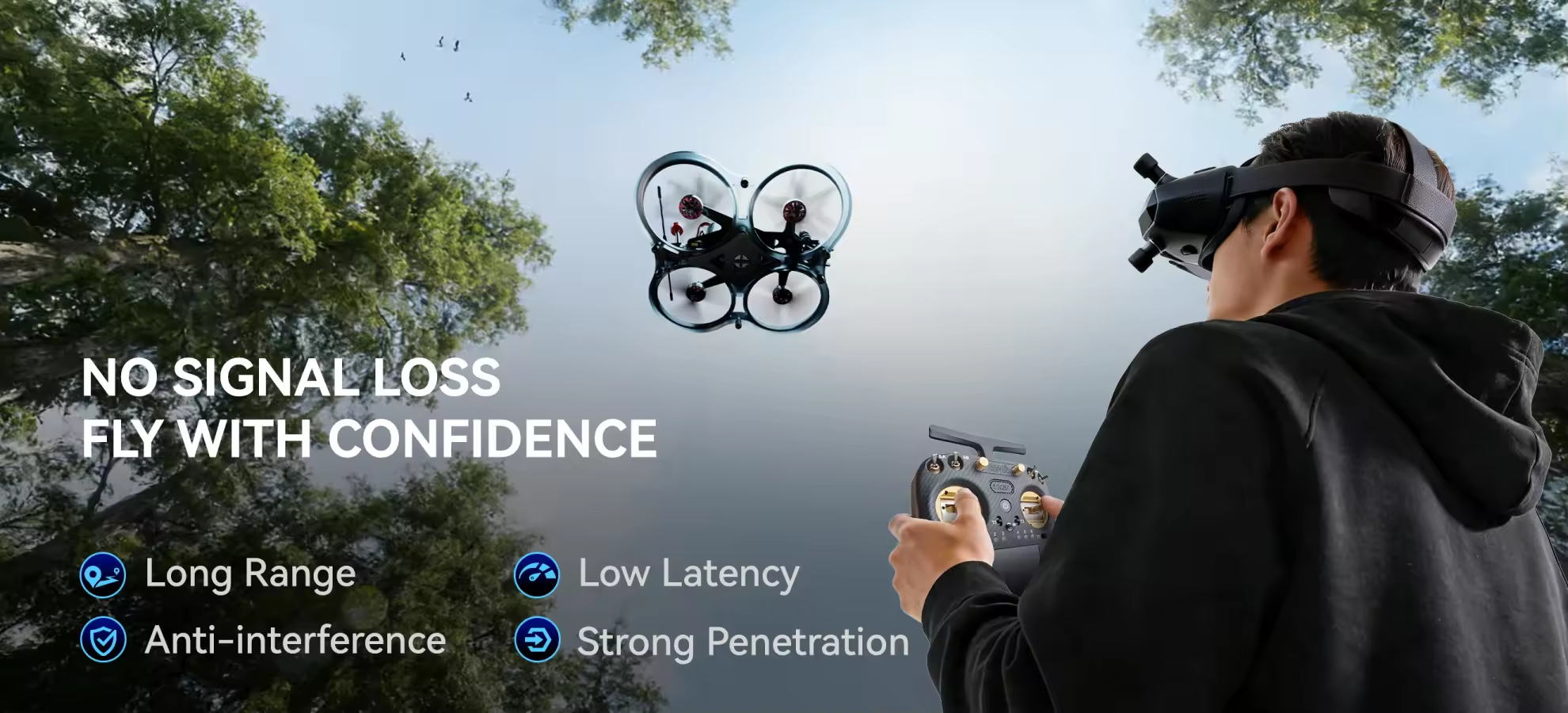
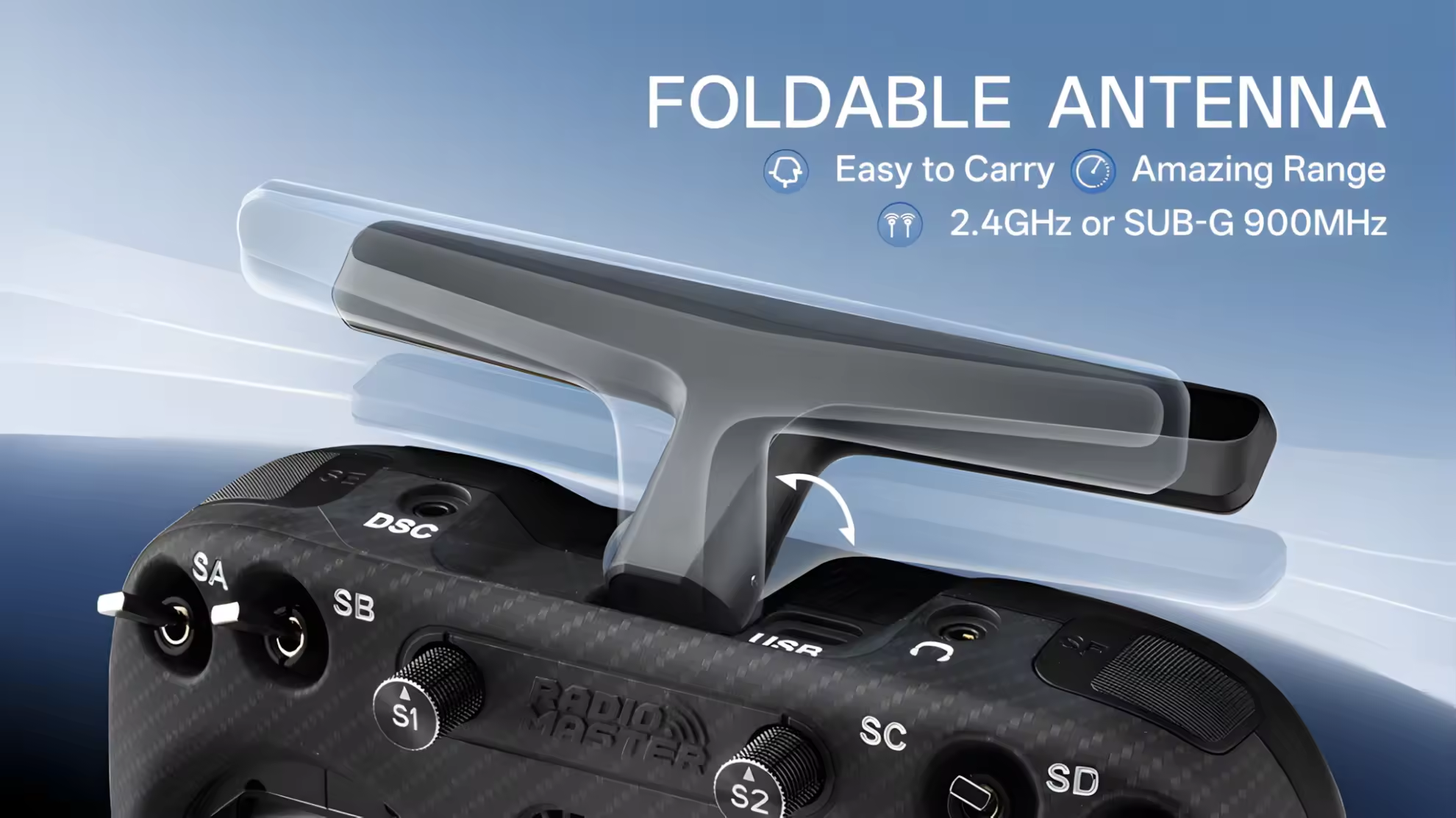
- Built-in Dual-Band ELRS: Integrated LR1121 supports both 2.4GHz and 900MHz, providing a more reliable long-range link than single-band systems.
- High-Bright 600-Nit Touchscreen: A 3.5” IPS display that remains clear under direct sunlight, outperforming lower-brightness entry-level screens.
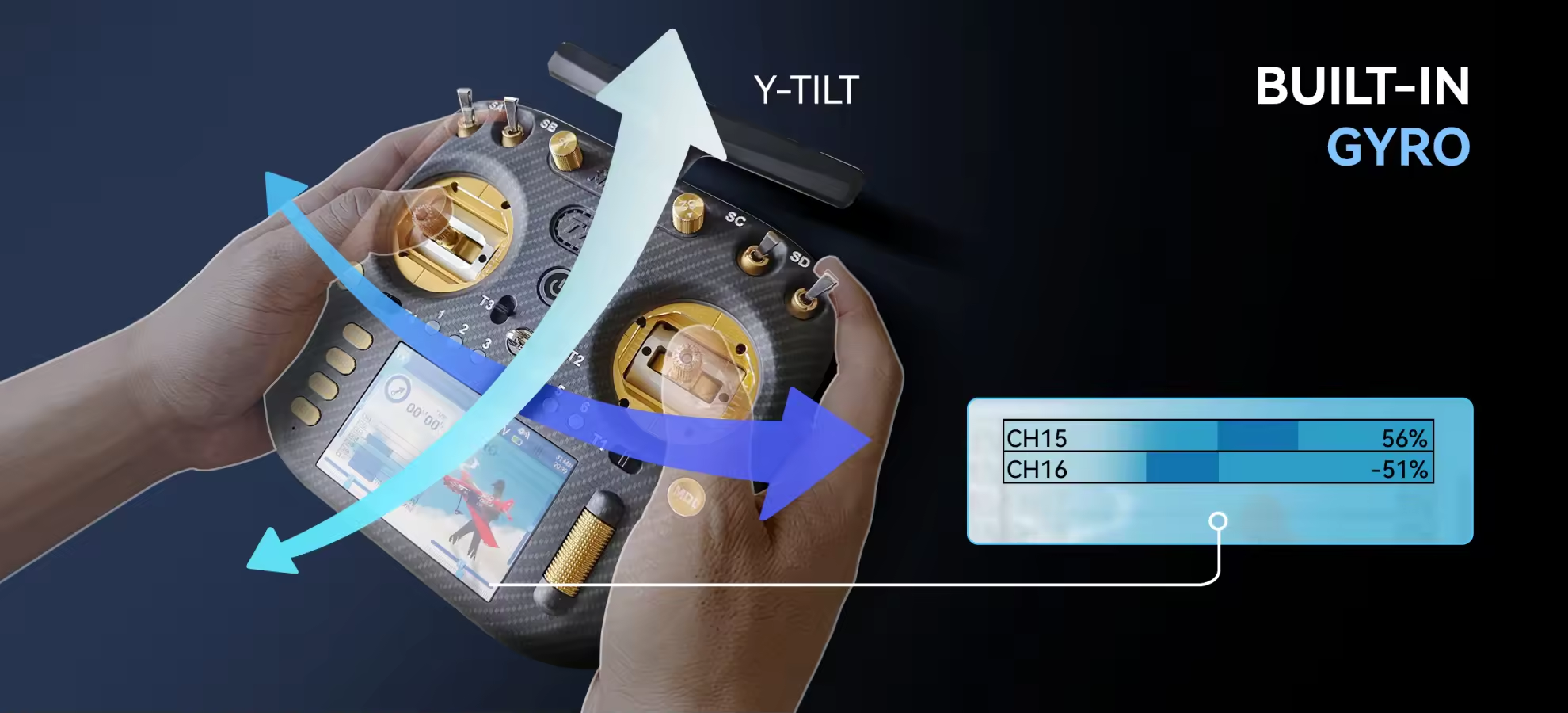
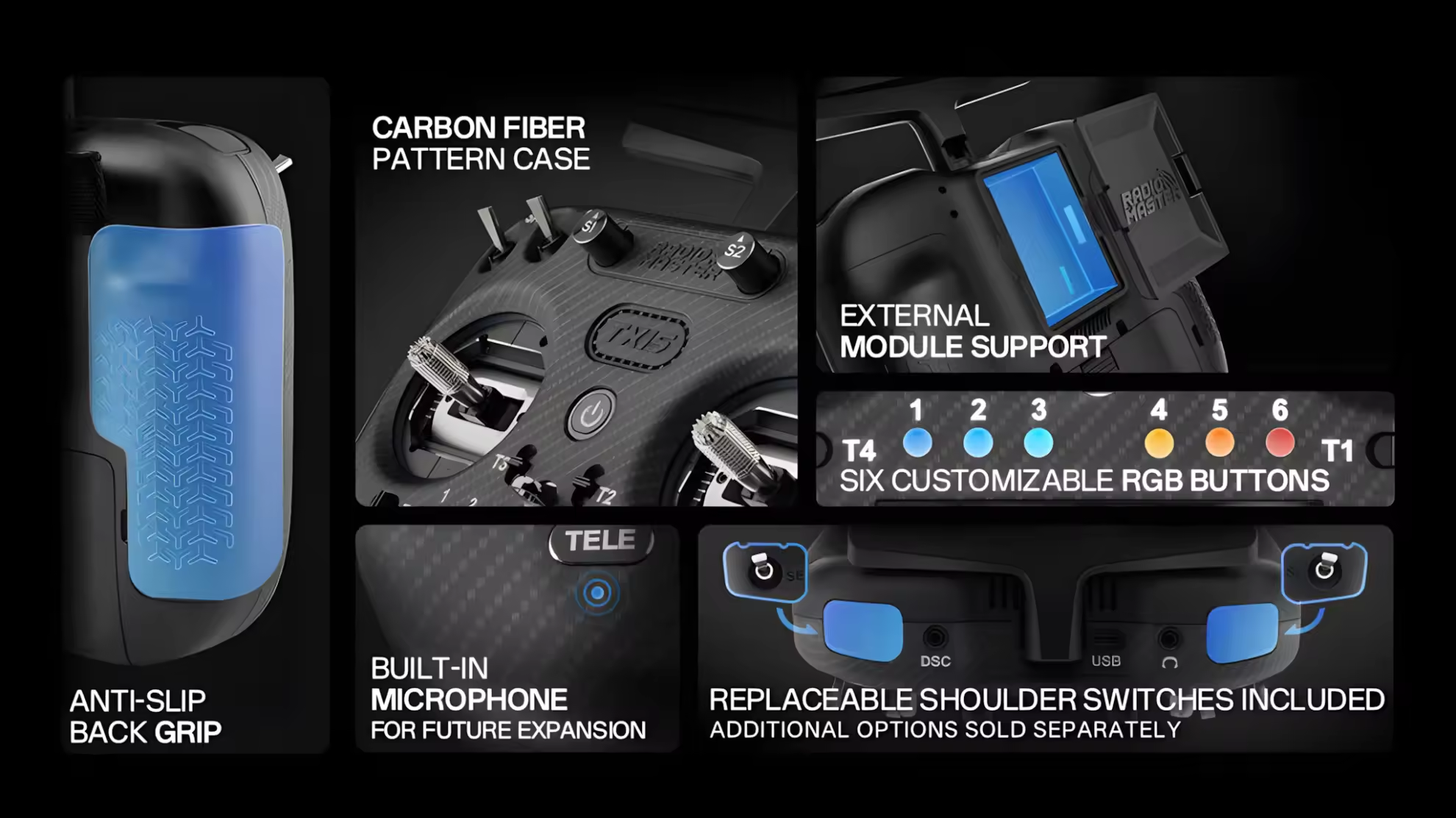
- Advanced Control Freedom: Integrated 6-axis gyro (TiltX/Y) and swappable switches offer customization options basic transmitters simply can't match.

Payment | Every order you place with us is safe & secure 


Share
 Verified