



- Photos
- Videos
1932343171919486977
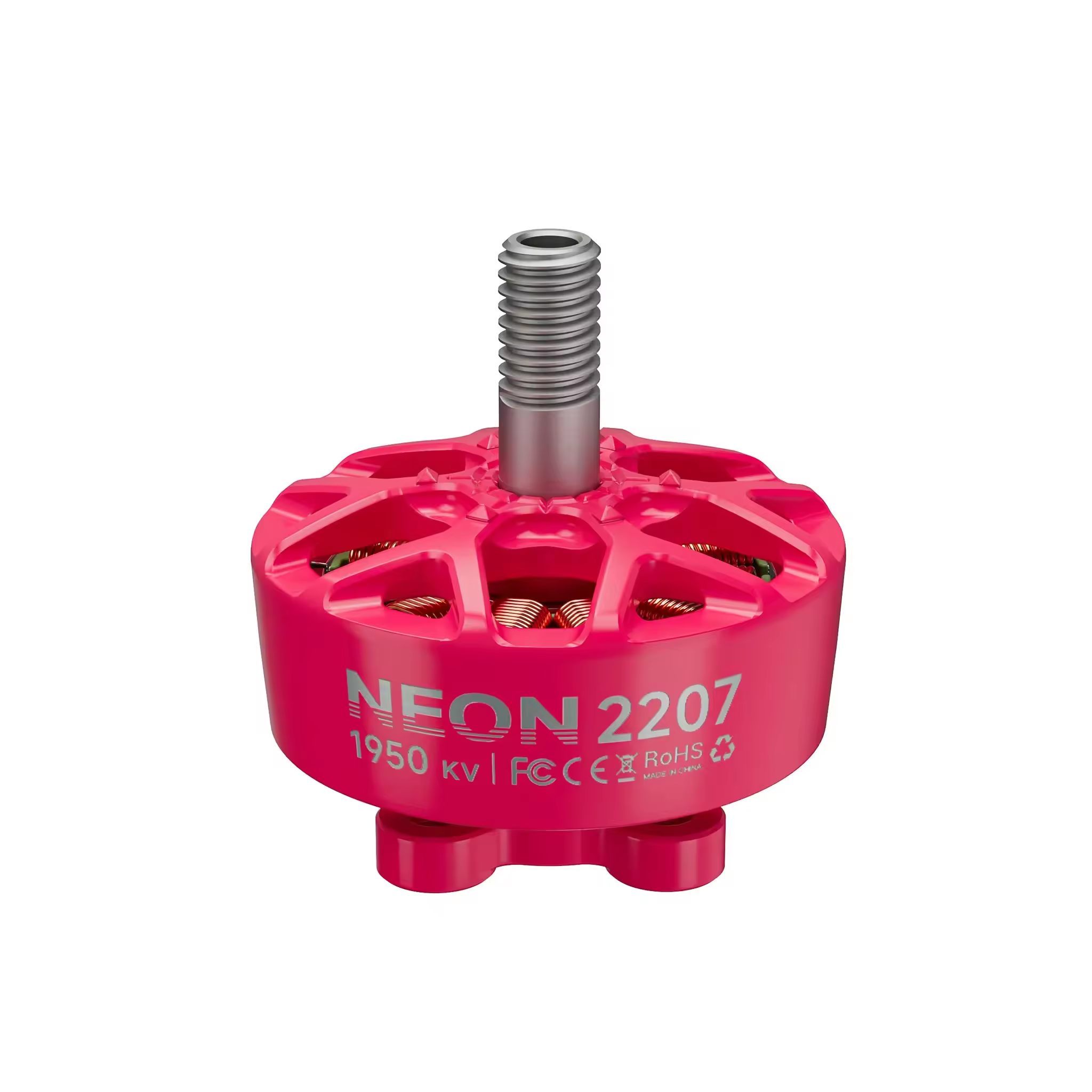
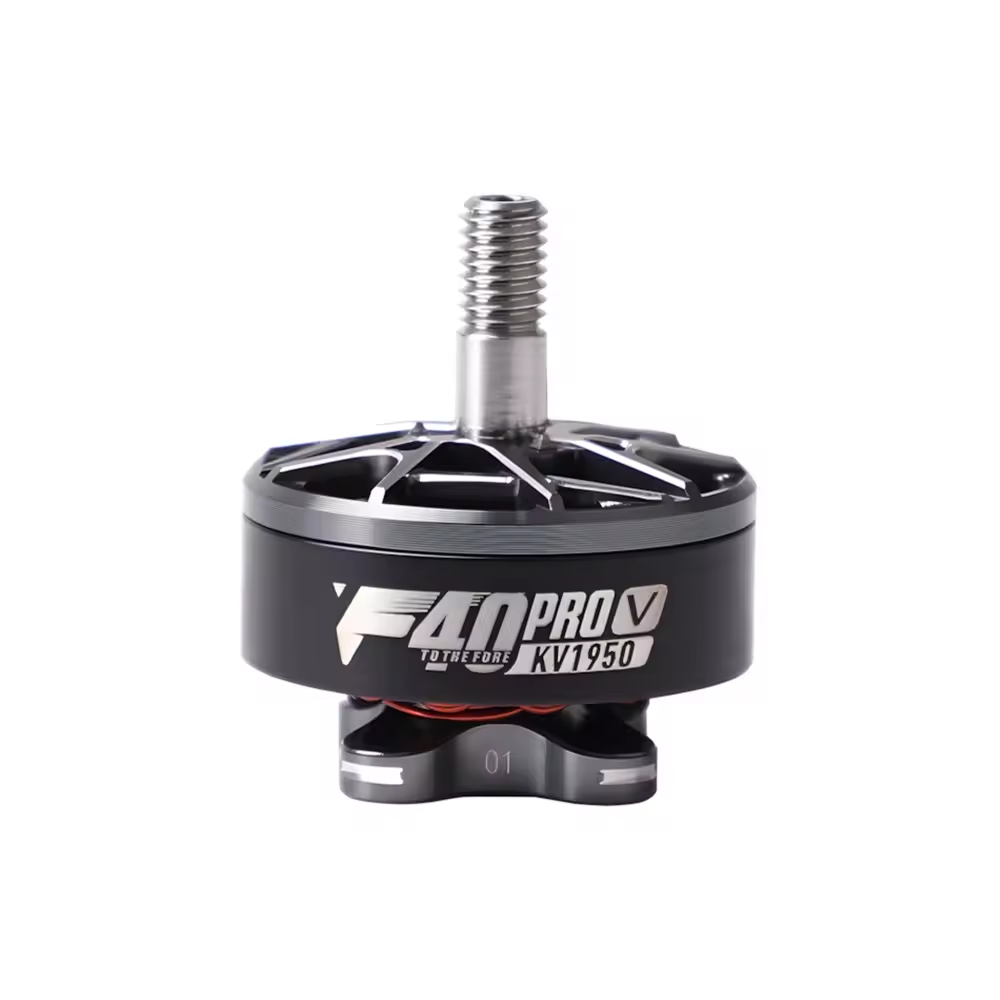
T-HOBBY F40 PRO V High Thrust & Smooth Control Motor for 5″ Racing FPV Drone1950KV/2150KV
About T-Hobby F40 Pro-V FPV Drone Motor:
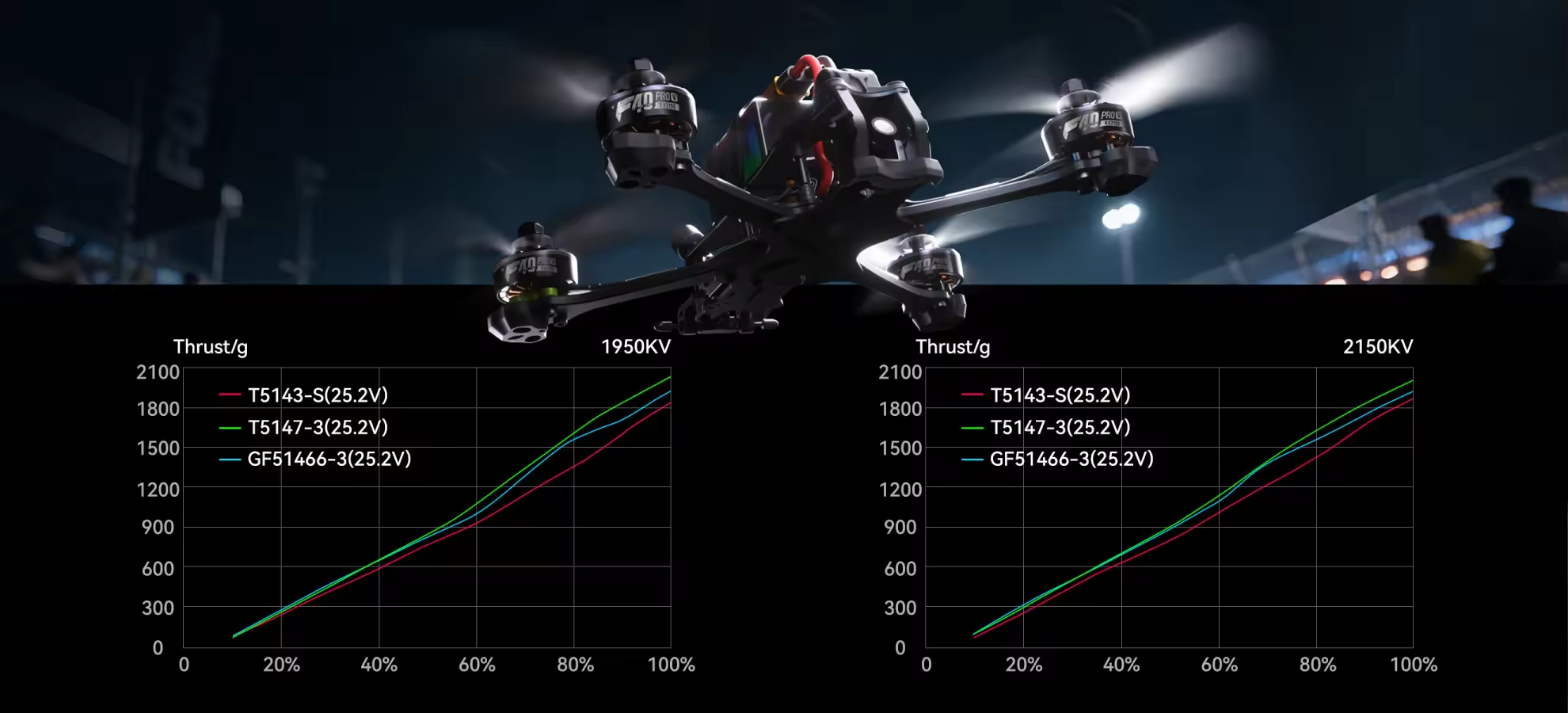
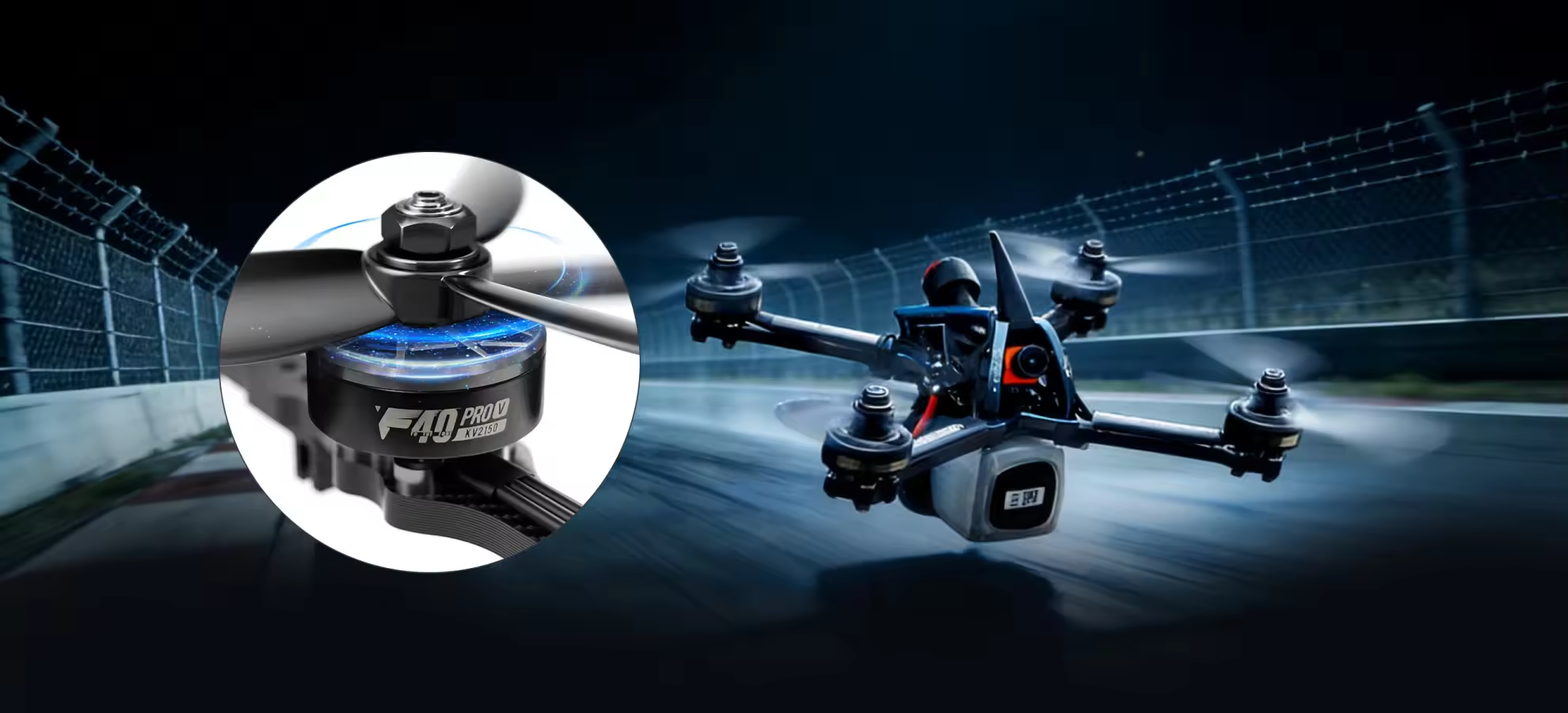
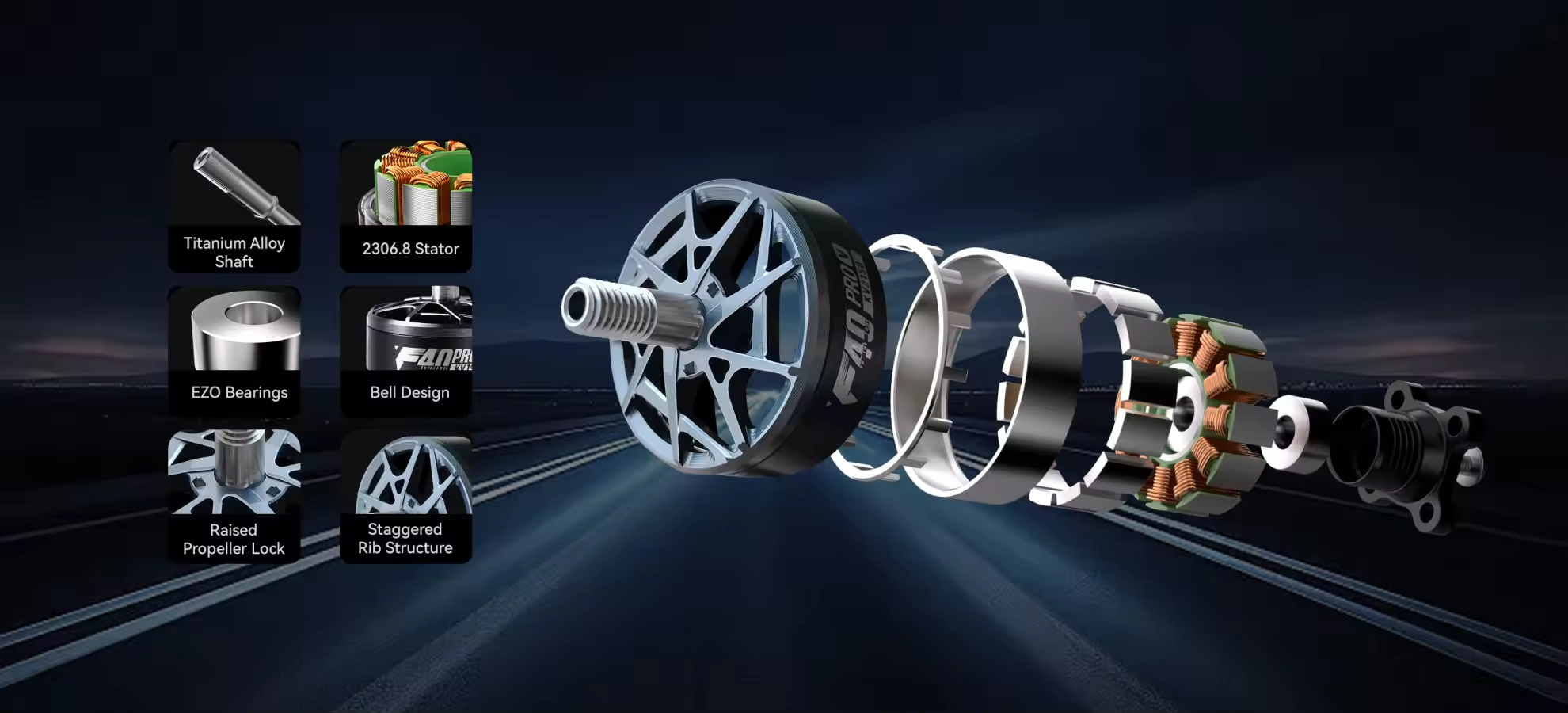
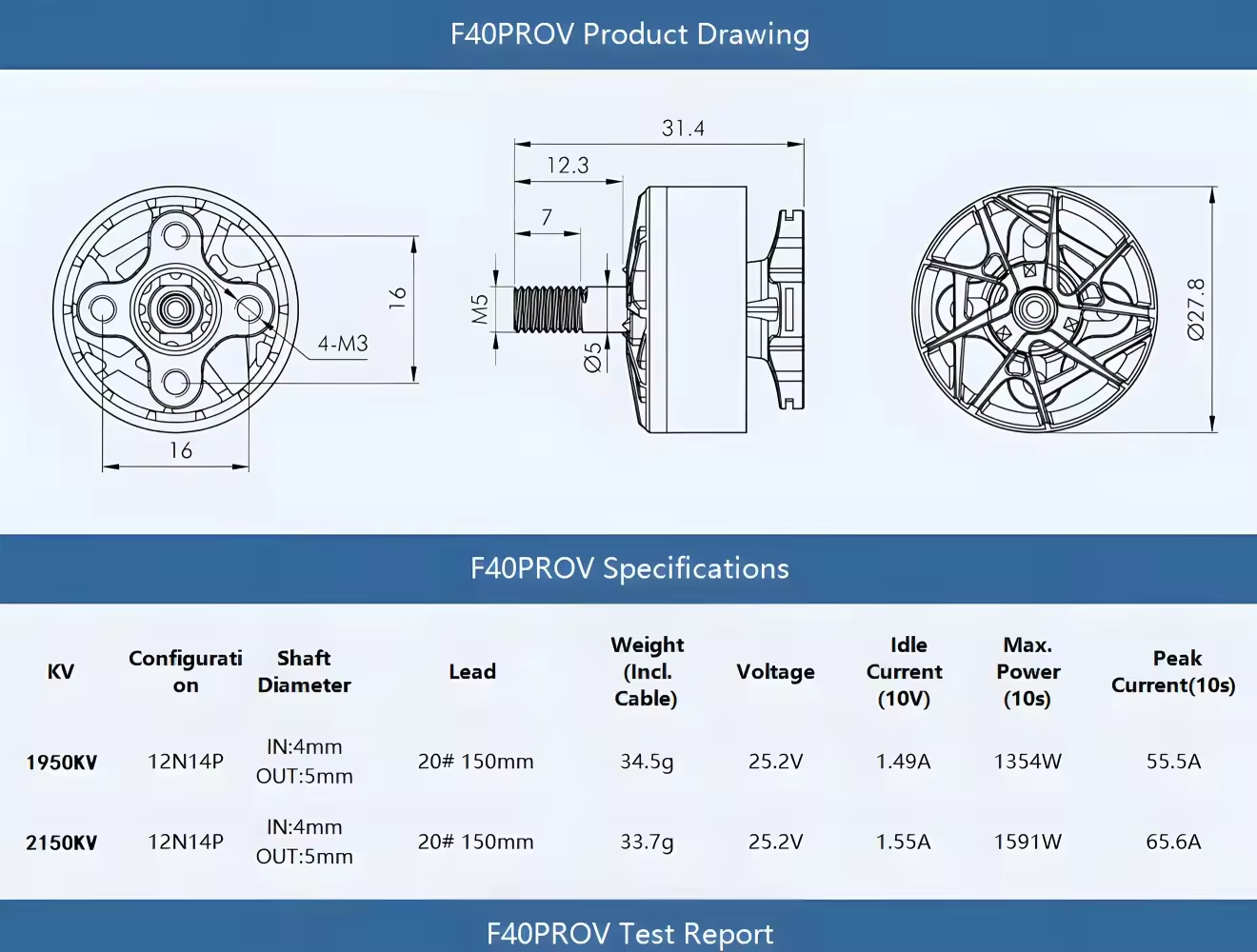
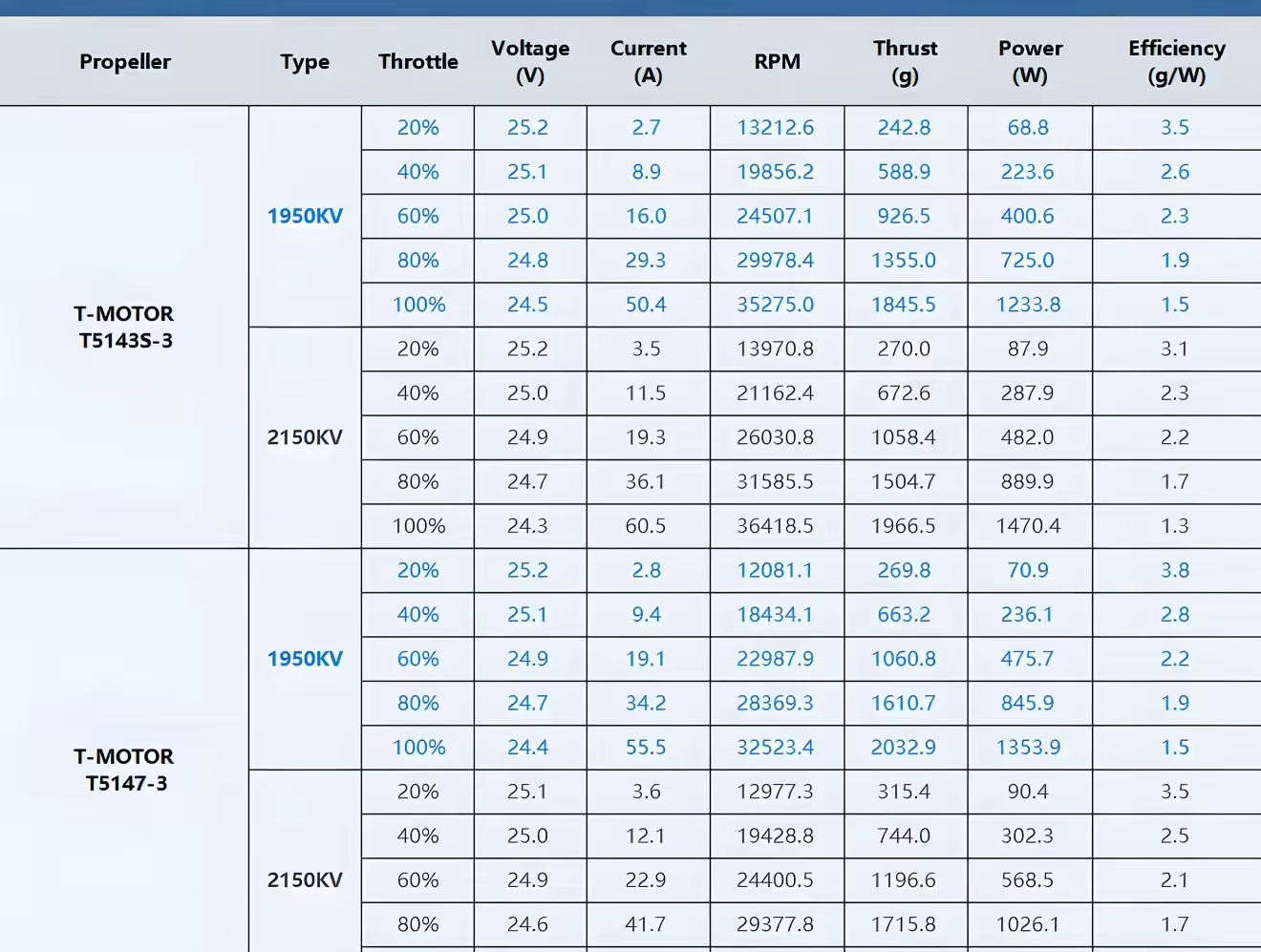
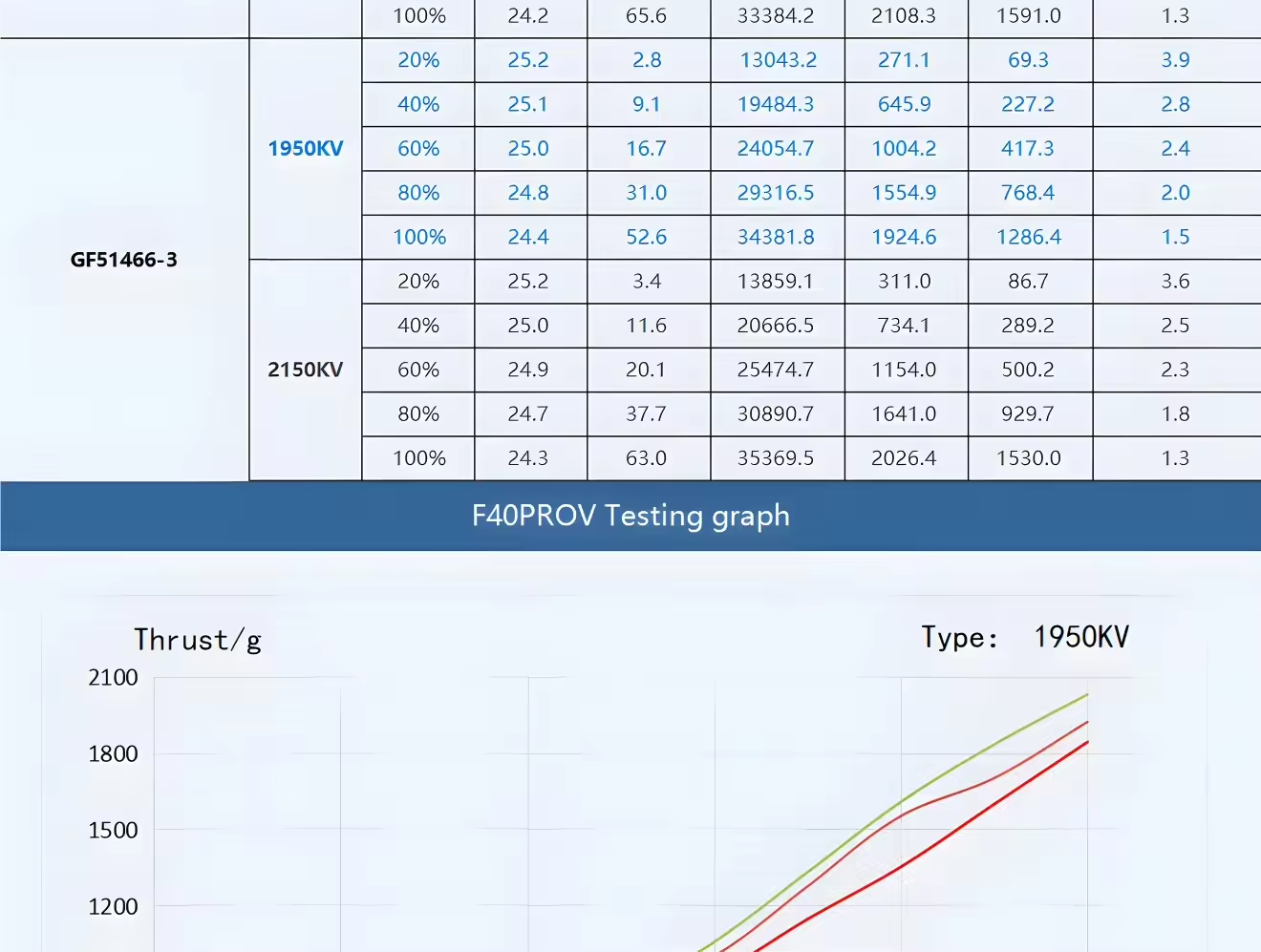
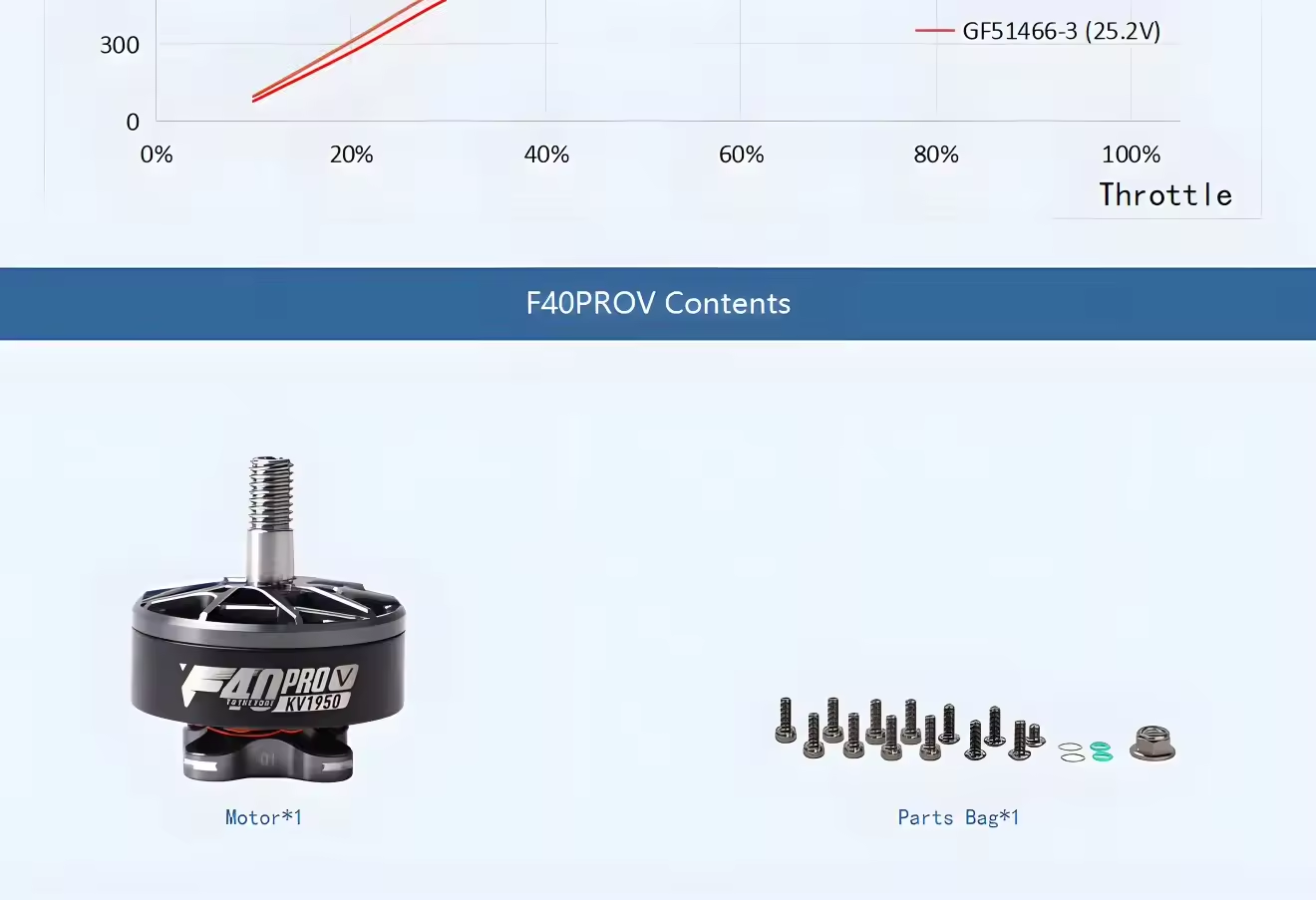
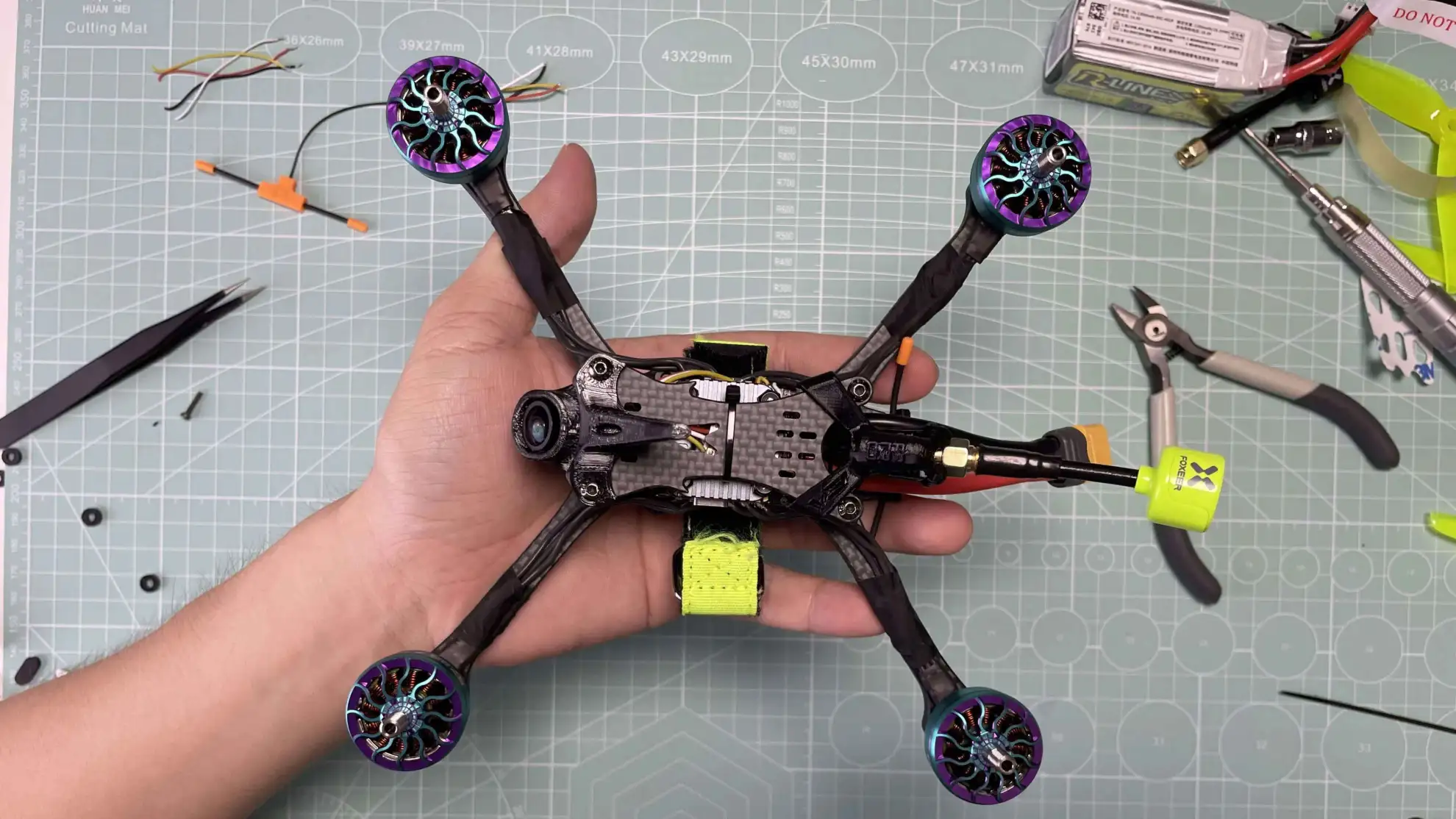
The T-HOBBY F40 PRO V is a high-performance FPV racing motor designed for 5-inch 6S racing drones. Available in 1950KV and 2150KV, it combines high thrust, smooth throttle response, and reliable high-RPM performance. The motor features a titanium alloy shaft, premium EZO bearings, optimized magnetic circuitry, and a staggered-rib bell design with enhanced propeller grip. The 1950KV version offers a more controlled and efficient power delivery, while the 2150KV version provides higher RPM, stronger acceleration, and greater peak thrust for aggressive racing setups.
Check out our motors for racing, all FPV Motor Collection and the rest of our T-HOBBY Products!
$35 Off Orders $499+
$20 Off Orders $299+
$ 23.90
$47.90
-50% 5 | 310Sold
Options (3)
Add-ons
 MEPS SZ5145 3-Blade FPV Drone Propeller for 5-inch Drones LightweightYellow / 8PCS$4.90
$4.90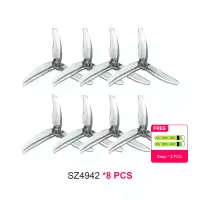 MEPS SZ4942 3-Blade Propeller for 5 inch FPV LightweightClear Grey / 8pcs$4.90
$4.90


In Stock
Expected ship within 48 hours after order.



- Free Shipping Over $79 | Save on Orders $79+
- 24-Month Warranty | 2 Years Full Protection
- 30-Day Returns From Shipment | 7-Day No-Reason Returns
- 24h Support Response | 24h Fast Support Guarantee

Top highlights
- Peak Performance, Zero Overheat–Stable, reliable, and built for pro-level racing.
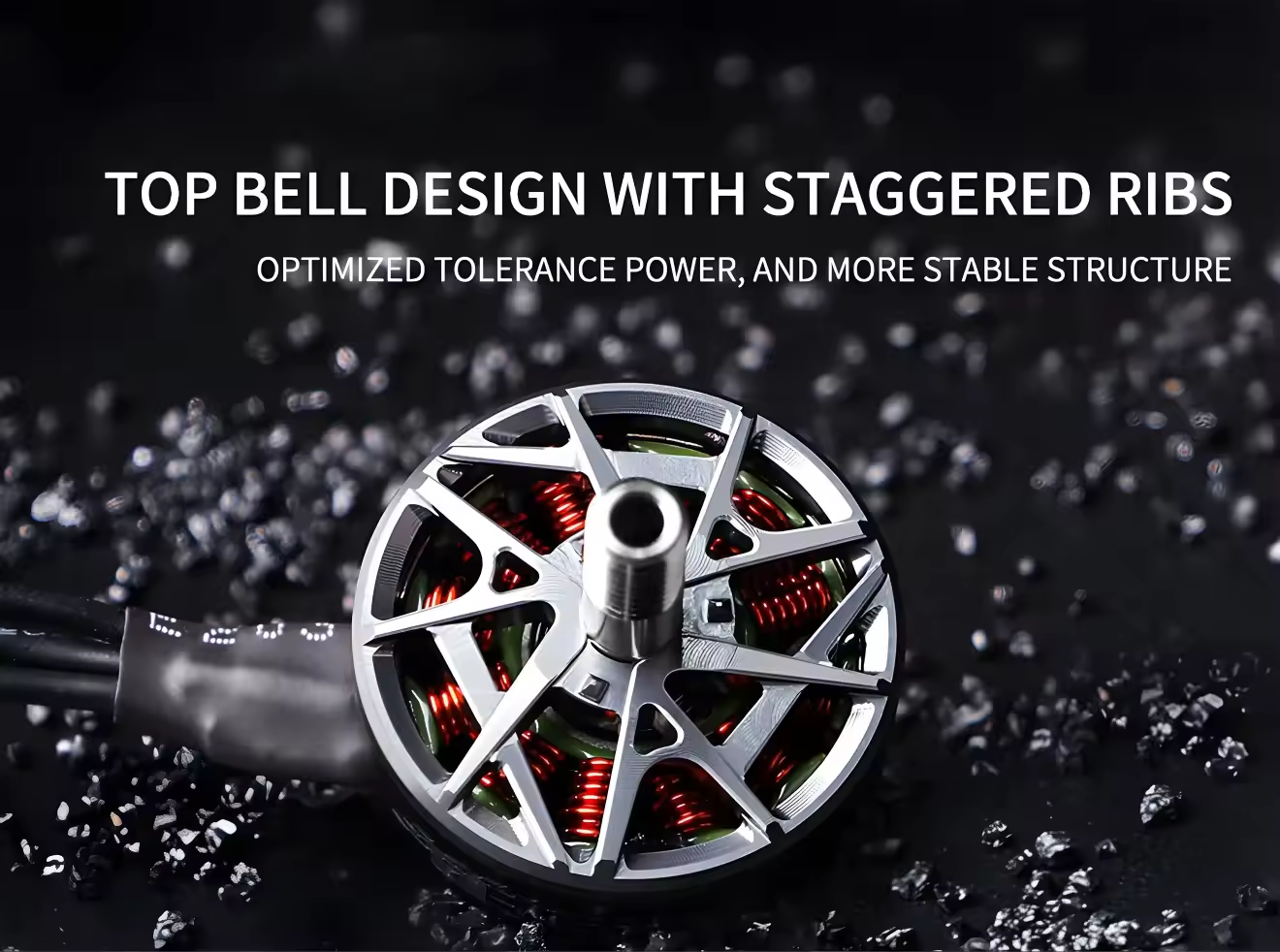
- Reinforced Structural Design–Staggered rib top bell and precision tolerances enhance strength, resist deformation, and ensure stable, high-speed performance.
- Optimized Magnetic Circuit–Ensures smooth, stable power with zero desync at high KV, delivering responsive, high-performance racing.
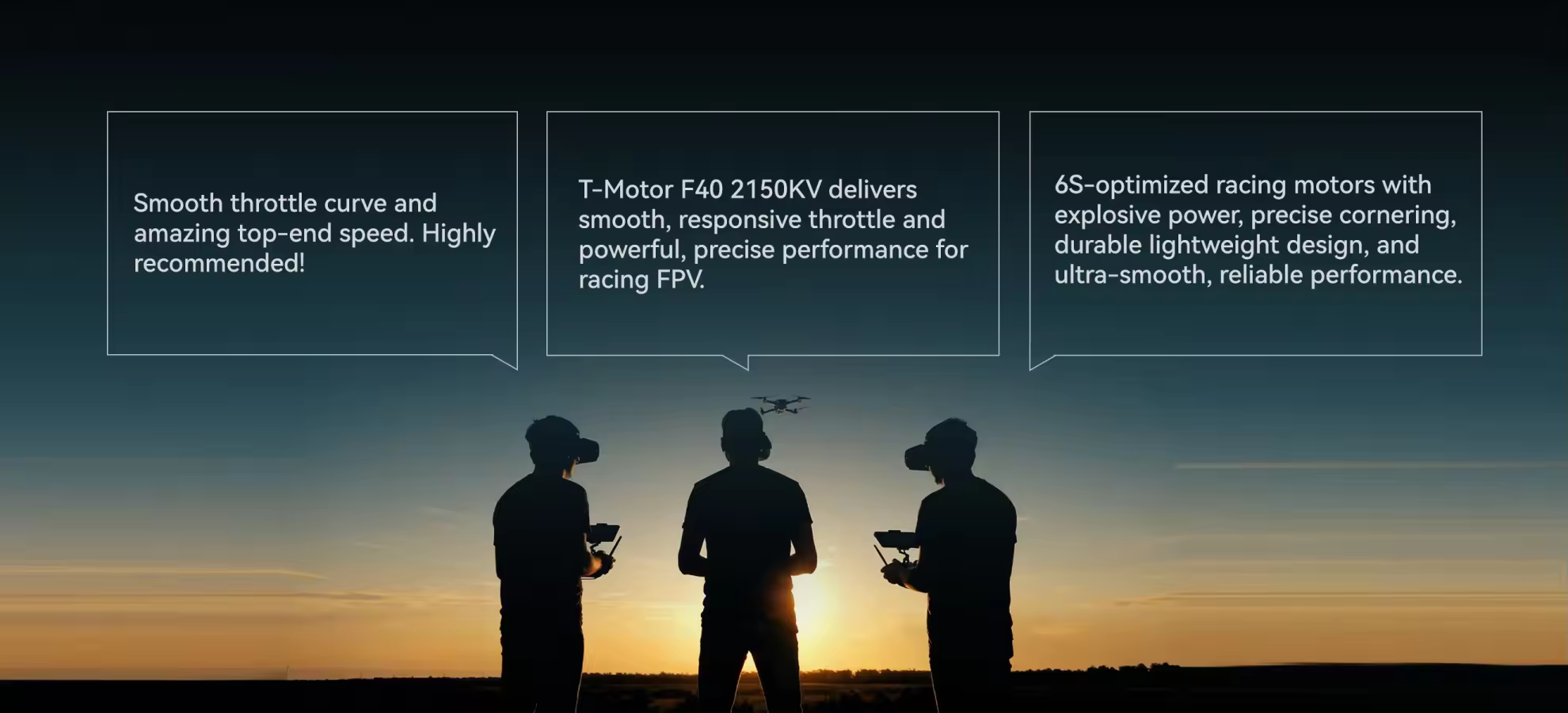
- Strong Thrust & Linear Response–Provides powerful, durable thrust with smooth, precise control for high-intensity FPV racing.
- Precision-Balanced Design–EZO bearings ensure ultra-smooth rotation and long-lasting durability, even under intense racing conditions.

Payment | Every order you place with us is safe & secure 


Share



 Verified