
HOTA F6 1000W 4-Channel LiPo Charger Buying Guide
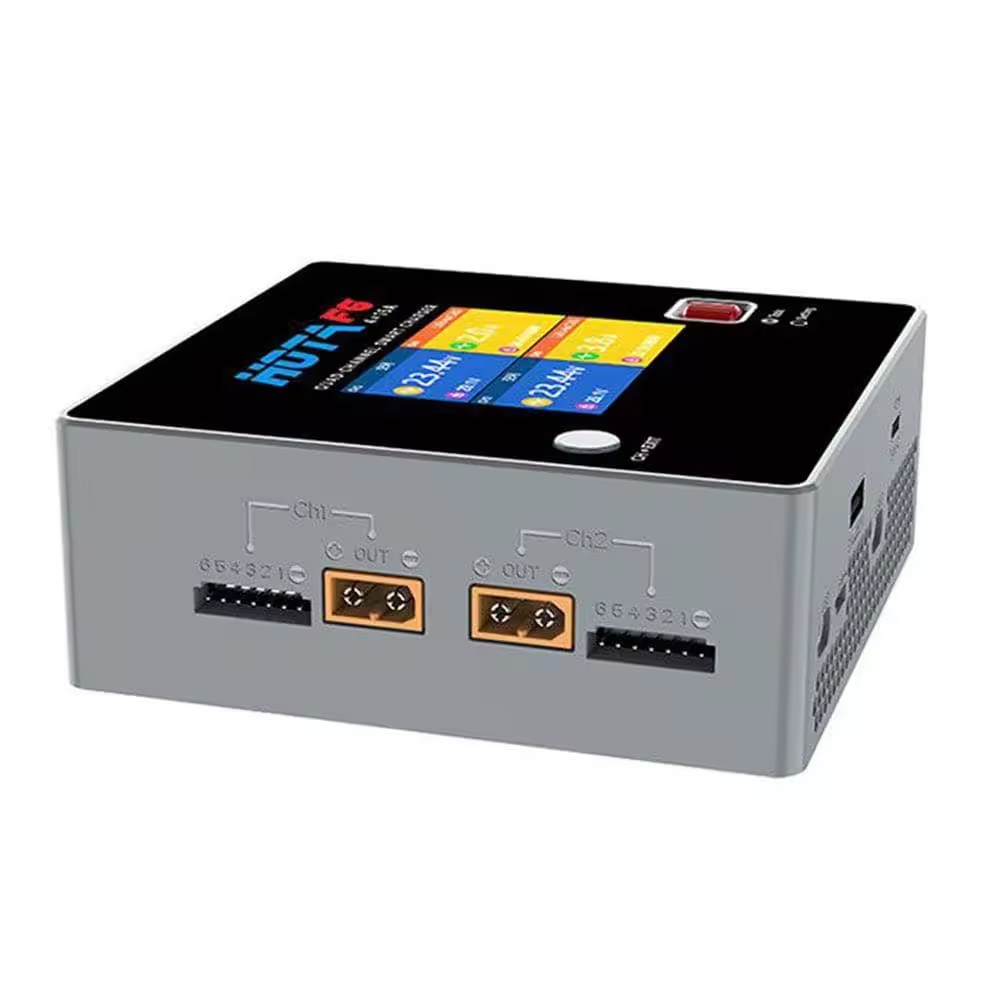
The HOTA F6 is a 4-channel DC smart charger designed for FPV pilots who regularly need to charge multiple batteries. Each channel provides up to 250W and 15A, giving the charger a maximum rated output of 1000W when supplied with sufficient DC input voltage. It supports 1–6S LiPo, LiHV, LiFe, and Li-Ion batteries, making it suitable for most FPV battery setups. Its four independent channels are the main reason to choose it over a conventional dual-channel charger: you can charge four batteries individually at the same time without relying on a parallel charging board.
Why Four Independent Channels Matter for FPV
For FPV pilots, battery charging can quickly become a bottleneck. A typical flying session may require several 4S or 6S packs, and a two-channel charger means only two batteries can be processed at once.
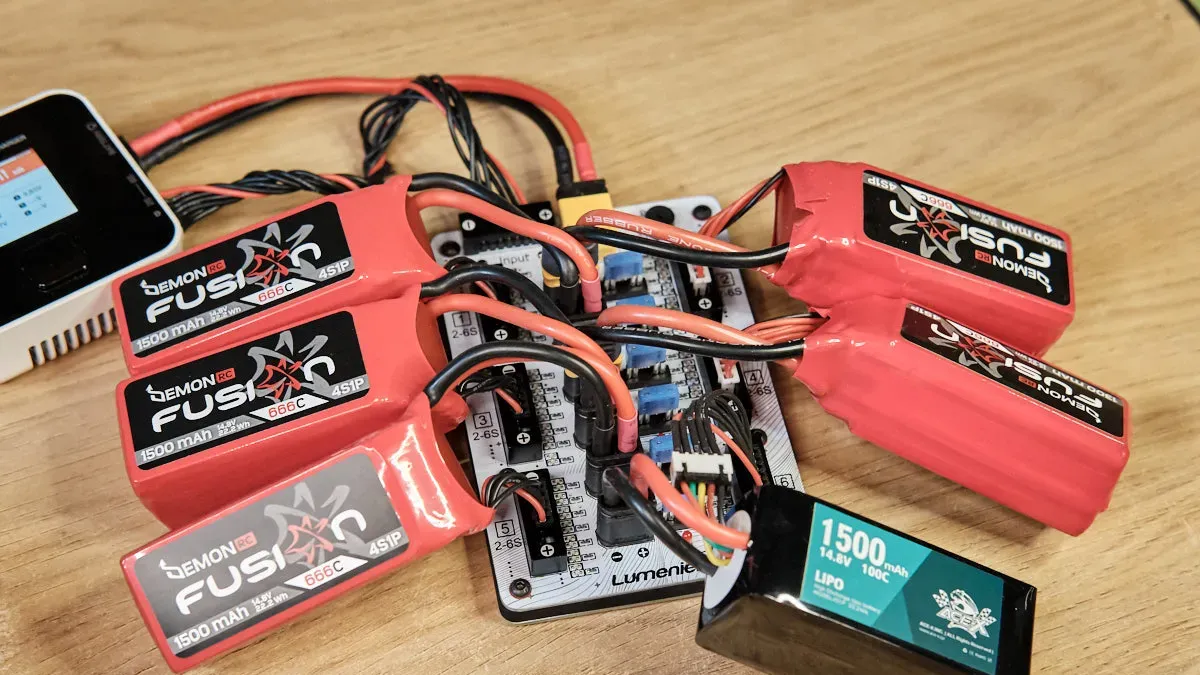
The HOTA F6 solves this with four independent charging channels. Each channel can be configured separately, so four batteries with different capacities or charge levels can be connected simultaneously. You do not need to charge batteries in matched groups or connect several packs to a parallel board.
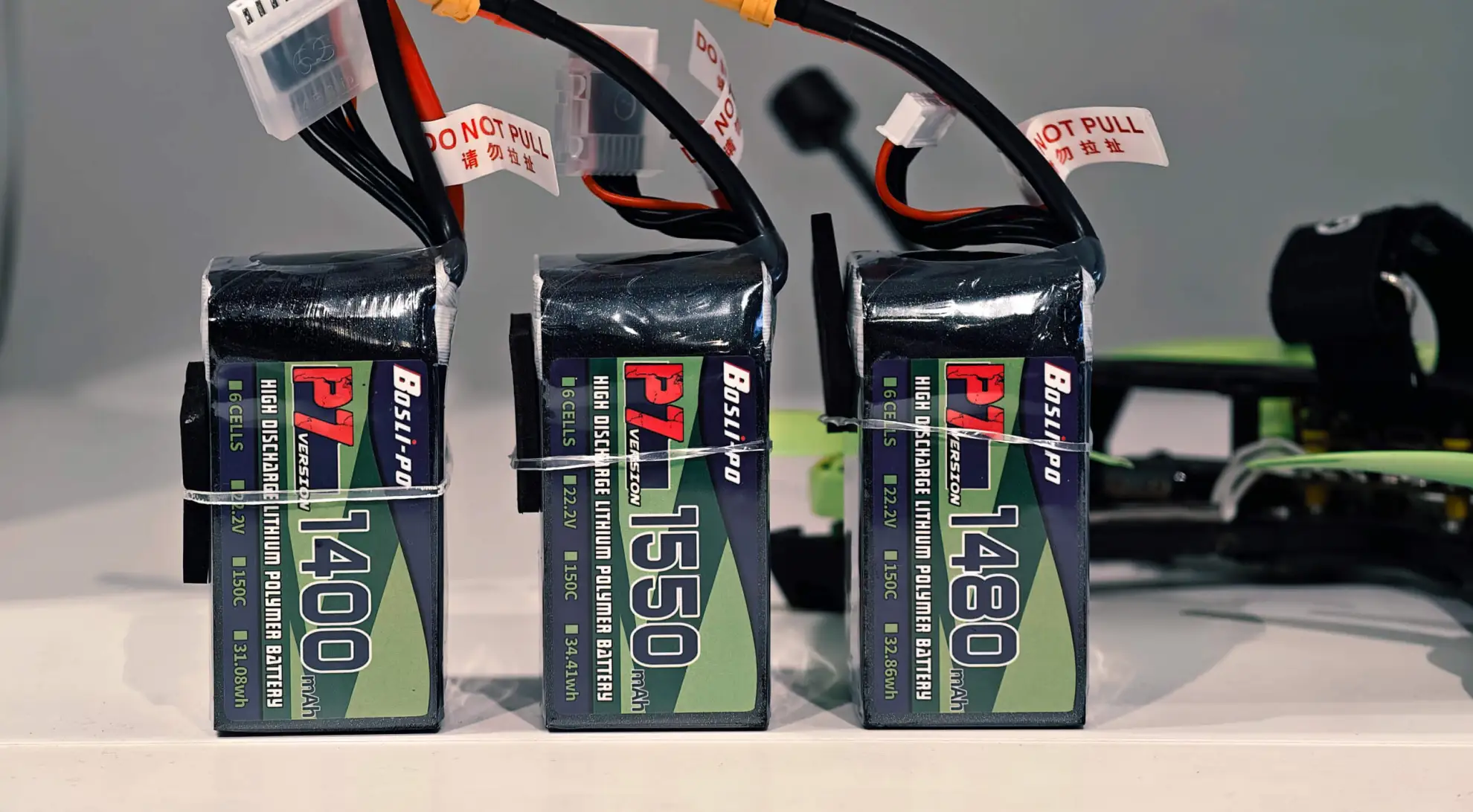
Independent charging is particularly useful when a pilot has a mixed battery collection. For example, you could charge a 1300mAh 6S racing pack on one channel, a 1480mAh 6S freestyle pack on another, and smaller 4S packs on the remaining channels.
The four-channel design is therefore more about charging efficiency and flexibility than simply having a larger wattage number.
HOTA F6 vs Other MEPSKING Chargers
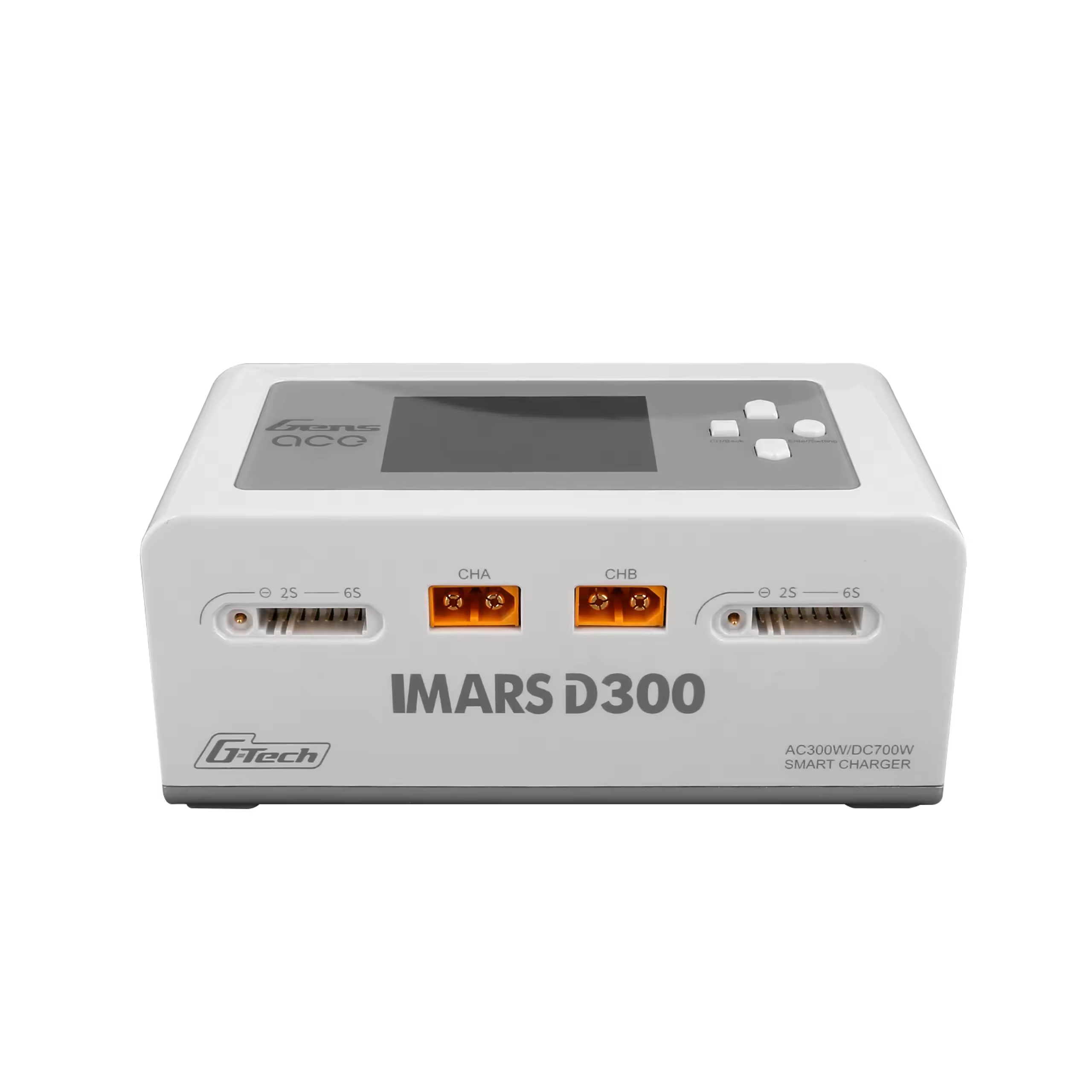
The HOTA F6 is not automatically the best charger for every pilot. The main differences between the HOTA F6, Tattu Gens ace iMars D300 and ToolkitRC M8D are the number of channels, input method, battery voltage range and maximum charging current.
| Feature | HOTA F6 1000W 4-Channel | Tattu Gens ace iMars D300 | ToolkitRC M8D 800W |
|---|
| Charging Channels | 4 | 2 | 2 |
| Input | DC | AC/DC | DC |
| Maximum Charging Power | 1000W | 700W DC | 800W |
| Maximum Current | 15A × 4 | 16A × 2 | 30A × 2 |
| Battery Support | 1–6S | 1–6S | 1–8S |
| G-Tech Support | No | Yes | No |
| USB-C | 45W | — | 65W |
| Best For | Multiple FPV batteries | Home + field charging | High-current / 8S charging |
| Main Advantage | 4 independent channels | AC/DC flexibility + smart battery support | Higher current + 8S support |
HOTA F6 Charging Power: What Does 1000W Actually Mean?
The 1000W specification can be misunderstood if the power supply is not considered.
The F6 provides up to 250W per channel and 15A per channel. However, the charger needs an appropriate external DC power source to provide that level of output. According to the official spec, the 250W × 4 rating applies when input voltage is above 23V (input range 10.5–30V DC).
For example, charging four 6S batteries at high current can require substantial input power. A low-voltage or low-power DC supply will become the limiting factor before the charger reaches its 1000W rating.
For pilots who want to use the F6 at high output, the power supply should therefore be selected as part of the complete charging system rather than treated as a separate accessory.
A practical setup is:
External high-power DC supply → HOTA F6 → Four independent LiPo batteries
This is one of the most important considerations when upgrading to a high-power multi-channel charger.
What Independent Testing and Reviews Say
An independent review of the HOTA F6/F6+ platform by Oscar Liang found that the four-channel design is useful for simultaneously charging different batteries without parallel charging. The review also tested charging performance on the F6+ and found measured AC charging power close to its 500W rating.
The review also highlights some practical limitations. The internal discharge function is relatively low-power, with the internal discharge current limited to 3A per channel, so pilots who frequently need to discharge large batteries quickly may prefer an external discharge load.
Another consideration is the user interface. The F6 uses physical controls and a scroll wheel, while the F6+ uses capacitive buttons. The reviewer found the F6's physical controls easier to use and considered the F6 a good option for users who already have an external power supply.
These points reinforce the intended use of the F6: its biggest strength is high-volume, independent battery charging, rather than being the smallest or simplest charger available.
Recommended HOTA F6 Setup
For a typical 5-inch 6S FPV pilot, a practical MEPSKING charging setup could include:
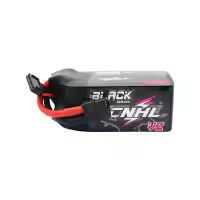
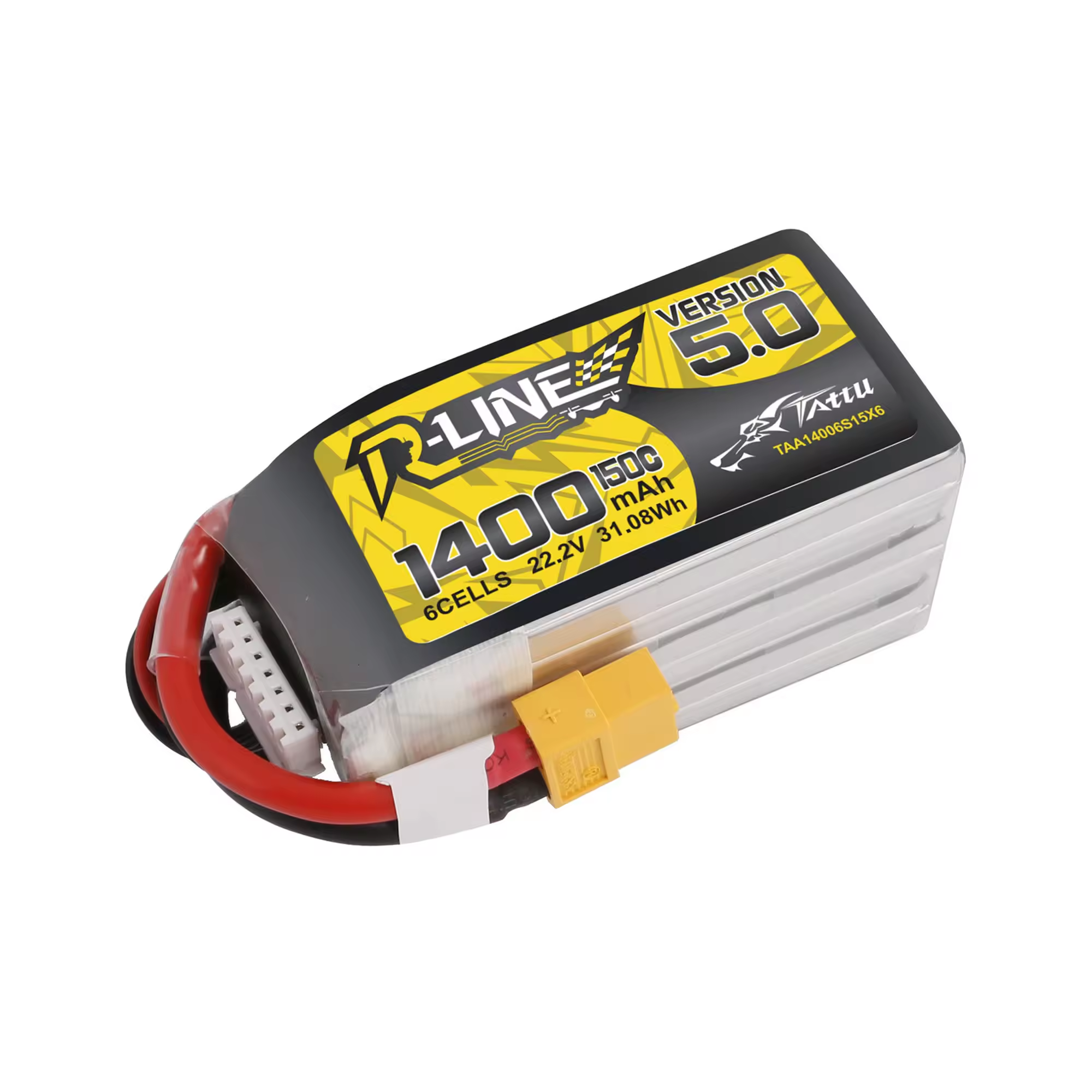
HOTA F6 + CNHL Black Series V2 1300mAh 6S 130C + Tattu R-Line V6 1480mAh 6S 160C + Tattu R-Line V6 1600mAh 6S 160C + LiPo safety bag
This combination gives the pilot several battery capacities for different flying styles while taking advantage of the F6's four independent charging channels.
For racing, the 1300mAh pack prioritizes lower weight. For freestyle, the 1480mAh pack provides a more balanced capacity-to-weight combination. For longer flights or heavier builds, the 1600mAh pack provides more energy.
The fourth charging channel can be used for another 4S/6S pack or a smaller battery for a different FPV platform.
Final Recommendation
The HOTA F6 is best understood as a four-channel battery charging workstation for FPV pilots, rather than simply another high-wattage LiPo charger.
Its biggest advantage is the ability to charge four batteries independently at the same time, with up to 250W and 15A available per channel. Support for 1–6S LiPo, LiHV, LiFe and Li-Ion batteries covers the majority of FPV applications, while USB-A, USB-C, servo testing and discharge functions add extra utility.
If your priority is charging multiple 4S/6S FPV batteries efficiently, the HOTA F6 is the strongest choice among these three chargers.
If you need AC/DC flexibility and G-Tech smart battery support, choose the Tattu Gens ace iMars D300.
If you need 8S support or higher charging current, the ToolkitRC M8D is the better fit.
For pilots who routinely arrive at the field with several packs and want every battery charged independently, the HOTA F6's four-channel architecture is the feature that matters most.