
Pilot Feedback and Independent Test Results
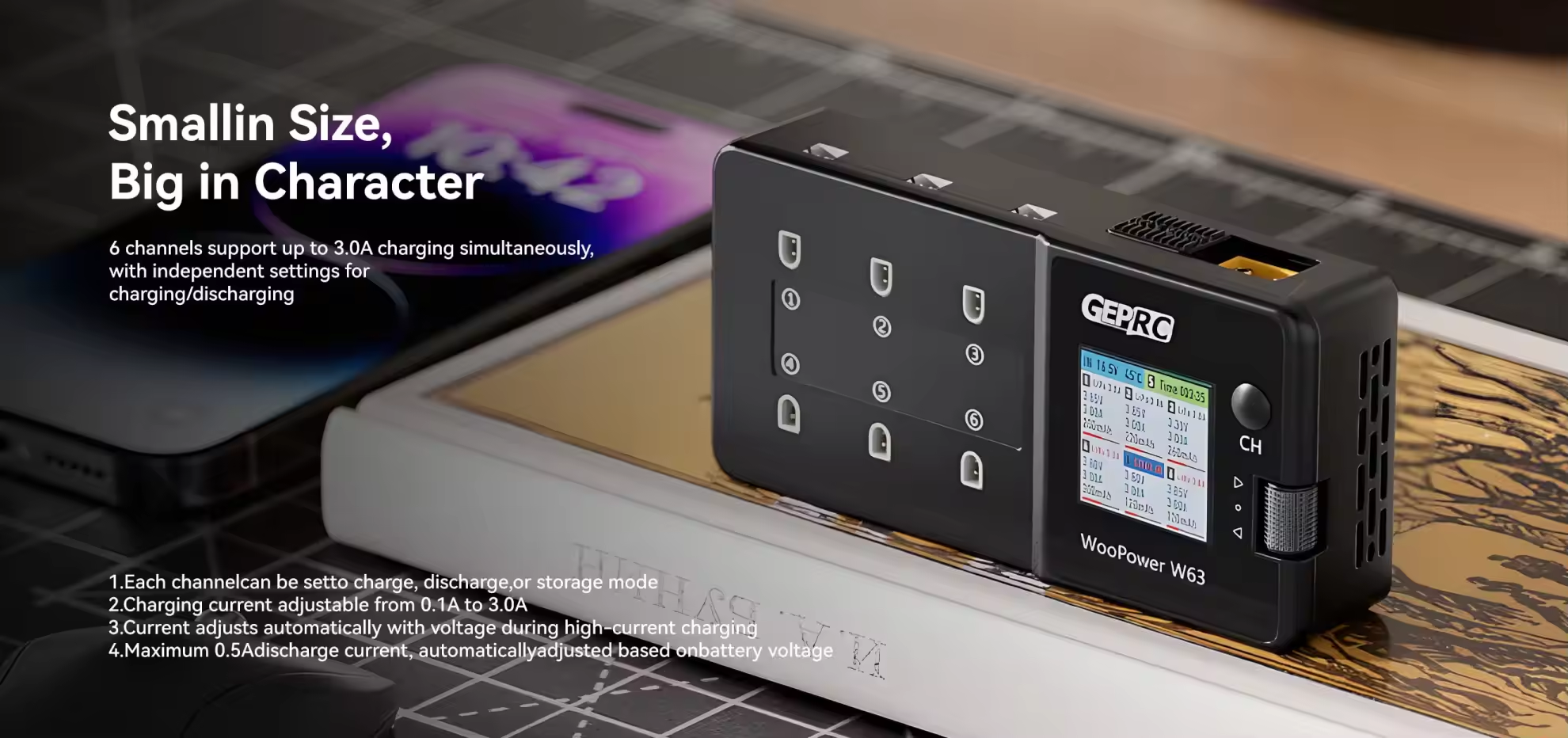
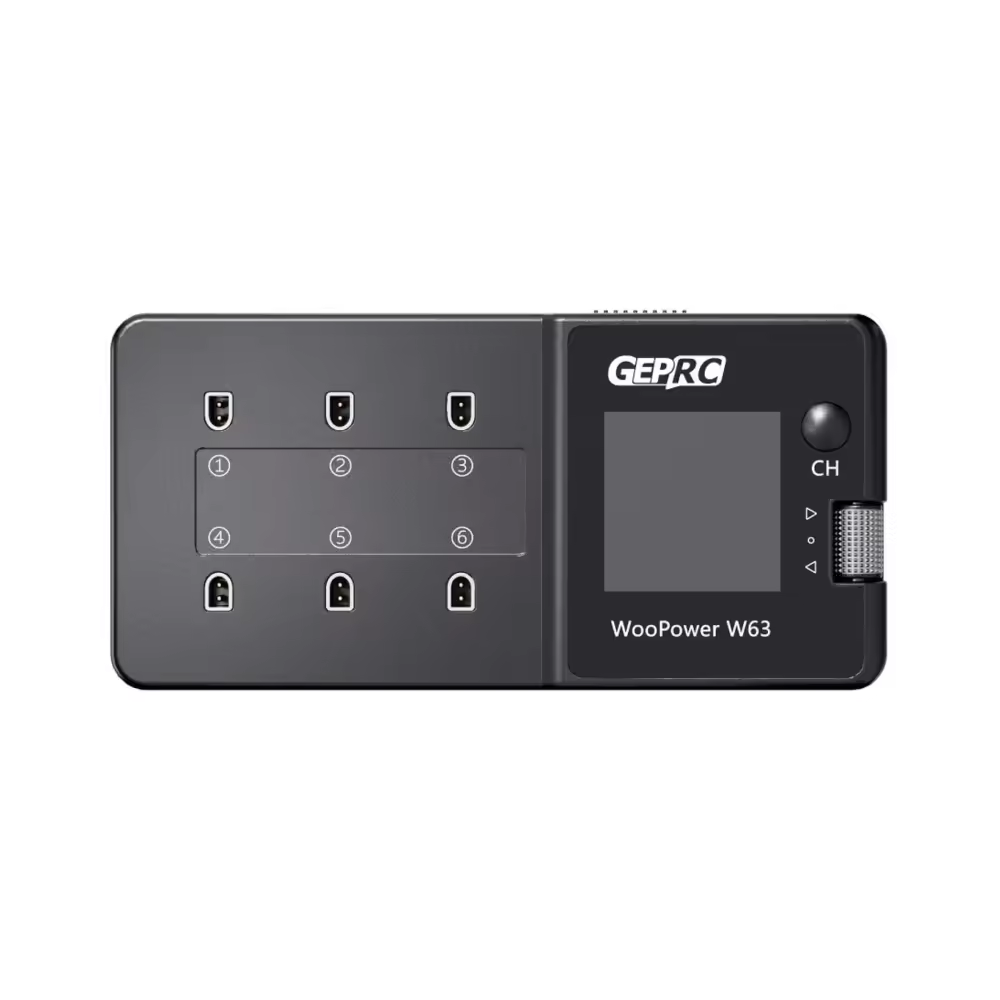
For day-to-day whoop flying, the standout benefit is convenience with control. Instead of charging every pack to full voltage and then dealing with storage later, pilots can assign each port to the mode that battery needs: charge fresh packs, storage-charge packs from yesterday, or discharge packs that came home too full.
An independent hands-on review found that the charger’s displayed port voltage was close to a multimeter reading. In that test, LiPo and LiHV charging finished slightly below their target voltages rather than above them: a 4.20V LiPo target measured 4.182V, while a 4.35V LiHV target measured 4.318V. Storage results were also slightly conservative, measuring approximately 3.82V against a 3.85V target. For pilots, that behavior is generally preferable to overcharging.
The same review noted that the displayed charged capacity was around 3–4% higher than measured battery capacity, so treat the mAh figure as a useful reference rather than an exact battery-health reading. Its test sample also discharged at roughly 0.4A rather than the advertised 0.5A maximum. That is not a major concern for storage management, but it means discharge time should not be expected to be especially fast.
The advertised 3A-per-port capability is useful flexibility, not the ideal setting for every small 1S pack. For typical Tinywhoop batteries, a sensible starting point is around 1C:
● 300mAh battery: 0.3A
● 450mAh battery: 0.4–0.5A
● 550mAh battery: 0.5–0.6A
Higher charging current may be appropriate only when the battery manufacturer permits it and pack temperature is monitored.
Recommended WooPower W63 Setup
1. Batteries: Keep Mixed Connector Types Organized
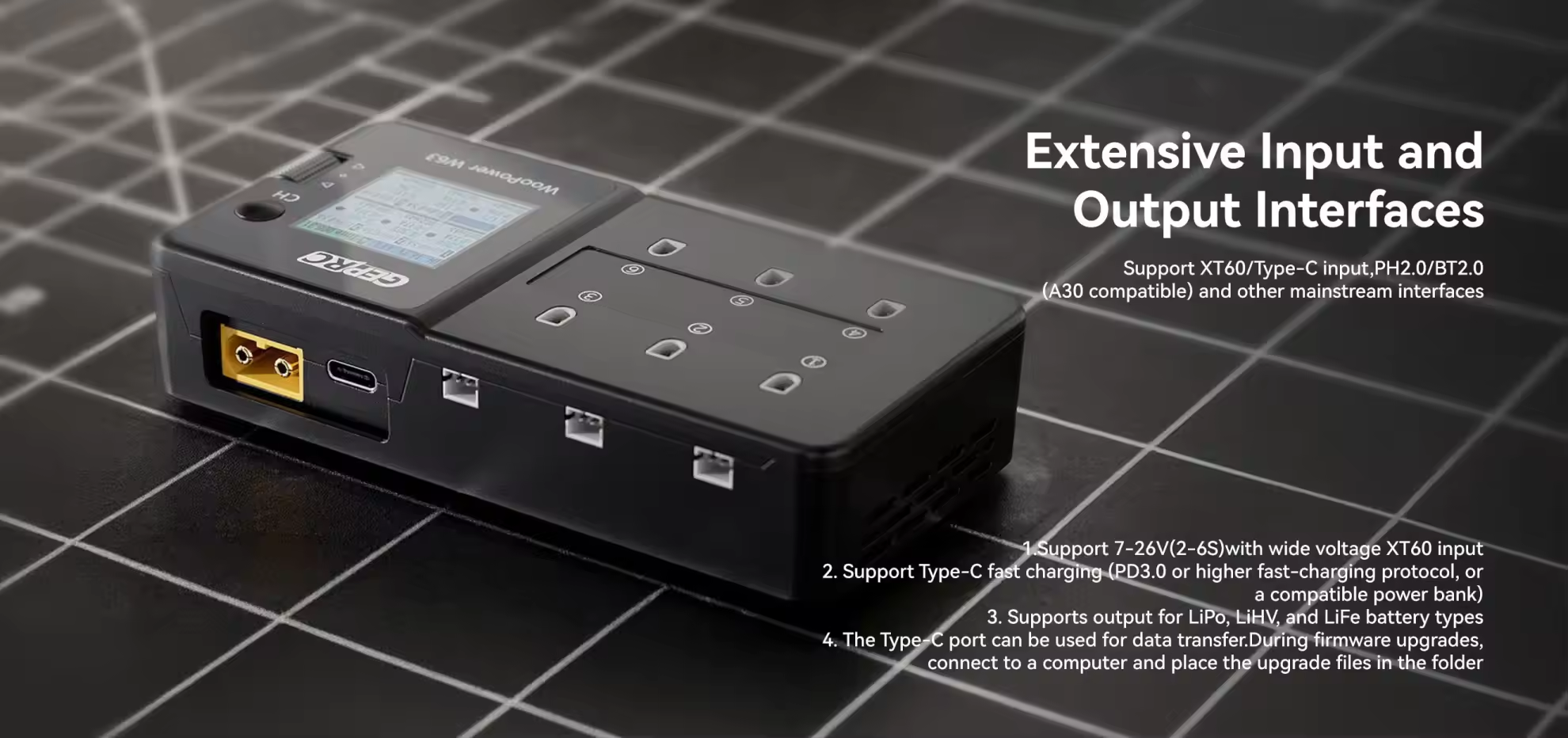
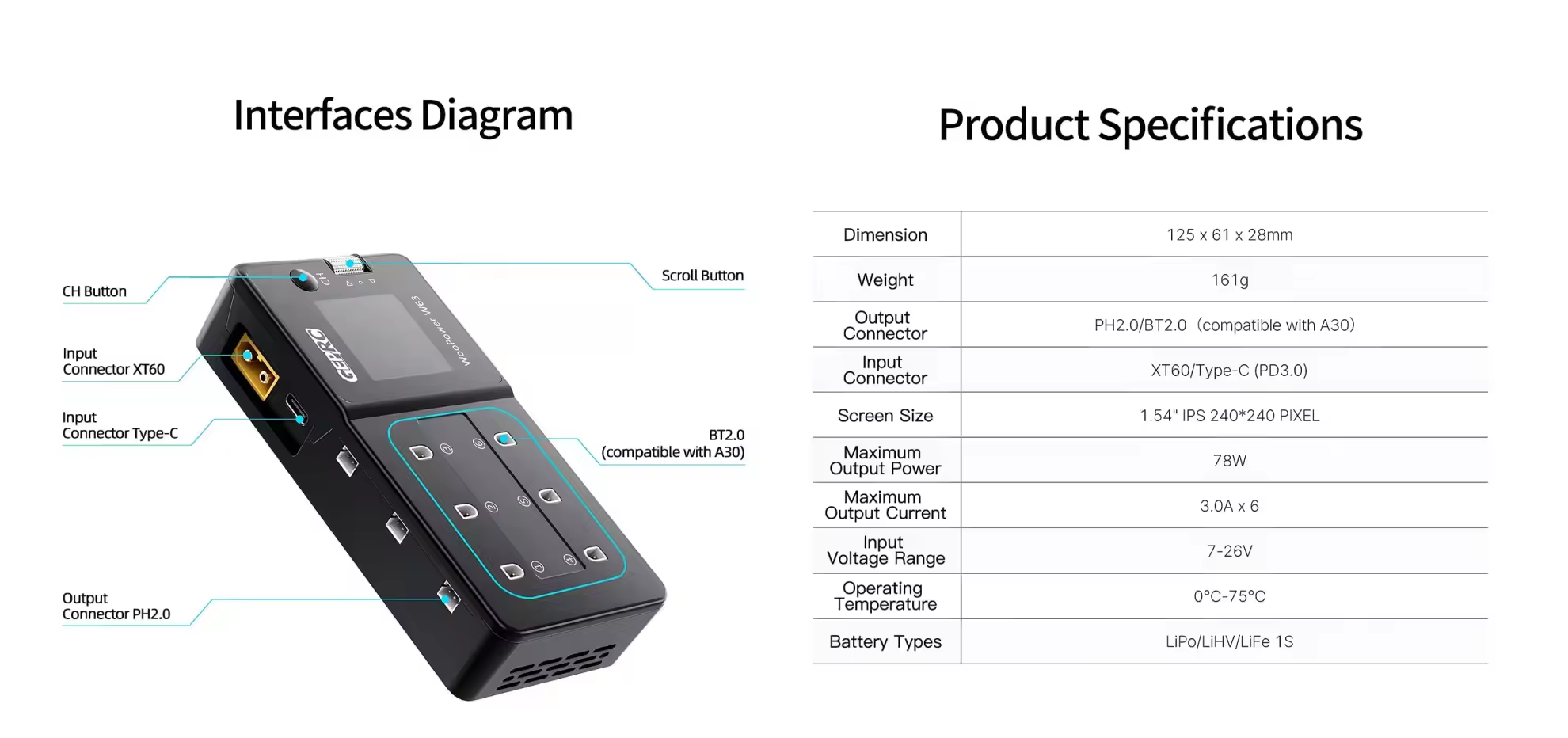
The WooPower W63 supports both PH2.0 and BT2.0 connectors, so it is useful for pilots with more than one whoop platform. Pair it with batteries such as the BETAFPV BT2.0 300mAh 1S LiHV Battery, GNB 1S 450mAh LiHV PH2.0 Battery, or compatible A30-equipped 1S packs.
Do not connect a PH2.0 battery and a BT2.0 battery to the same channel at the same time.
2. Home Charging: Use a Proper USB-C PD Power Supply
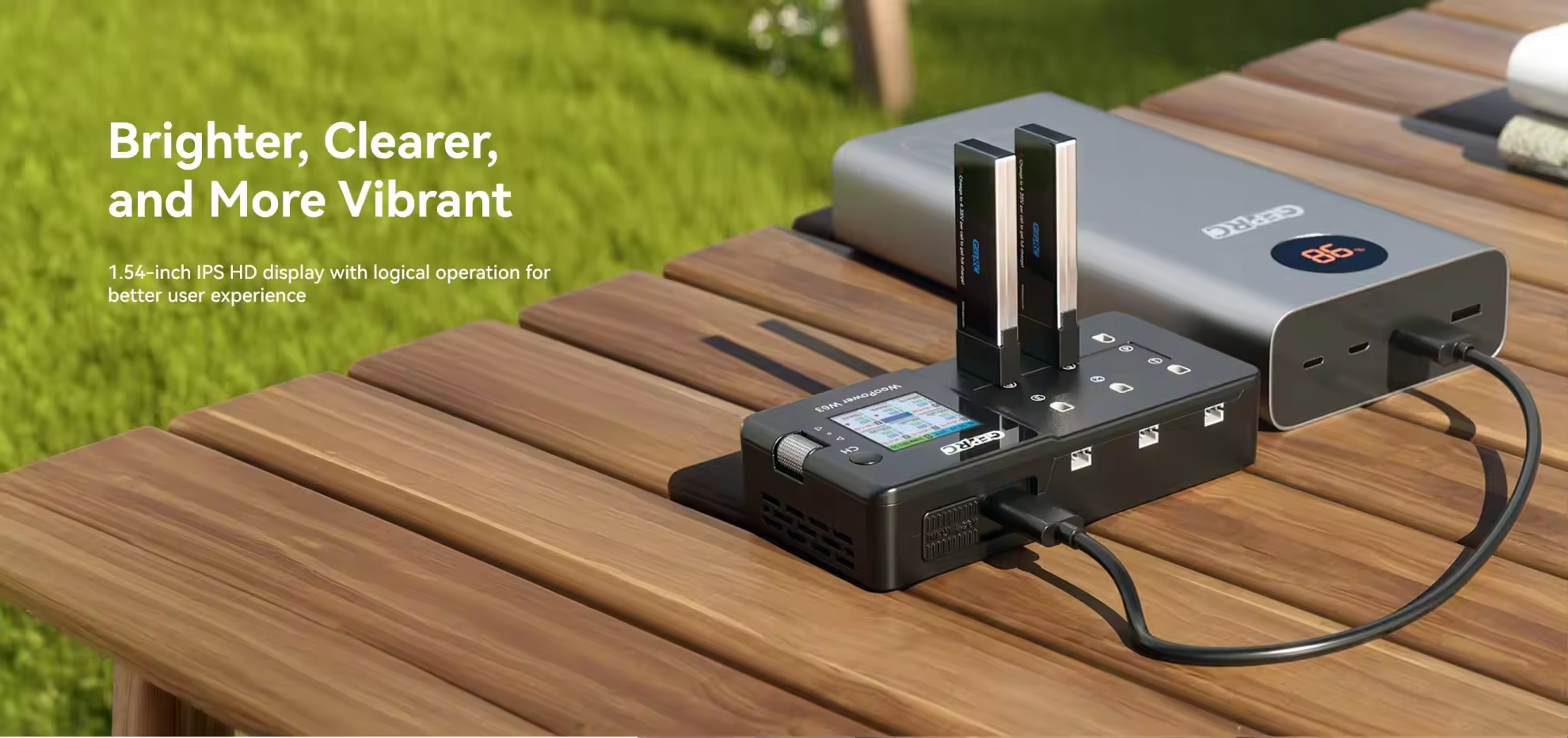
For the best multi-port charging performance, pair the charger with a 100W USB-C PD power adapter and a quality USB-C cable. GEPRC specifies that a 100W power source is needed when operating at maximum load.
A lower-power adapter can still be useful for gentle 1C charging, but it may not support high-current charging across several ports simultaneously.
3. Field Charging: Use an XT60 Battery Source
For field sessions, connect the WooPower W63 to a suitable 3S–6S LiPo battery with an XT60 connector. This gives Tinywhoop pilots a practical way to manage 1S packs at the flying spot without needing AC power.
Do not connect USB-C and XT60 power inputs at the same time.
4. After Flying: Use Storage Mode
For pilots who fly only a few packs and leave the rest unused for several days, storage mode is one of the W63’s most valuable functions. Set LiPo or LiHV mode correctly before connecting the battery, then use storage mode to bring packs closer to a healthier resting voltage.
Why Choose the GEPRC WooPower W63?
Choose the GEPRC WooPower W63 if you want:
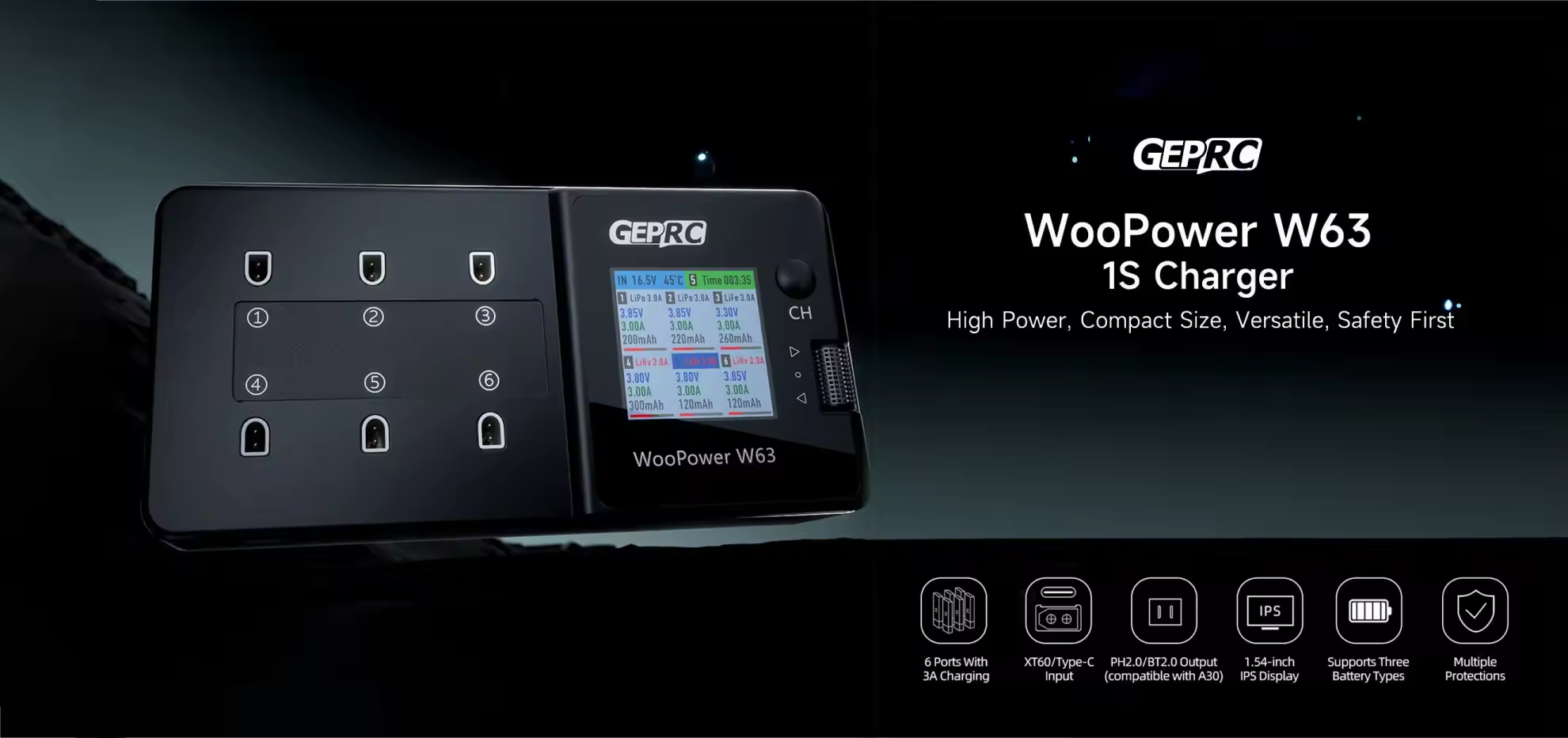
● Six ports that can be managed independently
● Charge, discharge, and storage functions in one charger
● Support for LiPo, LiHV, and LiFe 1S batteries
● PH2.0 and BT2.0 compatibility in the same device
● USB-C PD charging at home and XT60 input for field use
● A screen for checking each channel’s settings and progress
It is particularly well suited to active Tinywhoop pilots with many 1S packs, mixed battery connectors, or a regular need for proper storage charging.