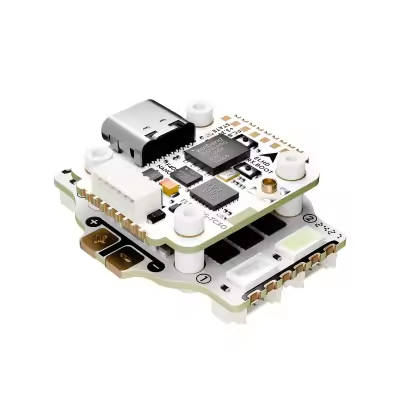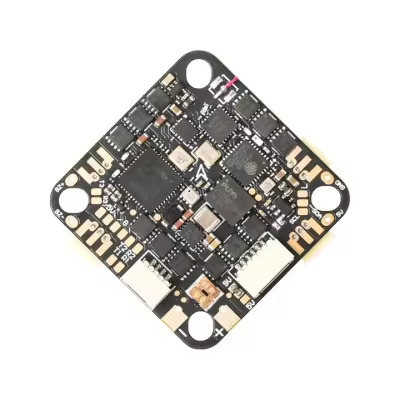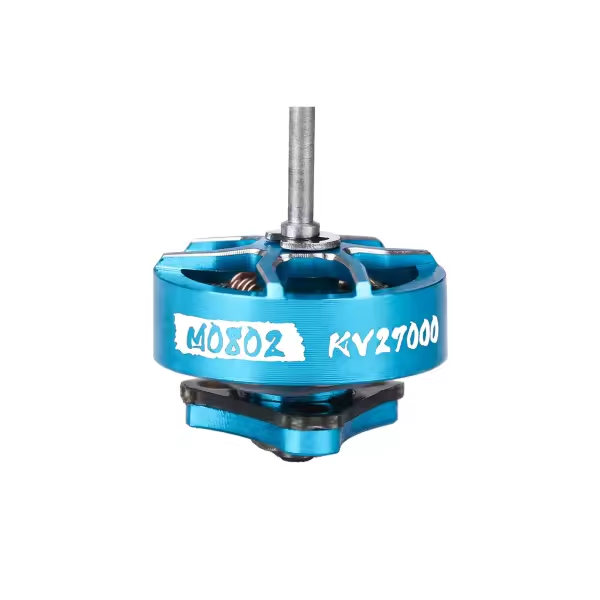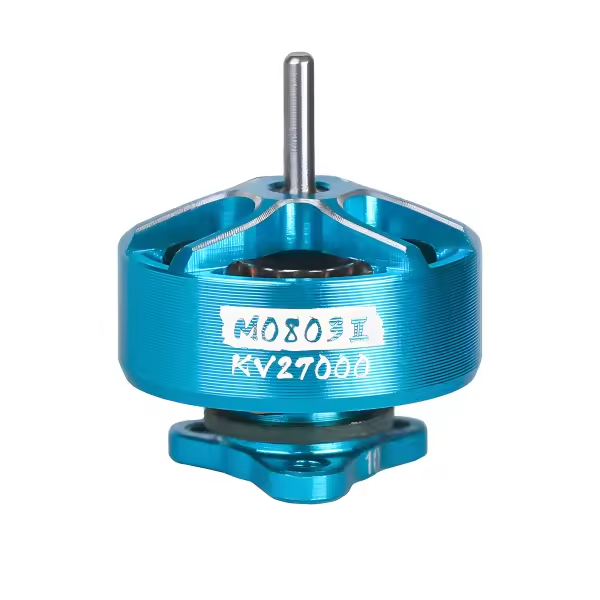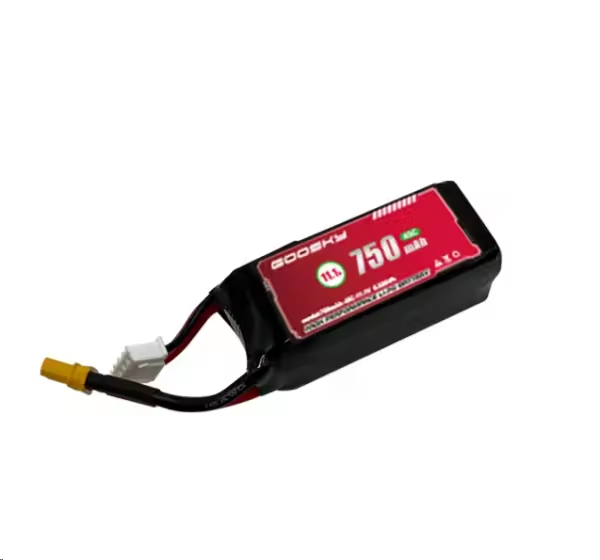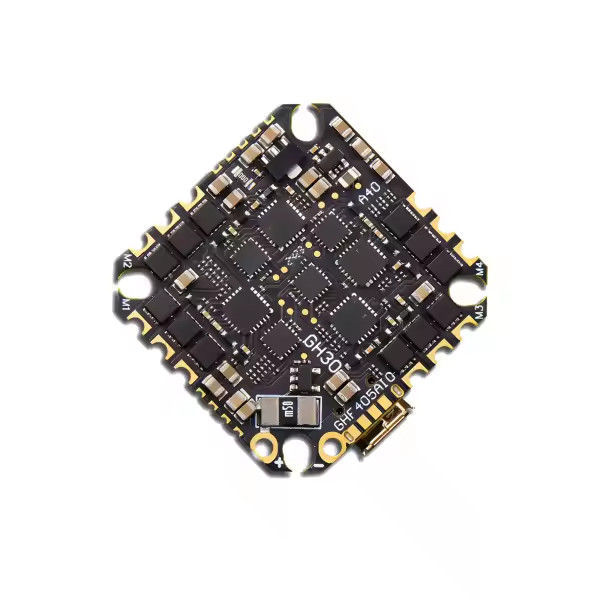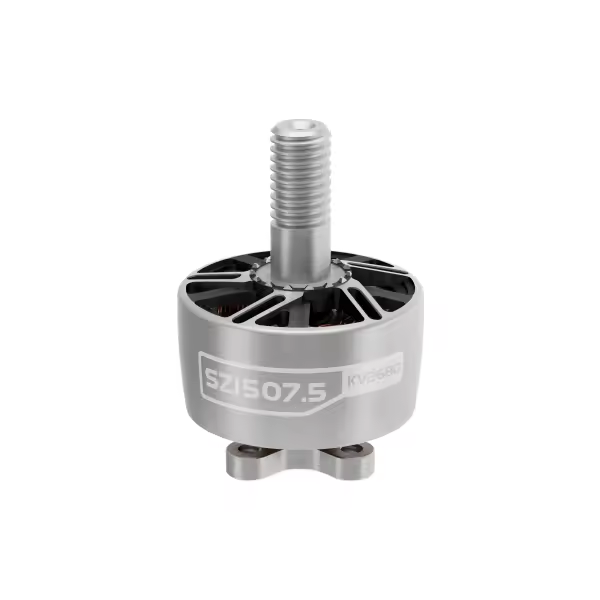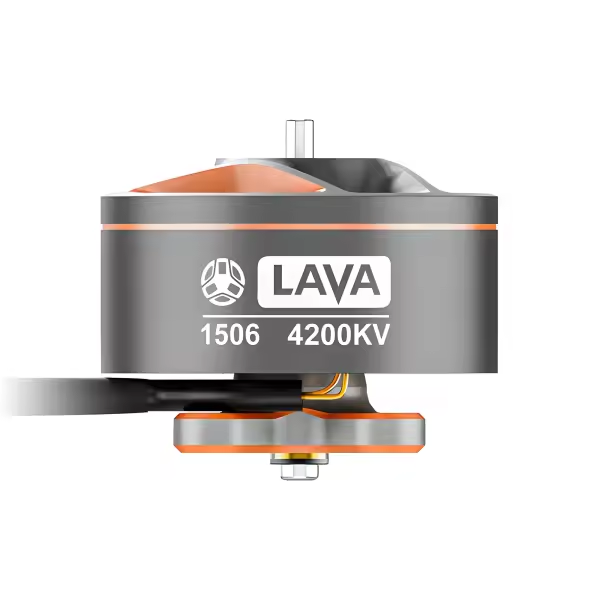

Build, repair and upgrade your mini quad with matched motors, electronics, props and power systems. Shop parts by drone size, flying style and build type.
Shop by Mini Quadcopter Size
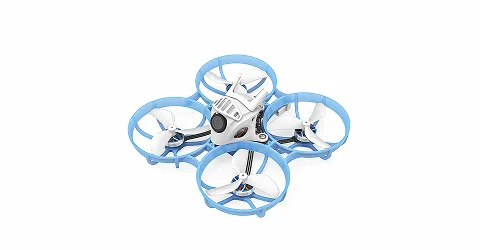
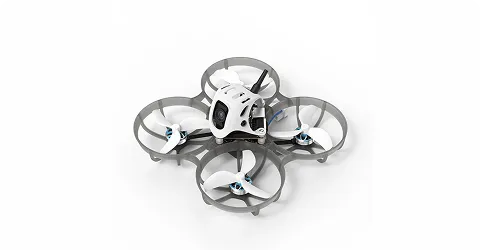
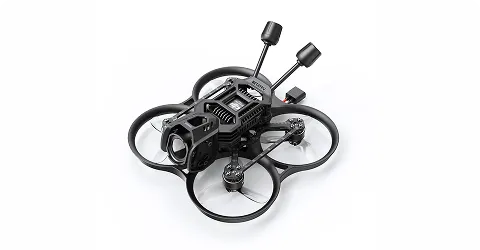
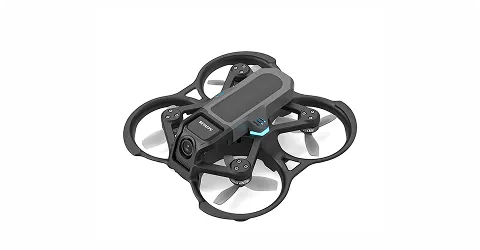
65–75mm Tiny Whoop / 2 Inch Micro / 3–3.5 Inch Mini / 4 Inch Lightweight
Tiny Whoop
•Indoor flying / Whoop racing / Backyard practice
•Lightweight, safe and agile
•1S
•Beginners / Indoor pilots
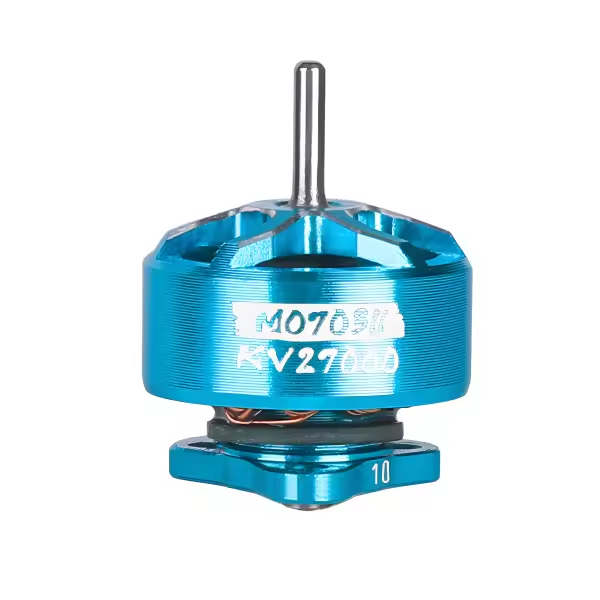
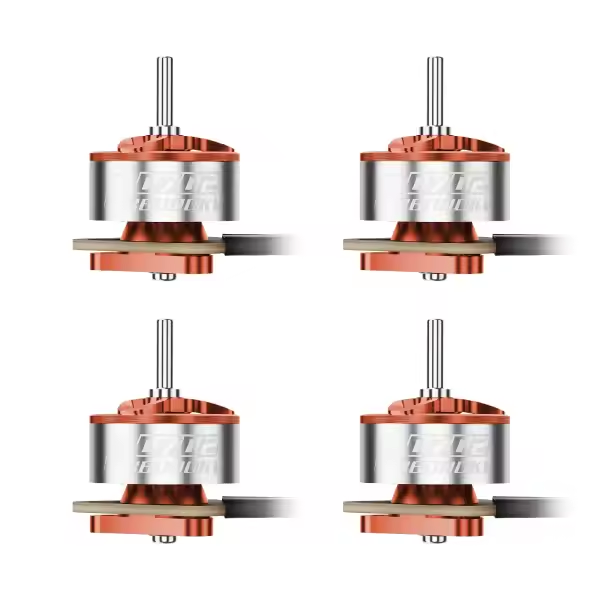
•0702–0802 motors / AIO / 1S LiPo
2 Inch Micro
•Backyard / Small outdoor spaces / Compact builds
•Compact and responsive
•2S–3S
•Beginners moving outdoors / Freestyle
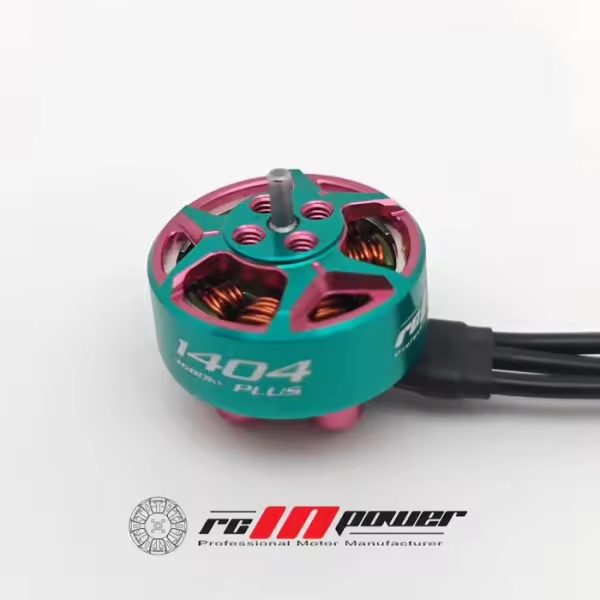
•1102–1404 motors / AIO / compact stack
3–3.5 Inch Mini
•Freestyle / Cinematic / Outdoor flying
•Balanced power and versatility
•3S–6S
•Intermediate pilots / Freestyle and cinematic pilots
Mini quadcopters typically range from 65mm to 250mm in diagonal wheelbase. The most common categories are whoops at 65 to 75mm for indoor flying, micros at 90 to 150mm for indoor and outdoor freestyle, and mini quads at 180 to 250mm for outdoor freestyle and racing. Most people refer to 120 to 180mm builds as "mini" — small enough to be portable but powerful enough for outdoor flying.
Do I need an AIO board?
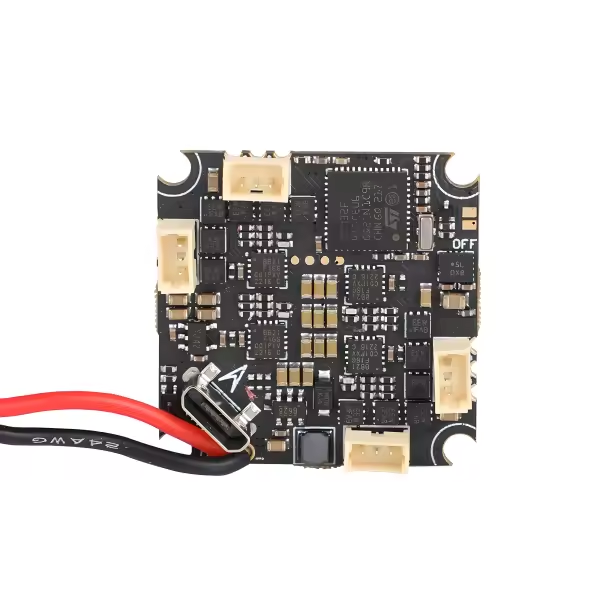
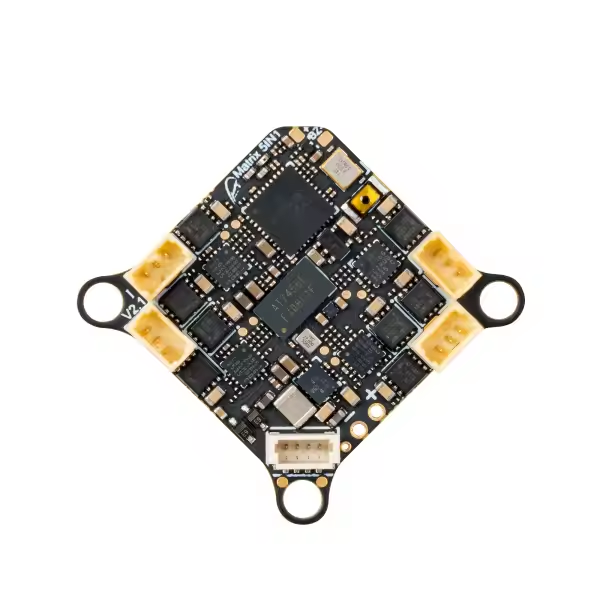
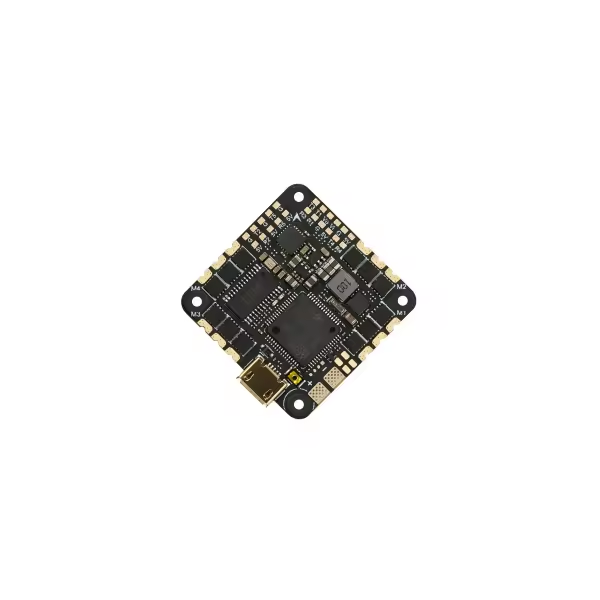
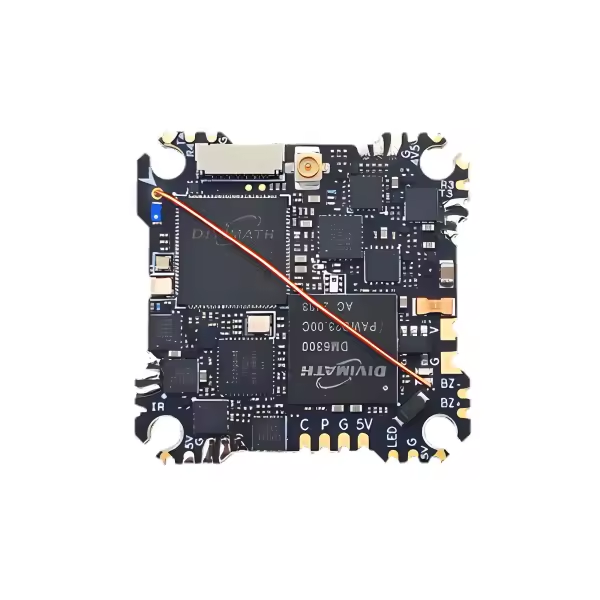
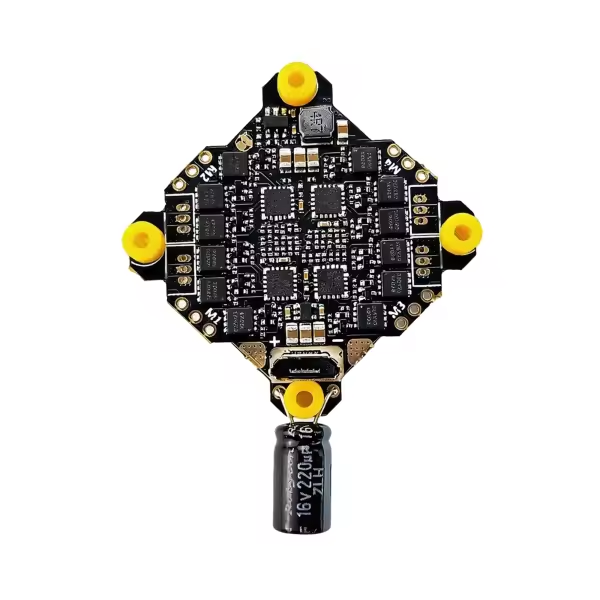
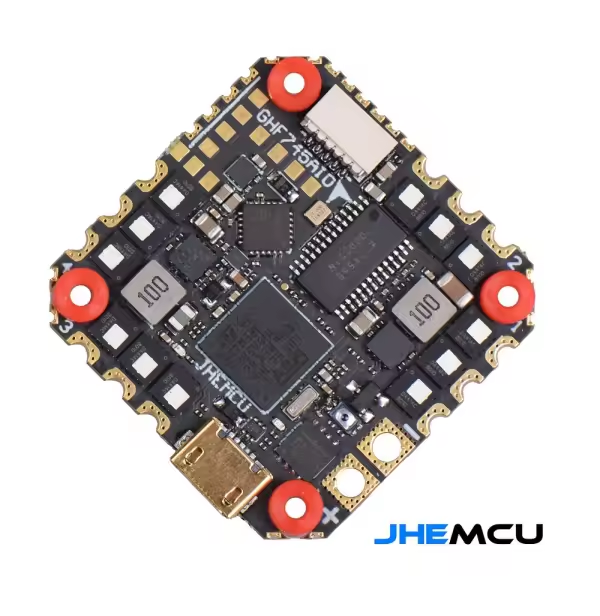
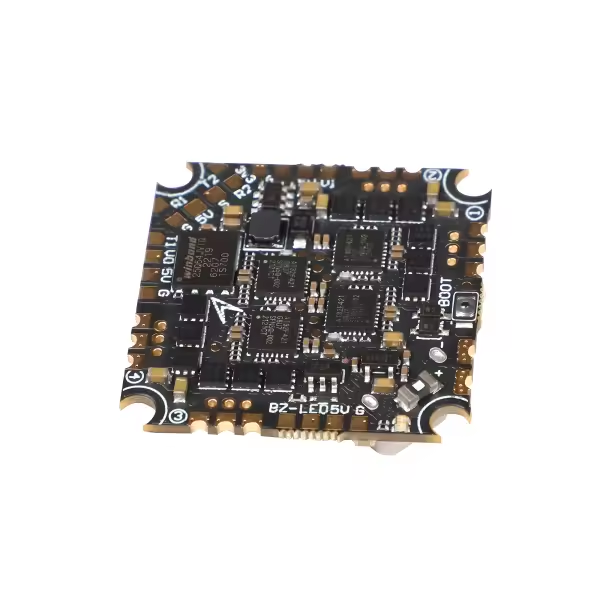
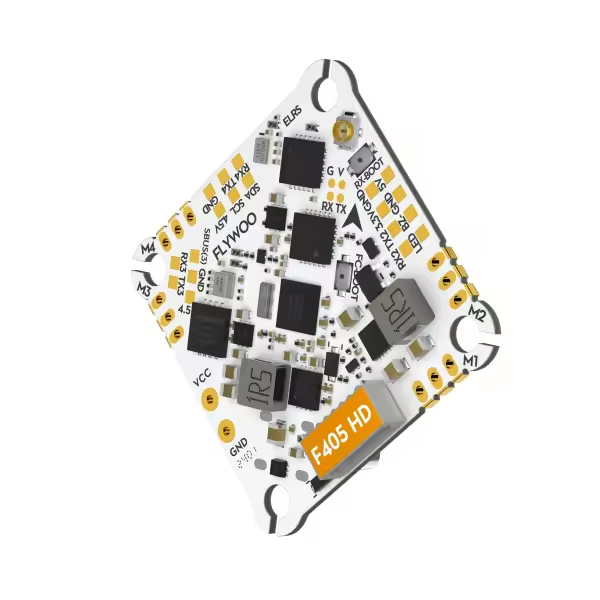
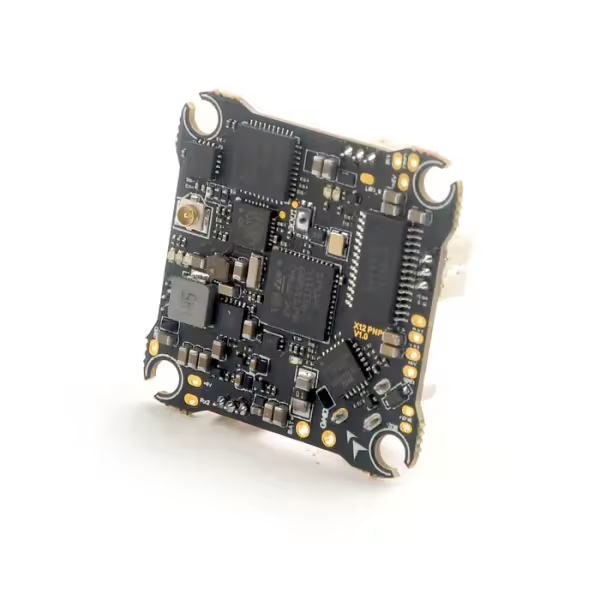
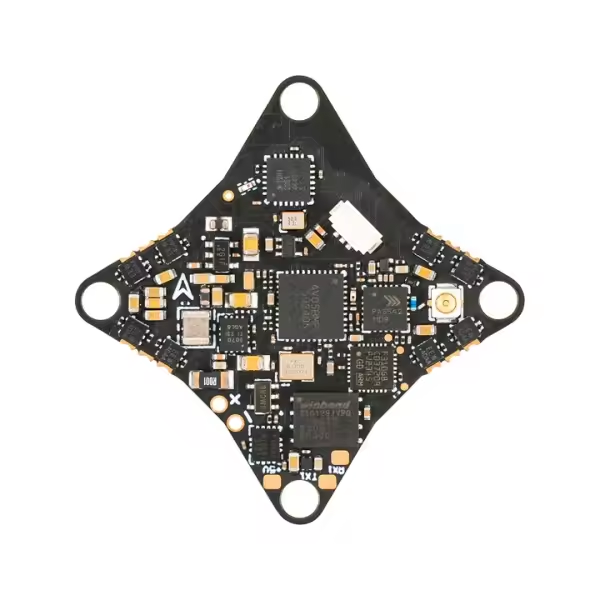
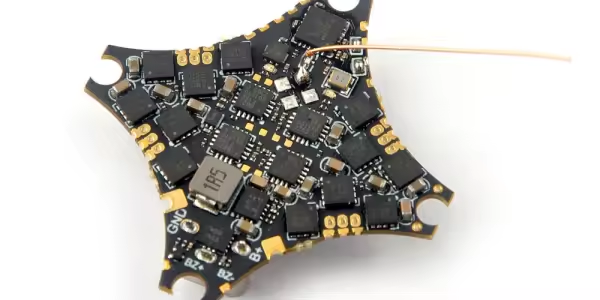
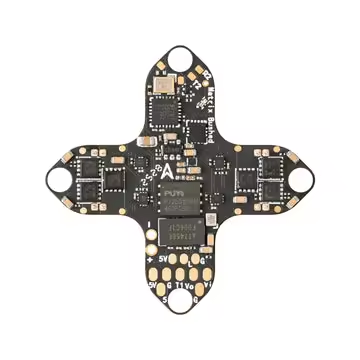
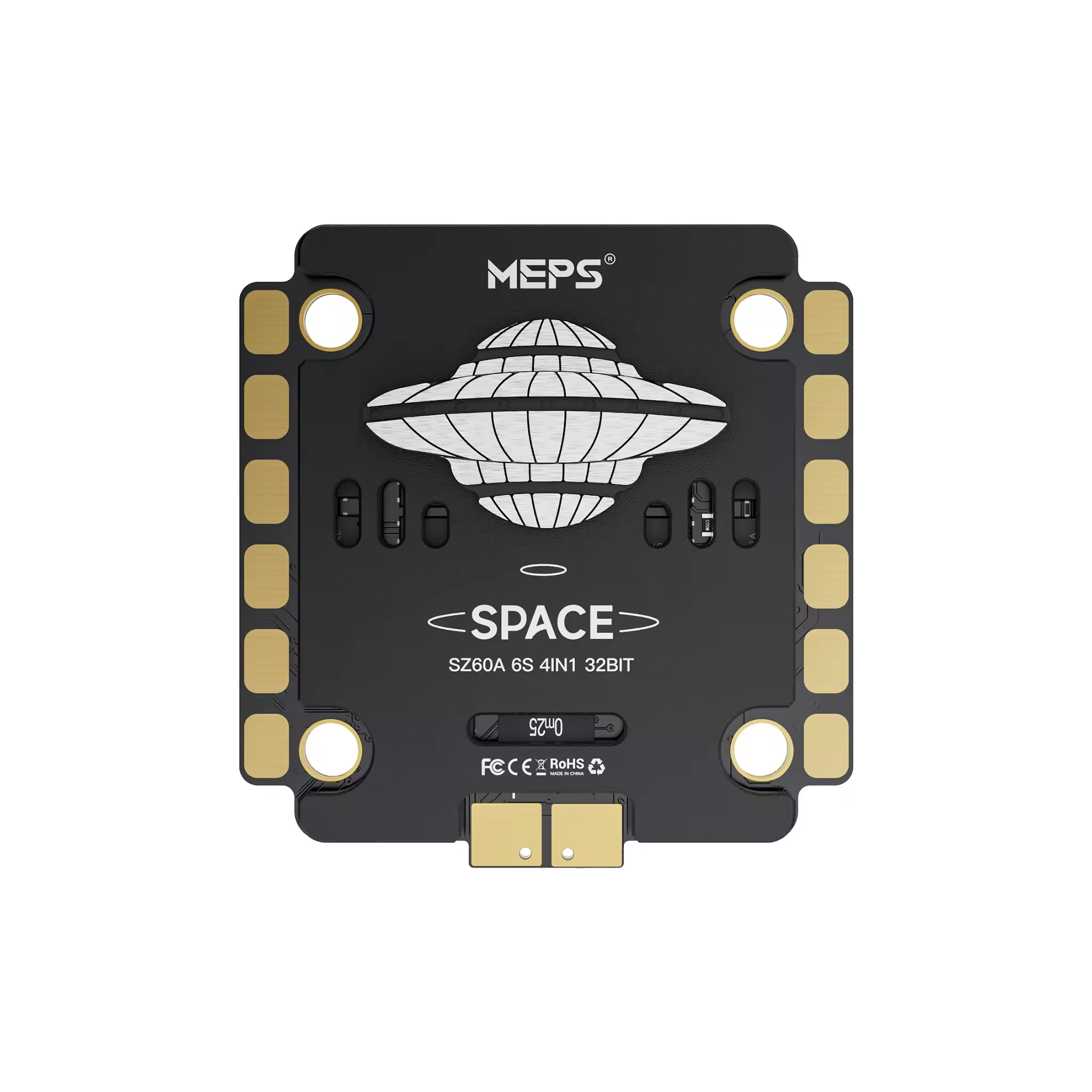
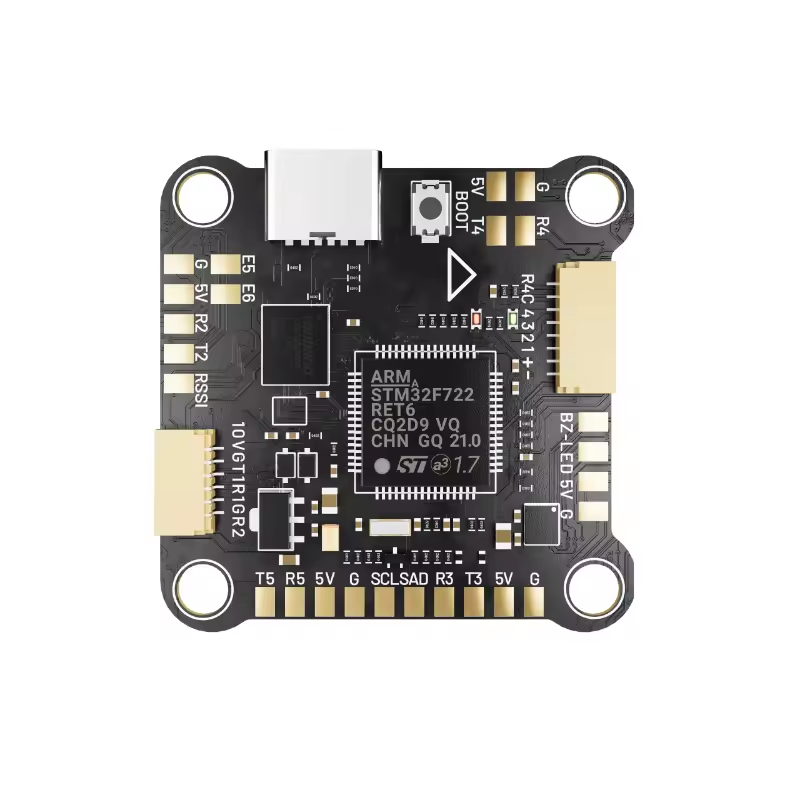
An AIO (All-In-One) board combines the flight controller, ESC, and sometimes the receiver and VTX into a single PCB. You should choose AIO if you are building a small frame of 150mm or less where space is tight, if you want a cleaner build with fewer wires, or if you are a beginner who wants fewer points of failure. You should skip AIO and go with a separate stack if you want easier repairs — with AIO, one burned ESC means replacing the whole board — or if you are building a larger, high-power quad where separate components handle heat better. For 2S to 4S builds, a stack is usually more durable and upgrade-friendly.
How do I choose KV?
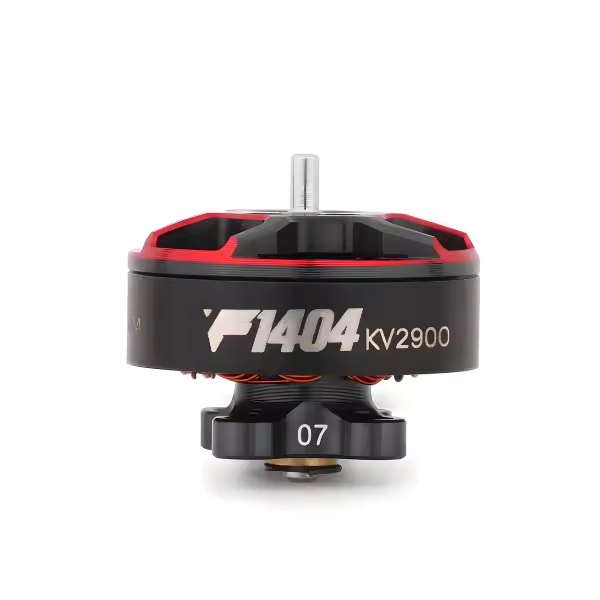
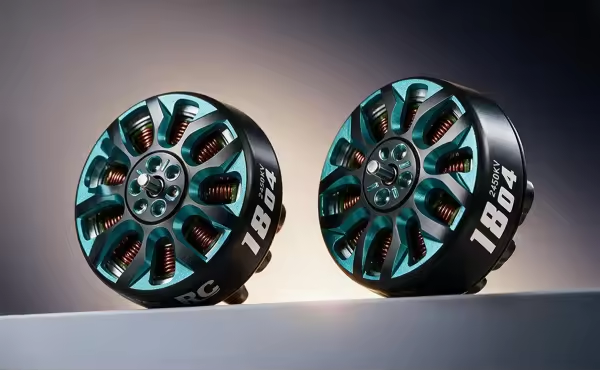
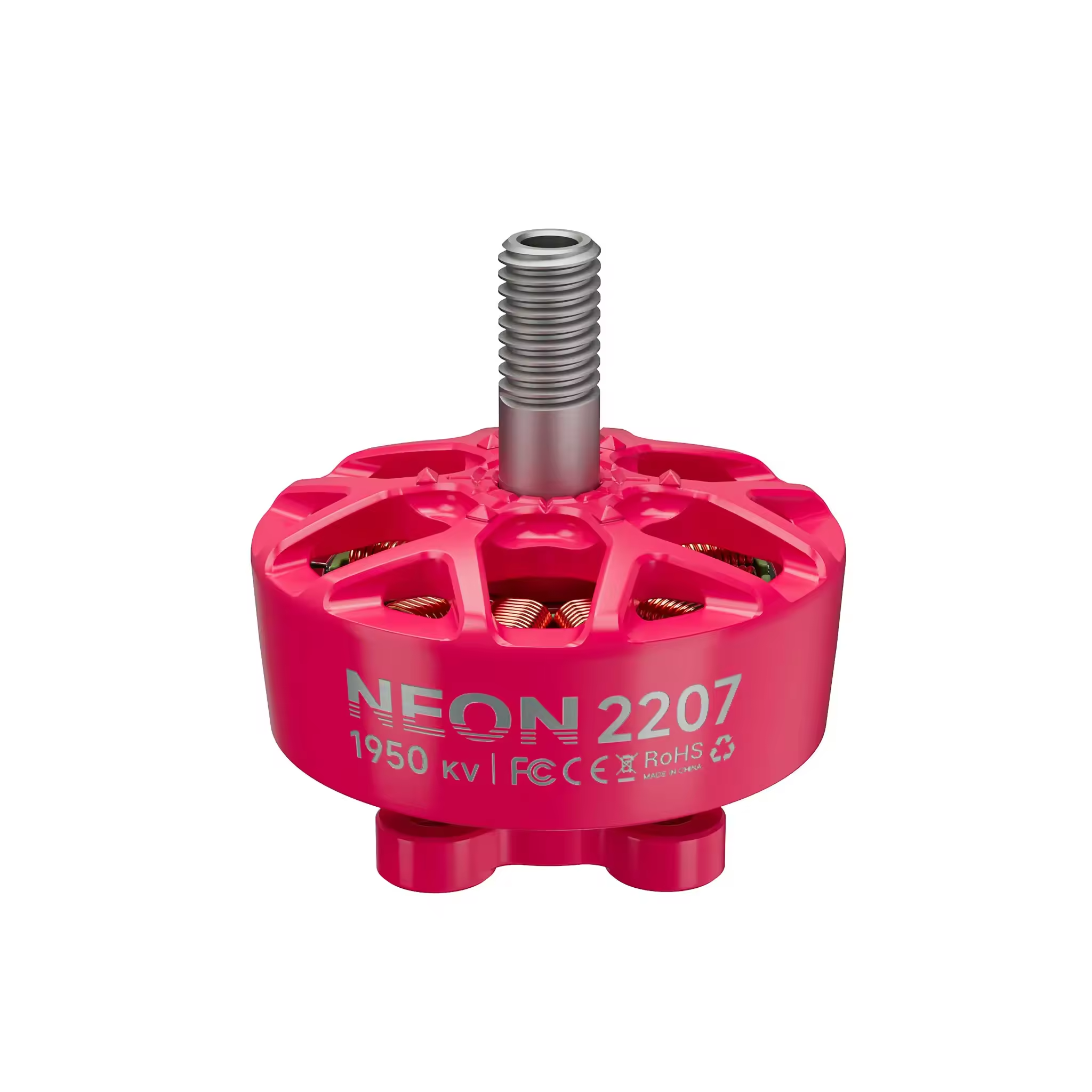
KV stands for RPM per volt. Higher KV means faster spinning but lower torque. For 1S batteries, go with 19000 to 25000 KV since you need high RPM to spin props on low voltage. For 2S, 11000 to 16000 KV is the sweet spot for micros. For 3S, aim for 6000 to 9000 KV. For 4S, choose 3000 to 6000 KV to prevent overheating. The rule of thumb is simple: lower battery voltage means you need higher KV, and higher voltage means lower KV. Always match your motor KV to your battery cell count and prop size.
1S vs 2S vs 4S — which should I choose?
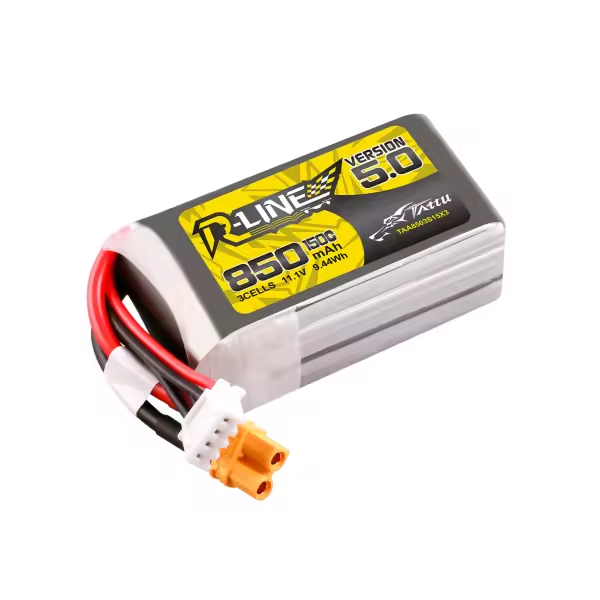
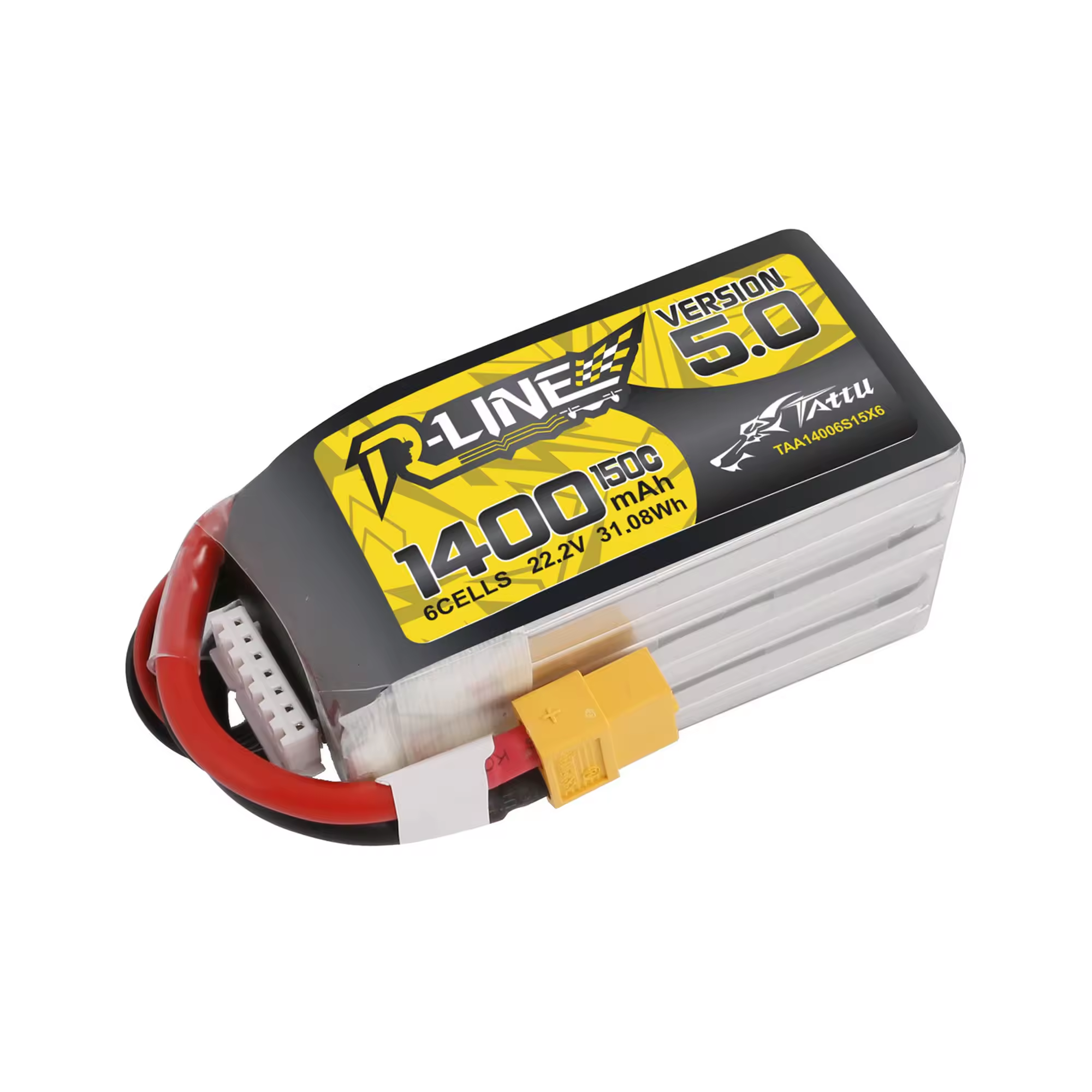
1S is mild and beginner-friendly, the lightest option, with short flight times of 2 to 4 minutes and minimal crash damage. It is best for indoor flying and learning. 2S offers moderate power and is fun to fly, with medium flight times of 3 to 6 minutes and moderate crash damage. It is the best all-rounder for backyard freestyle. 4S is aggressive and fast, heavier, with flight times varying from 2 to 5 minutes and high crash damage. It is best for outdoor racing and big tricks. Beginners should start with 1S or 2S to crash less hard, spend less on repairs, and still have a blast.
Can I mix brands?
Yes, parts from different brands are generally cross-compatible as long as the specs match. Motors from one brand work fine with a flight controller from another. Receivers and VTX from different brands are also fine. Propellers are universal as long as the hole pattern and size match. The main things to watch out for are mounting hole sizes, which come in 16x16, 20x20, 25x25, and 30x30mm, and connector types, such as plug-and-play versus solder pads. The FPV hobby is built on mixing brands, so just double-check physical fit and electrical specs before buying.
What spare parts should I buy first?
Propellers are the number one priority because they break on almost every crash, so buy at least 20 spares. Motors are number two because the bell bends and windings burn, so keep one or two spares on hand. Antennas are number three because they snap easily on impact. Cameras are number four since the lens cracks or the image can go dark after a hit. AIO or FC-ESC boards are number five — they are expensive but critical, so consider keeping one spare for AIO builds. Also keep zip ties, heat shrink, and spare screws around. They are cheap and you will need them.
Analog vs Digital — which video system?
Analog is cheap at 20 to 60 dollars for VTX, camera, and goggles. The image quality is grainy with static and low resolution, but range is excellent and weight is the lightest. Digital systems cost 150 to 600 dollars or more, but the image is sharp, HD, and has low latency. Range is good and varies by system. Weight is heavier due to the VTX and coax cable. Popular digital systems include DJI O4, Walksnail, HDZero, and Avatar. If you are on a budget or just starting out, go analog because it is cheap to replace and widely compatible. If image quality matters most, go digital — the difference is night and day, especially for freestyle and cinematic flying.