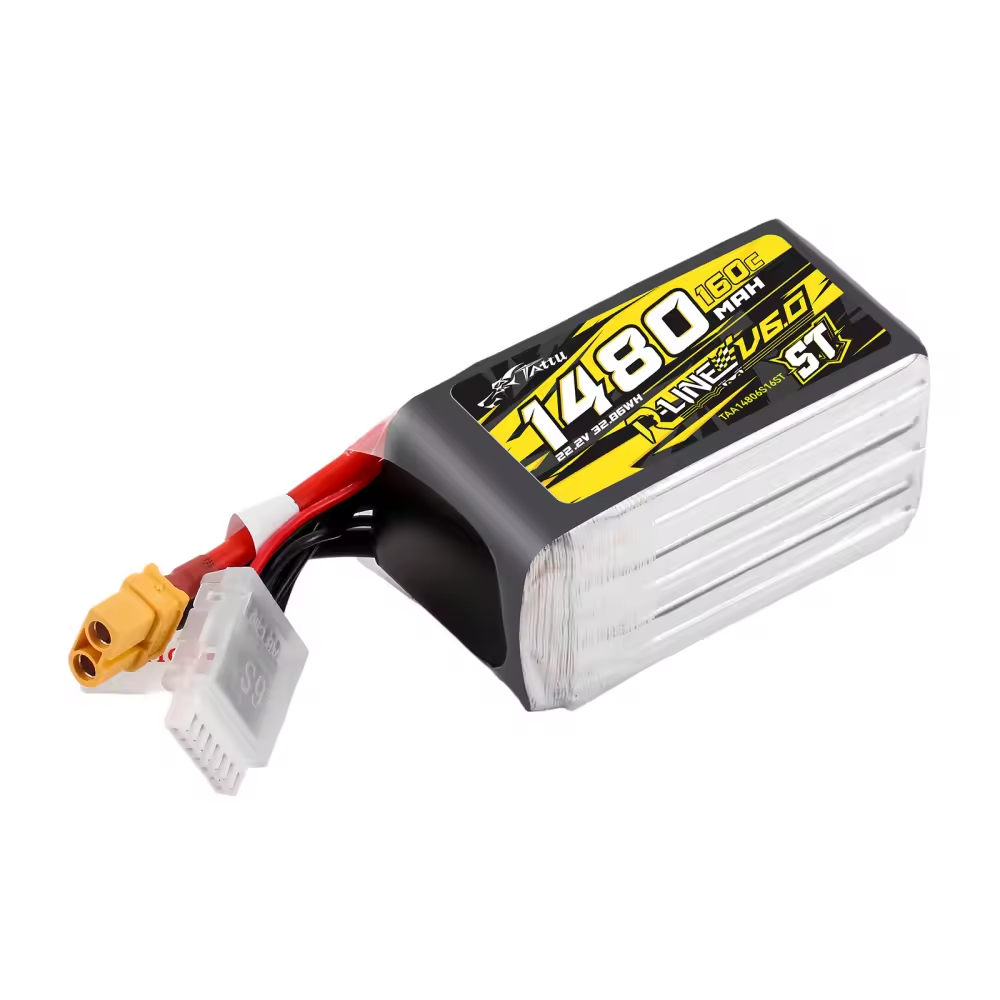
Buying Guide: Tattu R‑Line Version 6.0 1480mAh 160C 6S LiPo Battery
Is the Tattu R‑Line V6.0 1480mAh 6S Right for Your FPV Drone?
Choosing an FPV battery is not simply about getting the highest capacity or C‑rating. The battery needs to match your drone's size, power system, flying style, and desired flight characteristics.
The Tattu R‑Line Version 6.0 1480mAh 160C 6S LiPo Battery is designed for pilots who want a strong balance between power, responsiveness, and flight time. For a 5‑inch 6S FPV drone, it sits between lightweight racing batteries and larger packs designed primarily for endurance.
If you mainly fly 5‑inch freestyle, racing, or performance‑oriented cinematic builds, the 1480mAh capacity provides a versatile starting point without pushing the battery weight too far in either direction.
Who Should Choose the 1480mAh 6S Battery?
FPV Racing
Racing builds generally benefit from a lightweight battery because every extra gram can affect acceleration, cornering, and recovery. While a 1480mAh pack is not the lightest option, it can be a good choice for pilots who want more usable flight time without moving to a much heavier battery.
Choose it for racing if you prefer a little more endurance while still maintaining responsive handling.
Freestyle
For freestyle, the priorities are different. A freestyle quad frequently moves between low and high throttle, making both power delivery and usable capacity important.
The 1480mAh pack is well suited to pilots who want enough energy for longer freestyle lines while retaining the acceleration needed for punch‑outs, power loops, dives, and other dynamic maneuvers.
Cinematic & Performance Builds
If your 5‑inch quad carries an HD camera or other additional equipment, the extra capacity of a 1480mAh battery can be useful. It provides more energy for the added load without requiring the significantly heavier battery sizes often used for endurance‑focused builds.
For cinematic freestyle, the main advantage is the balance between usable flight time and manageable overall weight.
What Capacity Is Right for Your 6S FPV Drone?
Battery capacity affects weight, flight time, and how the quad feels in the air. There is no single capacity that is best for every pilot.
| Capacity | Flight Feel | Flight Time | Best For |
|---|
| 1050mAh | Very light & agile | Short | Racing & aggressive freestyle |
| 1300mAh | Light & responsive | Medium | Racing & freestyle |
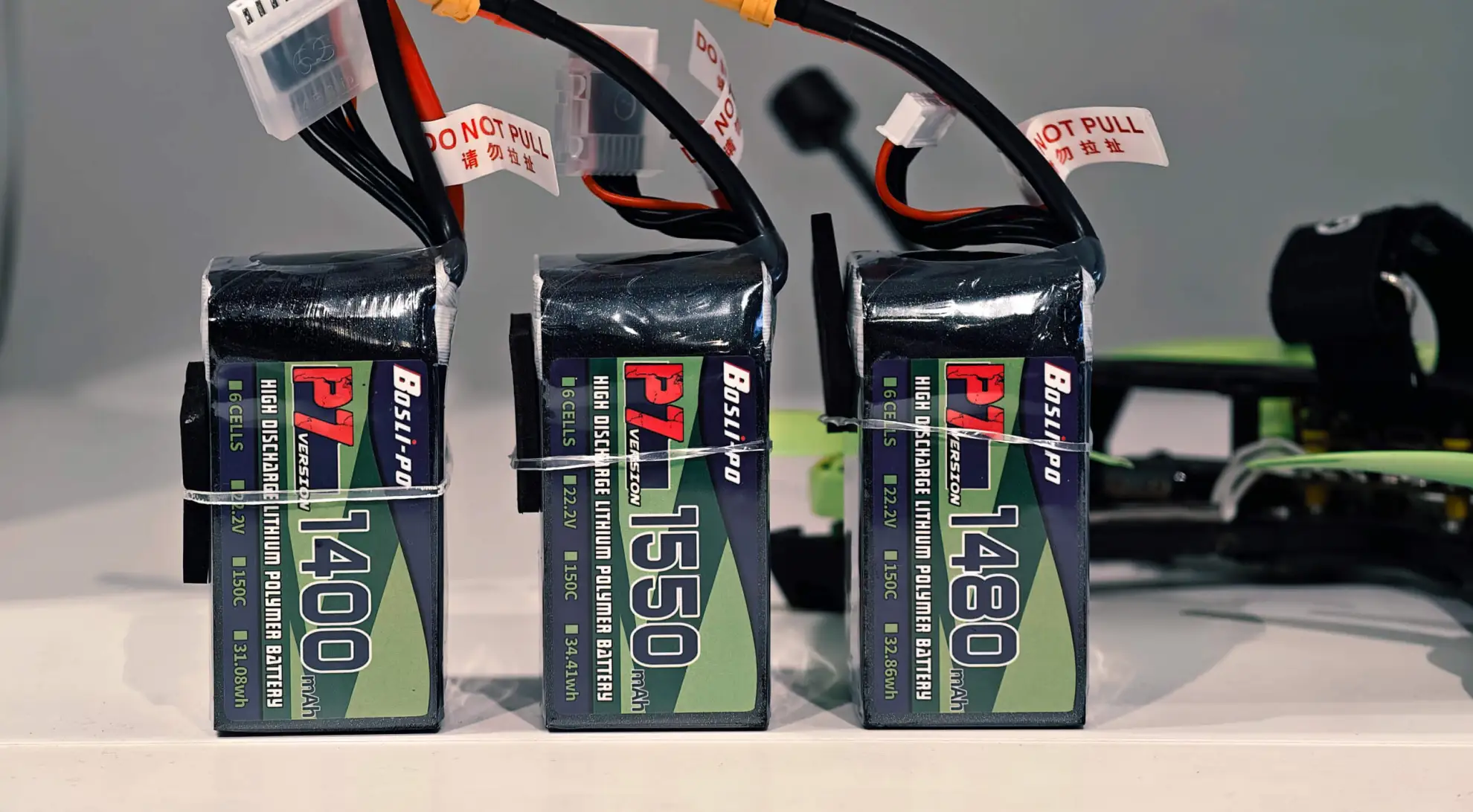
| 1480mAh | Balanced | Medium‑Long | 5" freestyle & racing |
| 1550mAh | Smooth & stable | Long | Freestyle & cinematic |
| 1600–1850mAh | Heavier & more stable | Longer | Cinematic, cruising & heavier builds |
Why Is 1480mAh a Balanced Choice?
The advantage of 1480mAh is its position between lightweight performance batteries and larger endurance‑oriented packs.
A smaller battery can make a quad feel more agile, but flight time may become limited. Moving to a larger battery increases available energy, but the additional weight can change the quad's acceleration and handling.
The 1480mAh capacity provides a practical compromise for pilots who want to fly aggressively without constantly optimizing the build around minimum battery weight.
It is particularly useful for pilots who use one 5‑inch 6S quad for multiple flying styles rather than building a dedicated racing or long‑flight machine.
What Makes R‑Line Version 6.0 Different?
Capacity determines how much energy the battery carries, but cell performance determines how effectively that energy can be delivered to the quad.
The R‑Line Version 6.0 is designed around high‑current FPV applications, with a focus on reducing internal resistance and maintaining strong power delivery under demanding loads.
For the pilot, this matters most when the quad suddenly requires a large amount of current. During punch‑outs, rapid throttle changes, and high‑power maneuvers, a battery with better high‑current performance can help maintain a more consistent power response.
The 160C rating therefore should not be viewed in isolation. Its value comes from being combined with the battery's cell design, internal resistance, capacity, and the overall power system of the drone.
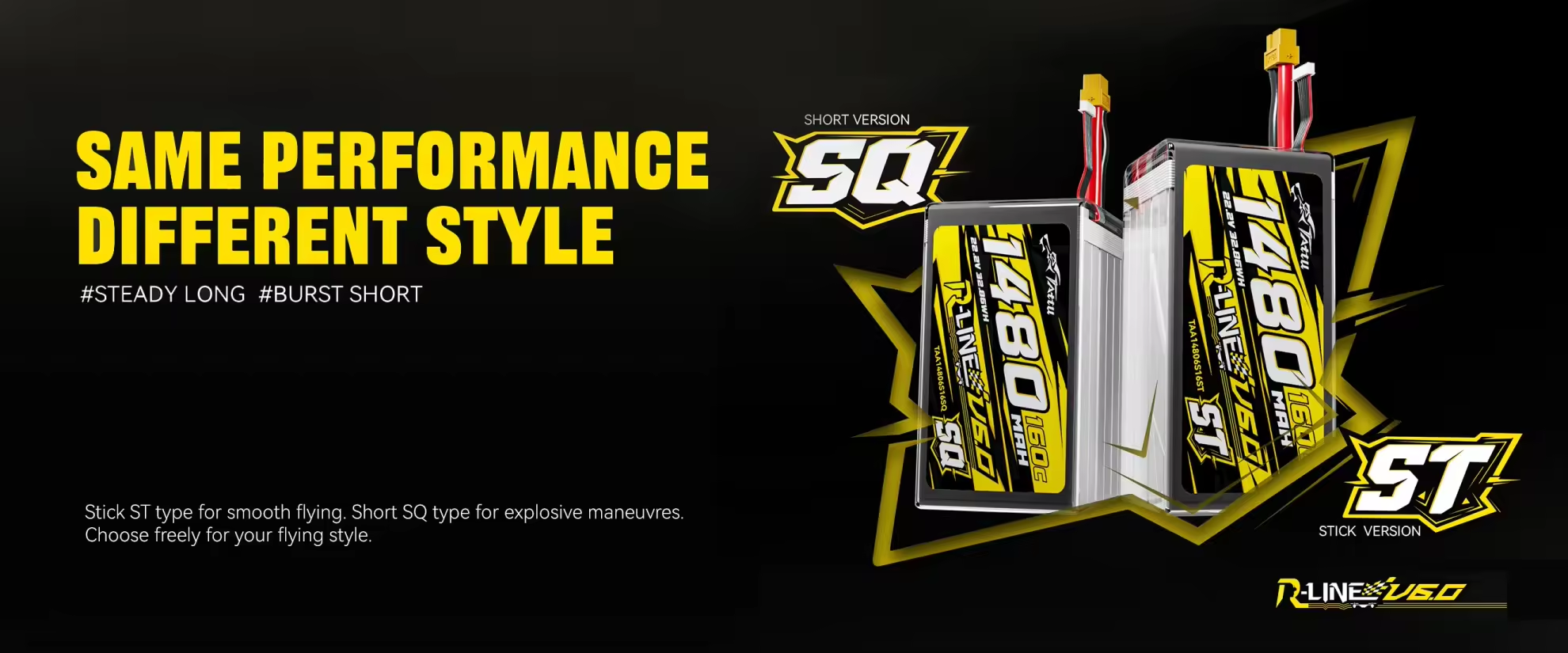
Is the ST Version Right for Your Build?
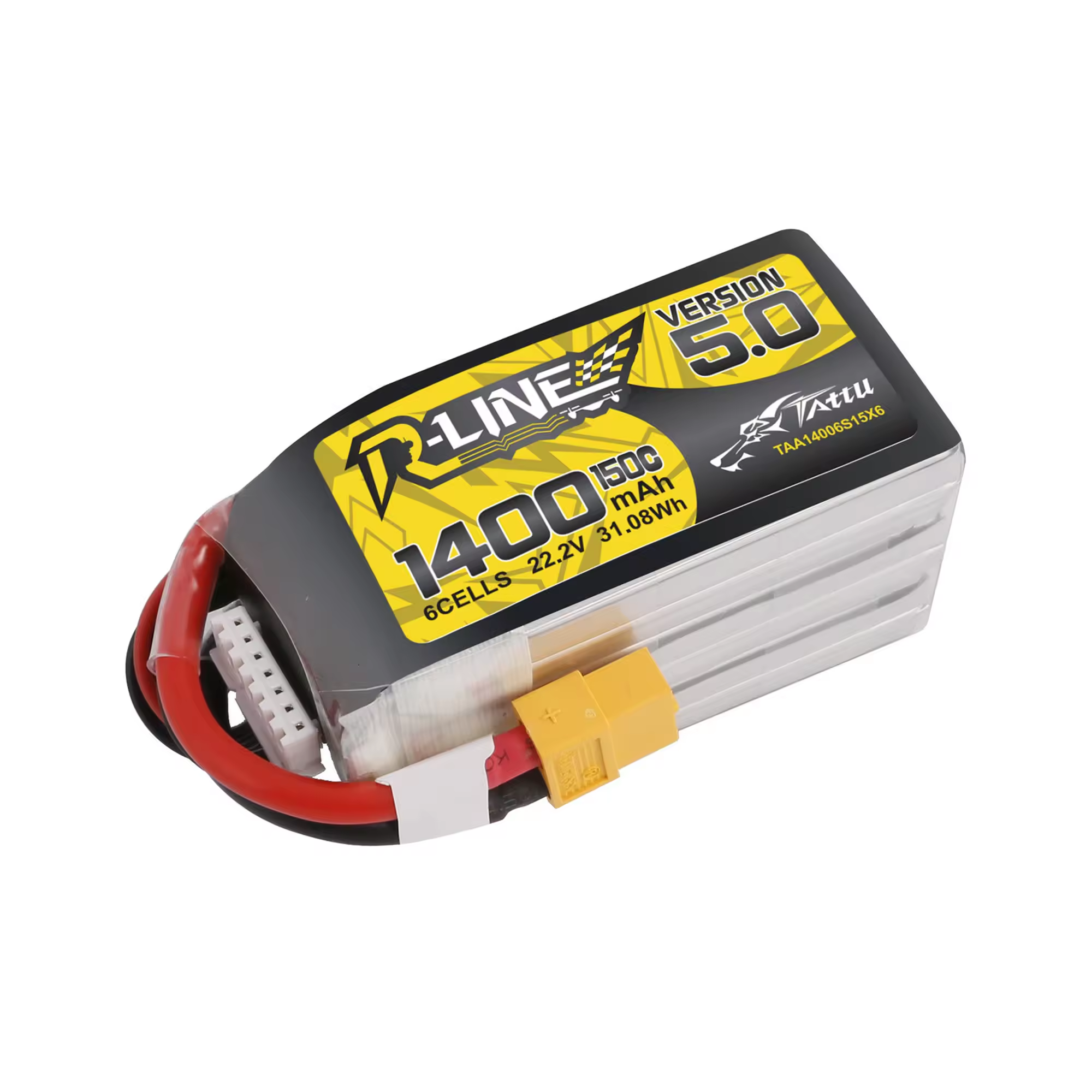
The ST version uses a stick‑style battery configuration, so physical fit should be checked before purchase.
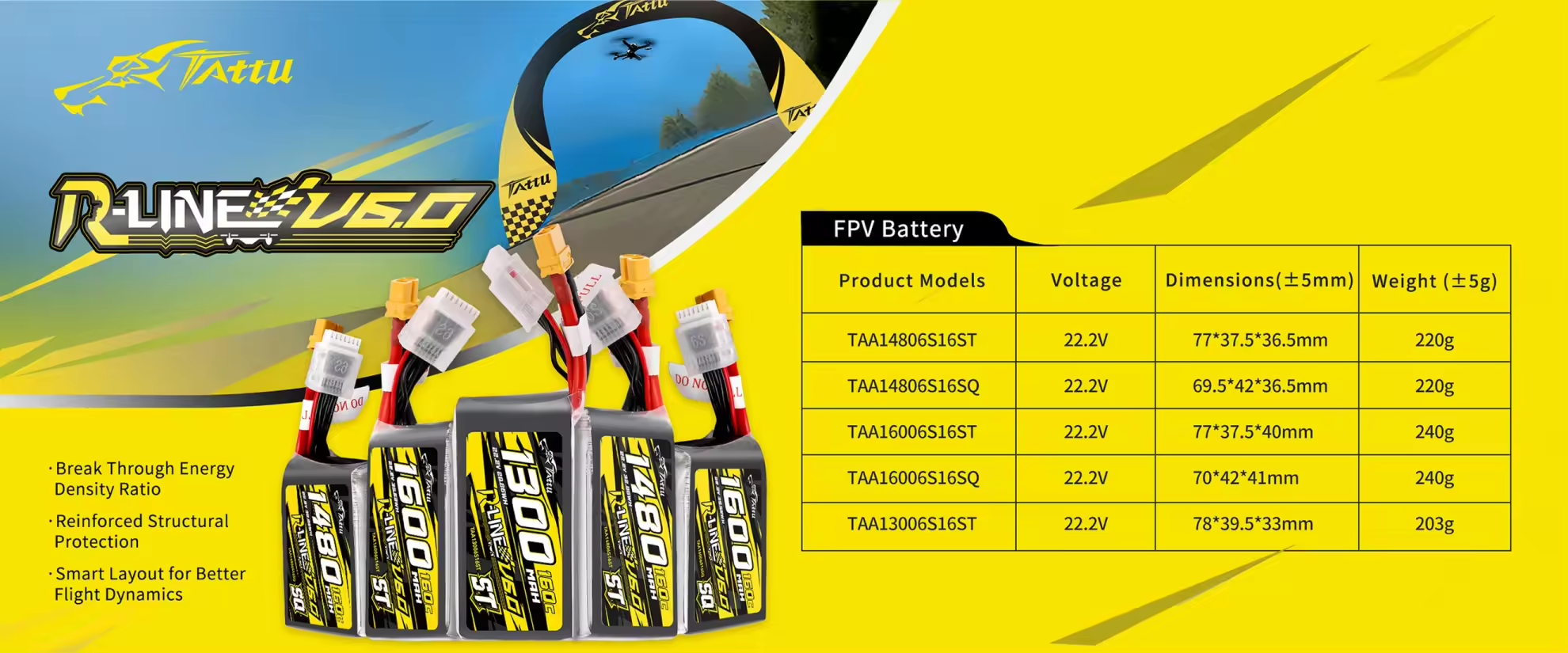
For a 5‑inch FPV build, make sure there is enough space for the battery while still allowing the battery strap to hold it securely. The battery position can also affect the quad's center of gravity and overall handling.
The XT60 connector is commonly used with 5‑inch 6S power systems, but connector compatibility should always be confirmed with your ESC or power lead.
Before buying, check:
● Battery dimensions
● Available frame space
● Battery strap position
● Overall battery weight
● XT60 compatibility
● 6S system compatibility
What FPV Setup Works Best With This Battery?
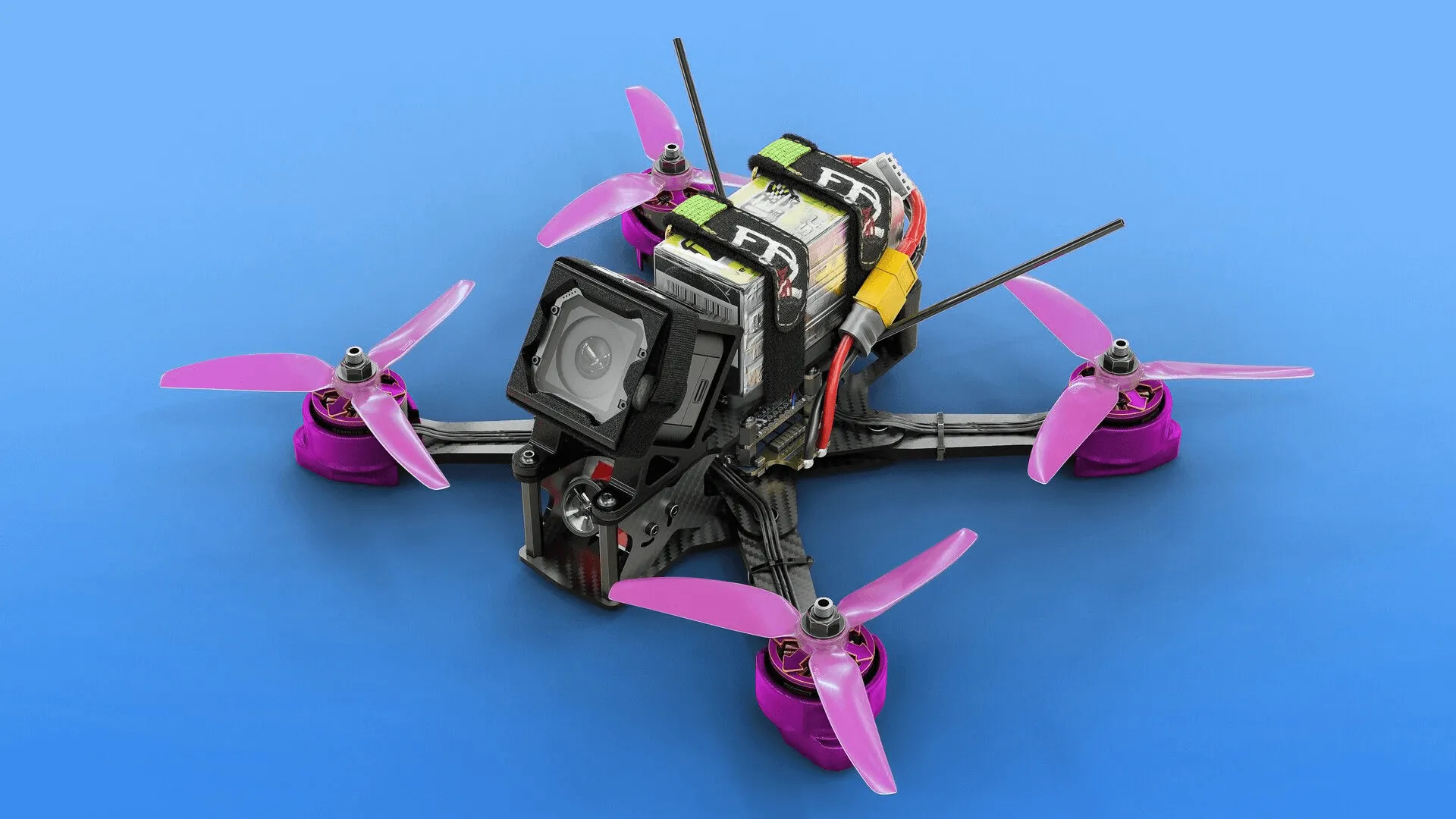
The Tattu R‑Line V6.0 1480mAh 6S is best paired with a 5‑inch 6S power system that can make effective use of its current capability.
A typical setup can include:
| Component | Recommended Direction |
|---|
| Frame | 5‑inch freestyle or racing frame |
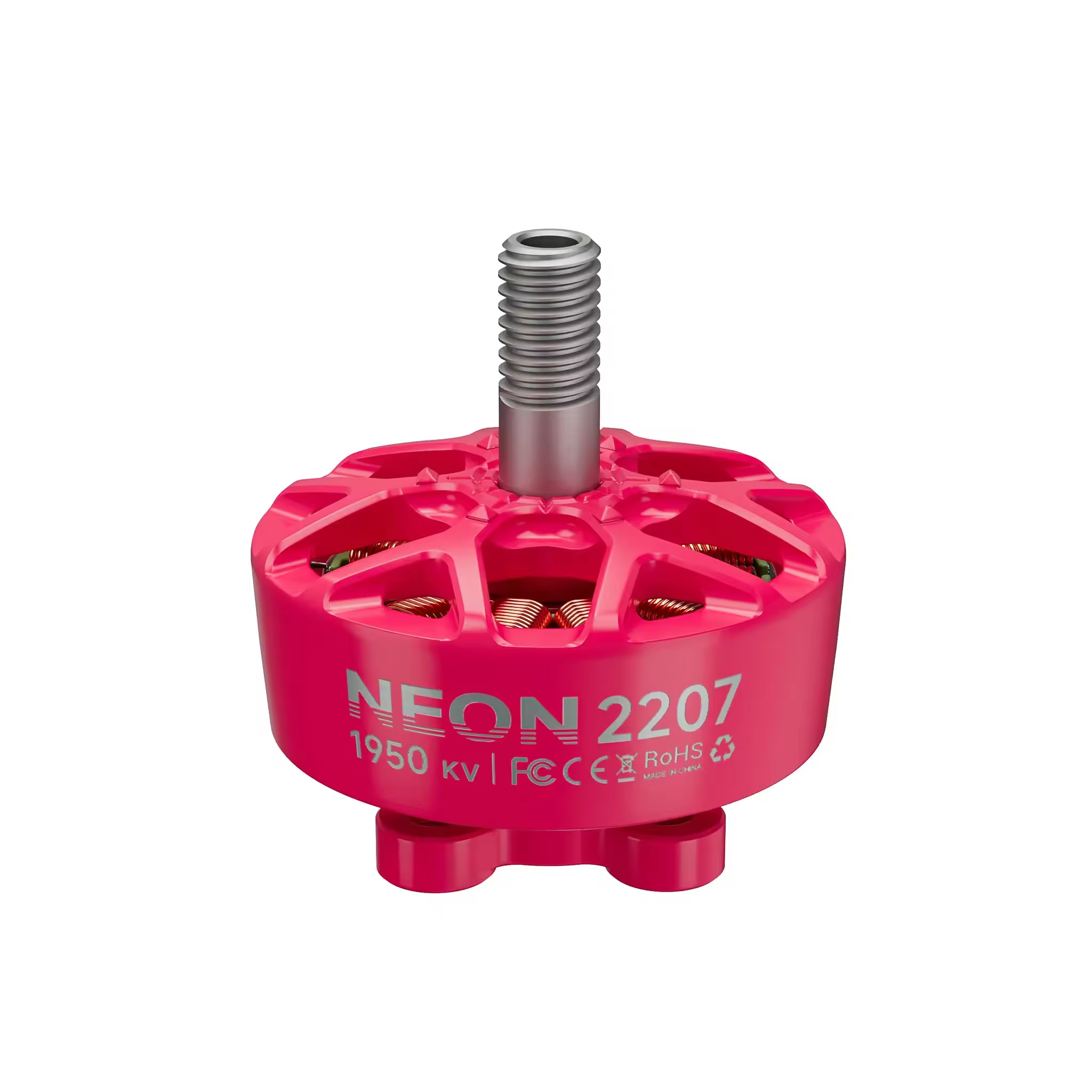
| Motor | 2207 / 2306‑class 6S motors |
| Motor KV | Around 1700–2000KV, depending on motor and propeller |
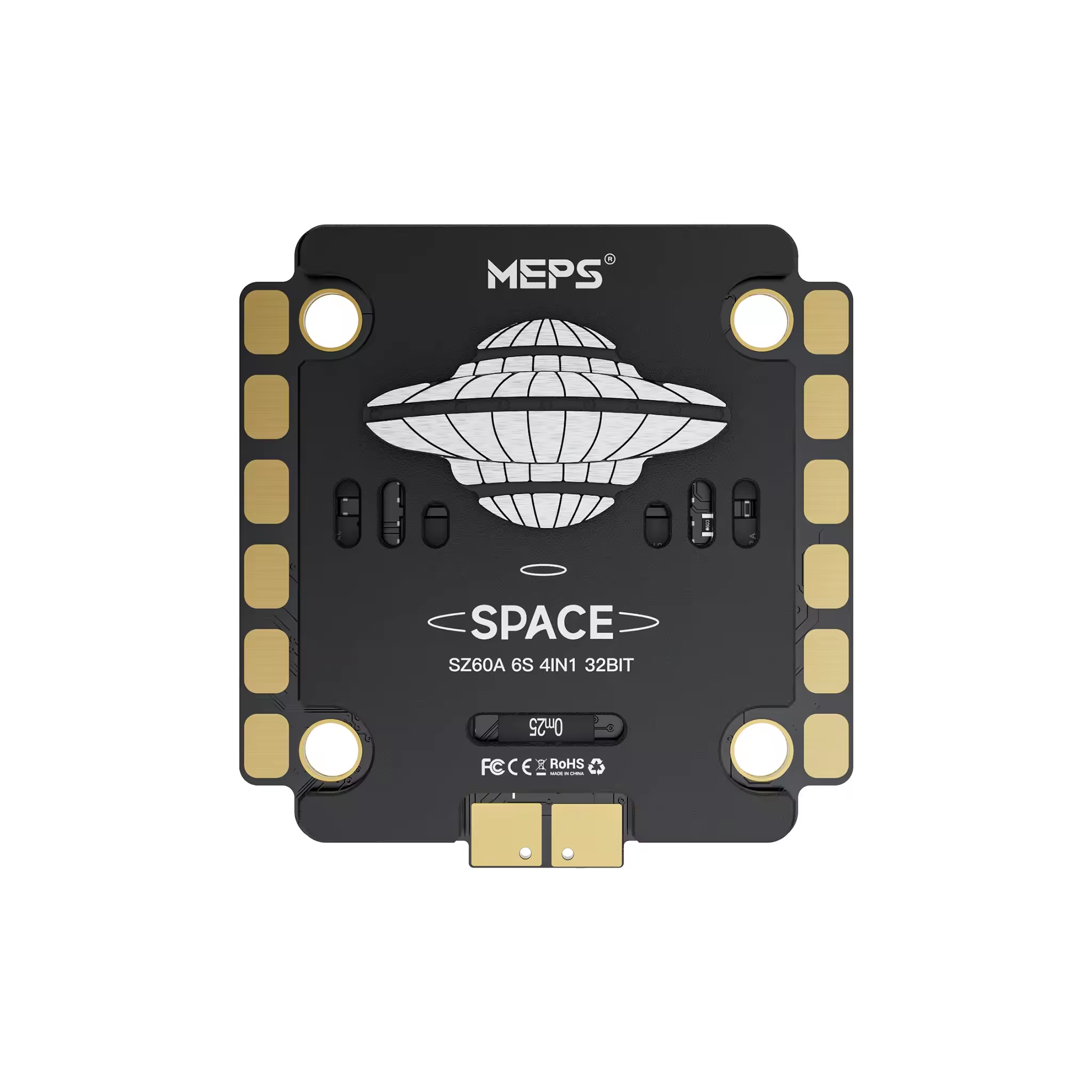
| ESC | 50A–70A 4‑in‑1 ESC, depending on the power system |
| Propellers | 5‑inch props matched to motor KV and flying style |
| Battery | Tattu R‑Line V6.0 1480mAh 160C 6S |
For racing, prioritize a lighter overall build and efficient propeller setup. For freestyle, a setup with stronger torque and a little more weight tolerance can make better use of the battery's additional capacity.
The battery should always be selected together with the motor, propeller, ESC, and total quad weight.
What Should You Check Before Buying?
Before choosing this battery, focus on compatibility rather than the battery specifications alone.
1. Is your drone 6S compatible? Make sure the motors and ESC are designed to operate safely with a 6S 22.2V battery.
2. Can your frame accommodate the ST battery? Check the battery dimensions and mounting area before ordering.
3. Is the battery weight appropriate for your build? A 1480mAh pack provides more capacity than lightweight racing batteries, but the added weight will affect handling.
4. Does your power system use XT60? Confirm that the battery connector matches your ESC or power lead.
5. Is your power system properly matched? Motor KV, propeller size and pitch, ESC current capability, and quad weight all influence battery demand.
Final Verdict
The Tattu R‑Line Version 6.0 1480mAh 160C 6S LiPo Battery is a versatile choice for pilots who want more than a lightweight racing pack but do not want to move all the way to a heavy endurance battery.
Its 1480mAh capacity makes it particularly attractive for 5‑inch 6S pilots looking for a balance of flight time and handling, while the R‑Line V6.0 platform is designed for demanding high‑current FPV applications.



 GEPRC HOTA D6 Pro 325W 15A 1-6S Dual Channel AC/DC Smart Charger w/ Wireless ChargingHOTA D6 Pro 325W Charger$113.04 Save $5.95










 Verified