



FAQ & Help Center
How can we help you today?
Categories

1.What tools do I need to build/repair an FPV drone?

Essential Tools:

● Soldering Iron: Buy a high-power temperature-controlled soldering iron with a stand. The melting point of tin wire is about 370°C; your soldering iron must exceed this. The stand and temperature control ensure safety even if you forget to turn off the power — the iron won't be damaged by high temperature.

● Wire Cutters: For cutting zip ties, electrical wires, silicone leather — anything too hard for scissors.

● Hex Screwdriver Set: Commonly used sizes are M1.5, M2, and M2.5. A good screwdriver makes installation easier and smoother. Electric screwdriver is also a great choice.

● Multimeter: A digital multimeter (DMM) is used to troubleshoot your FC and ESC — measuring voltage, current, resistance, and testing for short circuits. A small investment that can save hundreds of dollars in damaged parts by testing circuits before plugging them in. A cheap multimeter is fine for testing shorts, finding broken wires, and checking battery voltage.

Recommended Tools:

● Smoke Stopper: Connect between the FPV drone and LiPo battery when you plug in the battery for the first time. Detects short circuits that could damage components. Please replace regularly if used frequently.

● Prop Nut Tools: For removing and securing propeller nuts. Tools designed specifically for FPV are easier to use. Usually needed when installing propellers with the stack.

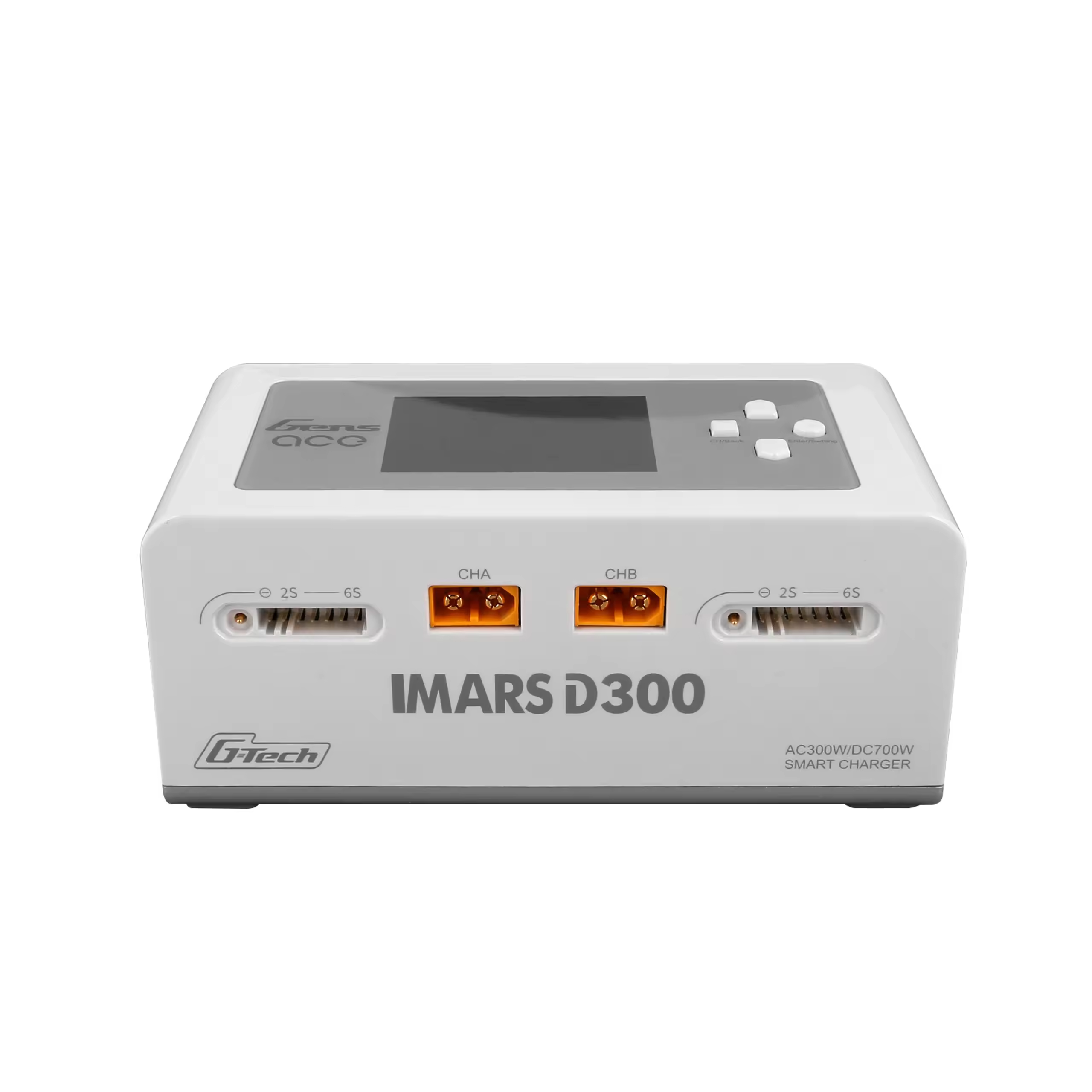
● Bench Power Supply: Variable voltage output that can power your soldering iron, test your drone, FPV components, LiPo charger and so on. Recommended: maximum current 10A, maximum voltage 32V, power 230W.

2.What materials do I need to fix equipment on the FPV drone?

● Electrical Tape: Must-have for electrical work. Only use 3M — stretchy vinyl, flexible, used for wrapping motor wires on drone arms.

● Zip Ties: Solid and reliable material ensuring VTX and receiver are firmly attached to the drone frame.

● Solder Wire: Good tin wire has bright joints and low melting point. Recommended: 0.2mm and 0.5mm solder wire for different FPV sizes. Lead-containing wire requires ventilation. For large drones, use silver-containing wire with higher melting point.

● Solder Flux: Improves soldering quality and makes soldering easier.

● Double-sided Tape: Used with zip ties to fix receiver and VTX, helps absorb impact damage.

● Metal Screws and Bolts: Prefer grade 10.9 or 12.9 steel alloy for high strength and durability.

● Heat-shrink Tubes: Used for motor shells, wires, capacitors, power cables, receivers, antennas, and batteries. Shrinks tightly when heated.

3.Motor doesn't rotate smoothly (but looks undamaged)

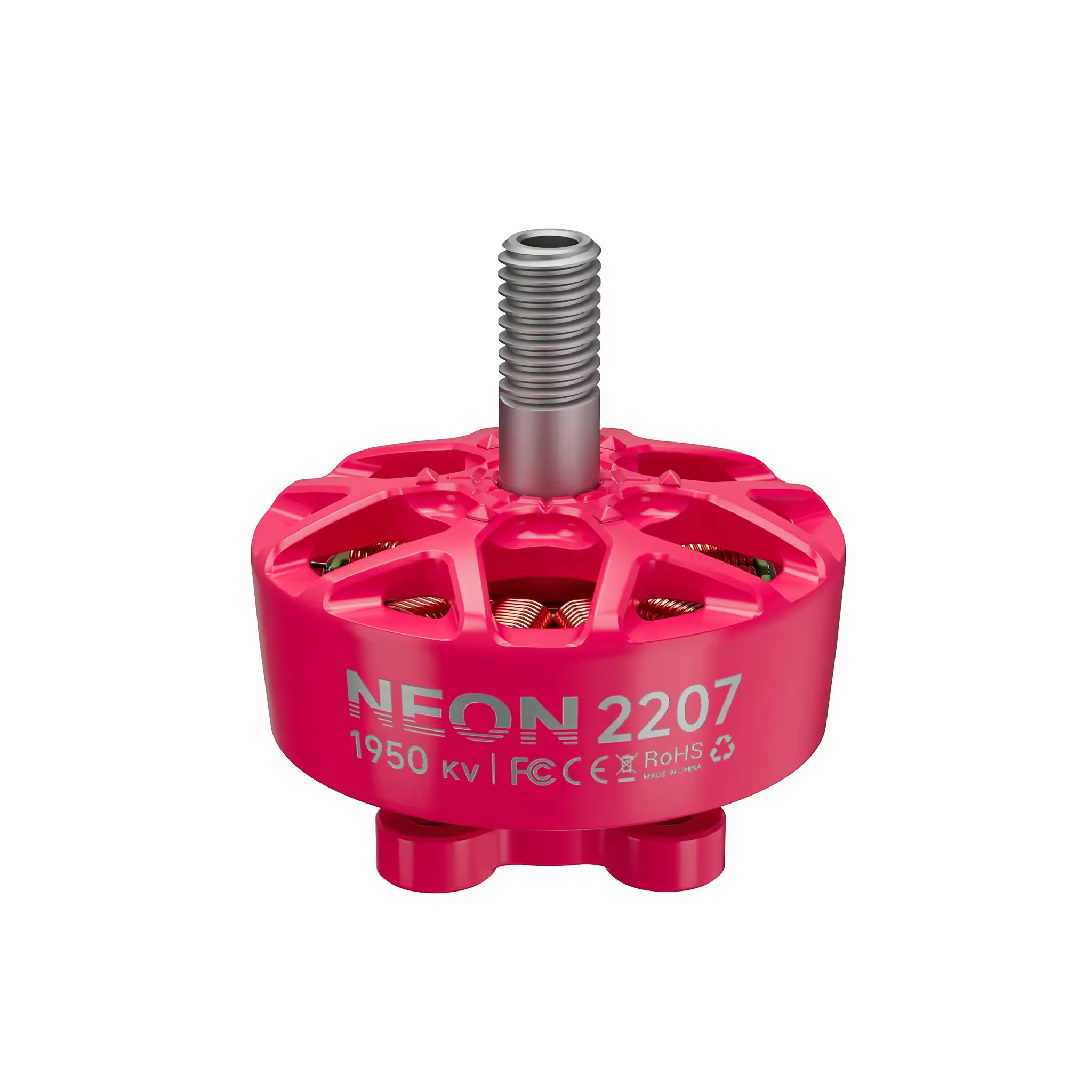
Possible Cause: Internal debris may have entered through design openings, or internal imbalance.

Solution: Remove screws from the bottom of the motor and clean using a brush and tape. Inspect internal components for damage or misalignment. If the issue persists, consult a professional technician.

4.Motor has severe vibrations during flight

Cause A: Prolonged use leads to bearing aging → Replace worn-out bearings.

Cause B: Impact damage causes rotor deformation, creating friction with the stator → Inspect for physical damage. If rotor is damaged, replace with a new rotor. Also check propeller balance and alignment.

5.Motor burned during flight (ESC is working correctly)

Cause A: Motor mounting screws too long → coil leakage → burnout. Solution: Ensure screws are appropriate length to avoid contact with coils.

Cause B: Battery exceeds motor's operating voltage → burnout. Solution: Match battery voltage with motor specifications.

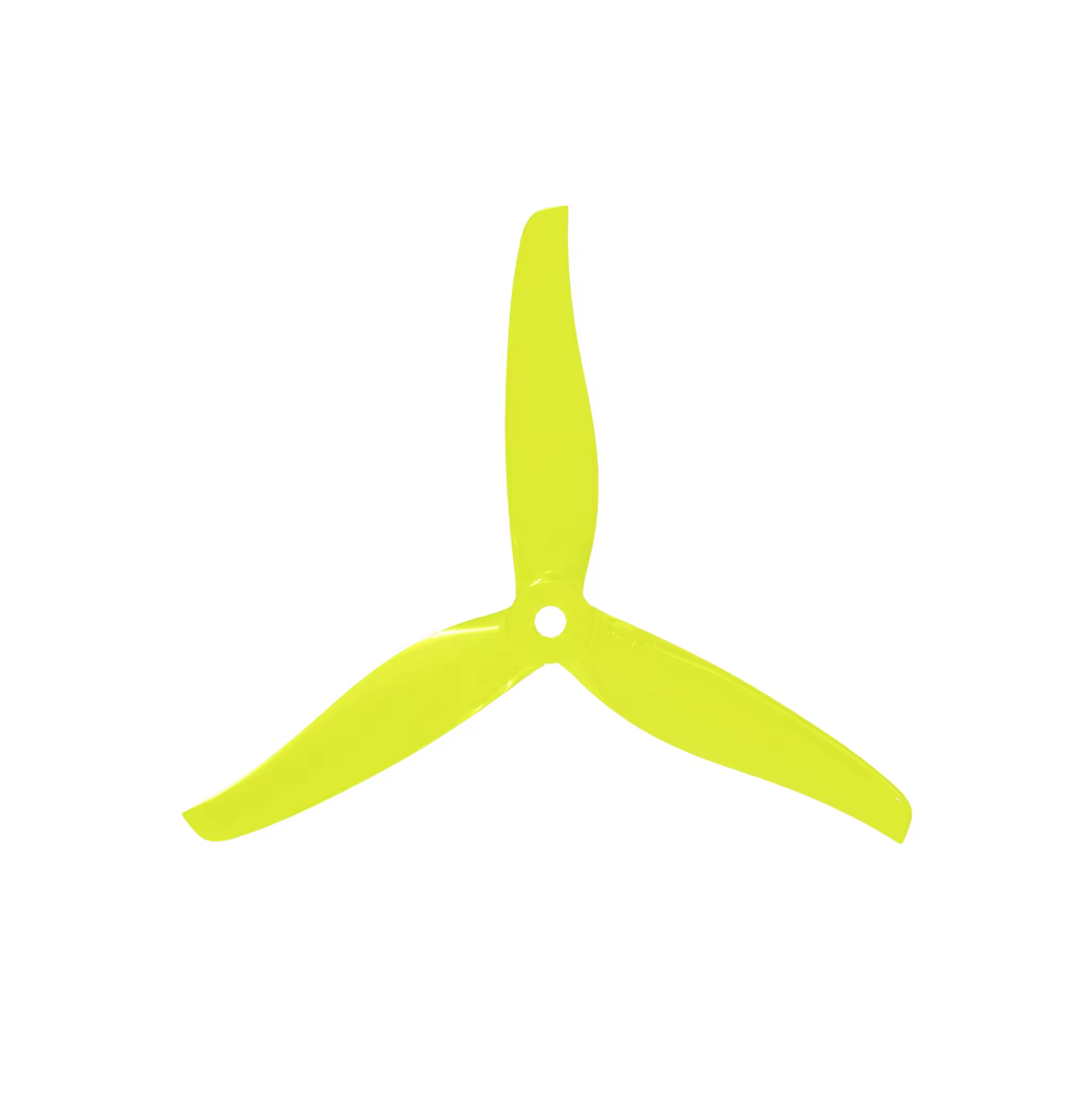
Cause C: Oversized propellers → excessive load → burnout. Solution: Use propellers within the recommended size range for the motor.