Buying Guide: T-HOBBY AT4130 Long Shaft Brushless Motor
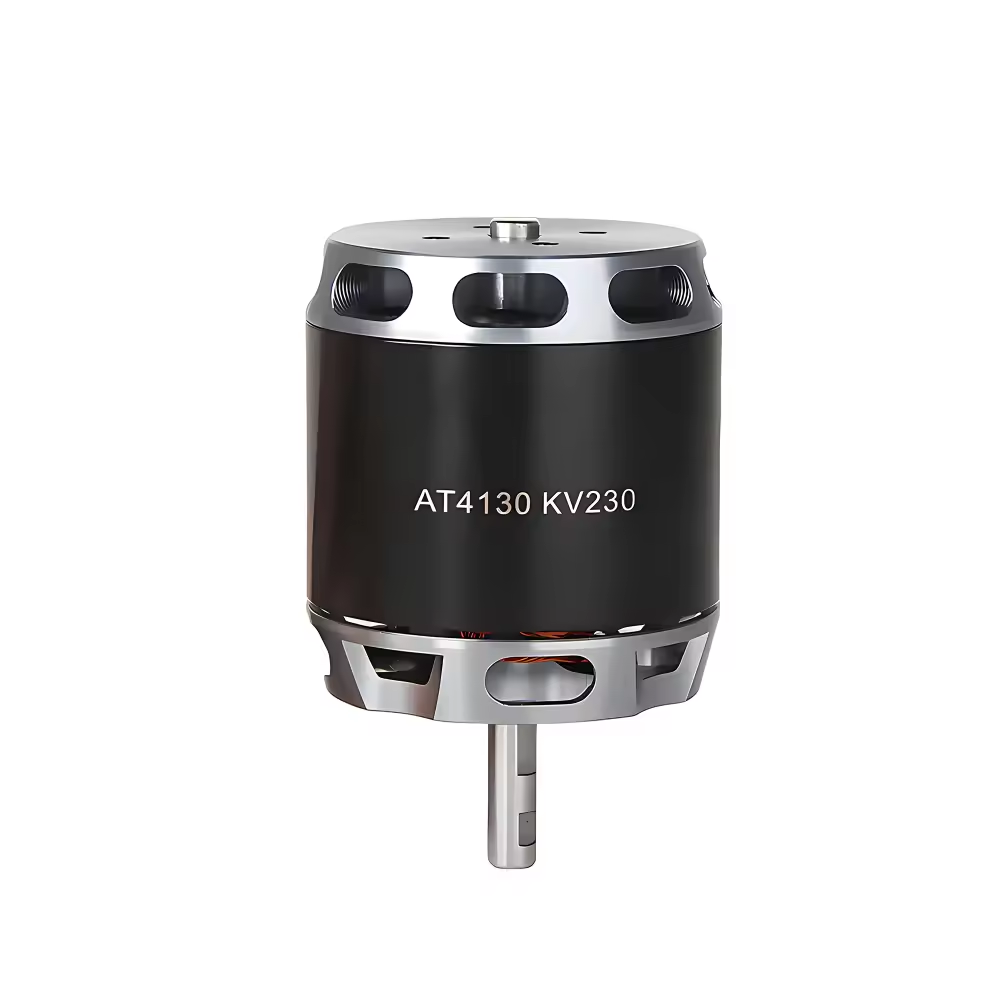
The T-HOBBY AT4130 motor is designed for large electric fixed-wing, 3D airplane and compatible VTOL power systems that require a strong 6mm shaft, large-prop capability and high-voltage efficiency. The current MEPSKING listing offers 230KV and 300KV, but the correct version depends on your battery, propeller, ESC and required throttle response—not aircraft weight alone.
MEPSKING Expert Review: What the Test Data Means
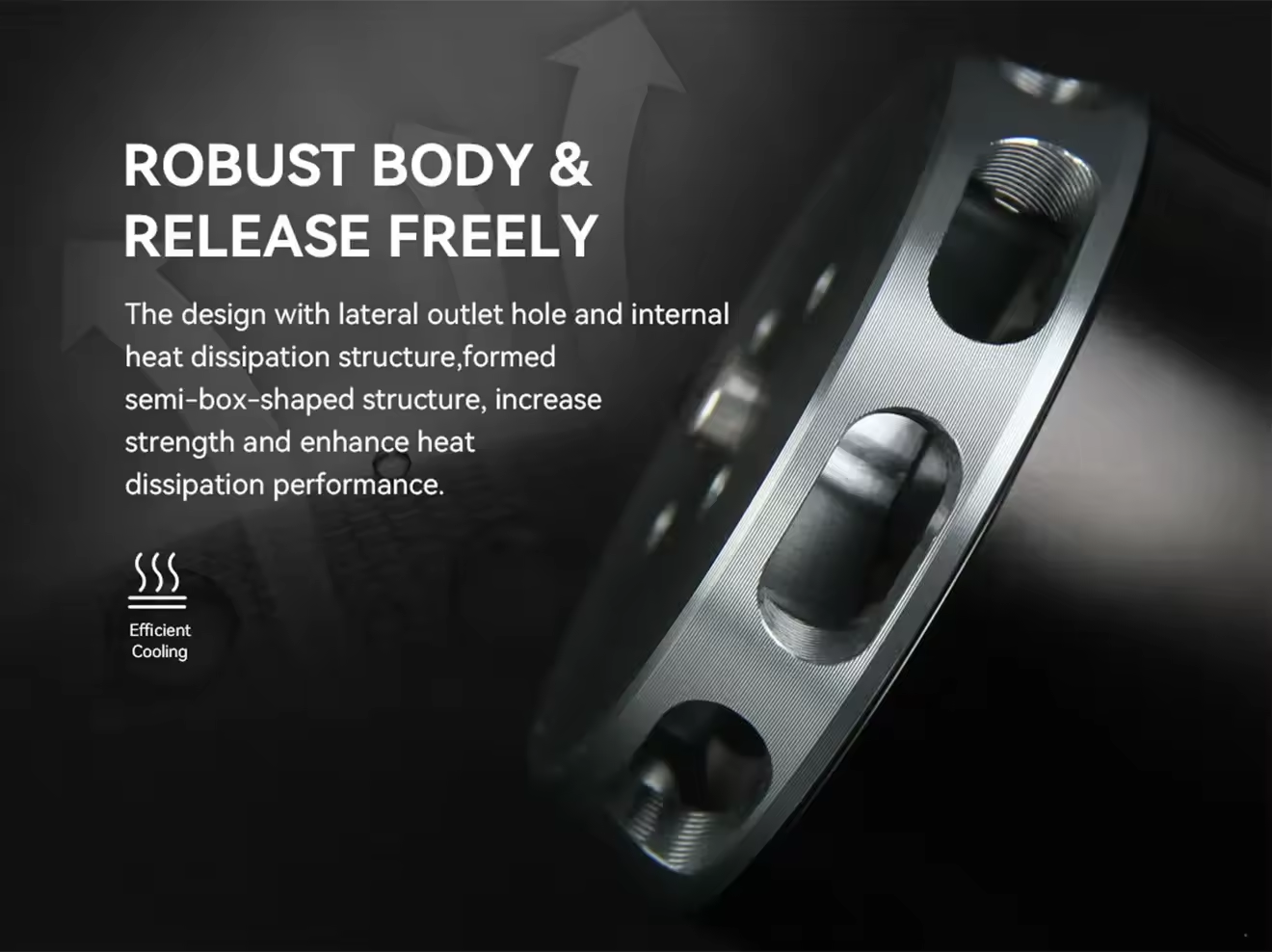
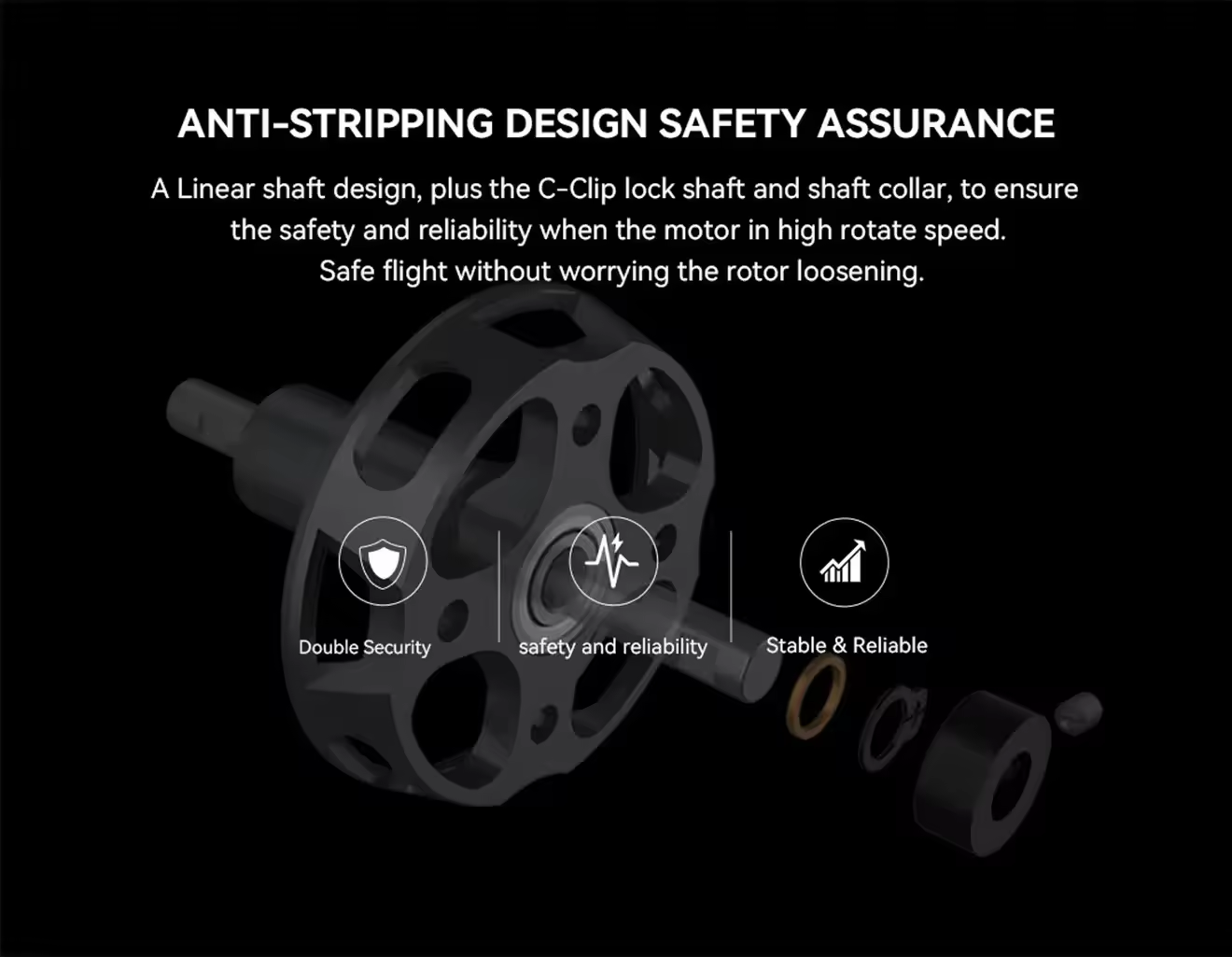
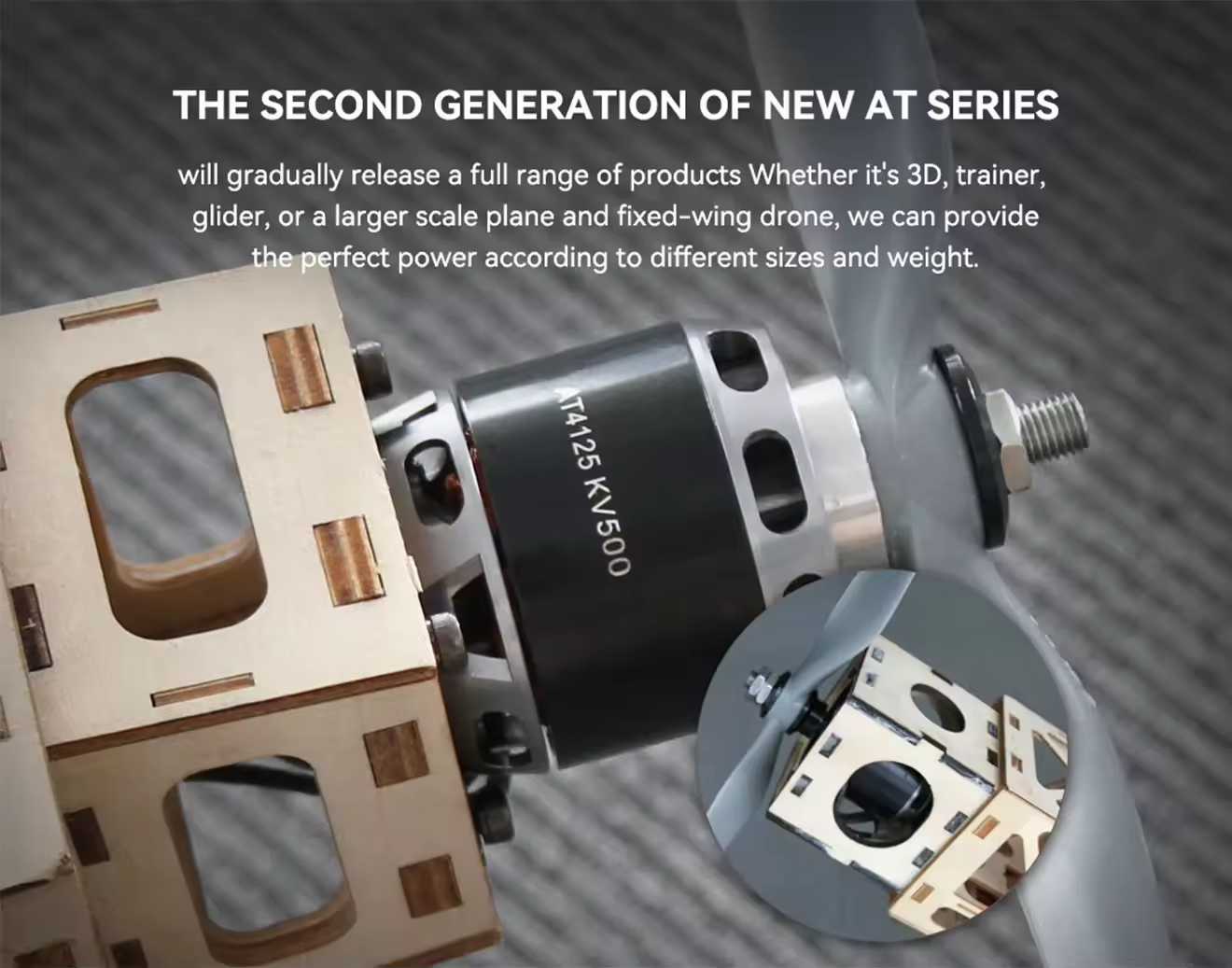
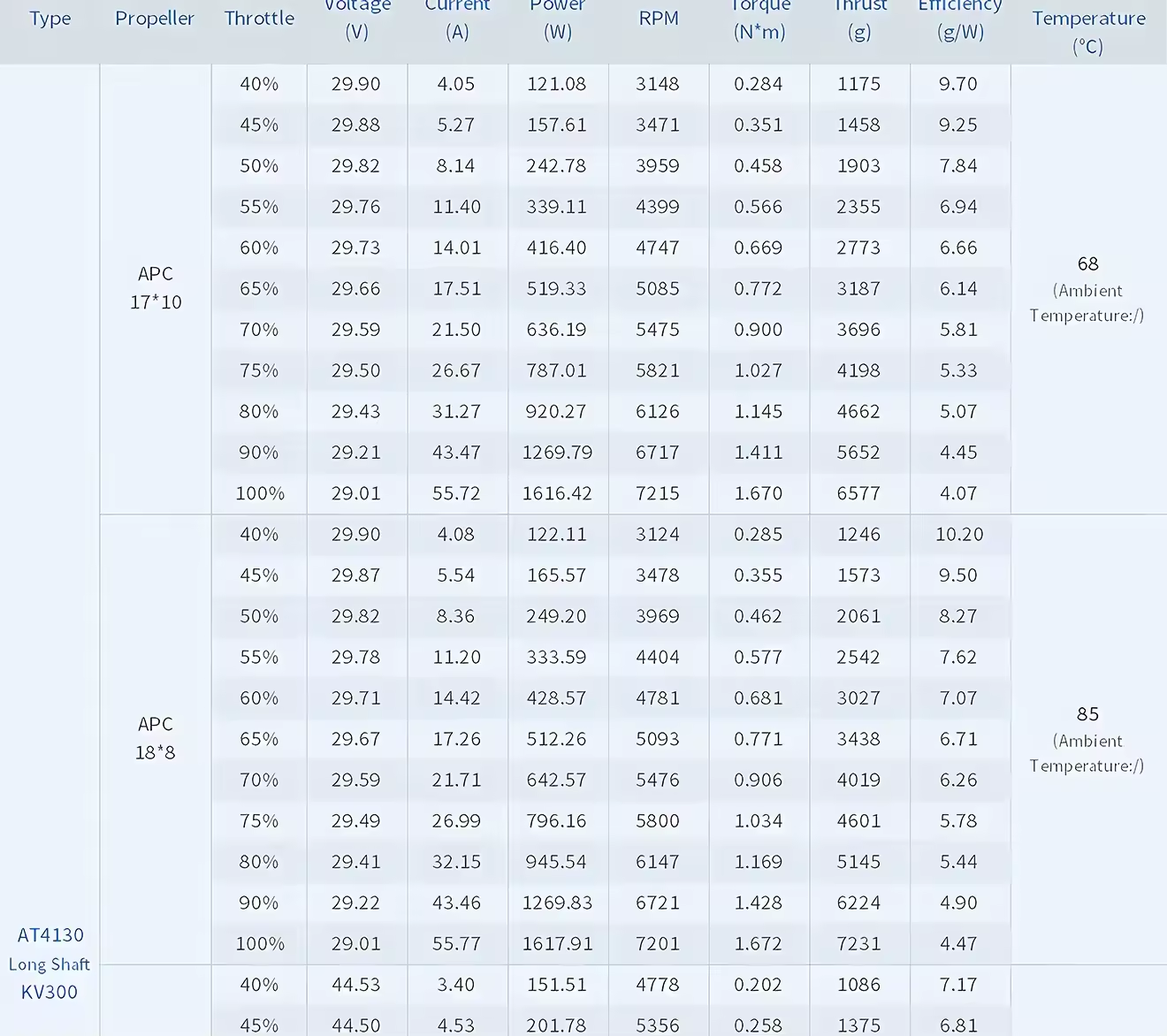
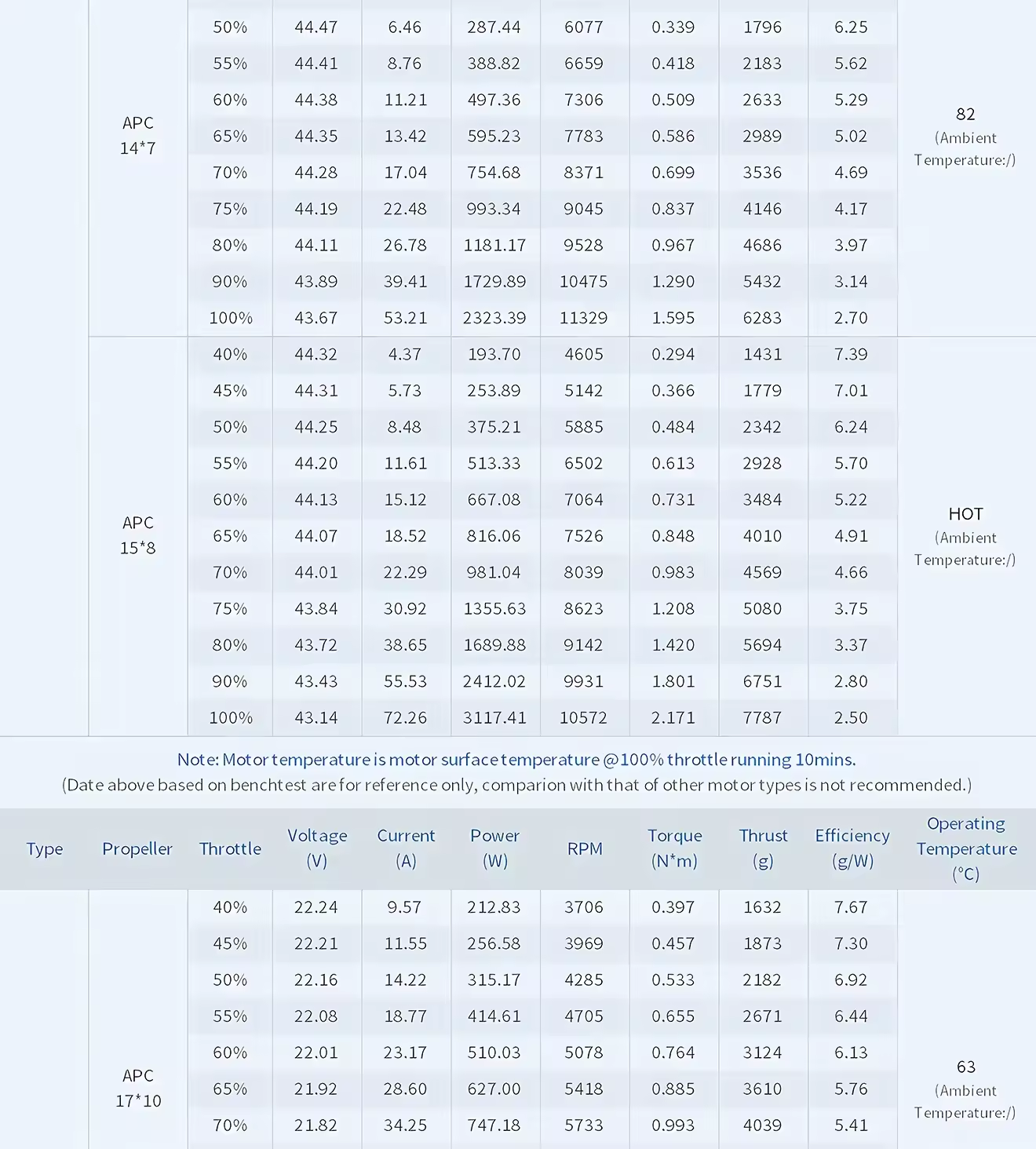
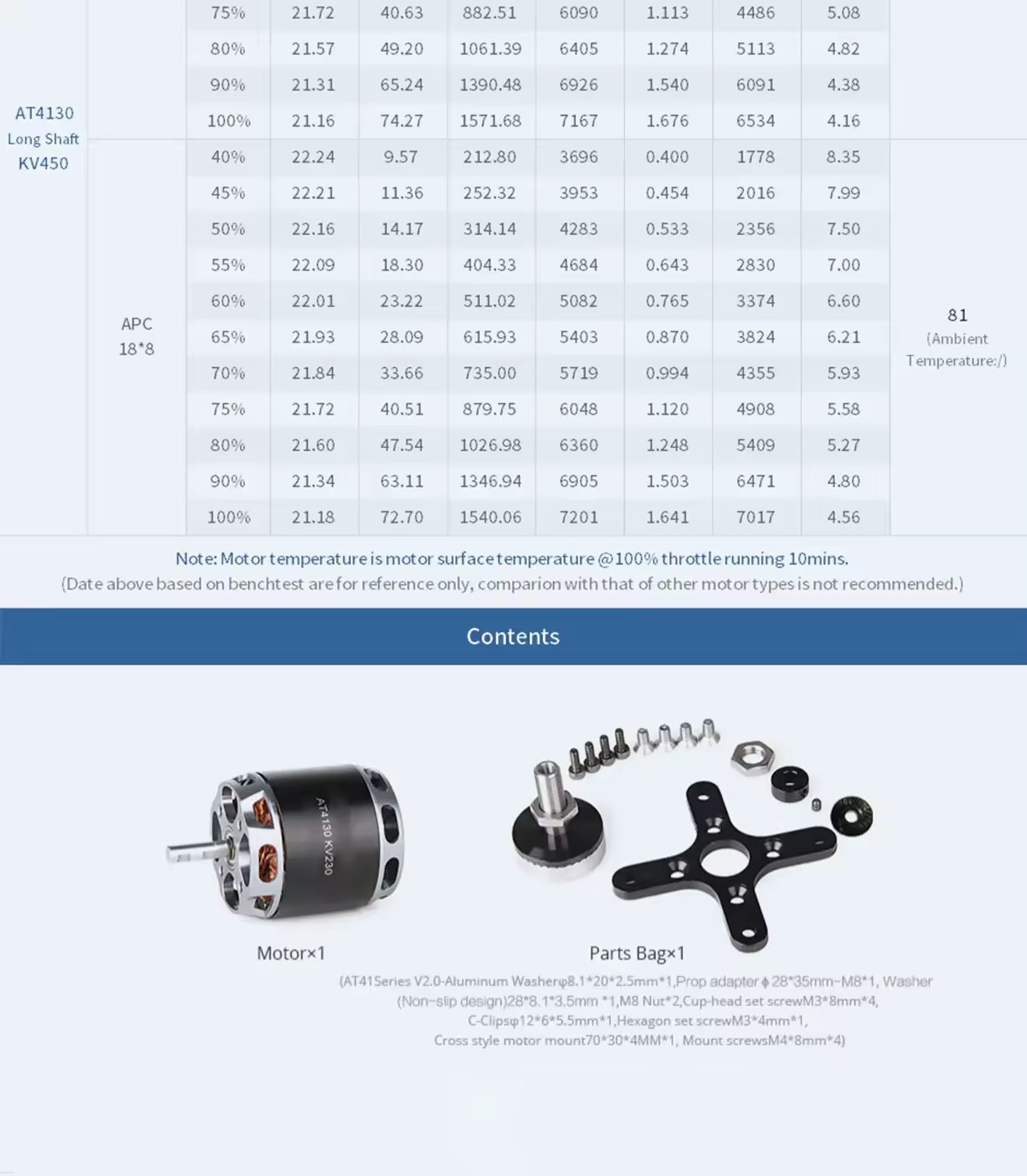
Our assessment combines an installation-focused review with T-MOTOR’s published bench results; the thrust figures below are manufacturer measurements rather than an MEPSKING in-house dynamometer test. From a builder’s perspective, the useful features are the triple-bearing support, secure shaft-retaining structure, cooling openings and 100mm motor leads. These details matter on a 405–408g motor because a large propeller places substantially more axial and radial load on the motor than a typical FPV setup.
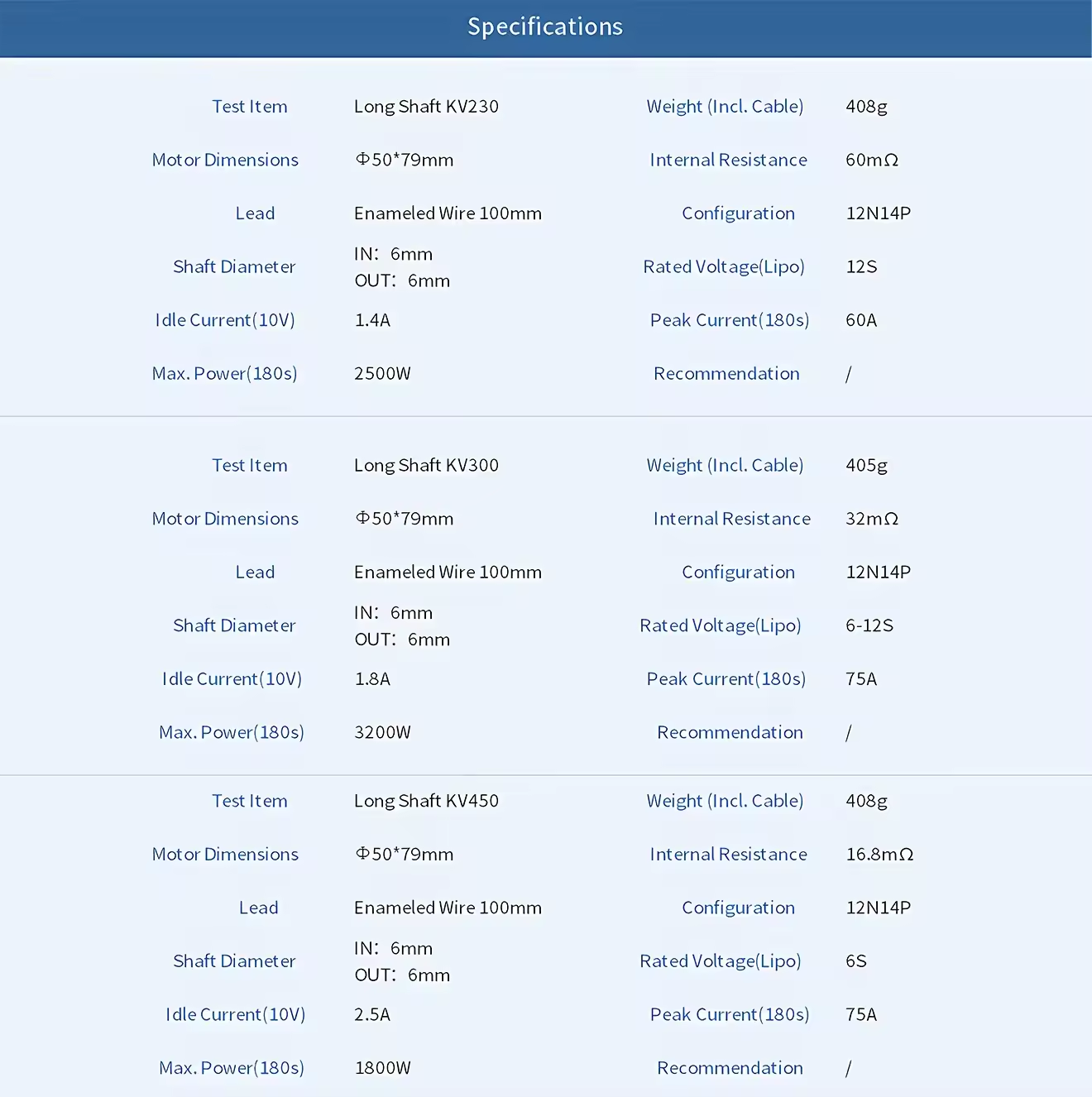
The 230KV version produces a more current-efficient high-voltage setup, while the 300KV version builds RPM and thrust more aggressively. Neither option should be purchased without first confirming the complete voltage, propeller and ESC combination.
AT4130 230KV vs 300KV: Which Should You Buy?
| Selection Point | AT4130 230KV | AT4130 300KV |
|---|
| Rated LiPo | 12S | 6–12S |
| Official Reference Setup | APC 16×8 at approximately 44V | APC 17×10 at approximately 29V |
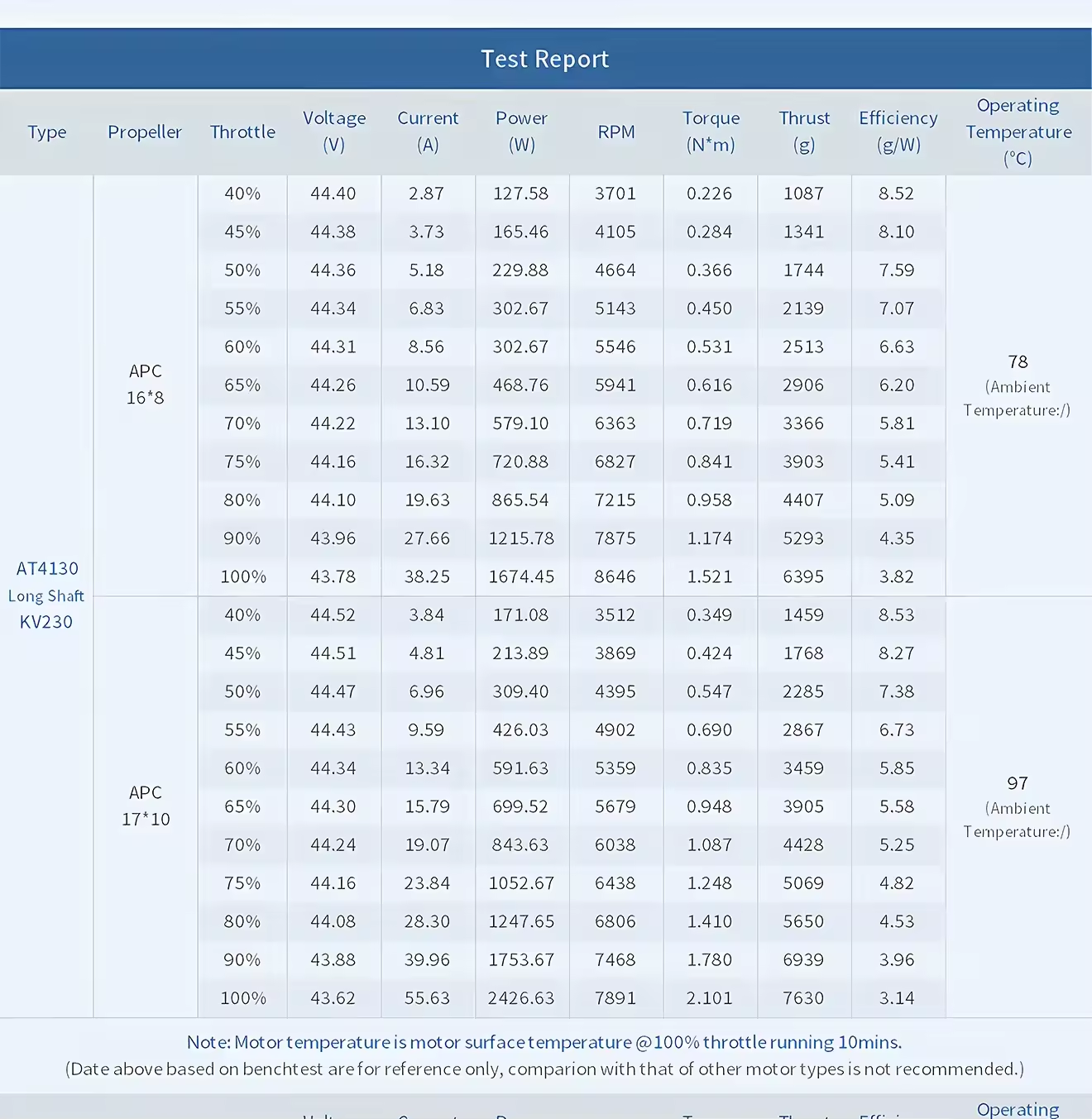
| 90% Test Result | 5,293g thrust at 27.66A | 5,652g thrust at 43.47A |
| Manufacturer Limit | 60A / 2,500W for 180 seconds | 75A / 3,200W for 180 seconds |
| Buy This Version When | 12S efficiency, controlled torque and endurance are priorities | Faster response and stronger 3D power delivery are priorities |
Important: the results above come from different test systems. Do not install the 300KV motor with a 17×10 propeller on 12S simply because the motor is rated up to 12S. Increasing voltage or propeller load can sharply increase current and temperature.
Aircraft and Installation Compatibility
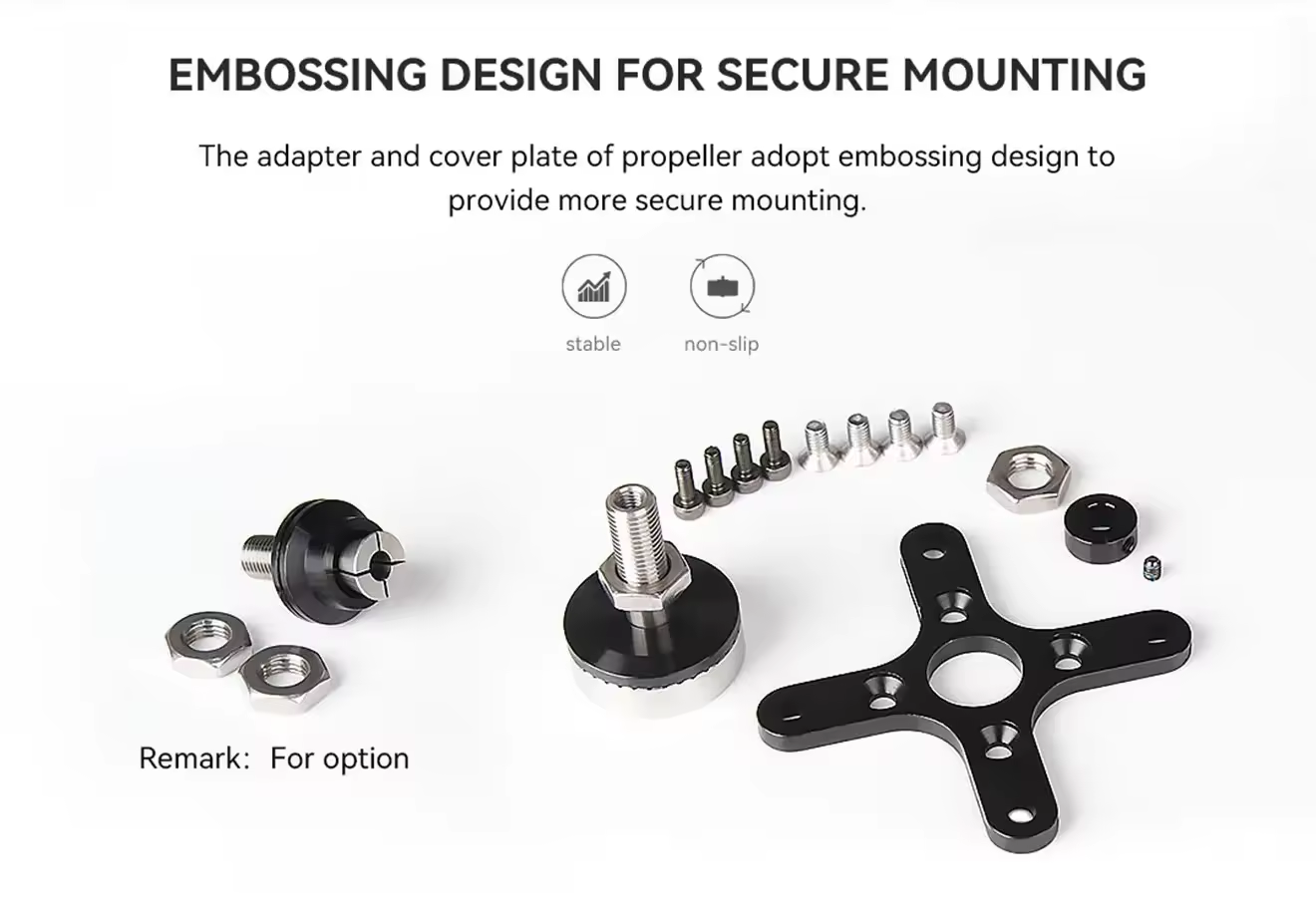
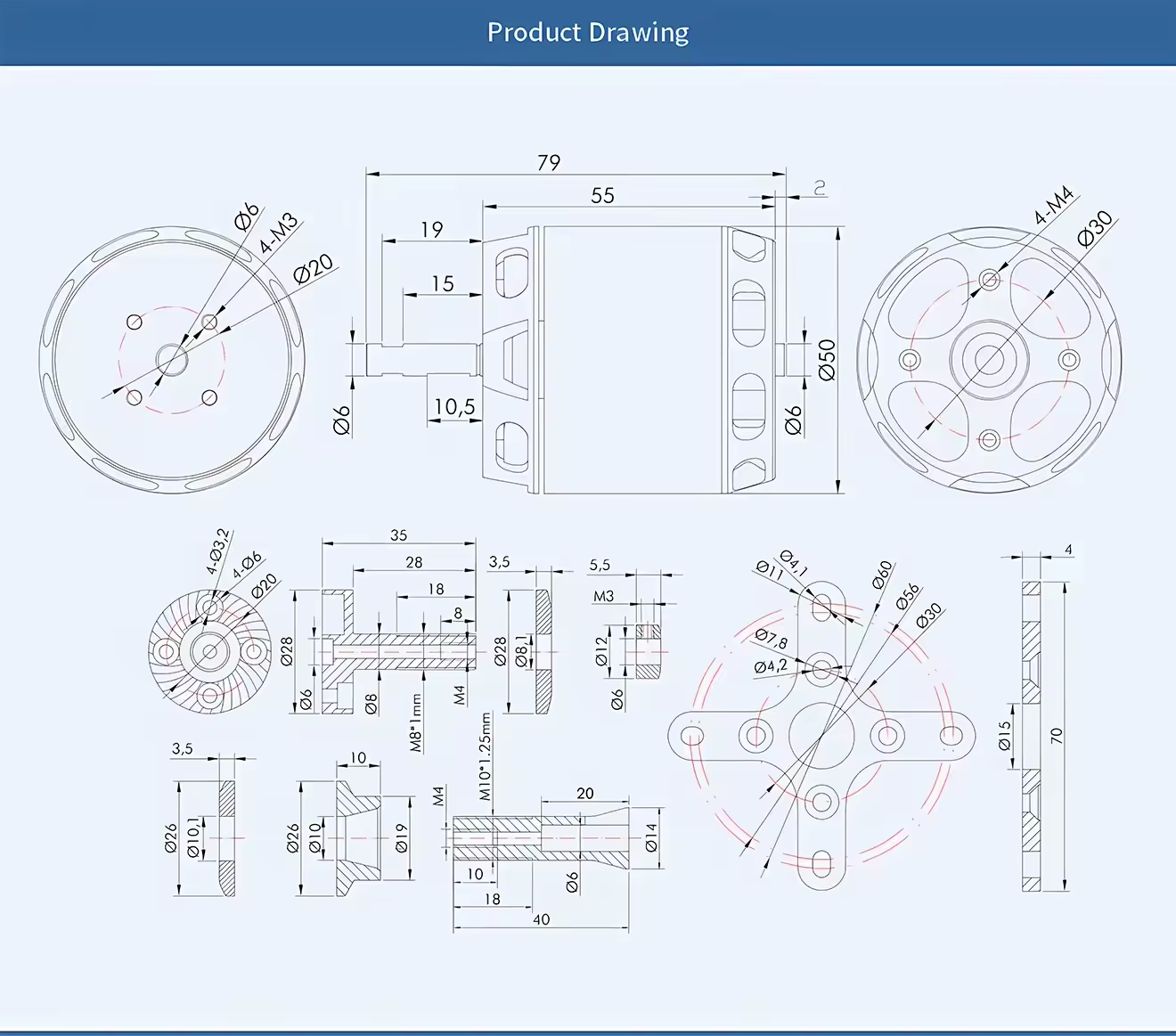
Before ordering, confirm the motor’s approximately 50×79mm dimensions, 6mm output shaft, mounting pattern, spinner clearance and aircraft center of gravity. The long-shaft structure is useful only when it matches your firewall, propeller adapter and cowling layout; it does not automatically make the motor suitable for every large RC airplane.
Use a fixed-wing ESC with adequate voltage and current headroom. The T-HOBBY AT115A 6–14S Fixed-Wing ESC is the most direct MEPSKING pairing for either version because it supports high-voltage operation, provides 115A capacity and includes an SBEC for the radio and servo system.
Setup Advice Before the First Flight
Balance the propeller, secure metal-to-metal fasteners with suitable threadlocker and provide clear airflow around both motor and ESC. Begin propeller testing with a wattmeter at partial throttle and verify current, temperature and vibration before attempting full power. Remove the propeller during receiver setup and initial arming, and never perform a large-prop power test indoors.
Final Buying Recommendation
Choose 230KV for a planned 12S system where efficiency and controlled power delivery matter most. Choose 300KV when you want a more aggressive response and have already calculated the lower-voltage propeller load and ESC requirement. If your voltage, propeller and target current are still undecided, complete the propulsion calculation before purchasing.













 Verified