Buying Guide: T-Motor Mini Racer F7 Flight Controller
MEPSKING Professional Pilot Assessment
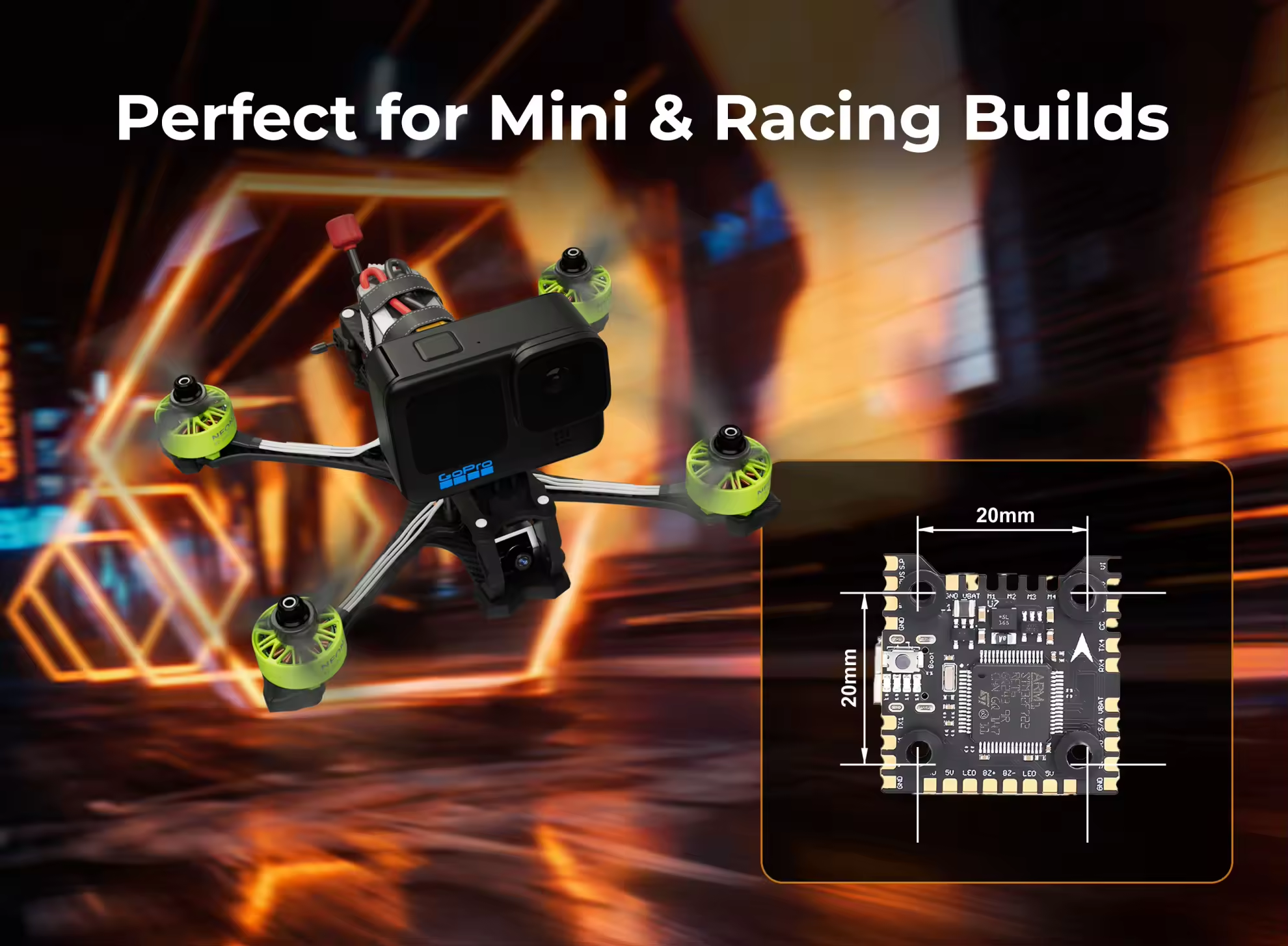
After reviewing the supplied 5-inch racing build, flight report and gate-session results, the MEPSKING professional pilot team considers the T-Motor Mini Racer F7 best suited to lightweight analog racing quads rather than feature-heavy cinematic builds.
The evaluated build used a Five33 Switchback Pro Light frame, a T-Motor race stack, Hype Train Vanover V2 motors, a Foxeer 533 Predator V5 analog camera, a CNHL SpeedyPizza 1200mAh battery and HQProp R35 propellers. During repeated laps at an approximately 50-degree camera angle, the pilot reported feeling more comfortable and more in control than with his previous racing build. No flight-controller-related reset, loss of control or configuration failure was reported during the session.
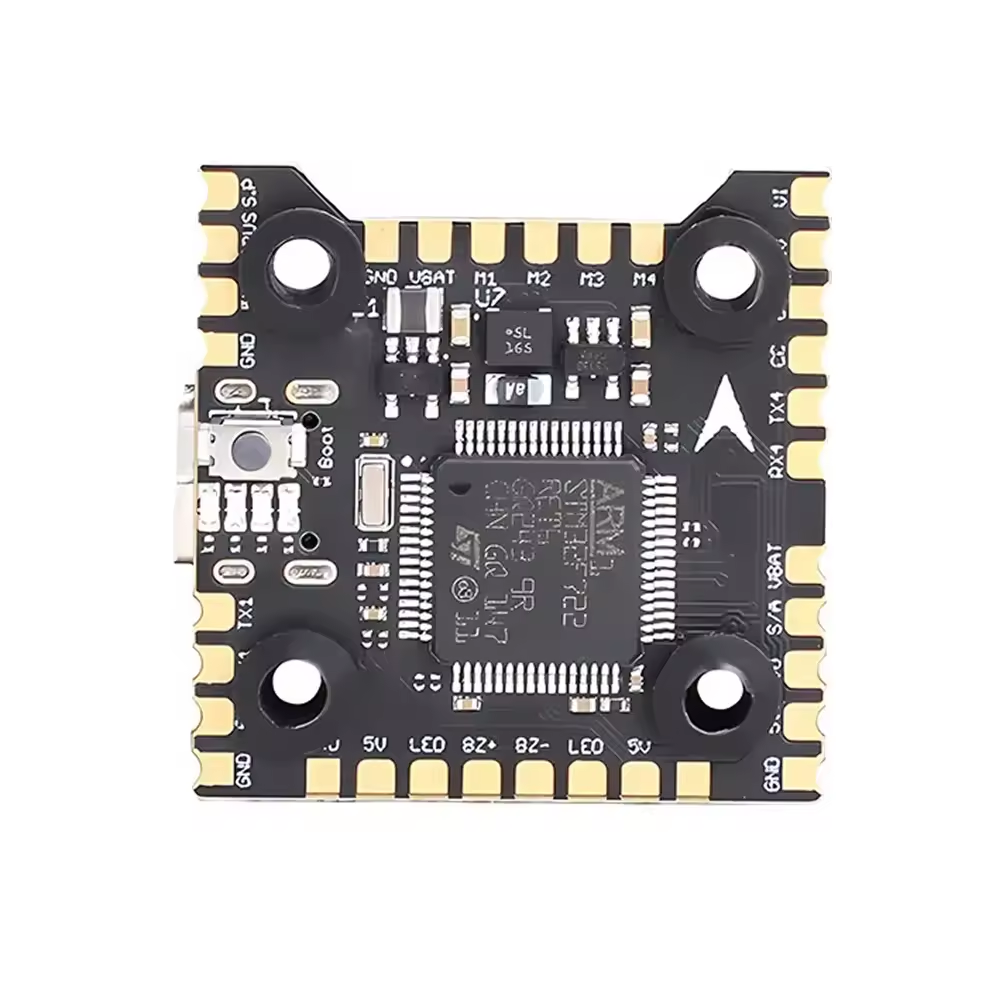
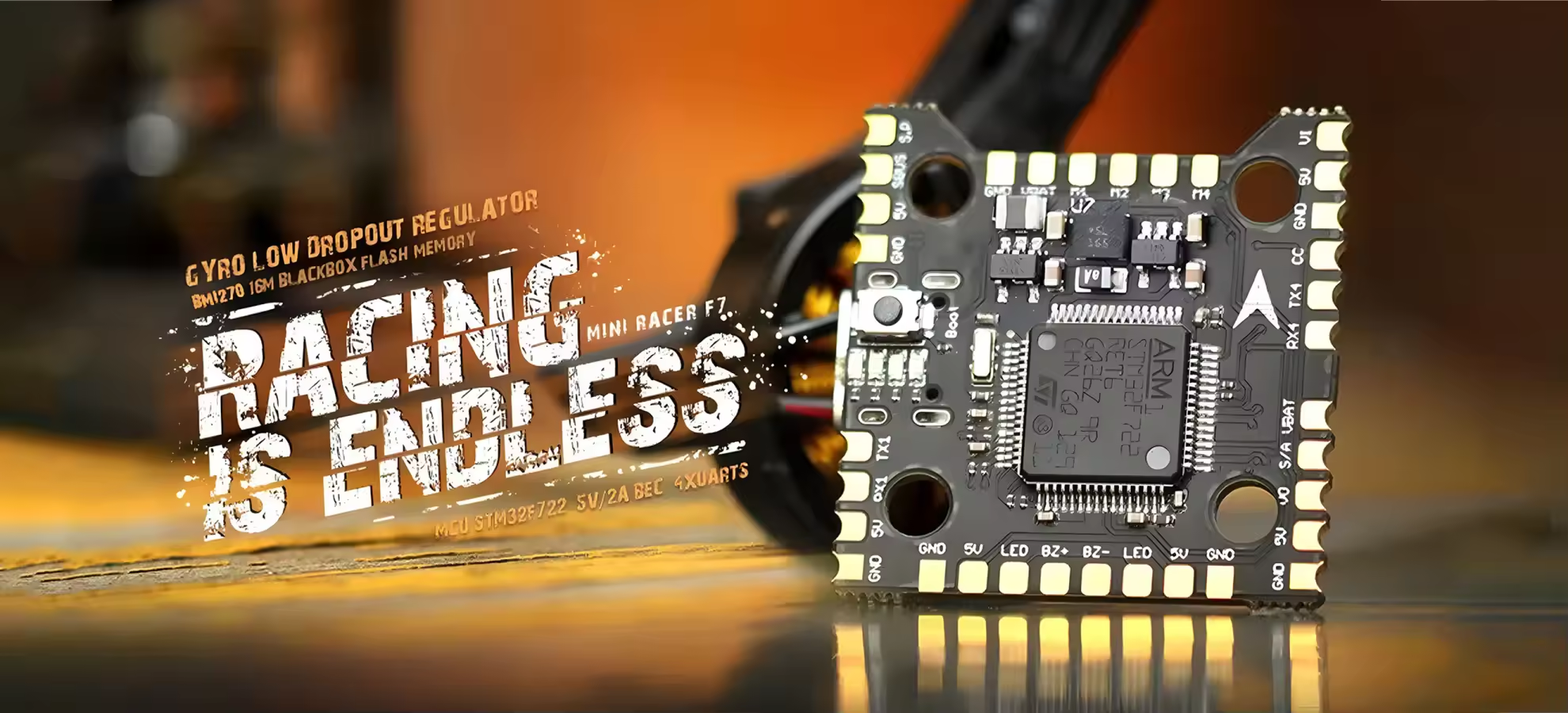
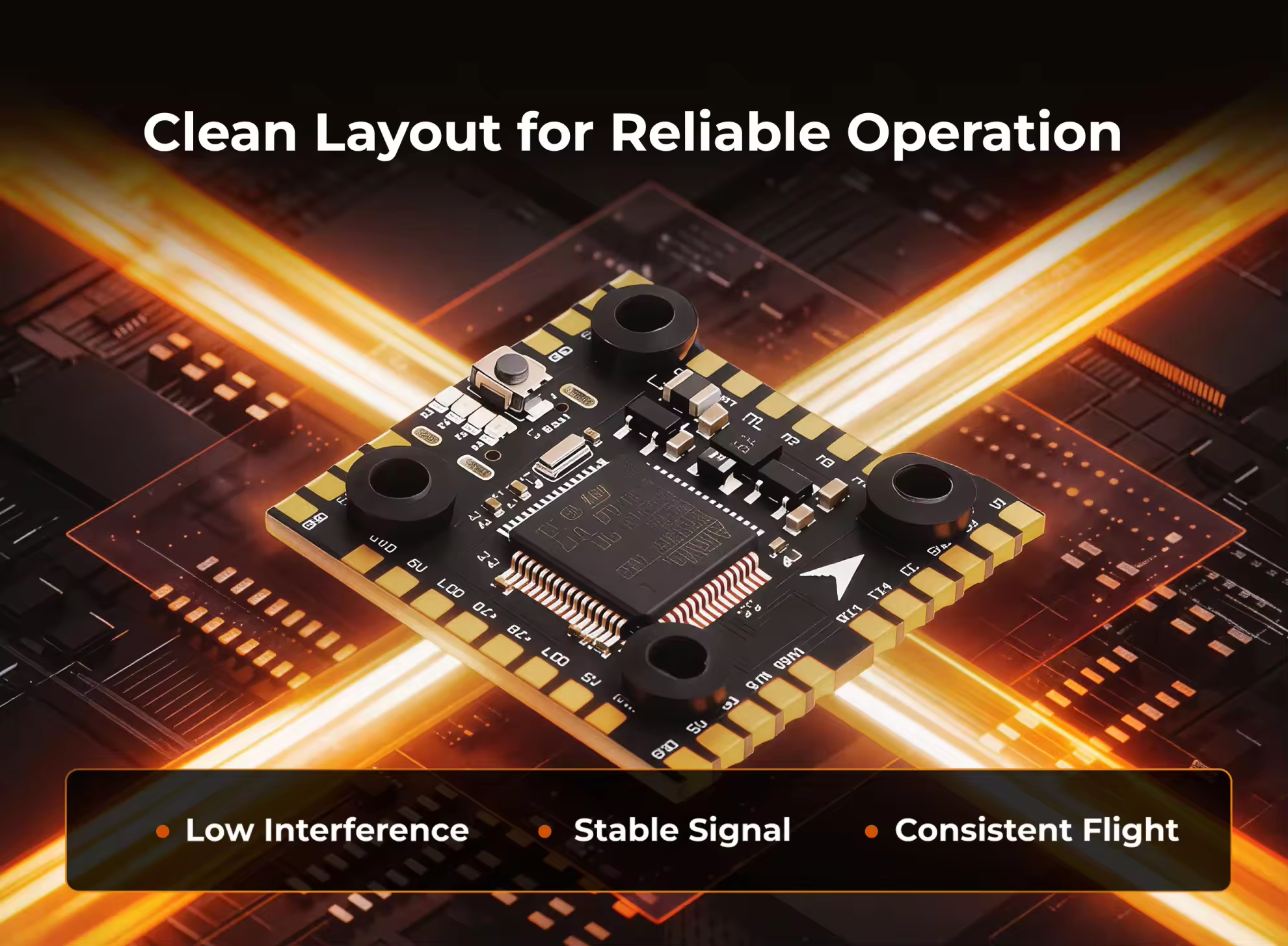
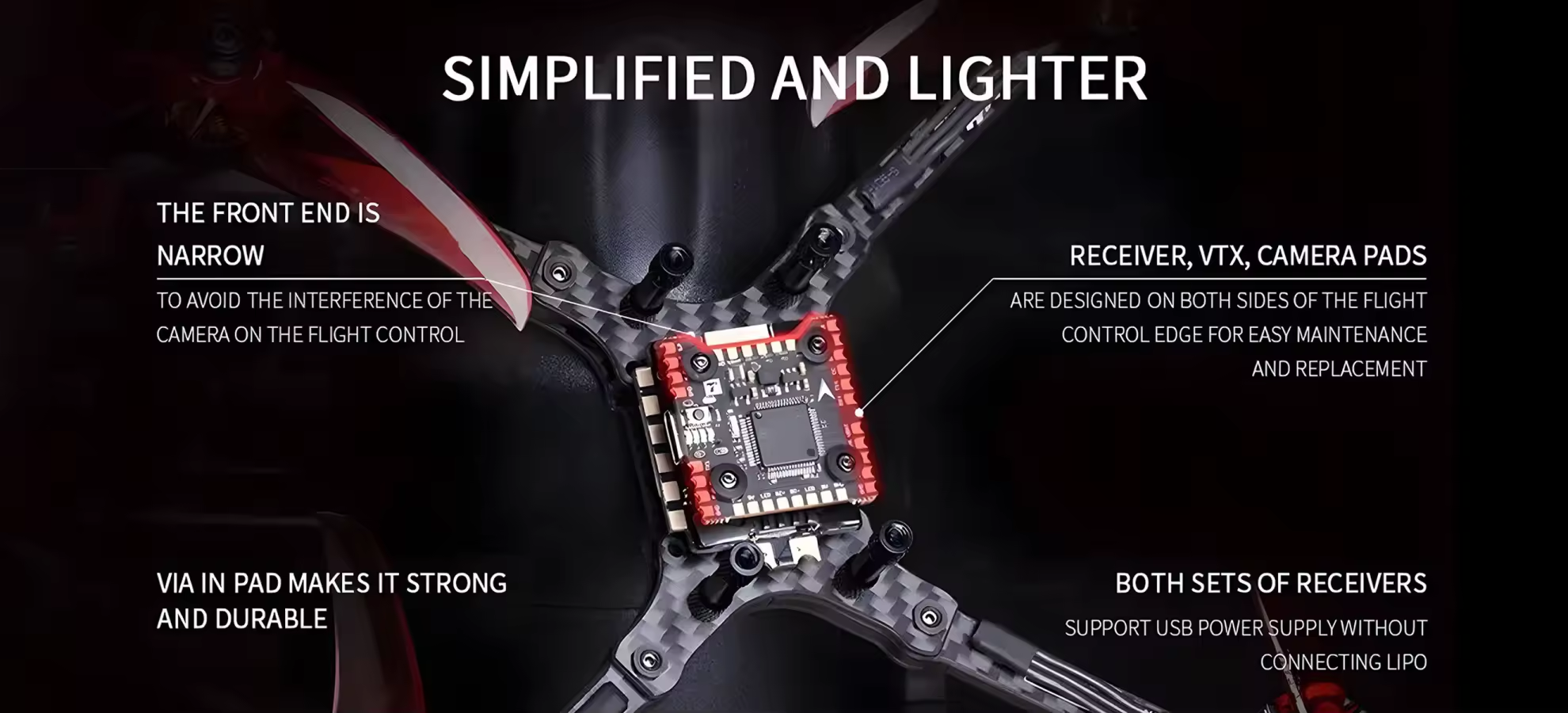
From a professional setup perspective, the main advantages are the lightweight 20 × 20mm layout, responsive F722 processing and 16MB Blackbox memory for post-flight tuning. However, the supplied material does not include Blackbox logs, gyro-noise measurements or an A/B comparison with another FC. MEPSKING therefore treats this as successful real-build validation, not proof that the FC alone produced the improved flight feel.
MEPSKING verdict: choose the Mini Racer F7 for a compact 5-inch analog race build when low weight, a clean 20 × 20mm stack and four UARTs cover your requirements. Choose a different FC if plug-and-play DJI power, a 9V/10V BEC or additional UARTs are priorities.
Who Should Buy the Mini Racer F7?
Choose the Mini Racer F7 if you are building a compact analog racing quad, your frame uses a 20 × 20mm stack, four UARTs are sufficient and you do not need a dedicated regulated 9V or 10V output for a digital video transmitter.
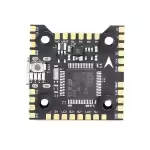
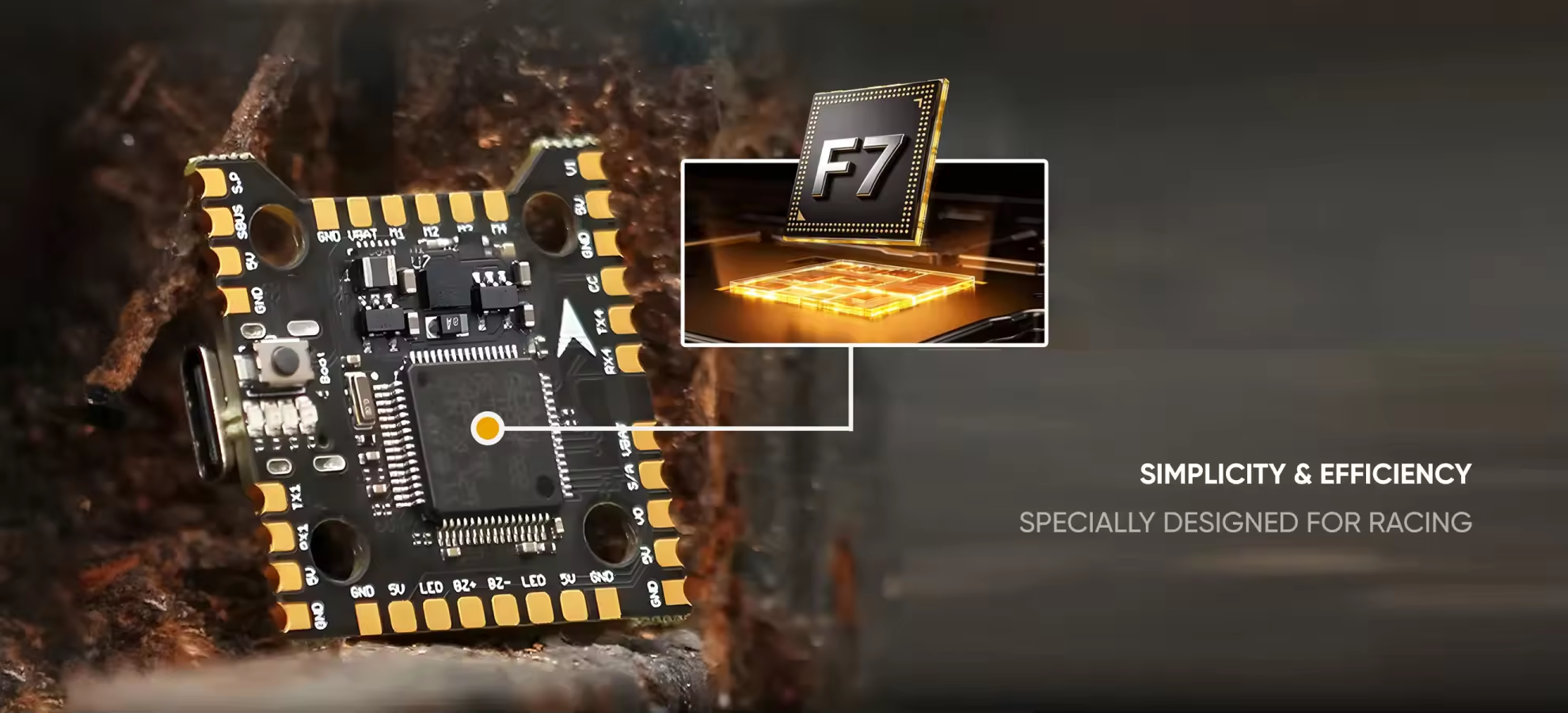
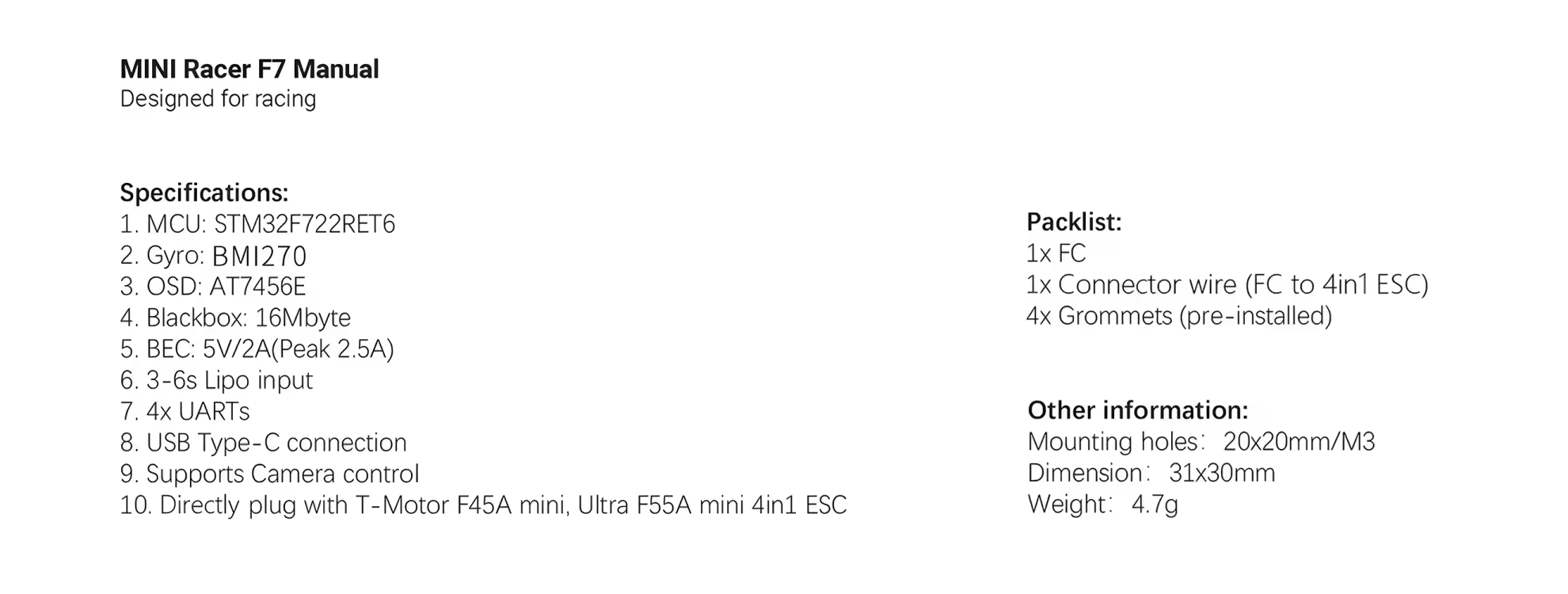
It is a strong choice when you want an F722 controller, analog Betaflight OSD, 16MB Blackbox logging, USB-C access and a direct cable connection to a compatible T-Motor Mini F45A ESC.
It is not the best choice when your main requirement is plug-and-play DJI O3/O4 installation, several power-hungry accessories, more than four UARTs or a full-size 30.5 × 30.5mm stack with larger soldering pads.
Mini Racer F7 vs Similar MEPSKING Flight Controllers
| Flight Controller | Mounting and Core | Video and Power Features | Choose It When |
|---|
| T-Motor Mini Racer F7 | 20×20mm, F722, current version listed with BMI270 | Analog OSD, 5V/2A BEC, four UARTs | Building a lightweight 5-inch analog racing quad |
| MEPS SZ Mini F7 | 20×20mm, F722 | Analog support plus 6-pin HD digital VTX connection | Building a compact digital quad and prioritizing easier HD wiring |
| T-Hobby Mini F7 MPU6000 | 20×20mm, F722, MPU6000 | 5V/10V dual BEC, OSD and built-in PIT switch | Wanting a premium compact FC for both analog and digital systems |
| MEPS SZ F7 Analog | 30.5×30.5mm, F722 | Analog OSD, VTX switch and 16MB Blackbox | Your 5–6-inch frame supports a full-size stack and easier soldering matters |
Analog or Digital FPV: Which FC Should You Choose?
The Mini Racer F7 is strongest as an analog racing FC. Its AT7456E chip can display Betaflight data—including battery voltage, timers, RSSI, link quality and warnings—over an analog video feed.
The board only provides a documented 5V/2A BEC, so it should not be advertised as a dedicated plug-and-play DJI FC. A digital VTX may communicate with the FC through a UART, but it must receive the correct voltage through a suitable regulated output or an approved direct-battery connection.
For a compact 20 × 20mm FC with a dedicated HD connection, choose the MEPS SZ Mini F7. If your frame supports 30.5 × 30.5mm and you want a 10V/2A output with a six-pin DJI connector, choose the MEPS SZ F7 HD.
ESC Compatibility and Installation Notes
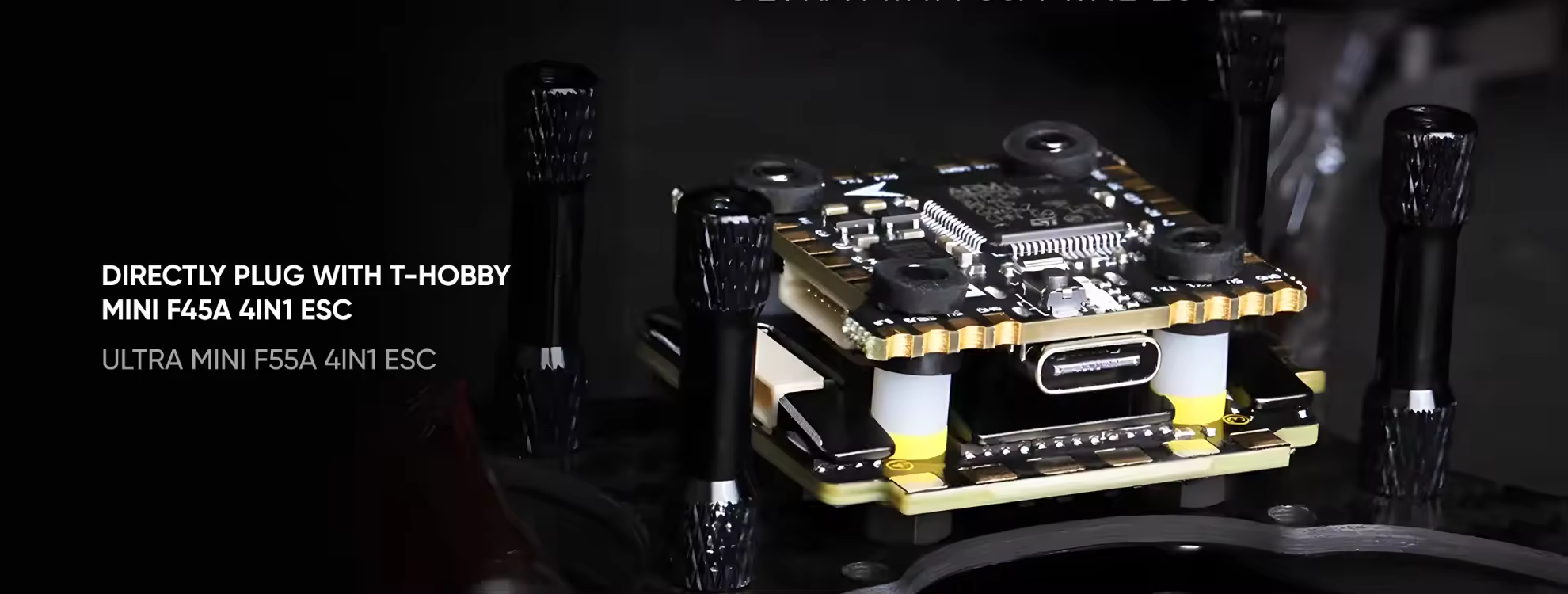
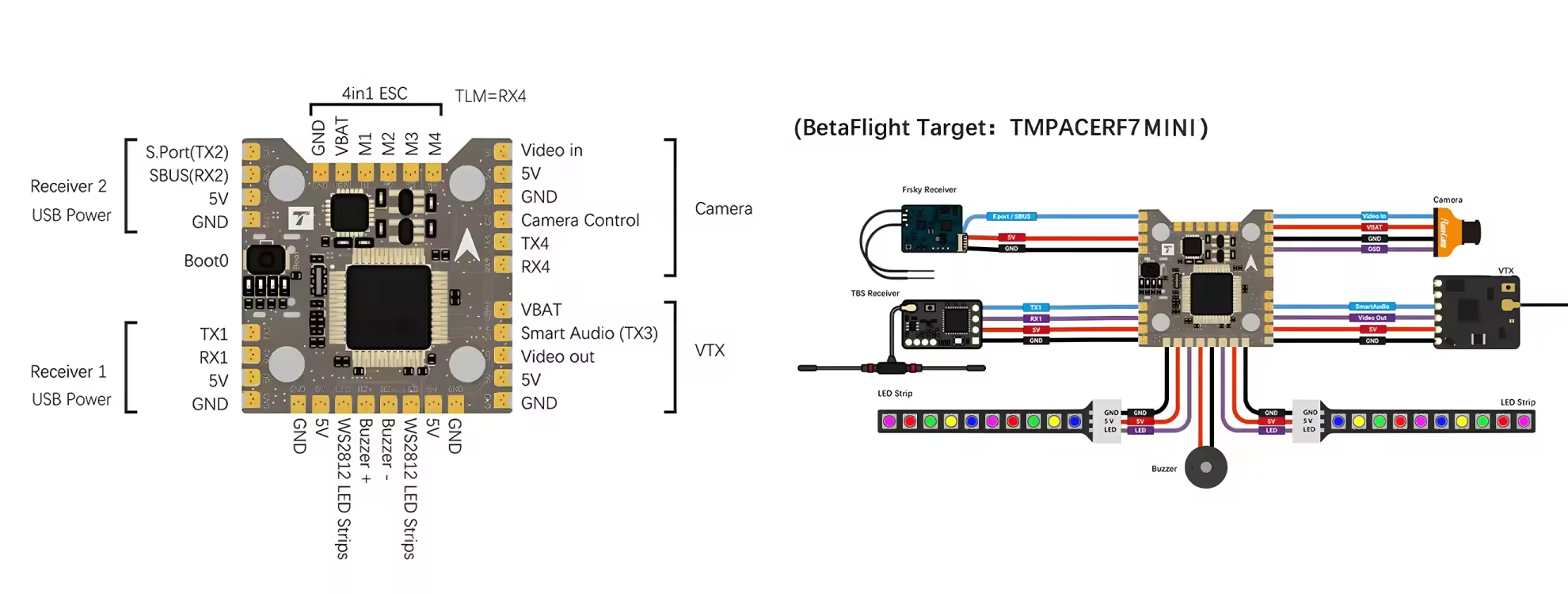
The Mini Racer F7 can connect directly to the compatible T-Motor Mini F45A ESC using the supplied FC-to-ESC cable. A matching 20 × 20mm mounting pattern does not automatically guarantee electrical compatibility with every third-party ESC.
1. Compare VBAT, ground, motor signal, current and telemetry positions on both pinout diagrams.
2. Do not assume connectors with the same number of pins use the same wire order.
3. Confirm the 20 × 20mm M3 mounting pattern and stack height before soldering.
4. Remove all propellers during Betaflight setup and motor-direction testing.
5. Back up the factory configuration before flashing new firmware and use the target specified for the exact board revision.
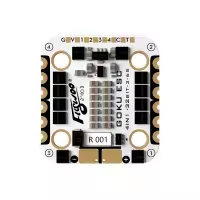
For other brand ESCs such as the Flywoo GOKU G45M 45A, verify the complete connector pinout or wire the required signals manually before powering the build.
Recommended Betaflight Setup for the BMI270 Version
For the BMI270 version, use a 3.2kHz PID loop and DShot300 as a sensible starting point. Enable bidirectional DShot and RPM filtering only after confirming that the connected ESC supports telemetry correctly. Do not force an 8kHz loop simply because the flight controller uses an F7 processor.
These settings are a safe starting configuration rather than a universal race tune. Final filtering, PID values and motor-output limits should be validated with motor-temperature checks and, where possible, Blackbox logs from the completed quad.
Browse more FPV flight controllers to compare mounting size, BEC output, video-system support and available UARTs before completing your build.


















 Verified