Buying Guide: T-HOBBY C80A 80A 5-12S Cinematic FPV ESC
Large cinematic and heavy-lift FPV drones place different demands on an ESC than a typical 5-inch freestyle build. Higher battery voltage, larger motors, longer flight times, and heavier payloads require stable current delivery and effective heat management.
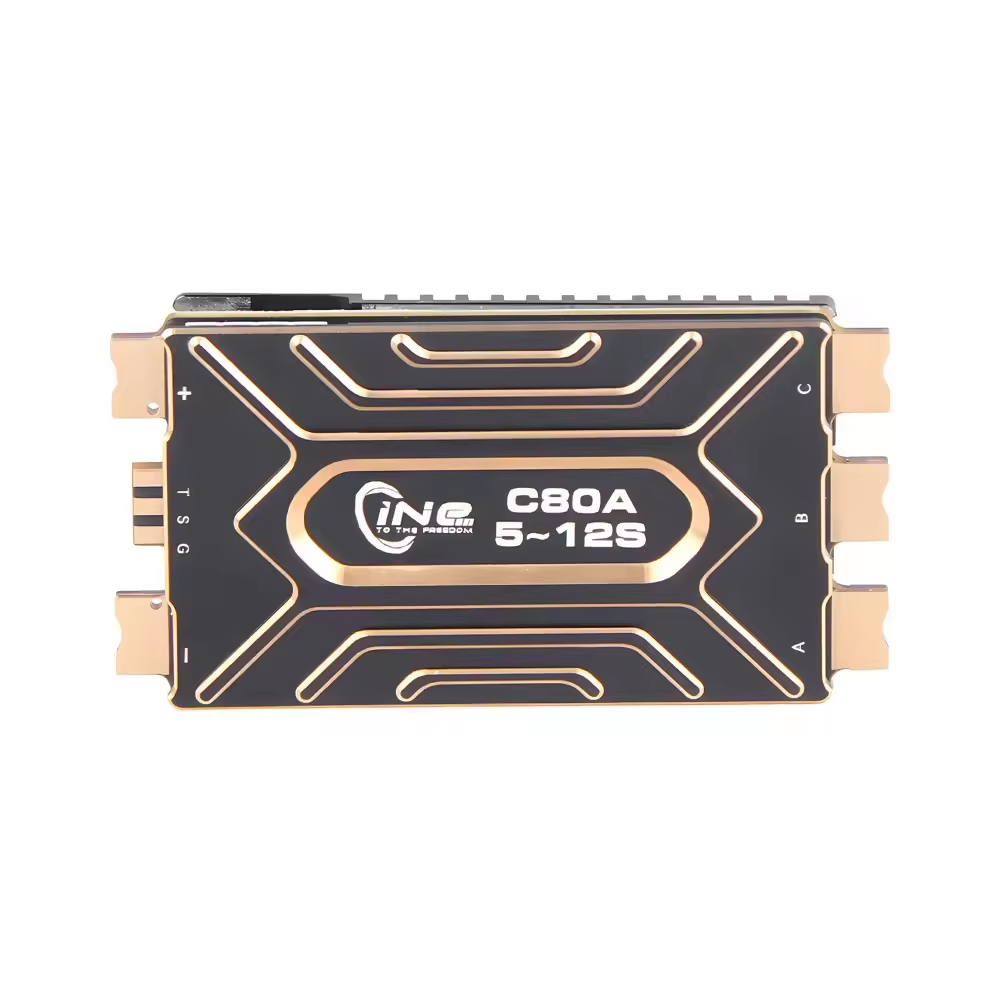
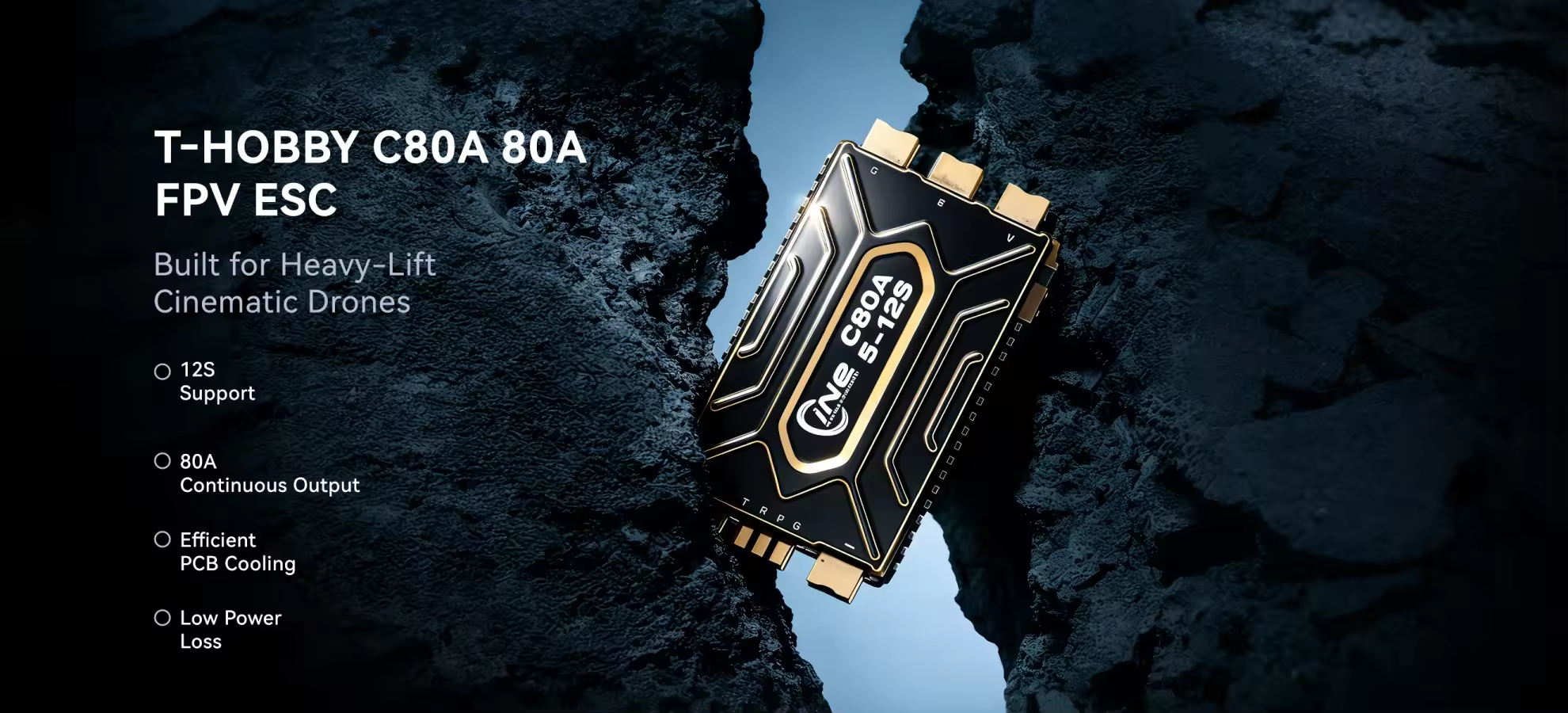
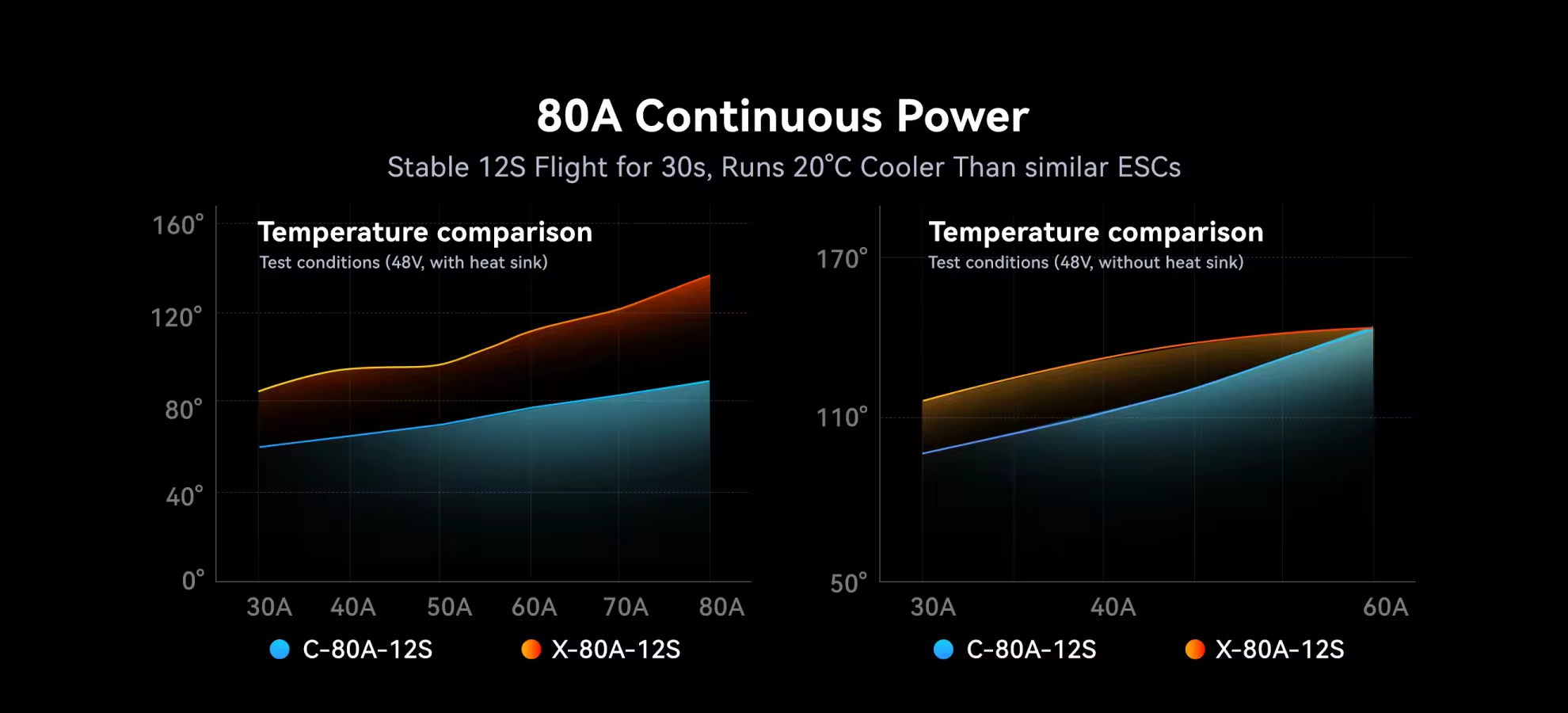
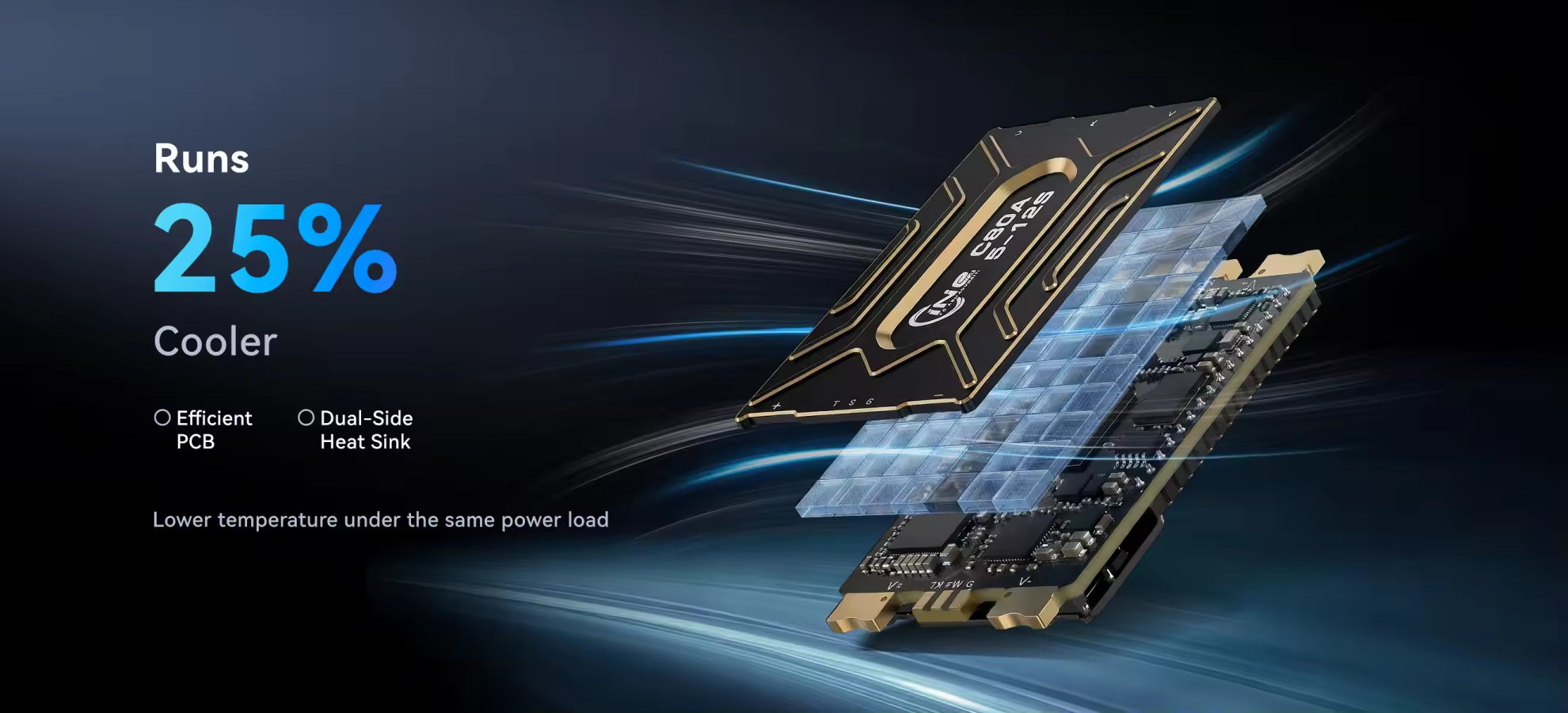
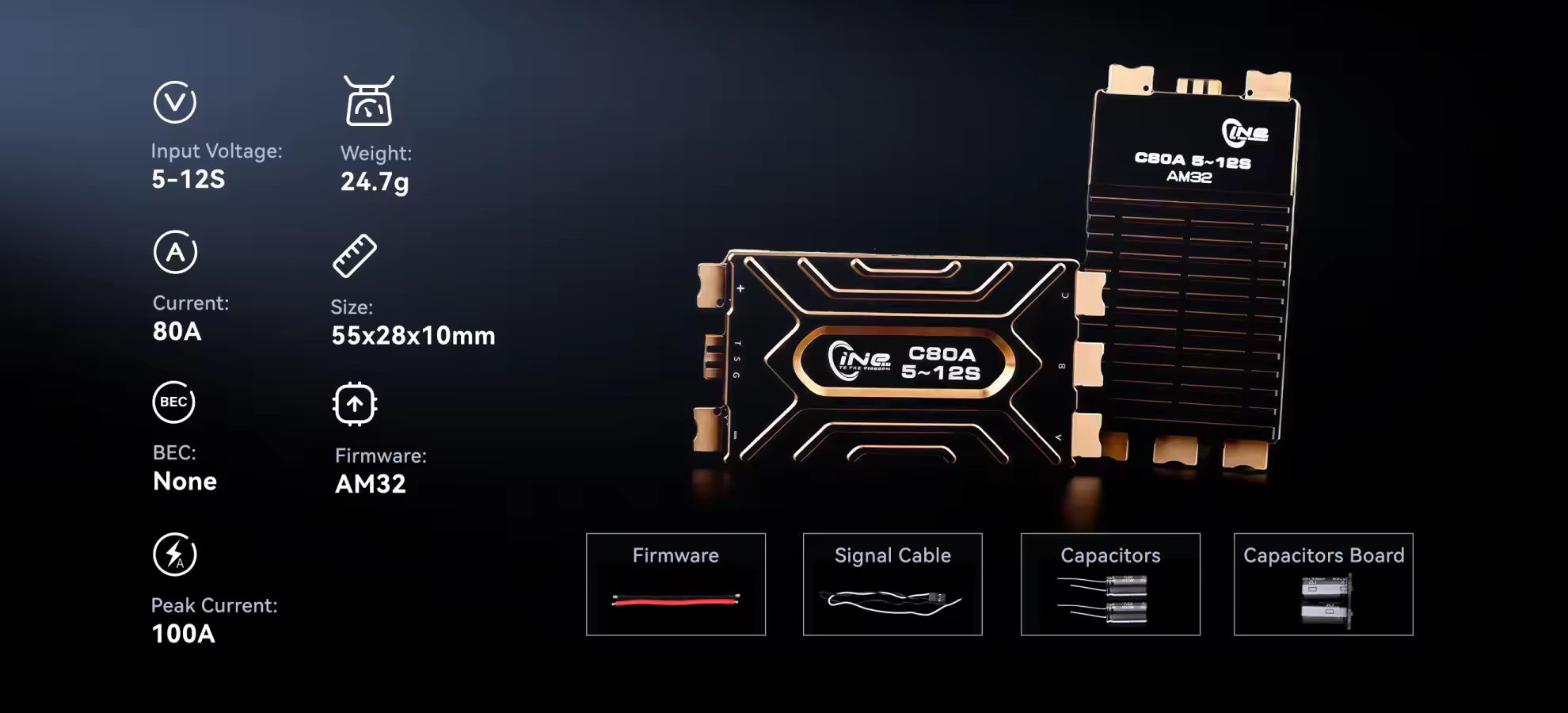
The T-HOBBY C80A is a high-voltage single ESC designed for demanding FPV power systems. It supports 5-12S input voltage, delivers 80A continuous current and 100A peak current, and uses a thermal-focused PCB and dual-sided heat sink design for cinematic and heavy-lift applications.
Who Is the T-HOBBY C80A Best For?
The C80A is not intended as a standard ESC for small FPV builds. Its high current rating and support for up to 12S battery systems make it more suitable for larger and more demanding aircraft.
It is particularly suitable for:
● Heavy-lift cinematic FPV drones
● Large 8S to 12S FPV builds
● Custom Cinelifter projects
● Large FPV platforms with high-current motors
● Builders who prefer individual ESCs for each motor
Why Does High-Voltage Support Matter?
The C80A supports a wide 5-12S input range. This gives builders more flexibility when designing high-voltage FPV power systems, particularly larger cinematic platforms that may operate beyond the common 4S or 6S configurations used on standard freestyle drones.
Higher-voltage systems can deliver the required power with lower current for the same power demand, which can be useful when building large and heavy FPV aircraft. However, the battery, motors, capacitors, flight controller power system, and all other electronic components must also be rated for the selected voltage.
For this reason, 12S capability is most useful for purpose-built high-performance or heavy-lift systems rather than standard FPV freestyle builds.
Single ESC Design: What Should You Know?
The C80A is a single ESC, meaning each motor requires its own ESC. A quadcopter therefore requires four individual C80A ESCs.
Compared with a 4-in-1 ESC, a single ESC system requires more wiring and installation space. However, individual ESCs can provide more flexibility when designing large custom frames where the motors are positioned far from the center electronics stack.
For large cinematic drones, placing ESCs closer to the motors can also simplify motor wire routing compared with running long motor wires back to a central 4-in-1 ESC.
T-HOBBY C80A Single ESC vs C80A-4IN1-8S
Although both products are rated at 80A and designed for demanding cinematic FPV applications, their installation method and voltage range are very different. The choice mainly depends on the aircraft structure and battery system you plan to build.
| Feature | T-HOBBY C80A Single ESC |
T-HOBBY C80A-4IN1-8S |
|---|
| ESC Type | Single ESC | 4-in-1 ESC |
| Continuous Current | 80A | 80A |
| Input Voltage | 5-12S | Up to 8S |
| Motor Control | One ESC per motor | Four motors from one board |
| Installation | More wiring but flexible component placement | Cleaner central installation with simplified wiring |
| Voltage Flexibility | Suitable for systems up to 12S | Suitable for systems up to 8S |
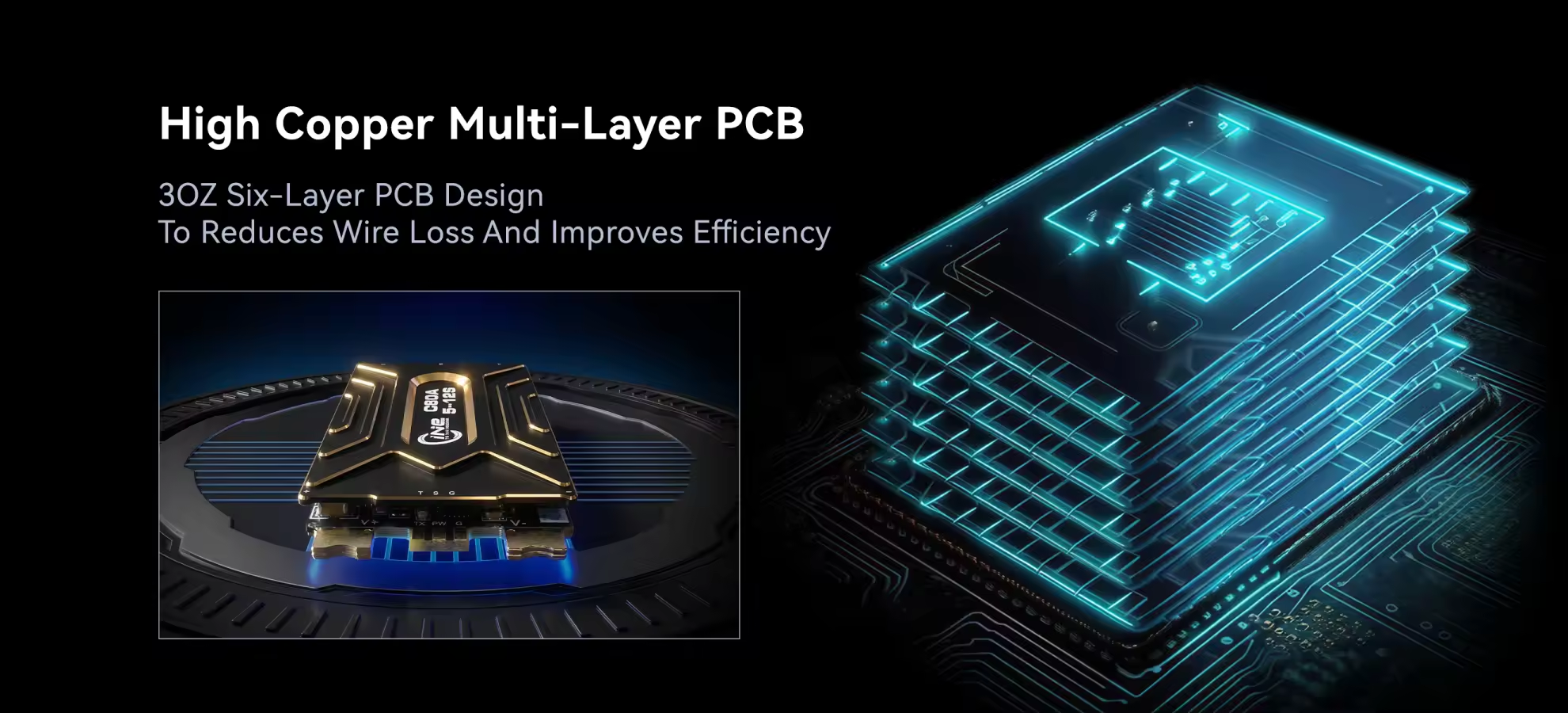
| Key Design | Dual-sided heat sinks and 6-layer PCB | Dual MOSFET architecture and integrated 4-in-1 design |
| Best For | Large custom cinematic and heavy-lift builds | Large FPV builds requiring a cleaner integrated electronics layout |
Which One Should You Choose?
Choose the C80A Single ESC if: you are building a large custom drone, require support for battery systems above 8S, or prefer to install one ESC near each motor.
Choose the C80A-4IN1-8S if: your build uses up to 8S and you prefer a centralized electronics layout with fewer individual ESCs and simpler overall wiring.
The most important difference is not the 80A current rating, since both products provide high-current capability. The real decision is whether your build benefits more from 12S flexibility and individual ESC placement or from the cleaner installation of a 4-in-1 ESC.
Important Build Considerations
Before choosing the C80A, confirm that every component in your power system supports the intended battery voltage. This includes the motors, capacitors, power distribution system, flight controller, and any connected accessories.
Because this is a single ESC, a quadcopter requires four ESCs. Plan the frame layout and wiring routes before installation, especially on large cinematic platforms where cable length and component placement can affect the final build.
The C80A does not include a BEC, so a compatible flight controller or separate power regulation solution is required to supply the correct voltage to other electronics.



 T-HOBBY V3115 Smooth FPV Cinematic Motor for 7-10 inch Heavy Drone400KV$43.15 Save $2.75








 Verified