
FPV drones can cost anywhere from $200 for a basic beginner setup to over $1000 for professional cinematic builds. The total price depends on components like motors, flight controllers, FPV goggles, and radio transmitters.
In this guide, we break down the real cost of FPV drones in 2026, from budget builds under $200 to professional setups over $600.
👉 Explore FPV drone parts on MEPSKING to build the cheapest FPV drone.
FPV Drone Budget Categories (Quick Overview)
Here’s a breakdown of typical FPV drone costs across different budget levels:
| Item | Low Budget | Mid Budget | High Budget |
|---|---|---|---|
| FPV Drone Frame | $50–$100 | $100–$200 | $200+ |
| Motors + ESC | $60–$100 | $100–$200 | $250+ |
| Flight Controller | $40–$70 | $80–$120 | $150+ |
| Goggles | $100–$200 | $300–$500 | $600+ |
| Radio Controller | $80–$120 | $150–$250 | $300+ |
| Battery + Charger | $50–$100 | $100–$150 | $200+ |
Low Budget ($200–$300): Ideal for beginners who want to try FPV without a huge investment. Expect basic frames, small motors, and entry-level goggles.
Mid Budget ($300–$600): Perfect for hobbyists or freestyle pilots looking for better performance. Mid-range setups offer more durable frames, better motors and ESCs, and higher-quality FPV goggles.
High Budget ($600+): Designed for professional or cinematic pilots who demand top-tier performance, longer flight times, and premium FPV systems like digital video transmitters. These setups include high-end motors, advanced flight controllers, and DJI-style goggles for an immersive experience.
How Much Does It Cost to Start FPV in 2026?
Starting FPV flying requires more than just the drone itself. A complete FPV setup usually includes several essential components that work together to deliver the full first-person flying experience. A typical FPV setup includes:
- Drone Frame & Components: The body of the drone, where all parts attach.
- Motors & ESCs: The motors provide thrust, while ESCs control motor speed.
- Flight Controller: The brain of the drone that stabilizes flight.
- FPV Goggles: Provide the first-person view while flying.
- Radio Controller: The transmitter you use to pilot the drone.
- Batteries & Charger: Essential for flight power and recharging
Because each component can vary in quality and price, the total cost of getting started with FPV in 2026 typically ranges from $200 for a basic beginner setup to $1000+ for advanced cinematic builds.
Cheapest Way to Start FPV
Starting FPV flying does not necessarily require a large budget. In fact, many pilots begin their FPV journey with a small and affordable setup that costs far less than a full 5-inch freestyle drone build.
Option 1: Tiny Whoop FPV Drone
One of the cheapest ways to start FPV is with a Tiny Whoop drone. These are small, lightweight drones designed for indoor or backyard flying.
Typical Tiny Whoop setup cost:
| Component | Estimated Cost |
|---|---|
| Tiny Whoop Drone | $80 – $150 |
| Radio Controller | $60 – $150 |
| FPV Goggles | $80 – $200 |
With a basic setup, beginners can start flying FPV for around $200 to $300 total.
Tiny Whoop drones are great for beginners because they are:
- safer to fly indoors
- more durable in crashes
- easier to control while learning
Option 2: Used FPV second-hand Equipment
Another way to reduce the cost of getting into FPV is by buying second-hand equipment. Many experienced FPV pilots upgrade their gear frequently, which means good quality used radios, goggles, and drones can often be found at lower prices.
Option 3: Start With an FPV Simulator
Before buying a real drone, many beginners start with an FPV simulator. A simulator allows pilots to practice flying using a real radio controller without risking crashes or damaging expensive components.
Most FPV simulators cost $10–$30, making them one of the cheapest ways to begin learning FPV.
Recommended Budget for Beginners
For most new pilots, a realistic beginner budget is:
$200 – $400
This budget usually covers:
- entry-level FPV drone
- basic FPV goggles
- radio controller
- batteries and charger
Starting small allows beginners to learn FPV skills safely before upgrading to more powerful drones.
Beginner FPV Setup Budget Under $200 (Drone Only)
When you’re just starting out in the FPV (First Person View) drone world or upgrading from a beginner setup, having a solid yet affordable drone is essential. Below is a detailed look at a great budget-friendly FPV drone setup that costs under $200, providing excellent performance for intermediate pilots or enthusiasts looking for a capable, durable drone for light racing, freestyle flying, or regular recreational use.
Under $200 Budget FPV Drone parts-Best for Beginners
| Component | Description | Price (USD) |
| Frame | MAK4 5-inch Freestyle Drone Frame | $33.99 |
| FC and ESC Stack | Speedybee F405 V4 & 55A ESC | $69.99 |
| Motors | 4x MEPS Neon 2207 | $59.60 |
| VTX | Eachine TX805 | $13.00 |
| FPV Camera | Foxeer Razer Micro | $17.99 |
| Receiver | Bayck ELRS RX | $9.60 |
| Propellers | MEPS SZ5145 | $2.00 |
| Total (Drone) | $193.42 |
The total cost of $193.42 for the entire FPV drone setup is relatively affordable for those who want a solid mid-range drone without overspending. This setup provides a good balance between quality and price, and it’s great for both intermediate pilots who want an upgrade or enthusiasts looking for a capable drone for regular flying or light racing.
Overall Evaluation of Strengths and Considerations
This freestyle drone build under $200 offers a great mix of price, performance, and reliability—perfect for beginner to intermediate pilots. The MAK4 frame is lightweight, durable, and easy to build. With the Speedybee F405 V4 flight controller and 55A ESC, it handles power well and flies smoothly, even during aggressive moves.
The MEPS Neon 2207 motors stand out for their strong thrust and efficiency. Paired with MEPS SZ5145 props, the drone feels responsive and locked-in during flight.
For FPV, the Foxeer Razer Micro camera and Eachine TX805 VTX deliver clear analog video with solid range. It’s not HD, but it’s reliable and budget-friendly. The Bayck ELRS receiver gives a strong, low-latency control link using ExpressLRS—great value for the price.
Strengths:
- Excellent value under $200
- Well-matched components for freestyle performance
- Durable frame and powerful motors
- Reliable analog FPV system with upgradable potential
- Low-latency, long-range control via ExpressLRS
Considerations:
- Analog video system limits image clarity compared to HD alternatives
- Basic receiver and VTX may not suit long-range or competition-grade flying
- No GPS or advanced features by default (though upgradeable)
Overall, this build is perfect for pilots who want to explore freestyle FPV without overspending, and it leaves room for future upgrades as skills grow. If you want to know more about this build, you can read the article: How to Build a 5 Inch Freestyle Drone under $200? (2026 Budget Build Guide)
Mid-Range Budget FPV Setup ($300–$600)
$300 budget 5-Inch Racing Drone Build
This 5-inch racing drone built under $300 offers impressive performance for its price, combining powerful components like the MEPS NEON motors and SpeedyBee stack with a durable GEPRC frame. It provides smooth flight, reliable control with ExpressLRS, and clear analog video, making it ideal for budget-conscious racers. However, it lacks HD recording, has limited upgrade potential, and requires some DIY skills for assembly. If you want to know more about this build, you can read the article: Budget-friendly FPV Drone Build: 5 Inch Racing Drone under $300.
| Component | Product | Price (USD) |
| Frame | GEPRC GEP Racer Frame | $49.99 |
| FC & ESC Stack | SpeedyBee F405 V4 60A 30×30 Stack | $79.99 |
| Motors | MEPS NEON 2207 | $40.00 |
| FPV Camera | Caddx Ant 1200TVL Nano | $16.19 |
| Video Transmitter (VTX) | HGLRC Zeus Nano | $35.09 |
| Receiver | BETAFPV ExpressLRS Nano | $8.99 |
| Propellers | MEPS SZ4942 | $1.61 |
| FPV Antenna | Foxeer Lollipop 4 5.8G | $11.69 |
| Total | $243.55 |
Strengths:
- Great Value: Delivers solid racing performance under $300.
- Powerful Combo: MEPS NEON 2207 motors and SpeedyBee stack ensure strong thrust and smooth control.
- Durable Frame: GEPRC GEP frame offers a good balance of weight and strength.
- Clear FPV Feed: Caddx Ant camera and Zeus Nano VTX provide reliable video quality.
- ExpressLRS Support: Offers excellent control range and low latency.
- Complete Package: Includes quality props and antenna — ready to race.
Considerations:
- Analog Only: No built-in HD recording — action cam needed for HD footage.
- Limited Upgrades: Some parts may need upgrading for pro-level racing.
- Requires Build Skills: Best suited for users with basic DIY and tuning knowledge.
$400 budget 5-inch Freestyle Drone Build
This setup is designed for advanced FPV pilots who want to push the limits in terms of speed, power, and control.
- Frame: IFlight Nazgul Evoque F5 V2 6S $89.99
- Flight controller: SpeedyBee F405 FPV Stack $64.99
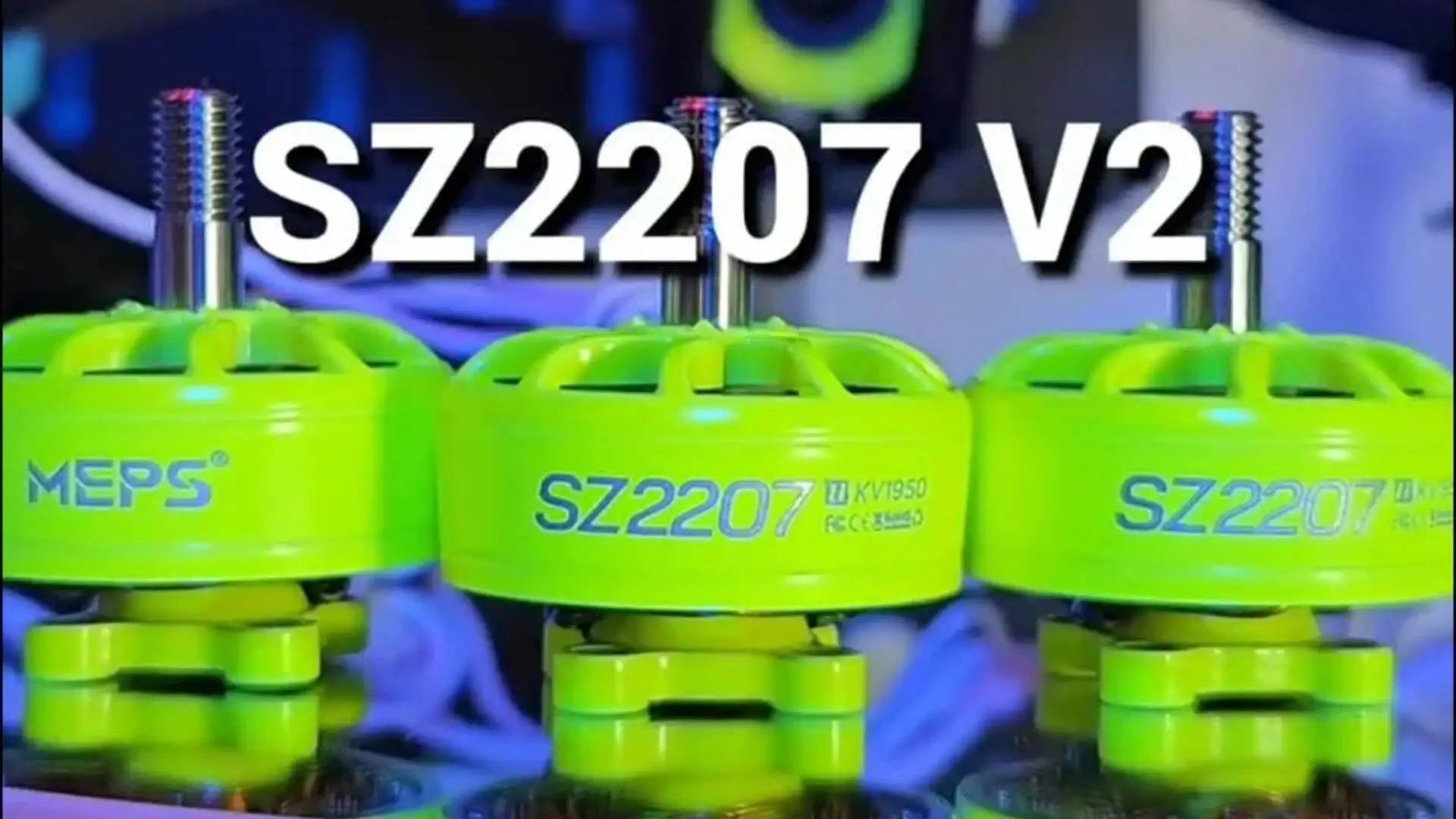
- Motors: 4×MEPS SZ2207 Motors $51.96
- Propeller: 4×MEPS SZ4942 FPV Propeller $1.94
- Battery: GNB 1250 MAH LiPo Battery $50
- Receiver: ELRS Nano Receiver $16.99
- VTX: Speedybee TX800 $46.79
- Camera: RunCam Phoenix 2 SE FPV Camera $21.59
| Component | Brand/Model | Price |
| Frame | IFlight Nazgul Evoque F5 V2 6S | $89.99 |
| Flight Controller | SpeedyBee F405 FPV Stack | $64.99 |
| Motors | 4×MEPS SZ2207 FPV Racing Drone Motors | $51.96 |
| Propeller | 4×MEPS SZ4942 FPV Propeller | $1.94 |
| Battery | GNB 1250 MAH LiPo Battery | $50.00 |
| Receiver | ELRS Nano Receiver | $16.99 |
| VTX | Speedybee TX800 | $46.79 |
| Camera | RunCam Phoenix 2 SE FPV Camera | $21.59 |
| Total Price | $343.25 |
Strengths:
- High performance: The combination of a 6S battery, 2207 motors, and a high-quality frame makes this setup incredibly powerful, fast, and responsive.
- Agility and stability: The 4-blade props and lightweight frame ensure good control, even in aggressive flying styles.
- Advanced technology: With ExpressLRS and an 800mW VTX, this drone will offer great range and low-latency control, which is essential for competitive racing or freestyle flying.
- Ease of setup: The SpeedyBee F405 stack simplifies the build and tuning process, reducing the complexity of wiring.
Considerations:
- Shorter flight time: Due to the 1250mAh battery, flight time may be limited to around 3-5 minutes, especially during aggressive flying.
- More suited to experienced pilots: This setup is not ideal for beginners due to the high performance and the complexity of tuning required to get the best out of it.
Professional FPV Setup ($600+Budgets)
When considering high-end FPV drones with a budget of $600 and above, you’re entering the realm of professional-grade equipment designed for performance, durability, and top-tier features. Here are some of the best options in this price range:
| Drone/Accessory | Price | Key Features | Best For |
| DJI FPV Combo | ~$799 – $999 | 4K 60fps video capture, OcuSync 3.0 for low-latency video transmission, stable flying even for beginners | Cinematic shots & FPV racing |
| GEPRC CineLog 35 | ~$700 | HD camera, long-range video transmission, designed for smooth, stable footage even in tight spaces | Capturing professional-grade footage |
| TBS Source One V3 | ~$600 – $700 | High durability, customizable build, high-end motors & ESCs, great performance | Experienced pilots, customizable builds |
| iFlight Nazgul5 V2 | ~$600 – $800 | Solid frame, 4K camera options, high-efficiency motors, durable design, suitable for both beginners and advanced pilots. | All types of FPV flying |
| FrSky X-Lite Pro (Remote Control) | ~$200 | Superior range, customizable switches, low-latency control, often bundled with high-end drones. | Essential controller for high-end drones |
Additional Considerations When Choosing Your FPV Drone
When choosing an FPV drone, there are a few additional factors to consider beyond just budget and performance. Here are some key points:
- Flight Time: The battery life can vary significantly between models. If you plan on long flights or need to cover more distance, look for drones with larger batteries or higher efficiency to extend your flight time.
- Camera Quality: For FPV flying, especially for cinematic shots, the quality of the camera is crucial. Consider the resolution (1080p, 4K), lens quality, and low-light performance. Some drones also offer features like gimbals for stabilized footage.
- Durability: FPV drones can take a beating, especially when you’re learning or pushing the limits of your flying skills. Look for drones with a strong frame and parts that can withstand crashes. Carbon fiber frames are a popular choice for their balance of strength and weight.
- Ease of Setup and Tuning: Some drones require more extensive tuning and setup, while others are ready to fly out of the box. If you’re new to FPV, you might prefer a drone that’s easier to set up or comes with good instructions.
- Customizability: Depending on your level of expertise, you may want a drone that you can upgrade and customize over time. Look for models that allow you to swap out parts like motors, flight controllers, and cameras.
- Range and Signal Quality: If you plan to fly longer distances, check the range of the drone and the quality of the video feed. Drones with digital video transmission (like DJI FPV) offer superior range and clearer video than analog systems.
- Price of Spare Parts: Crashes are inevitable, especially when you’re starting out. Make sure the spare parts (motors, frames, ESCs, etc.) are affordable and easy to replace.
Analog vs Digital FPV Cost Difference
One of the biggest factors that affects the total cost of an FPV drone setup is the video transmission system. FPV pilots typically choose between analog FPV systems and digital FPV systems, and the price difference between them can be significant.
Analog FPV has been the traditional choice for many years. It is known for its low cost, low latency, and wide compatibility with different FPV components. Because of its affordability, analog is still the most popular option for beginners and budget FPV builds.
Digital FPV systems, on the other hand, offer higher image quality, stronger signal stability, and longer transmission range, but they also cost significantly more.
Below is a typical cost comparison between analog and digital FPV systems.
| FPV System | Typical Cost | Key Features |
|---|---|---|
| Analog FPV | $50 – $120 | Low latency, budget friendly |
| Digital FPV | $200 – $400+ | HD image, better penetration |
Analog FPV Setup Cost
A basic analog system usually includes:
- Analog FPV camera
- Video transmitter (VTX)
- FPV antenna
- Analog FPV goggles
The total cost can often stay under $100–$150, which makes it perfect for pilots building their first FPV drone.
Digital FPV Setup Cost
Digital systems such as HD FPV platforms require specialized hardware, including:
- HD camera module
- Digital air unit or VTX
- HD-compatible goggles
These components can easily increase the total build cost by $200–$300 or more compared to an analog setup.
Which One Should You Choose?
For beginners or pilots on a tight budget, analog FPV remains the best starting point. It is affordable, easy to repair, and widely supported by most FPV components.
For cinematic flying, long-range flights, or professional filming, digital FPV is often the preferred option due to its crystal-clear HD video transmission.
Budget vs Performance FPV Drone
| Budget | Performance | Ease of Use | Durability | Who Should Choose |
|---|---|---|---|---|
| <$150 | ★☆☆ | ★★★ | ★★☆ | Absolute beginner |
| $150–$300 | ★★☆ | ★★★ | ★★★ | New pilots |
| $300–$600 | ★★★☆ | ★★☆ | ★★★ | Hobbyist / Freestyle |
| $600+ | ★★★★★ | ★★☆ | ★★★ | Pro-level |
If you’re comparing motors, stacks, or batteries across different budget levels, the MEPSKING VINE VOICE program gives pilots a chance to try selected FPV parts for free and share feedback with the community. It’s a simple way to evaluate gear performance before adding it to your next build.

FAQ
What’s the difference between an entry-level and mid-range FPV drone?
Entry-level drones are budget-friendly and designed for beginners, offering simpler features and lower-quality cameras.
Mid-range drones, on the other hand, provide better performance, improved build quality, and more advanced features, making them suitable for experienced pilots who want more power and smoother flight.
Is it worth spending over $600 on an FPV drone?
It depends on your level. For beginners, it might not be necessary to spend over $600, but for more advanced pilots who want top-tier motors, cameras, and overall performance, it can definitely be worth the investment.
How can I upgrade my FPV drone for better performance on a budget?
Upgrading your motors, propellers, and camera can give your drone a noticeable performance boost without breaking the bank. You can also get a higher-capacity battery for longer flight time and a better flight controller for smoother handling.
How much should I spend on my first FPV drone?
For a first drone, spending around $150 to $300 is a good range. This gives you a solid drone with good performance and durability without overspending as a beginner.
What’s the cheapest way to start FPV?
Choose an analog whoop (under $150), use budget goggles, and start with simulator practice to reduce crash costs.
What budget should I prepare for a cinematic FPV drone?
Cinewhoops and 4K freestyle drones typically cost $400–$700, depending on motors, flight controller, and camera system.
Conclusion
The cost of getting into FPV drones can vary widely depending on your goals and equipment choices. Beginners can start with a simple analog setup for around $200–$300, while experienced pilots may invest $600 or more in high-performance freestyle or cinematic drones.
Understanding the key components — including motors, ESCs, flight controllers, goggles, and batteries — helps you plan your budget more effectively.
Whether you’re building your first FPV drone or upgrading to a more advanced setup, choosing the right components for your budget is the best way to enjoy the FPV experience while avoiding unnecessary costs.