HOMETinywhoop MotorT-HOBBY M1103 FPV Micro Motor for whoop & toothpick drone
1902186025583570945
T-HOBBY M1103 FPV Micro Motor for whoop & toothpick drone
About T-HOBBY M1103 FPV Micro Motor for whoop & toothpick drone
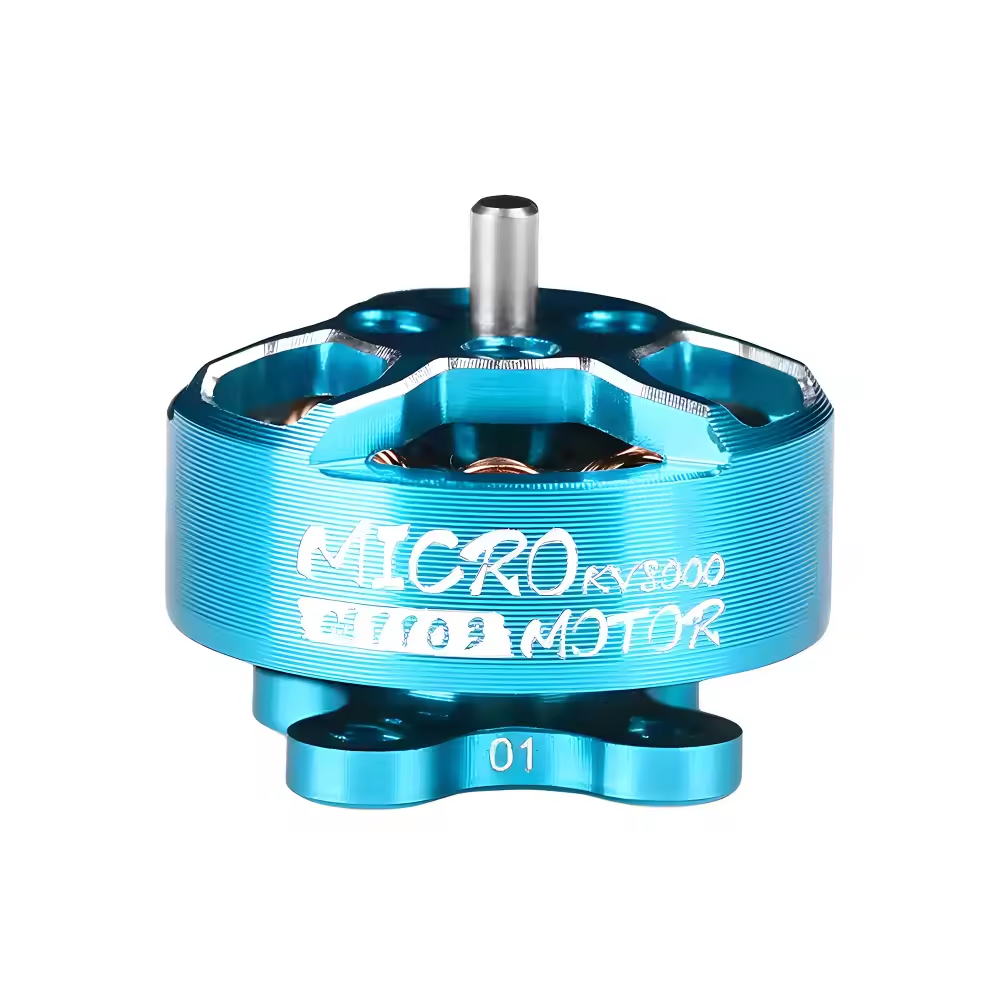
The T-HOBBY M1103 is a lightweight high-performance FPV micro motor designed for 1.6–2 inch Toothpick and Tiny Whoop drones. Featuring a compact 11mm stator size, Unibell structure, high-speed NMB502Z bearing, and KV8000/KV11000 options, this motor delivers an excellent balance between power, efficiency, and weight for 2–3S micro FPV builds. It is an ideal upgrade choice for pilots who want more responsive acceleration and reliable performance in lightweight freestyle and racing drones. Check out our M1103 Motor, all FPV MotorsCollection and the rest of ourT-HobbyProducts!
Bundle and save up to $6.07 on gear — upgrade your setup for less.
T-HOBBY F411 1S 6A AIO Flight Controller for Tinywhoop
Options (1)
6A
6A
$54.63
Save $6.07
In Stock
Expected ship within 48 hours after order.
Free Shipping Over $99 | Save on Orders $99+
24-Month Warranty | 2 Years Full Protection
30-Day Returns From Shipment | 7-Day No-Reason Returns
24h Support Response | 24h Fast Support Guarantee
Top highlights
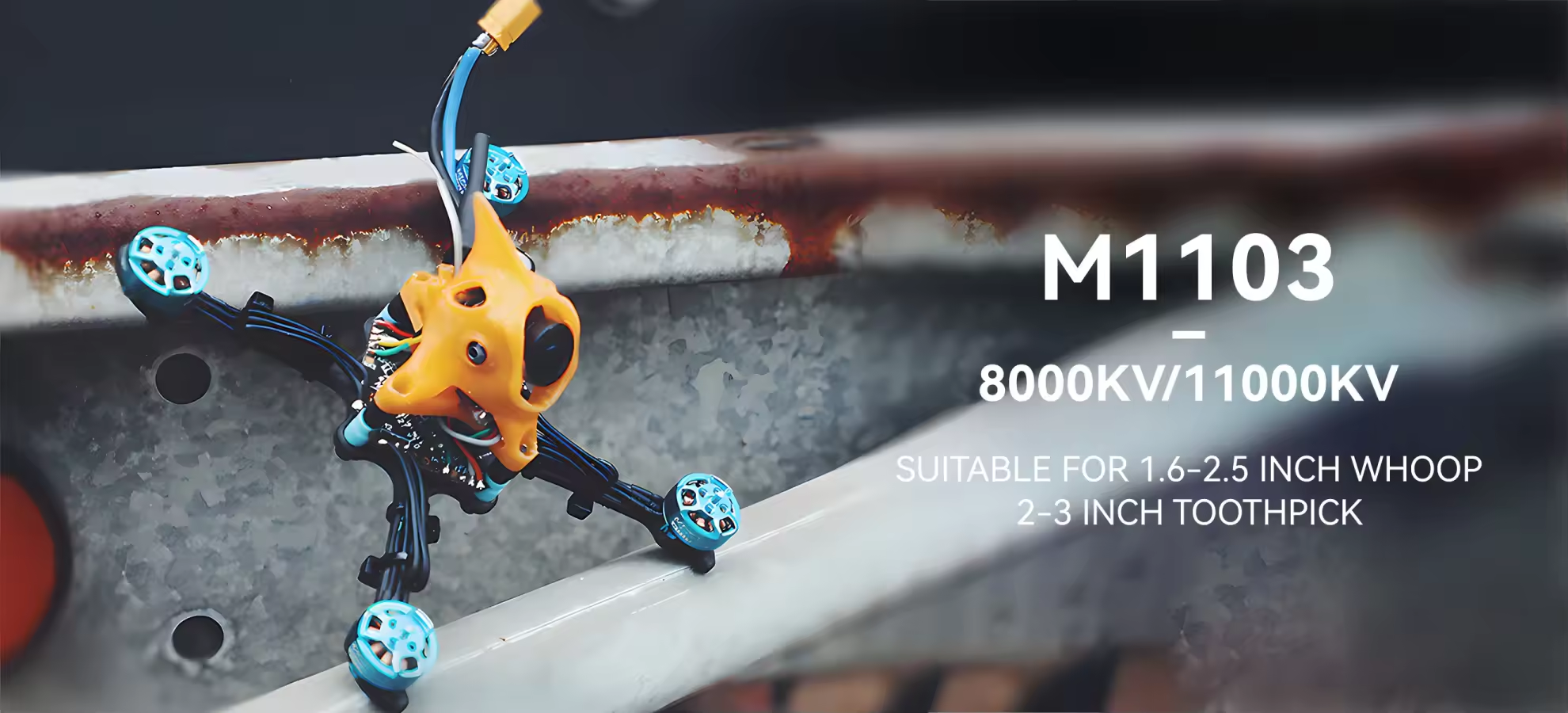
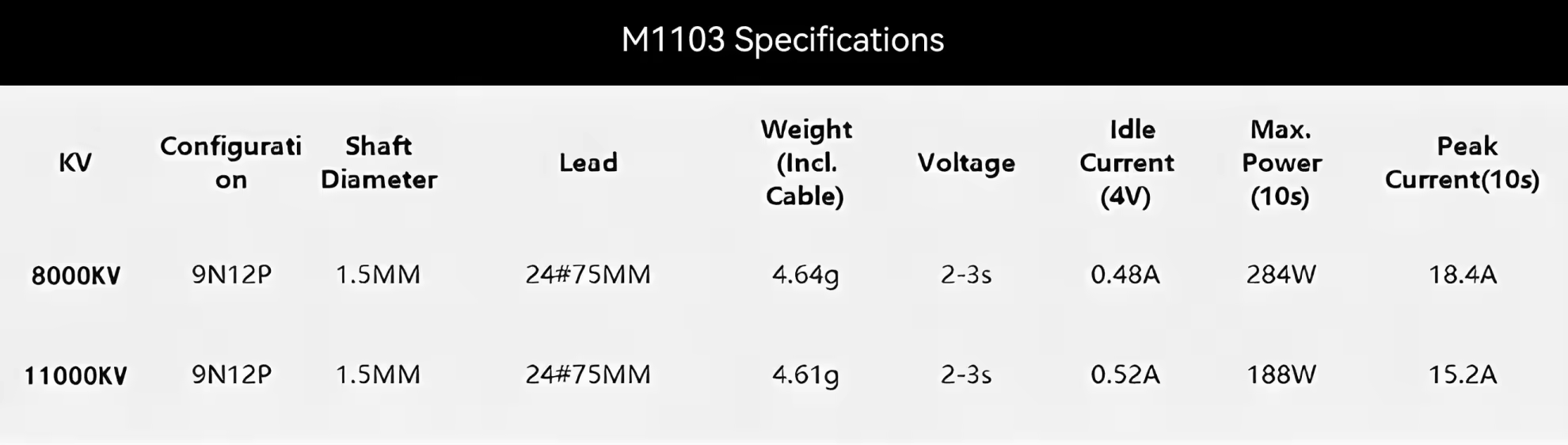
Dual KV: 8000KV & 11000KV" toothpick
Drone Fit: 1.6–2.5" whoops, 2–3" toothpick
Durable: Blue & silver unibell design
Safe: PCB lead wire prevents motor damage
Light & Agile: 4.6g for flexible, powerful flight
Payment | Every order you place with us is safe & secure
Share
Copy
Description
FAQ
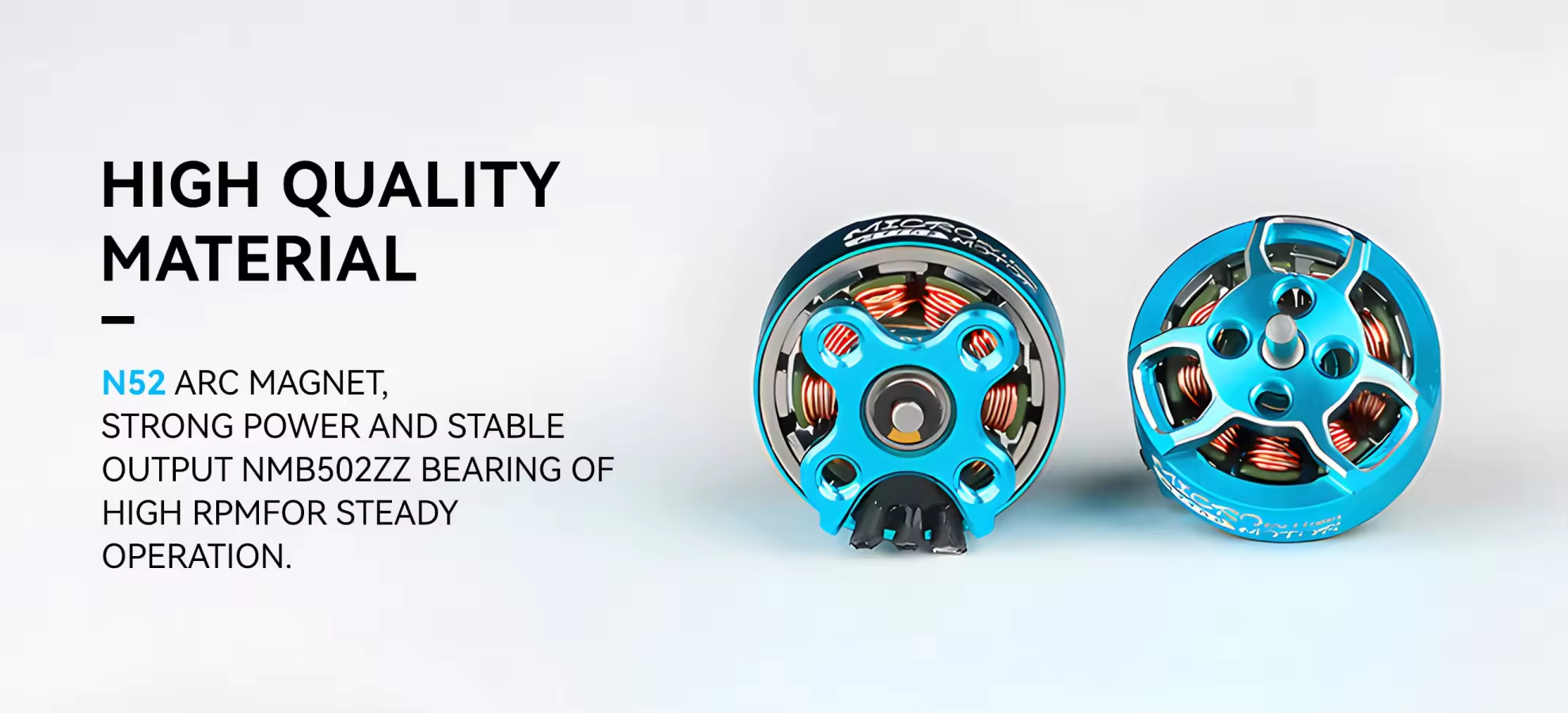
High-Performance & Reliable
Made with N52 ARC magnets for strong, stable power and NMB502ZZ high-RPM bearings for smooth, steady operation, delivering exceptional performance for micro drones.
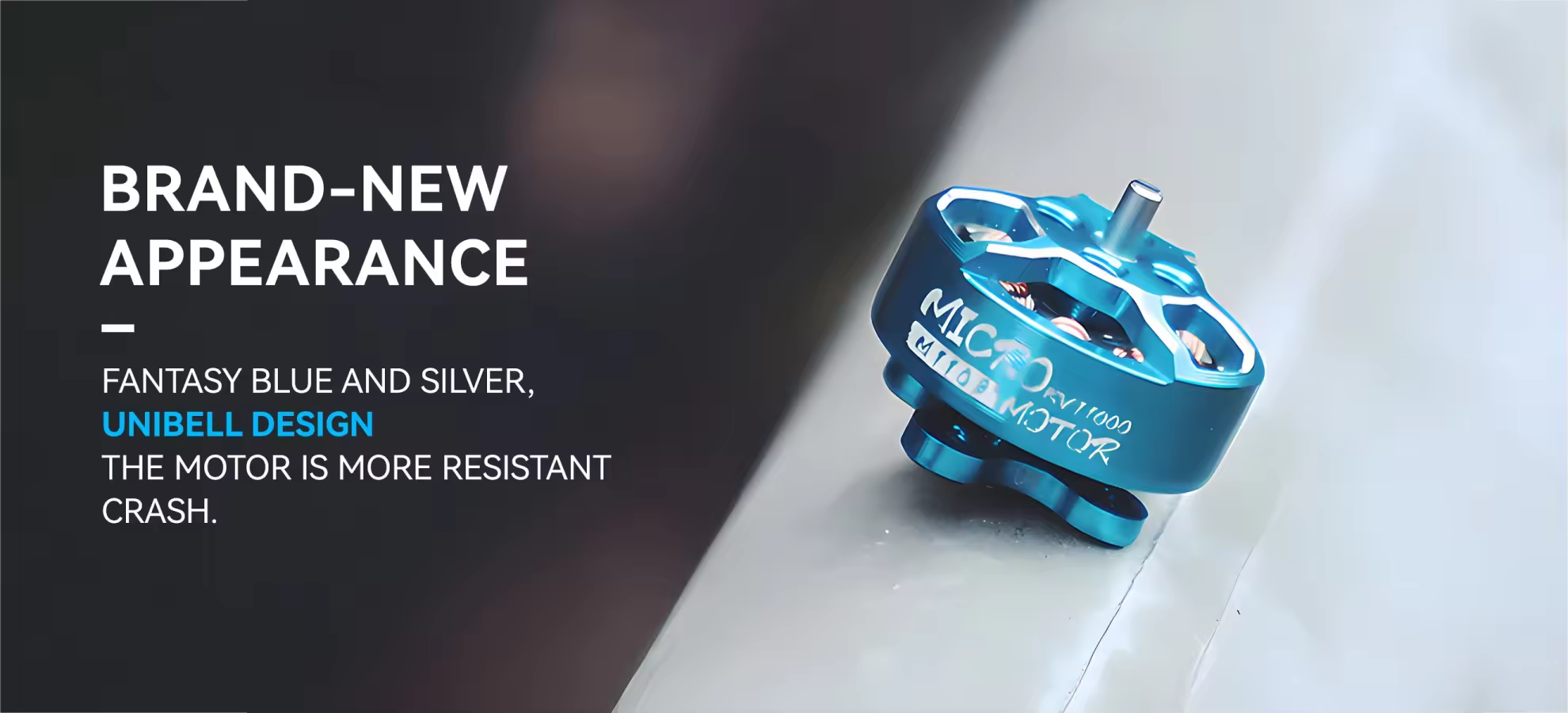
Brand-New Durable & Stylish Appearance
Featuring a fantasy blue and silver unibell design, this motor not only looks striking but is also more resistant to crashes, ensuring long-lasting performance for your micro drones.
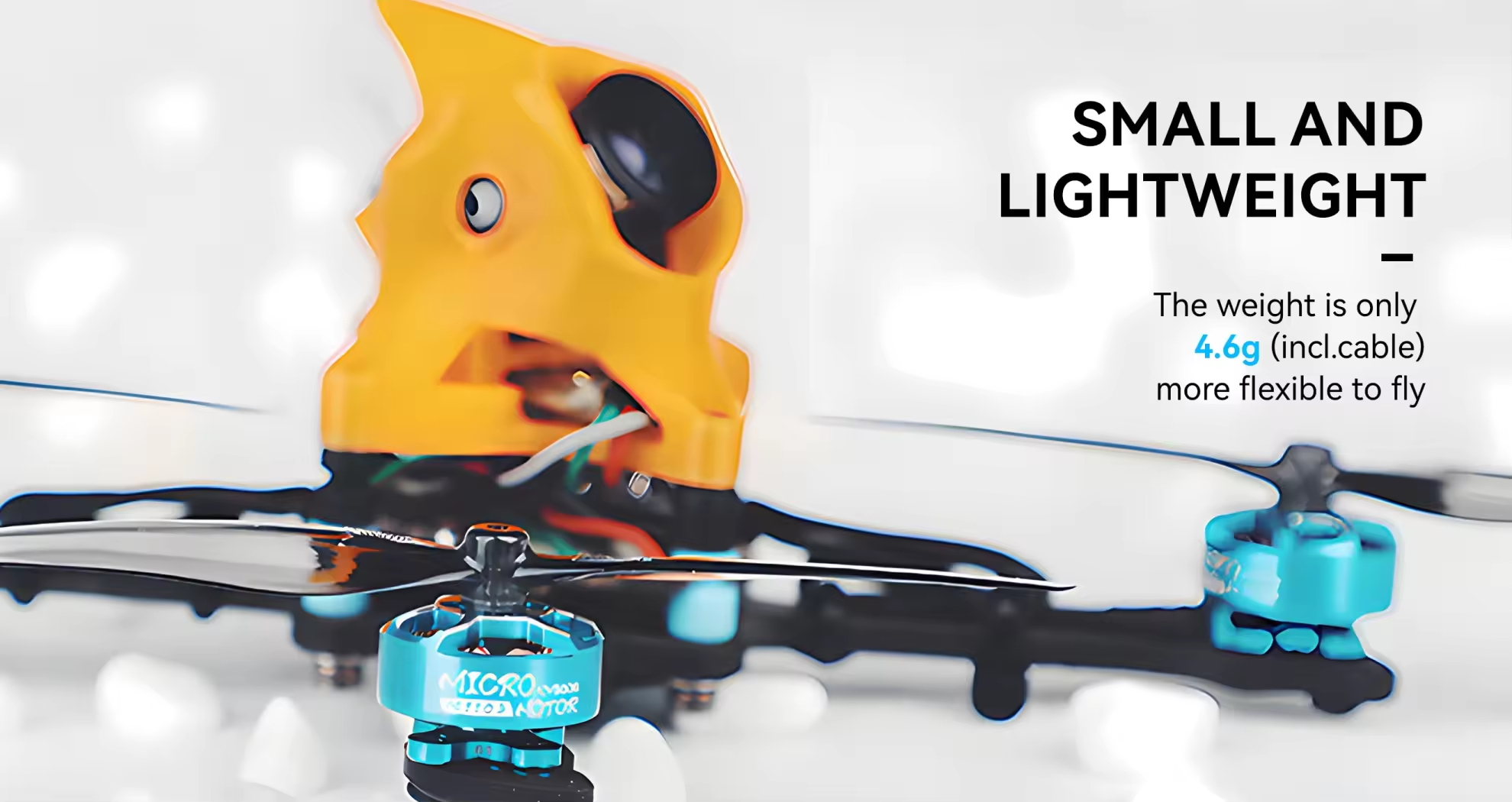
Small and Lightweight
Weighing only 4.6g (including cable), the T-Hobby M1103 Micro Motor is ultra-light and highly agile, offering more flexibility and responsive flight for micro drones.
Buying Guide: T-HOBBY M1103 FPV Micro Motor
The T-HOBBY M1103 FPV Micro Motor is designed for pilots who want more power and better responsiveness from lightweight FPV drones. With a compact 1103 motor size, lightweight construction, and multiple KV options, it provides an excellent balance between thrust, efficiency, and flight control for 1.6–2 inch Toothpick drones, micro freestyle builds, and lightweight outdoor FPV platforms.
Compared with smaller whoop motors, the M1103 offers stronger acceleration and improved power output while maintaining a low overall weight. It is a great choice for pilots upgrading their micro FPV drone for outdoor flying, freestyle practice, or builds that carry additional electronics such as HD cameras.
How to Choose the Right KV Version?
Version
Recommended Battery
Flying Style
KV8000
2S–3S
Smooth freestyle, efficiency, longer flight
KV11000
2S
Racing, aggressive acceleration
Choose KV8000 if:
● You prefer smoother control
● You want better efficiency
● You fly longer cruising missions
● You use slightly heavier builds
Choose KV11000 if:
● You need faster throttle response
● You enjoy racing or aggressive freestyle
● Your build uses lightweight components
A higher KV motor spins faster under the same voltage, but it also increases current consumption. Always match the motor KV with your propeller and battery setup.
Who Should Choose T-HOBBY M1103?
1.6–2 Inch Toothpick Drone Builds:
The M1103 is specifically designed for lightweight Toothpick drones using approximately 1.6–2 inch propellers.
A typical setup includes:
● 1.6–2 inch FPV frame
● 2S or 3S LiPo battery
● Lightweight FPV propellers
● Micro AIO flight controller or 12A-class ESC
T-HOBBY M1103 vs Other Micro Motors
Feature
M1103
0802/0803 Motor
Motor Size
1103
0802/0803
Power Output
Higher
Lower
Weight
Around 4.6g
Lighter
Best Frame
1.6–2 inch
65–75mm whoop
Flying Style
Outdoor freestyle
Indoor flying
The M1103 is designed for pilots who need more power than traditional Tiny Whoop motors while keeping the drone lightweight.
For a pure indoor 65mm whoop, smaller motors may be a better choice. However, for outdoor micro FPV flying or Toothpick builds, the M1103 provides a stronger performance advantage.















 Verified