GEPRC GEP-F722-35A AIO Buying Guide
Why Choose the GEP-F722-35A AIO?
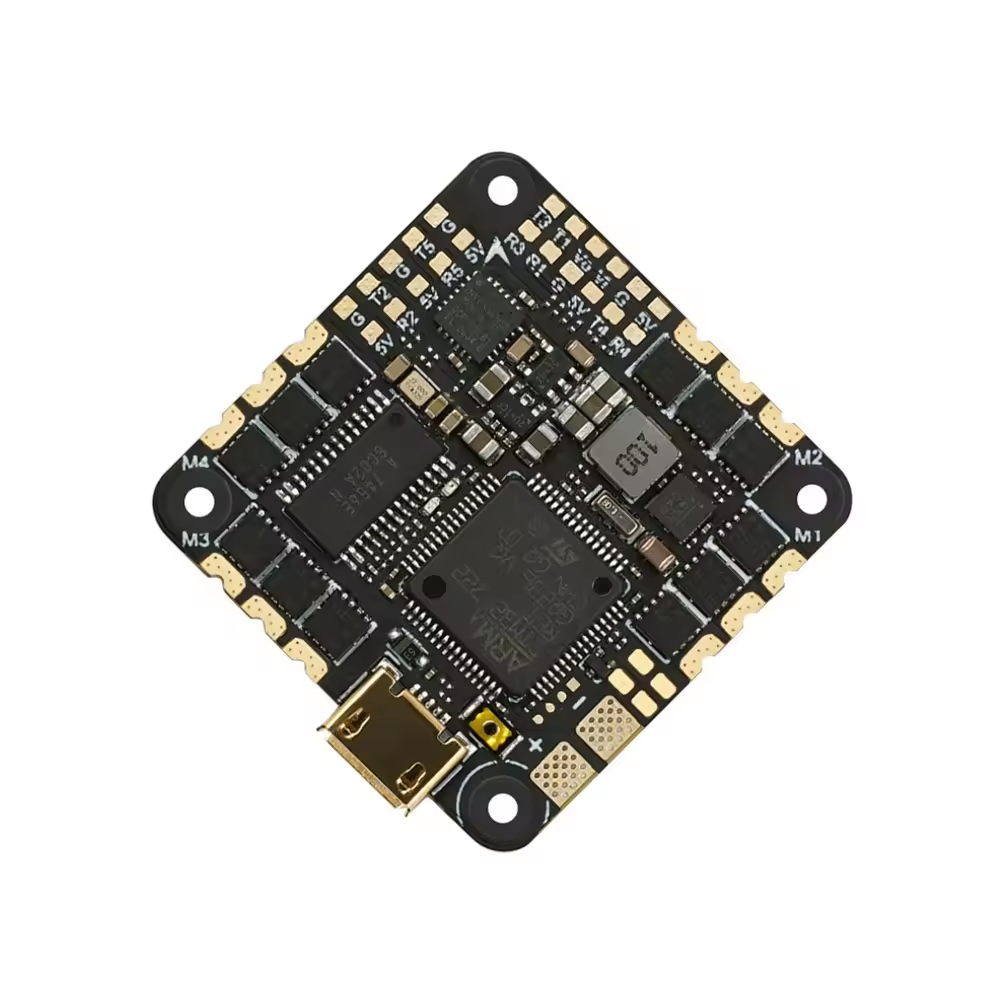
The main advantage of the GEP-F722-35A is the balance between power, connectivity and compact size.
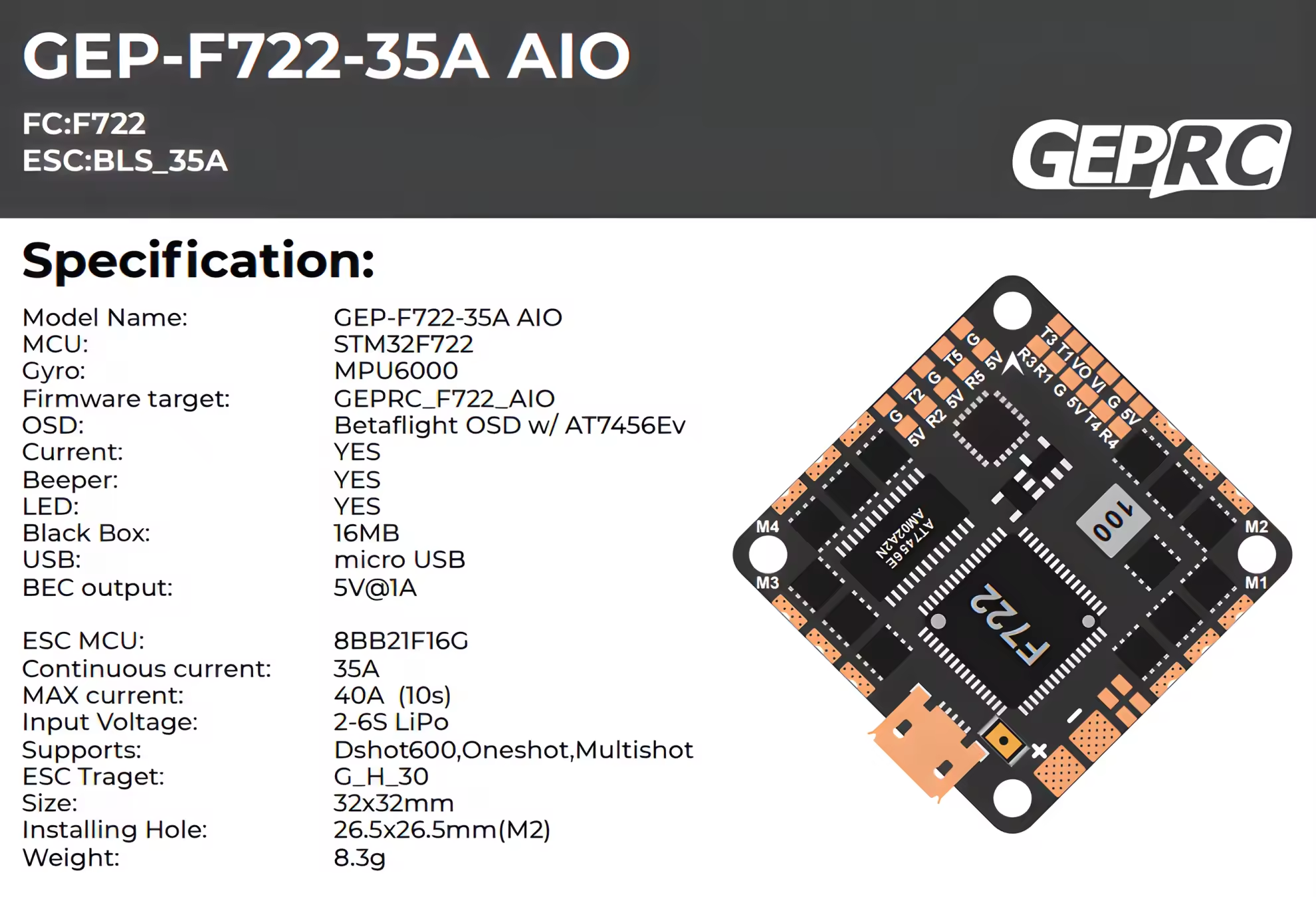
Instead of installing a separate flight controller and ESC, pilots can use one board to manage flight control, motor output and several external peripherals. The STM32F722 MCU provides the processing platform, while the integrated 35A ESC supports 35A continuous current and up to 40A burst current for 10 seconds. The board accepts 2–6S LiPo batteries, giving builders considerable flexibility when choosing motors, propellers and battery voltage.
At only 8.8g, the GEP-F722-35A is also designed with lightweight builds in mind. Its 25.5×25.5mm mounting pattern is compatible with many compact frames, while the integrated LC filter can help manage electrical noise in the power system.
Recommended Applications
| Application | Recommended Build Direction | Key Advantages | Best For |
|---|
| Cinewhoop | 2.5–3.5" frame, 3–4S or 4S setup | 35A ESC, 2–6S support, integrated LC filter, DJI Air Unit connector | Compact digital or analog FPV builds |
| Toothpick | 3" lightweight frame, 3–4S | Higher ESC capacity than typical micro AIOs, F722 processor, compact AIO design | Higher-performance lightweight builds |
| Lightweight Freestyle | 3–4" frame, 4S or 4–6S depending on motor setup | 35A ESC, 2–6S input, F722 processing and centralized electronics | Responsive lightweight freestyle quads |
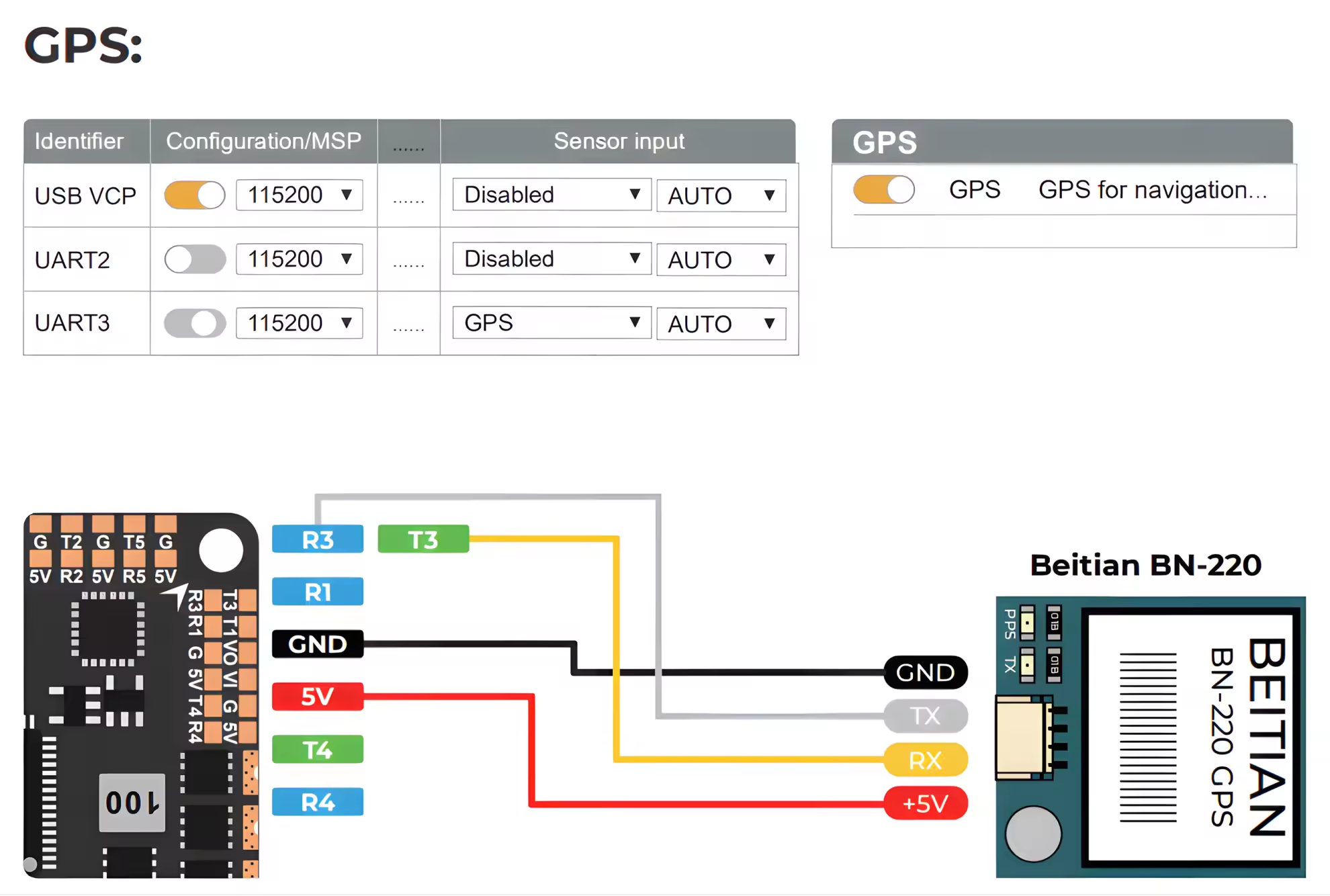
| Long Range | 3–5" frame with GPS or other peripherals | Five full UARTs, 16MB Blackbox, 2–6S support | Builds requiring GPS, receiver and other serial devices |
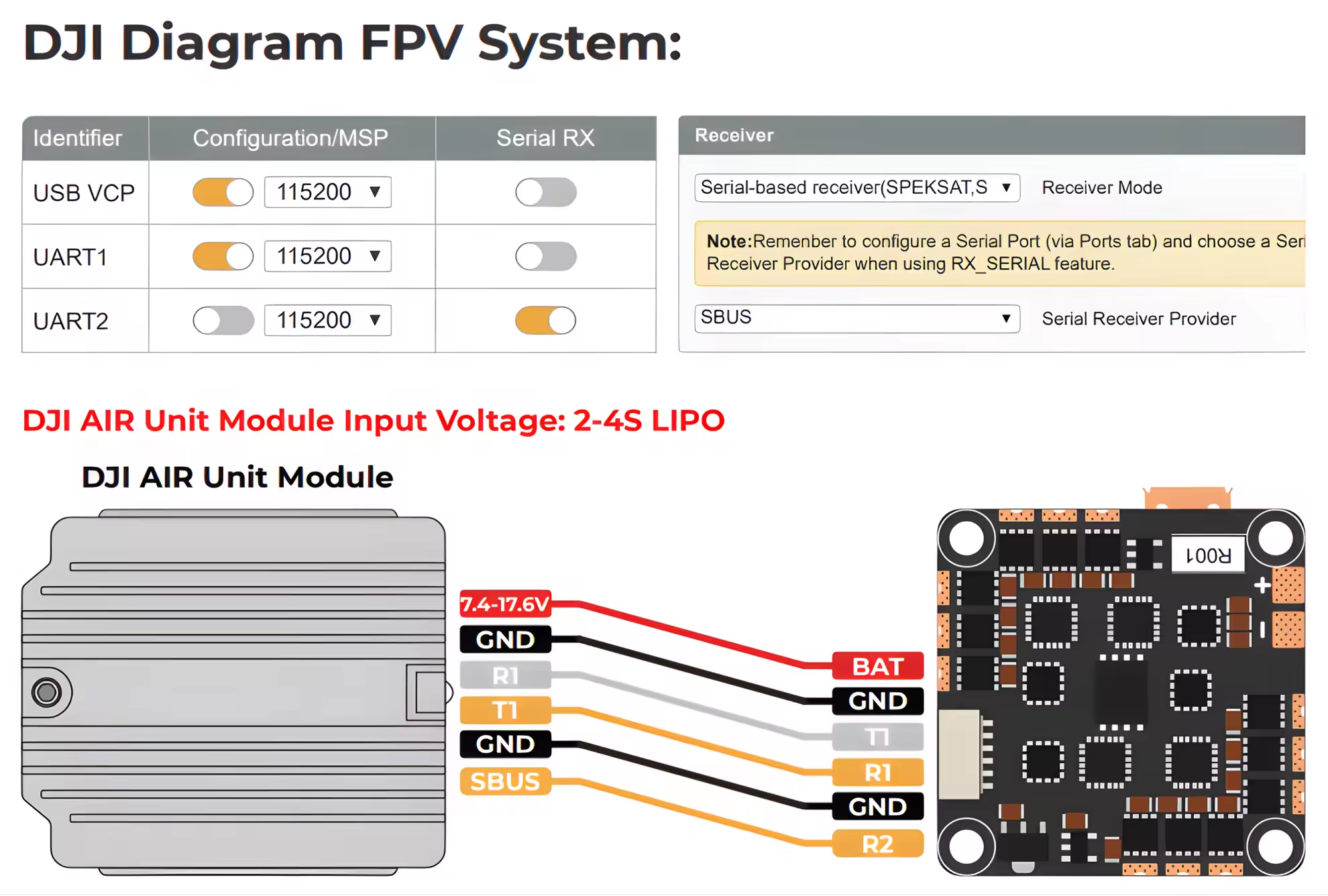
The dedicated 6-pin DJI Air Unit connector makes digital FPV integration more convenient, while the five full UARTs provide additional connectivity for receivers, GPS and other serial peripherals. The 16MB Blackbox also provides storage for flight data during tuning and troubleshooting.
F722 Processing and Connectivity
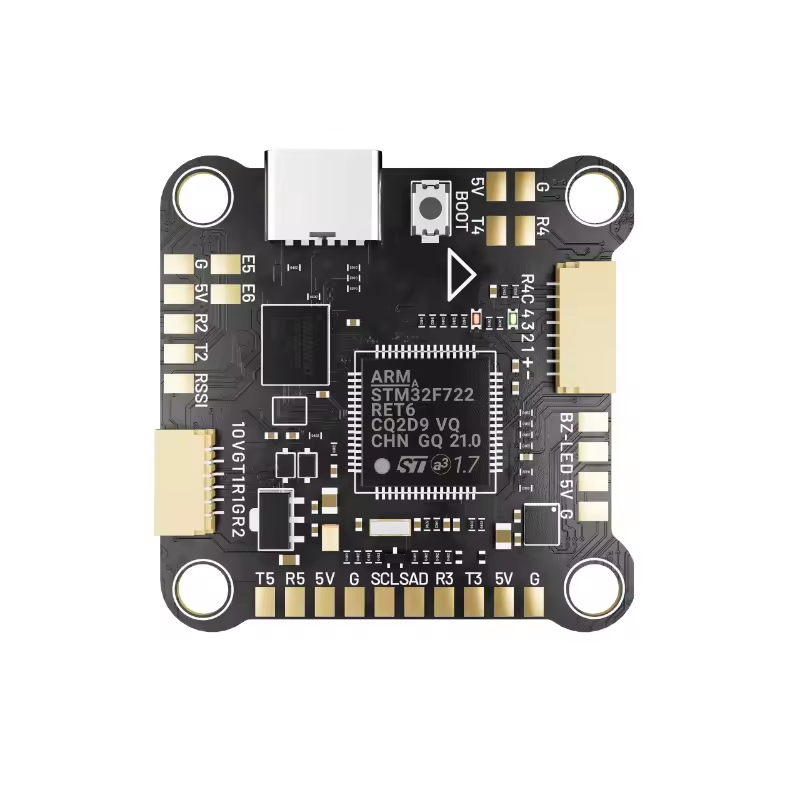
The GEP-F722-35A uses an STM32F722 MCU, providing a higher-performance flight controller platform for compact FPV builds.
One of its most useful features is the five full UART ports:
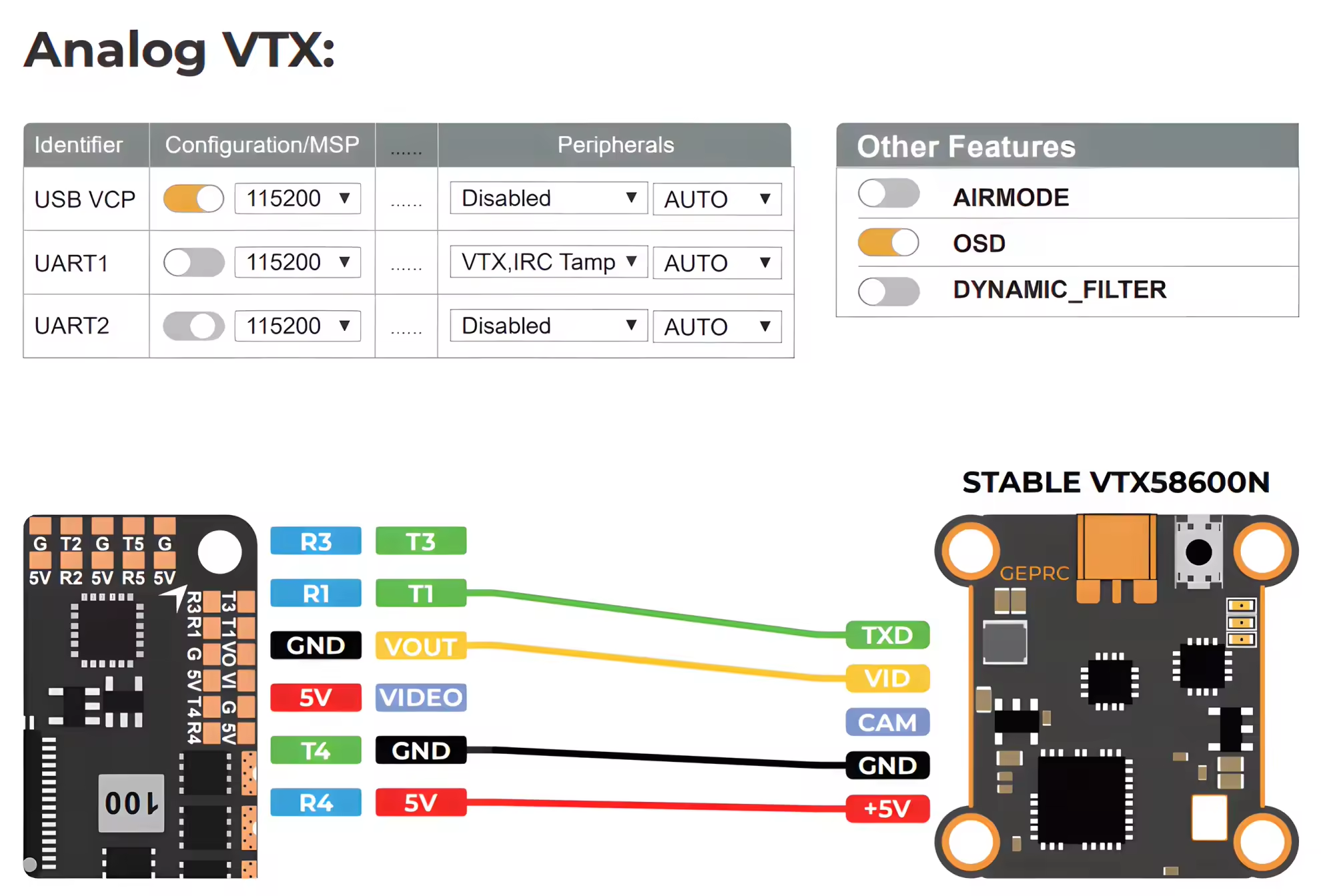
This gives pilots more flexibility when a build needs multiple serial devices. A simple build may only need a receiver and VTX, while a more advanced aircraft can use additional UARTs for GPS or other peripherals.
The board also includes 16MB Blackbox storage, which can be useful when reviewing flight data and tuning Betaflight settings.
35A ESC and 2–6S Power Support
| Specification | GEP-F722-35A |
|---|
| ESC Continuous Current | 35A |
| Maximum Current | 40A / 10s |
| Battery Input | 2–6S |
| ESC Protocols | DShot600, OneShot, MultiShot |
| ESC MCU | BB21F16G |
| Power Filter | Integrated LC Filter |
The 35A rating provides useful headroom for compact 2–5 inch aircraft, but motor and propeller selection should still be matched to the battery voltage and expected current draw.
The 2–6S input range also allows the same AIO to be used across different builds. A lightweight 3-inch aircraft may favor 3S or 4S, while a higher-voltage setup can use 6S with an appropriately selected motor and propeller combination.
Choosing the Right Motor
| Build Type | Motor Direction | Typical Battery | Main Priority |
|---|
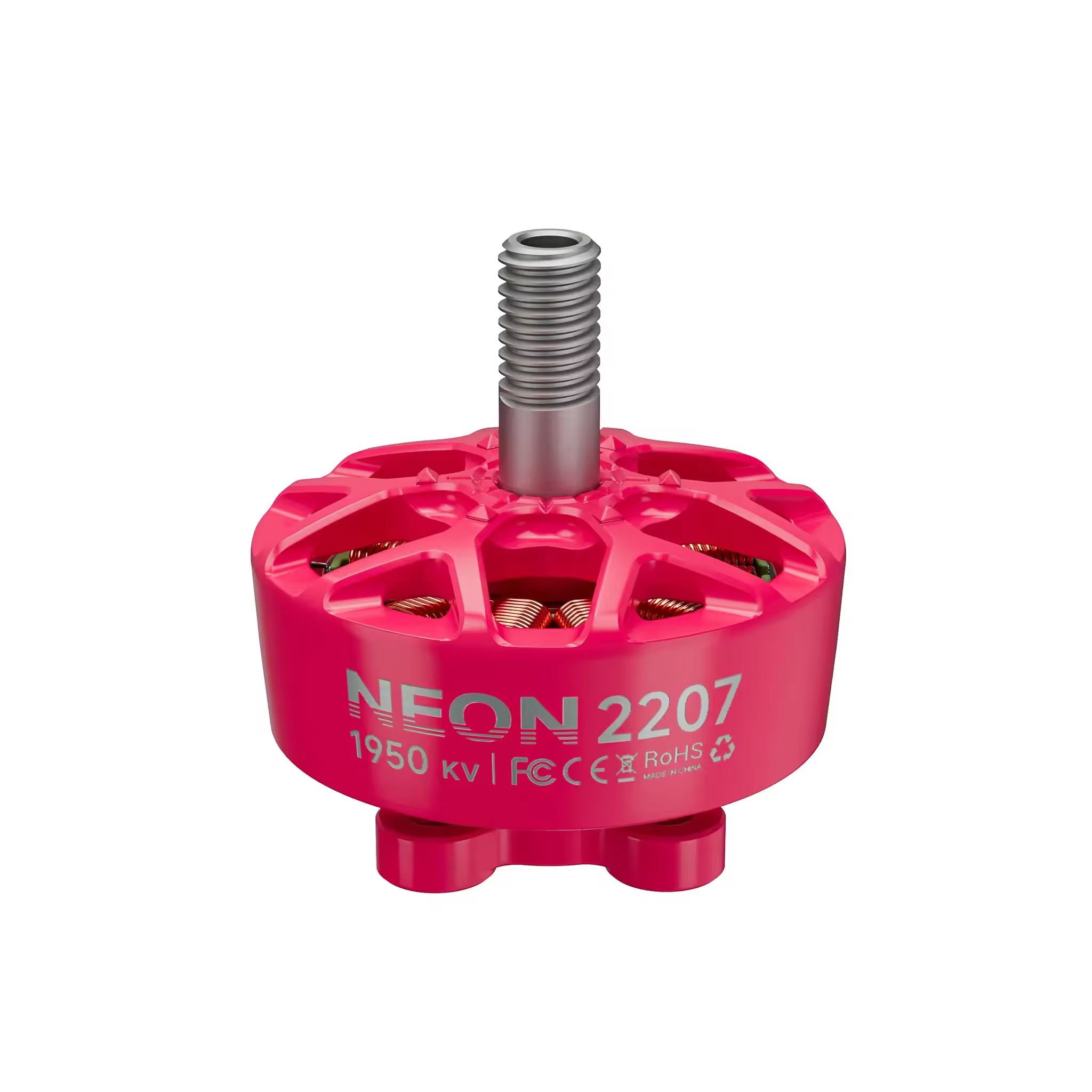
| 2.5" Cinewhoop | 1404–1505 class | 4S | Compact power |
| 3" Cinewhoop | 1404–1604 class | 4S | Thrust and efficiency |
| 3" Toothpick | 1404–1505 class | 3–4S | Lightweight performance |
| 4" Lightweight | 1404–1604 class | 4S | Power-to-weight balance |
| 4–5" Lightweight | Larger lightweight motors | 4–6S | Higher performance |
These are build-direction recommendations rather than fixed compatibility requirements. The final KV should always be selected according to the motor manufacturer's recommended voltage and propeller.
As a general rule:
Higher battery voltage → lower KV
Lower battery voltage → higher KV
For example, a motor selected for 4S should not automatically be transferred to a 6S setup without checking its recommended KV, propeller and current range.
Final Recommendation
The GEPRC GEP-F722-35A AIO is a strong option for pilots who want to build a compact 2–6S FPV aircraft without using a separate FC and ESC stack.
Its key strengths are the combination of an STM32F722 processor, 35A continuous ESC, 40A burst capability, five full UARTs, 16MB Blackbox, integrated LC filter and dedicated DJI Air Unit connector, all packed into an approximately 8.8g AIO board.
For a Cinewhoop, the board offers useful ESC headroom and convenient digital FPV connectivity.
For a Toothpick, it provides considerably more power capability than typical micro AIOs while keeping the electronics centralized.
For lightweight freestyle or long-range builds, the 2–6S voltage range and five UARTs provide plenty of flexibility for different motor, battery and peripheral configurations.
A practical starting configuration is:
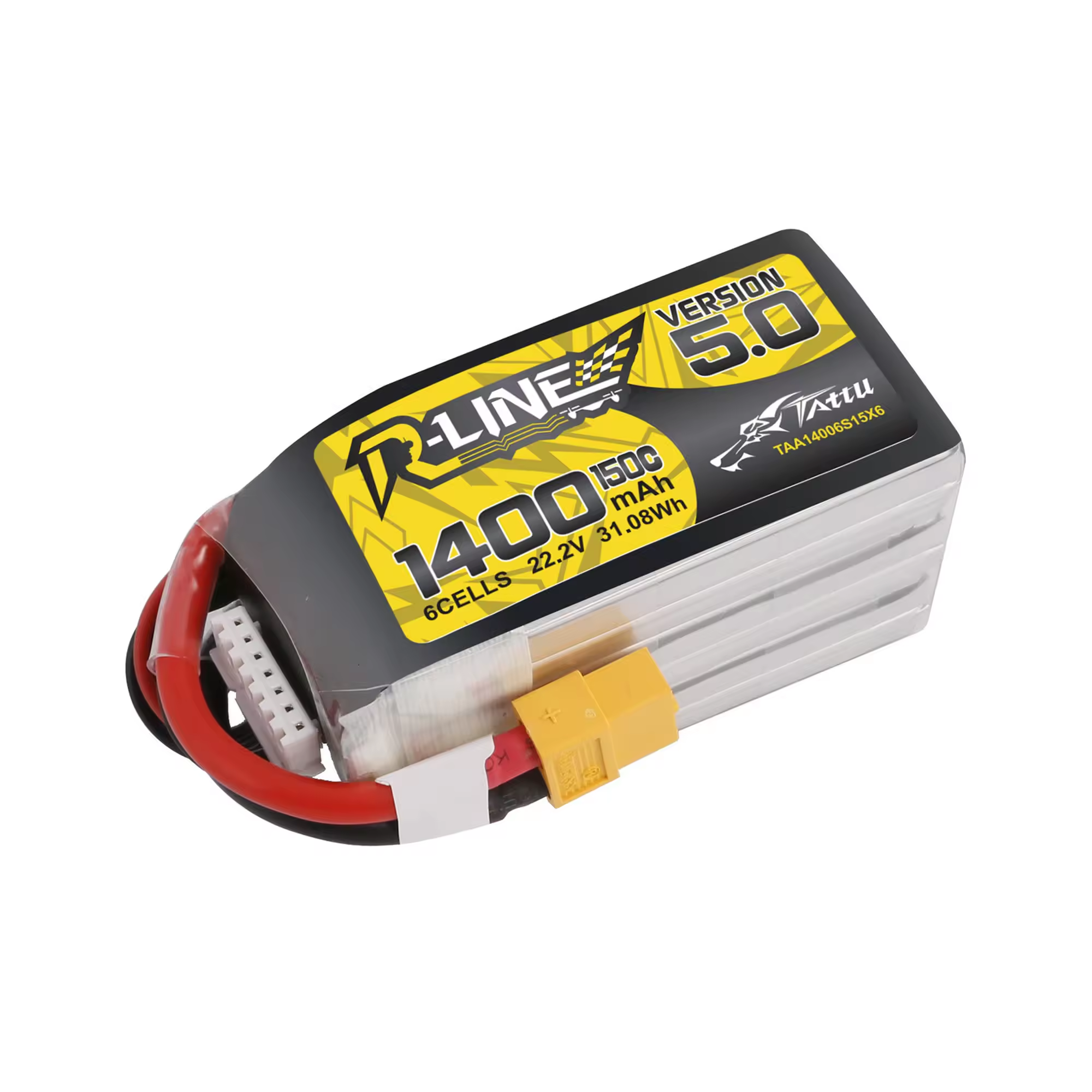
GEP-F722-35A + 2.5–3.5" frame + 1404/1505-class motors + 3–4S LiPo + appropriate FPV VTX
If your goal is an AIO that sits between a tiny micro board and a traditional FC + ESC stack, the GEP-F722-35A offers a useful combination of power, connectivity and compact size for modern Cinewhoop, Toothpick and lightweight FPV builds.












 Verified