The 5-inch racing drone is one of the most popular setups in the FPV community—offering excellent speed, agility, and upgrade potential. But is it possible to build a reliable 5-inch racing drone for under $300? Absolutely.
In this guide, we’ll walk through a budget-friendly racing drone build, breaking down each component, why it matters, and how it fits into a cost-conscious setup. Ideal for beginners or intermediate pilots looking to try FPV racing or practice freestyle.
👉 Explore FPV drone parts on MEPSKING to build the cheapest FPV drone.
Complete Build List: Best 5-Inch Racing Drone Build Under $300
Here’s a breakdown of each component, why it was chosen, and how it fits into your budget:
| Component | Product | Price (USD) |
| Frame | GEPRC GEP Racer Frame | $49.99 |
| FC & ESC Stack | SpeedyBee F405 V4 + 60A 30×30 Stack | $79.99 |
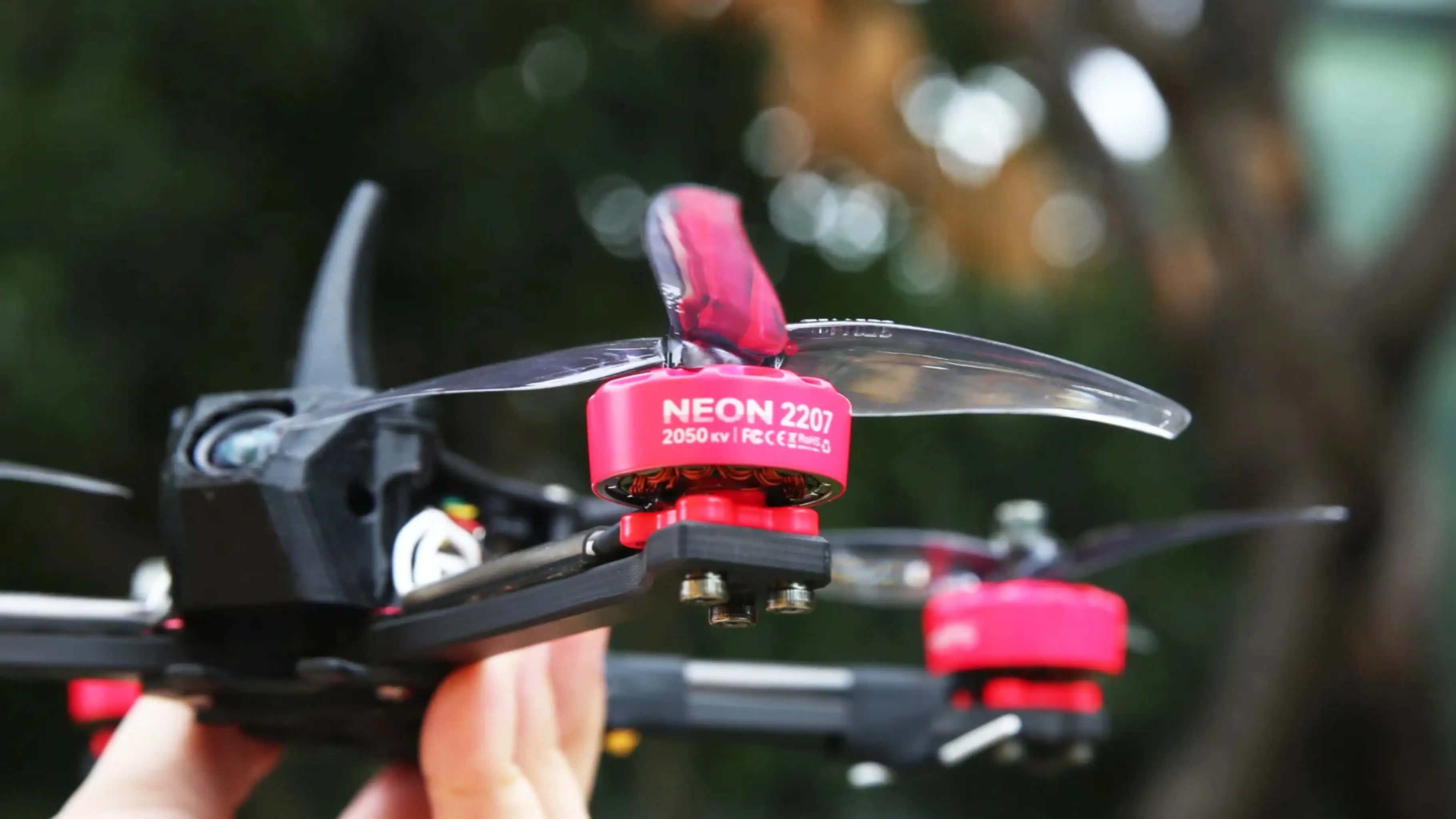
| Motors | MEPS NEON 2207 2050KV (Set of 4) | $40.00 |
| FPV Camera | Caddx Ant 1200TVL Nano | $16.19 |
| Video Transmitter (VTX) | HGLRC Zeus Nano 350mW | $35.09 |
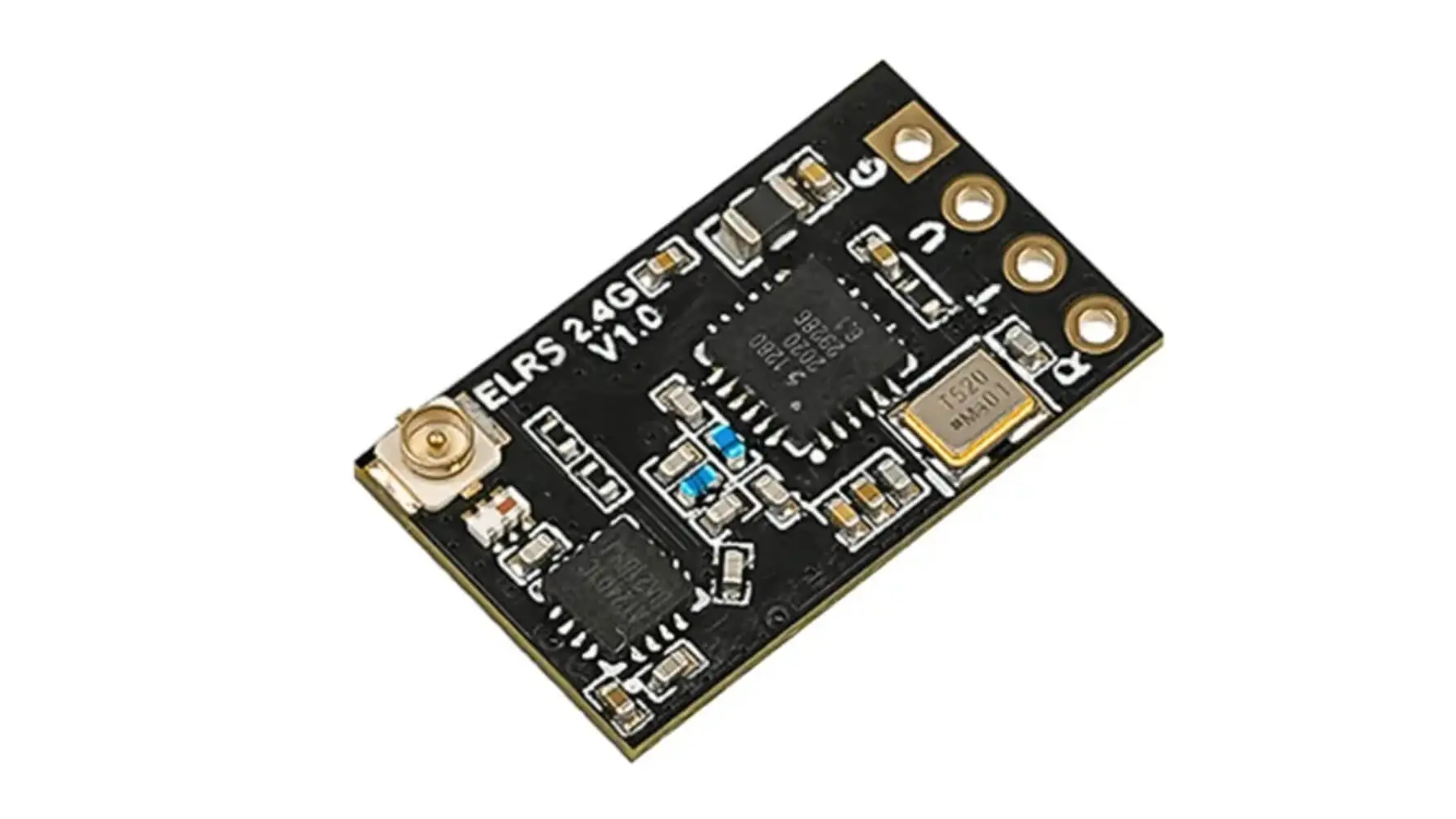
| Receiver | BETAFPV ExpressLRS Nano 2.4G | $8.99 |
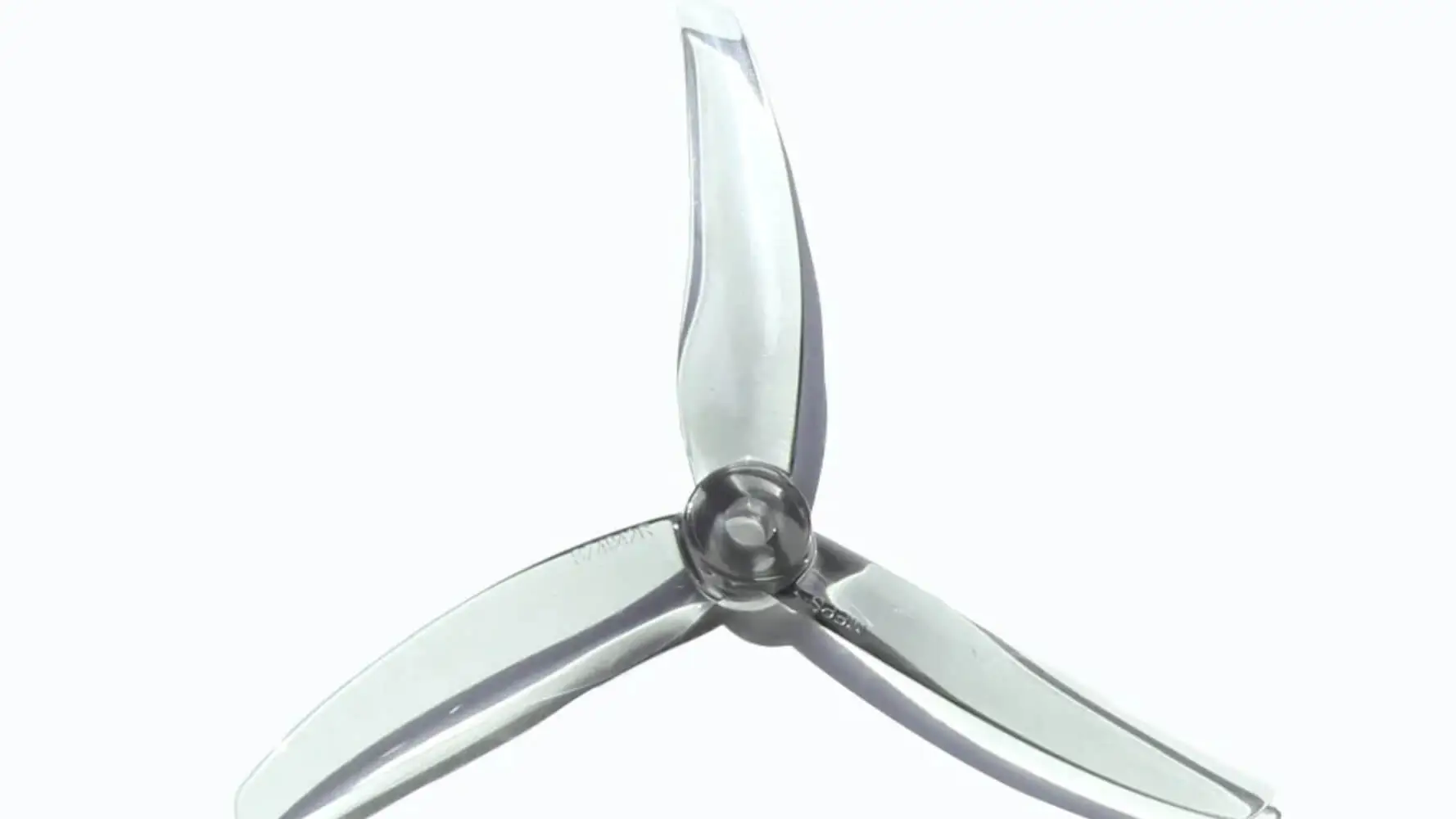
| Propellers | MEPS SZ4942 (4 Sets) | $1.61 |
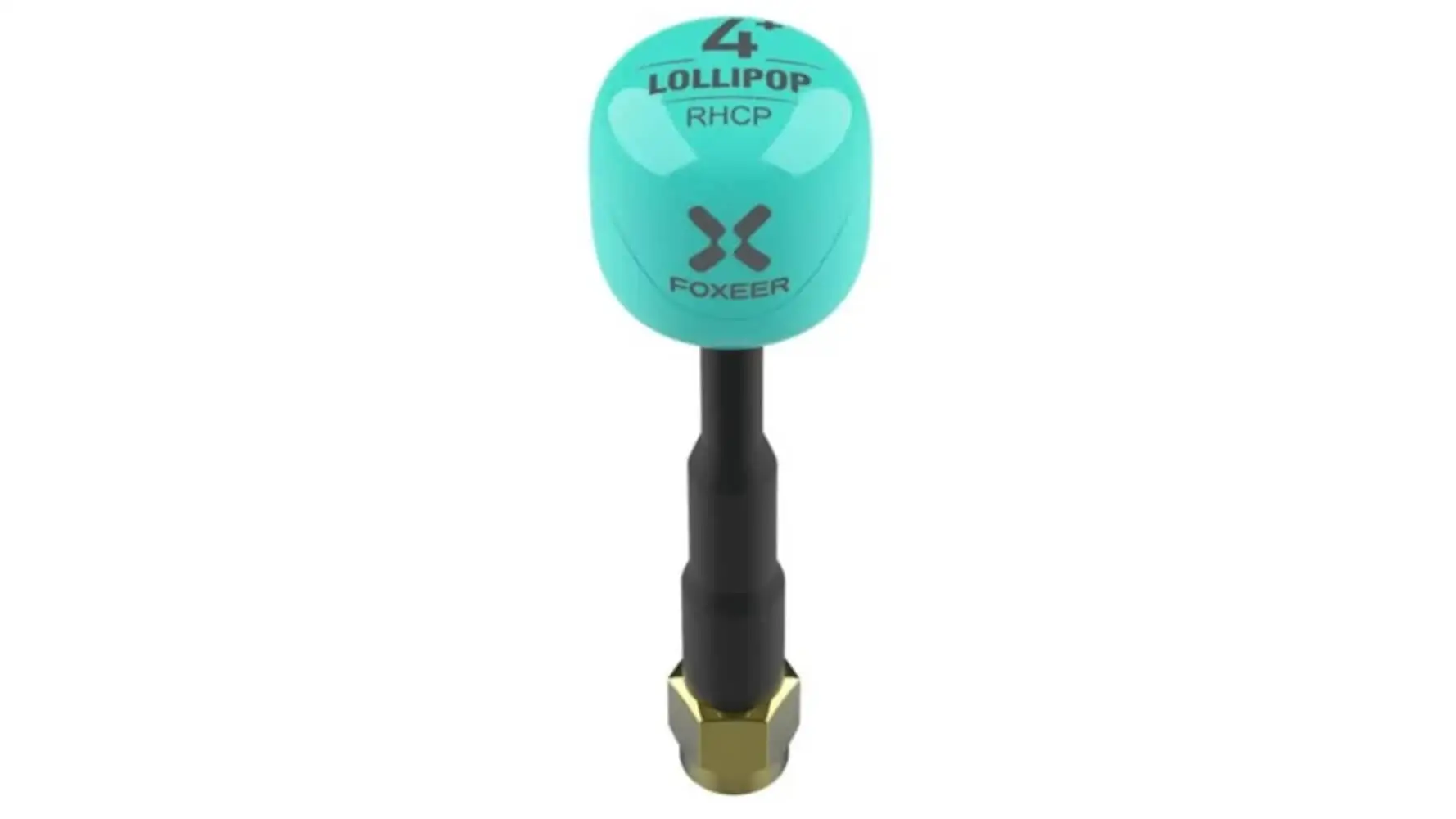
| FPV Antenna | Foxeer Lollipop 4 5.8G | $11.69 |
| Total | $243.55 |
This leaves you some headroom (~$56.45) for essential accessories like LiPo batteries and chargers.
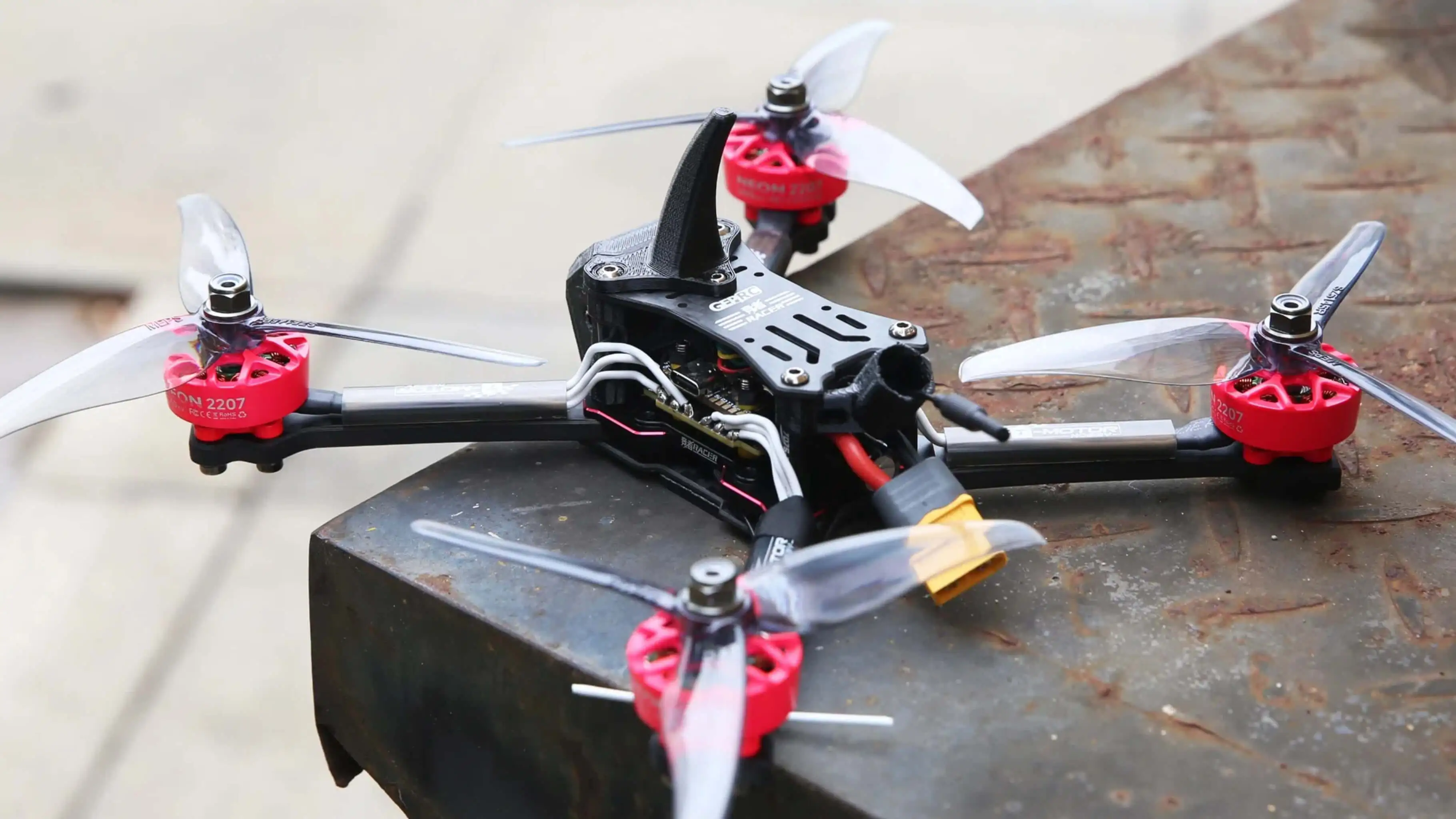
Why This $300 FPV Build Works
Building a high-performance FPV drone on a budget requires smart component choices. This $300 setup is carefully balanced to deliver strong performance without unnecessary cost.
- 4S Power System for Better Control
Compared to 6S setups, a 4S configuration is more affordable and easier to handle, making it ideal for beginners and intermediate pilots. - 2207 Motors for Balanced Performance
2207 motors offer an excellent balance between thrust and efficiency, making them a popular choice for 5-inch freestyle and racing drones. - Analog FPV System for Low Cost & Low Latency
Analog video systems are significantly cheaper than digital options while still providing low latency, which is crucial for racing and responsive flying. - All-in-One FC & ESC Stack
Using a stack combo reduces wiring complexity, saves space, and lowers the total cost of the build.
Overall, this build delivers the best possible performance-to-cost ratio, making it one of the most practical FPV setups under $300.
Reputable components of FPV racing drone under $300 budget
Frame: GEPRC GEP Racer Frame ($49.99)
A lightweight, sturdy carbon fiber frame tailored for racing. It supports standard 30×30 mounting for your flight stack and has ideal geometry for quick cornering and tight gaps.
- Pros: Durable arms, aerodynamic design, crash-resilient
- Why it’s great for racing: Built to survive high-speed collisions
FC & ESC Stack: SpeedyBee F405 V4 BLS 60A ($79.99)
This combo offers a feature-rich F4 flight controller with a reliable 60A ESC. SpeedyBee is known for performance at a budget price, and the V4 version even supports wireless Betaflight tuning.
- Pros: 60A ESC, Bluetooth tuning, stable gyro
- Why it’s great for budget builds: Easy setup with pro-level features
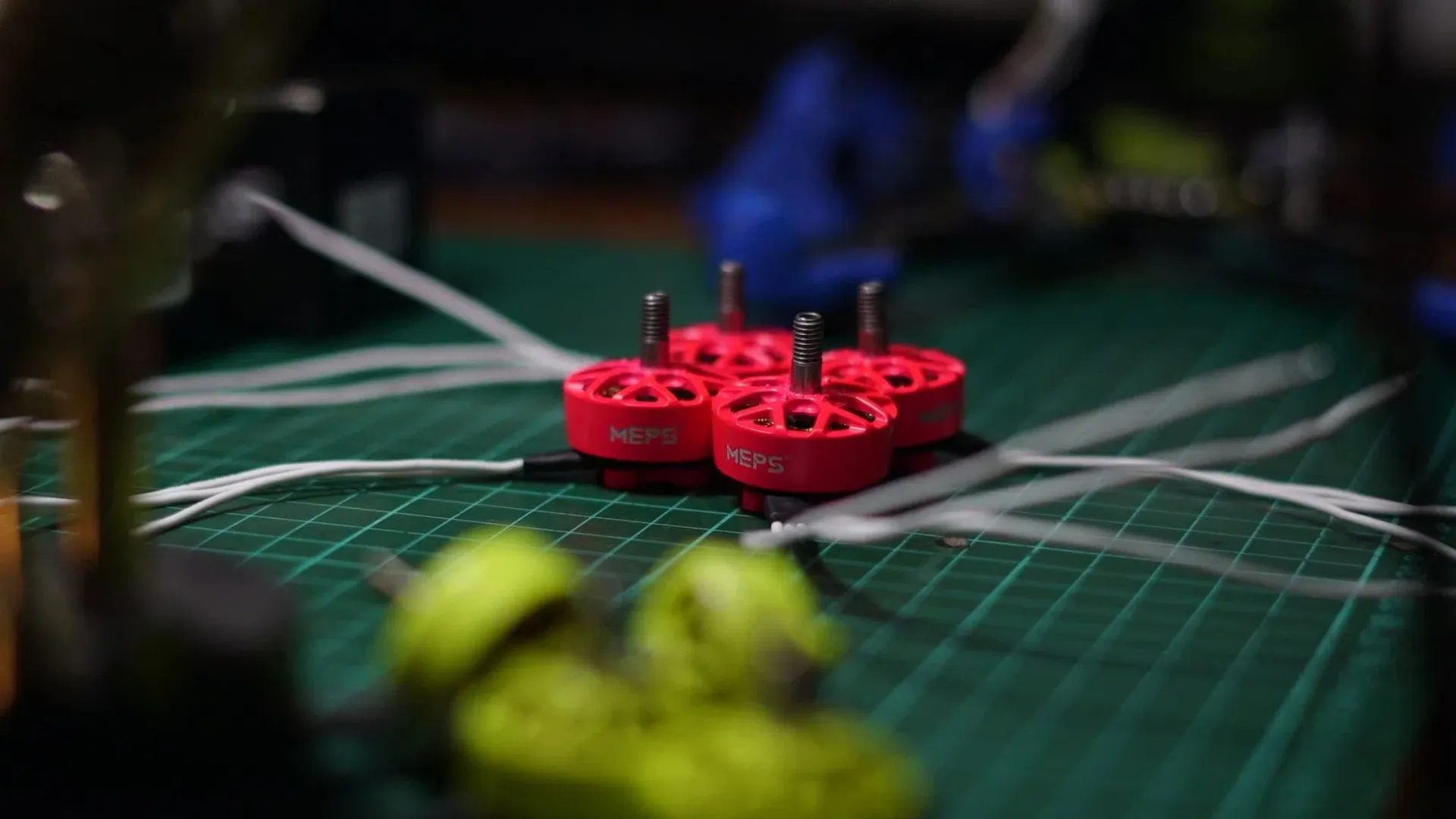
Motors: MEPS NEON 2207 2050KV ($40.00)
These 2207 motors are optimized for 5” props and deliver excellent torque and throttle control. The 2050KV range is ideal for 4S racing builds, giving you the punch needed on tight tracks.
- Pros: Smooth throttle curve, lightweight bell design
- Why it’s great: Trusted by racers for power-to-efficiency ratio
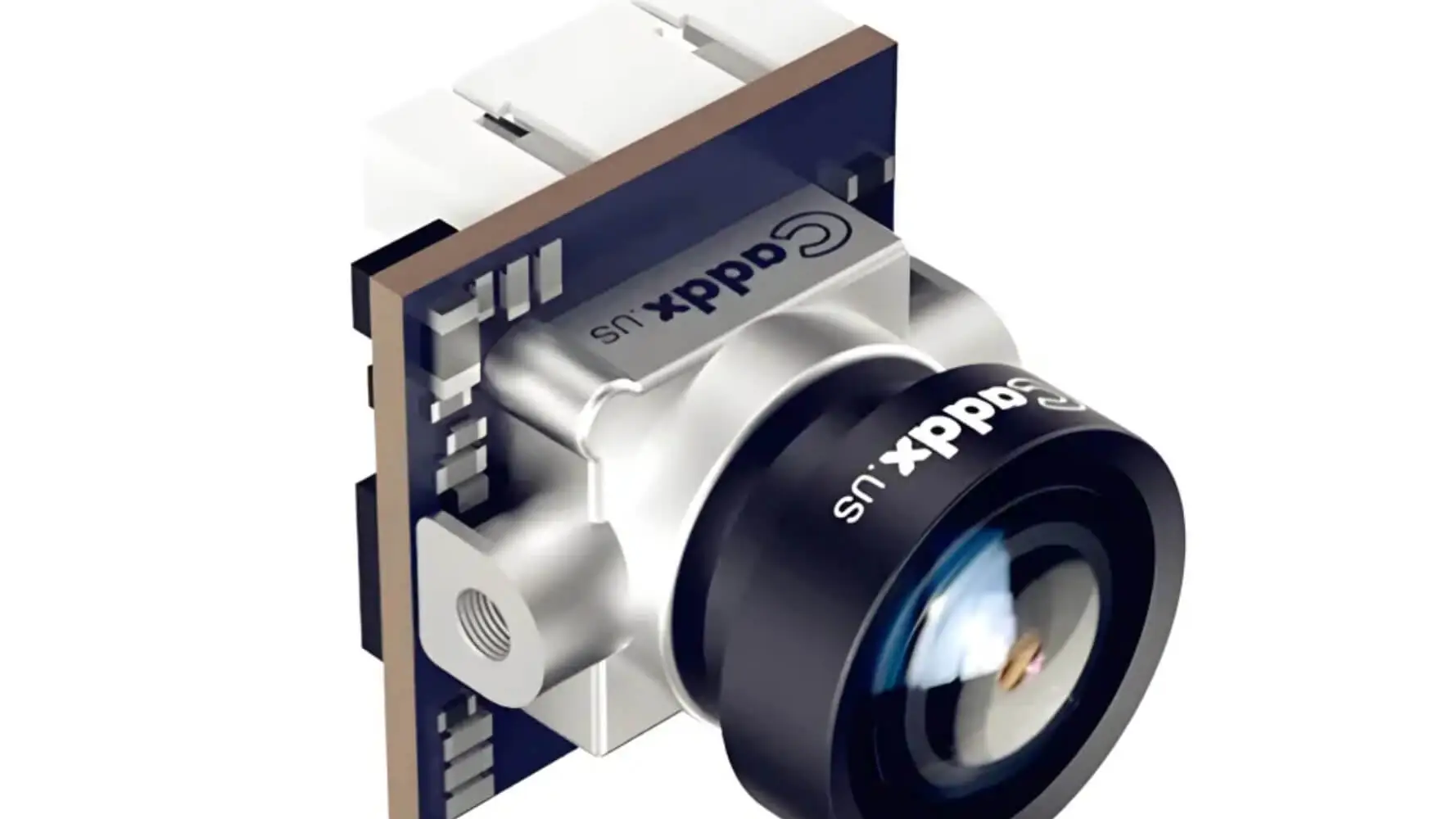
Camera: Caddx Ant 1200TVL ($16.19)
The Ant is a budget-friendly nano FPV camera that still offers sharp images and low latency. Great for racing in daylight conditions.
- Pros: Ultra-light, WDR support, wide FOV
- Why it’s great: Keeps your build lightweight without sacrificing visibility
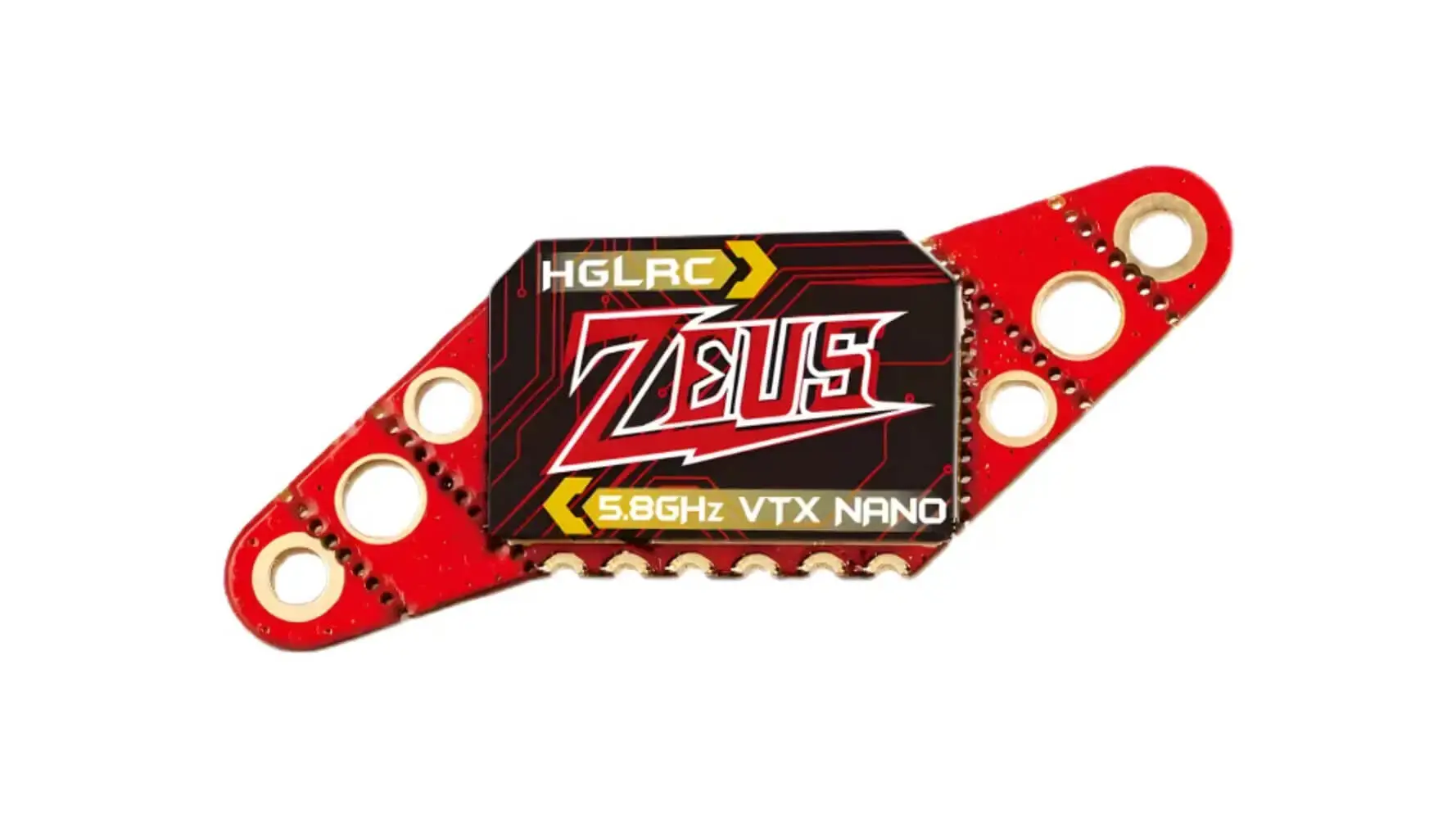
VTX: HGLRC Zeus Nano 350mW ($35.09)
This mini video transmitter is compact, reliable, and supports SmartAudio. With 350mW output, it gives you enough range for most racing environments.
- Pros: Adjustable power, clean video, minimal interference
- Why it’s great: Strong signal in a small form factor
Receiver: BETAFPV ELRS Nano 2.4G ($8.99)
ExpressLRS is the new standard in ultra-low latency, long-range radio systems. BETAFPV’s nano receiver offers easy setup and stable connection.
- Pros: Compatible with most ELRS TX modules, low latency
- Why it’s great: Budget-friendly way to get top-tier link performance
Props: MEPS SZ4942 (4 Sets) ($1.61)
Affordable, efficient tri-blade props that are perfect for 2207 motors. Four sets mean you’re ready for multiple heats or practice runs.
- Pros: Responsive, durable plastic, balanced
- Why it’s great: Save money without compromising thrust
Antenna – Foxeer Lollipop 4 5.8G ($11.69)
A well-built circular polarized antenna with a durable casing. Excellent video signal transmission and resistance to crash damage.
- Pros: Lightweight, RHCP compatible, good range
- Why it’s great: Reliable FPV feed under racing stress
Expected Performance
With this $300 FPV drone build, you can expect a solid balance of power, control, and efficiency.
- Strong Throttle Response
The 2207 motors paired with a 4S battery provide quick acceleration, making it suitable for freestyle tricks and racing practice. - Smooth and Predictable Handling
This setup is tuned for stability, which is especially helpful for beginners learning flight control. - Versatile Flight Capability
Whether you’re flying on a track, practicing freestyle, or just cruising, this build performs reliably across different scenarios. - Flight Time
Expect around 3–5 minutes per flight, depending on flying style and battery capacity.
While it may not match the raw power of high-end 6S builds, it delivers impressive real-world performance at a fraction of the cost.
Advantages of This Drone Under $300 Build
This FPV racing drone under $300 build strikes a perfect balance between affordability, reliability, and upgrade potential, making it a smart choice for several types of pilots:
Advantages of these top-rated drones
- Affordable Without Compromise: Instead of cutting corners, this setup uses reliable components from trusted FPV brands, ensuring solid performance and durability at a budget price.
- Upgrade-Friendly Design: With support for Betaflight, ExpressLRS, and standard 30×30 mounting, this drone is easy to upgrade as your skills improve.
- Built for Crashes and Practice: The lightweight structure and replaceable components make it ideal for frequent crashes—perfect for beginners and aggressive freestyle pilots.
- Beginner-Friendly Maintenance: Simplified wiring and modern flight controller features (like Bluetooth support) make tuning and maintenance much easier.
Best Suited For
- Beginners building their first 5-inch FPV drone
- FPV pilots looking for a budget-friendly backup quad
- Freestyle flyers who want a durable practice drone
- Hobbyists who want performance without overspending
Whether you’re starting out or leveling up, this setup gives you a solid foundation to learn, crash, and improve—without breaking the bank.
FAQs: 5-Inch Racing Drones on a Budget
Q1: Can I use a 6S battery instead of a 4S?
Not with this motor (2050KV). It’s designed for 4S. Running 6S would risk burning the ESC or motors.
Q2: Is ExpressLRS better than FrSky or Crossfire?
For the price, yes. It offers better latency, range, and reliability—especially in a racing environment.
Q3: What goggles and transmitter should I pair with this?
Goggles: Skyzone SKY04X, DJI (if using digital VTX)
Transmitter: Radiomaster Boxer, Zorro (ELRS built-in)
Q4: How long will this drone fly on a 1300mAh 4S battery?
Approximately 3–5 minutes, depending on throttle usage and flight style.
Conclusion
You don’t need to spend $500 to get into racing FPV. This build proves that under $300 can still get you a high-performance 5-inch drone, capable of handling race tracks, freestyle spots, or even your first competitions.
Every part in this list was selected for its performance-to-price ratio, making it ideal for both beginners and racers on a budget. Build it, tune it, and rip it. If you want to read more about different budgets of FPV drones, please read this article: Choosing the Right FPV Drone for Different Budget: From Beginner to Pro
If you’re the kind of pilot who enjoys testing budget-friendly racing setups like this one, you may also be interested in the MEPSKING Vine Voice. It’s an official reviewer initiative where skilled FPV pilots get early access to new MEPS motors, ESCs, and other components, then share real flight feedback that directly helps shape future product design.
For pilots who enjoy analyzing performance, tuning power systems, or comparing sub-$300 builds, this program is an excellent opportunity to contribute to the FPV community.