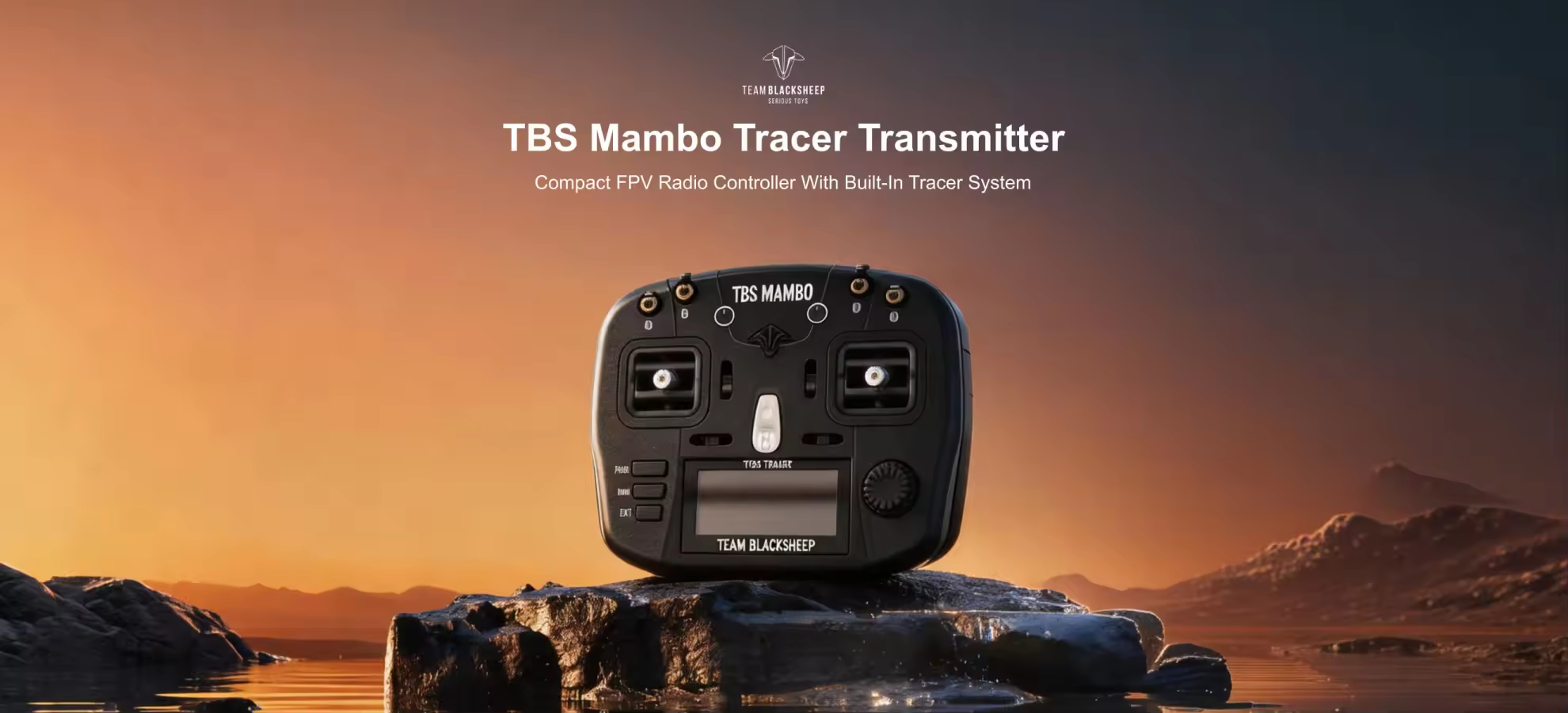
TBS Mambo Tracer Remote FPV RC Radio Drone Controller
About TBS Mambo Tracer Remote FPV RC Radio Drone Controller:
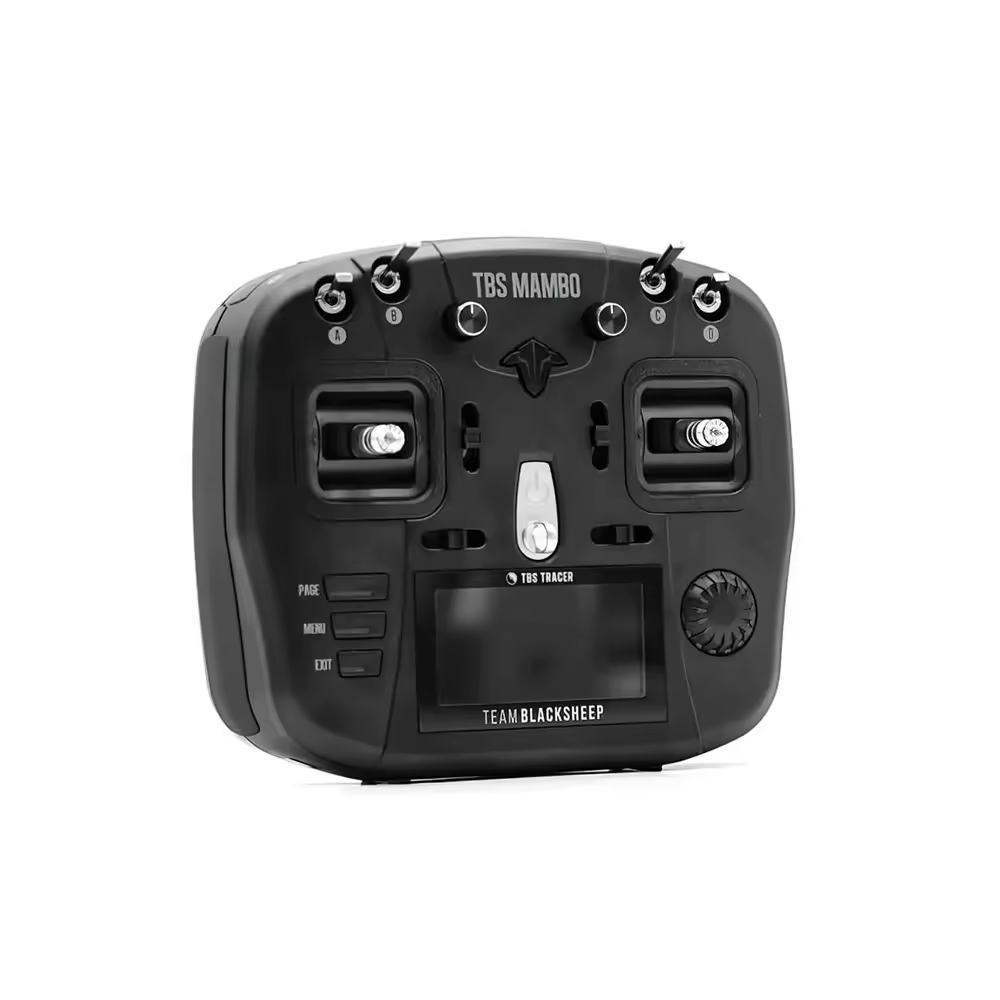
Team BlackSheep has already redefined the portable remote control with the TBS Tango 2. Now we're back with one of the most popular requests: a compact full-size remote! The TBS Mambo Tracer Remote follows in the footsteps, but focuses on all of the things the Tango 2 tries not to have: a larger screen, traditional form factor with switches and potentiometers, JR module bay, replaceable batteries, and a trim button!
Check out our full-size controllers, all FPV Radio Controller Collection and the rest of our TBS Products!
Jumper Bumblebee 2.4G 1000mW ELRS module Radio controller
Options (2)
Hall Rocker
RDC Rocker
Hall Rocker
$123.47
Save $2.52
In Stock
Expected ship within 5 days after order.
Free Shipping Over $79 | Save on Orders $79+
24-Month Warranty | 2 Years Full Protection
30-Day Returns From Shipment | 7-Day No-Reason Returns
24h Support Response | 24h Fast Support Guarantee
Top highlights
Compact Full-Size Design & Advanced Features.
Replaceable Batteries & JR Module Bay.
Built-In TBS Tracer Technology.
Gamepad-Inspired Controls & Antenna Flexibility.
Payment | Every order you place with us is safe & secure
Share
Compact Full-Size FPV Remote
A refined, portable remote with a traditional form factor, larger screen, switches, potentiometers, and trim buttons. Perfect for FPV pilots seeking ergonomic control and intuitive operation.
Crossfire-Compatible JR Module Bay
Equipped with user-replaceable batteries for extended use and a JR module bay for seamless compatibility with TBS Crossfire modules, ensuring versatile connectivity options.
Built-In TBS Tracer Technology
Features the world’s lowest-latency radio link (TBS Tracer) for ultra-responsive performance, paired with TBS’s rock-solid Crossfire code base for reliability and future-proof updates.
Gamepad Controls & Antenna Options
Includes 2-position/momentary buttons and a built-in antenna (external antenna upgrade available).
Specifications
Recommendation
Reviews
C**e
Verified
Flexible antenna design fits all my flying scenarios perfectly.
Image Ratio:TBS Mambo Tracer Remote FPV RC Radio Drone Controller
F**d
Verified
Got it with stacked promo discounts. Great price for such a nice remote.
Image Ratio:TBS Mambo Tracer Remote FPV RC Radio Drone Controller
R**o
Verified
Bei Fragen zur Einrichtung antwortete der Kundenservice sofort und hilfreich.
Image Ratio:TBS Mambo Tracer Remote FPV RC Radio Drone Controller
Z**e
Verified
Ordering on mepsking is quick and simple. Goods arrive well packaged every time.
Image Ratio:TBS Mambo Tracer Remote FPV RC Radio Drone Controller
U*e
Verified
Reibungsloser Bestellvorgang, ich bin mit dem Einkauf sehr zufrieden.
Image Ratio:TBS Mambo Tracer Remote FPV RC Radio Drone Controller
G**e
Verified
TBS Tracer link works flawlessly. Signal stays strong even over long flight ranges.
Image Ratio:TBS Mambo Tracer Remote FPV RC Radio Drone Controller
Additional reviews after 11
days
Still solid after regular use.
B**o
Verified
Der Händler hat mir diese Fernsteuerung gezielt empfohlen, top Beratung.
Image Ratio:TBS Mambo Tracer Remote FPV RC Radio Drone Controller
t*********t
Verified
TBS Mambo feels great in hand, Best compact radio I’ve owned.
Image Ratio:TBS Mambo Tracer Remote FPV RC Radio Drone Controller
1
2
FAQFeel free to ask us any questions
Q: What makes TBS Mambo Tracer different from TBS Tango 2?
A: The Mambo Tracer features a traditional full-size controller form factor with physical switches/potentiometers, a larger screen, JR module bay compatibility, replaceable batteries, and trim buttons - features the Tango 2 intentionally omits for portability.
Q: Does it support both Tracer and Crossfire systems?
A: Yes, it comes with TBS Tracer built-in (world's lowest latency link) while remaining Crossfire-compatible through its JR module bay for existing Crossfire modules.
Q: What type of batteries does it use?
A: The controller uses replaceable 18650 Li-ion batteries (not included). This allows easy battery swaps for extended use and replacement over time.
Q: How does the Tracer system benefit FPV pilots?
A: The integrated TBS Tracer offers ultra-low latency (under 4ms) communication, frequency diversity technology, and rock-solid reliability inherited from Crossfire's proven ecosystem, making it ideal for competitive racing and cinematic flying.
Q: Can I use external antennas?
A: While it comes with a built-in antenna, an external antenna is available as an optional add-on for enhanced signal performance in challenging environments.



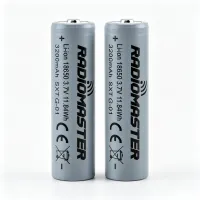 RadioMaster 18650 3200mAh 1S 3.7V Li-ion Battery (2pcs) for TX16S / Boxer / TX12/ Pocket / MT12 Radios1S 3200mAh$12.08 Save $0.91
 VR009 3'' 5.8GHz 40CH FPV Goggles for RC DronesVR009$88.27 Save $2.73
 Jumper Bumblebee 2.4G 1000mW ELRS module Radio controllerHall Rocker$123.47 Save $2.52















 Verified