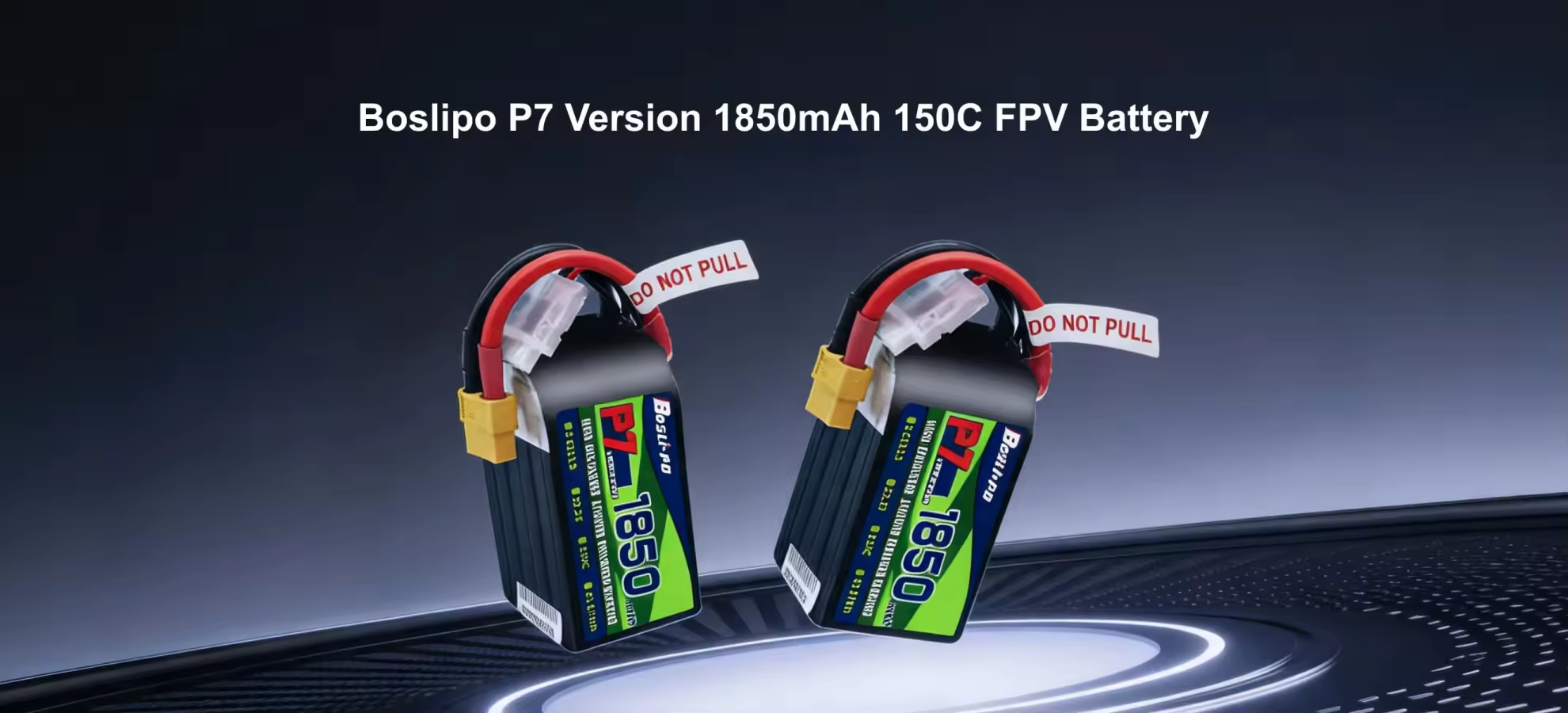
Boslipo P7 Version 1850mAh 150C FPV Battery Buying Guide
Why Choose the P7 1850mAh 150C?
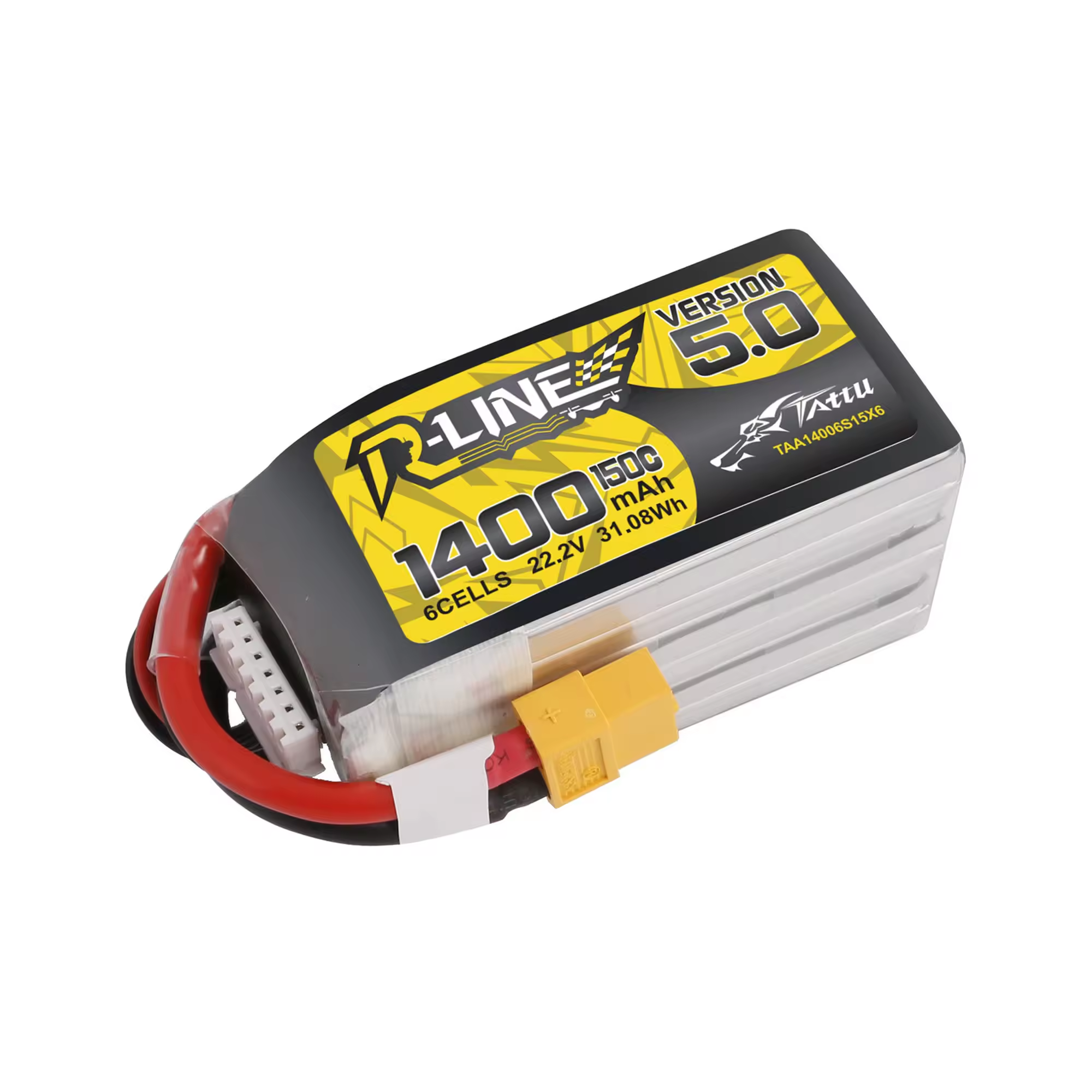
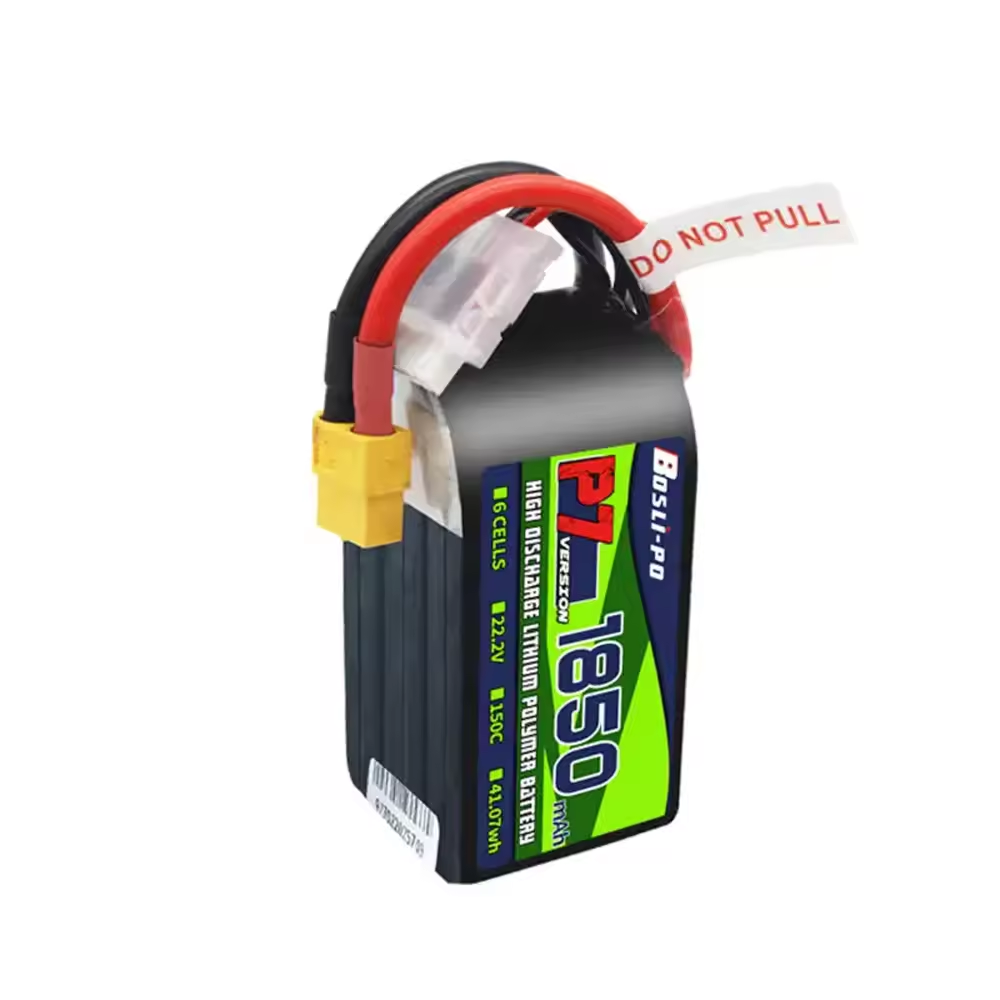
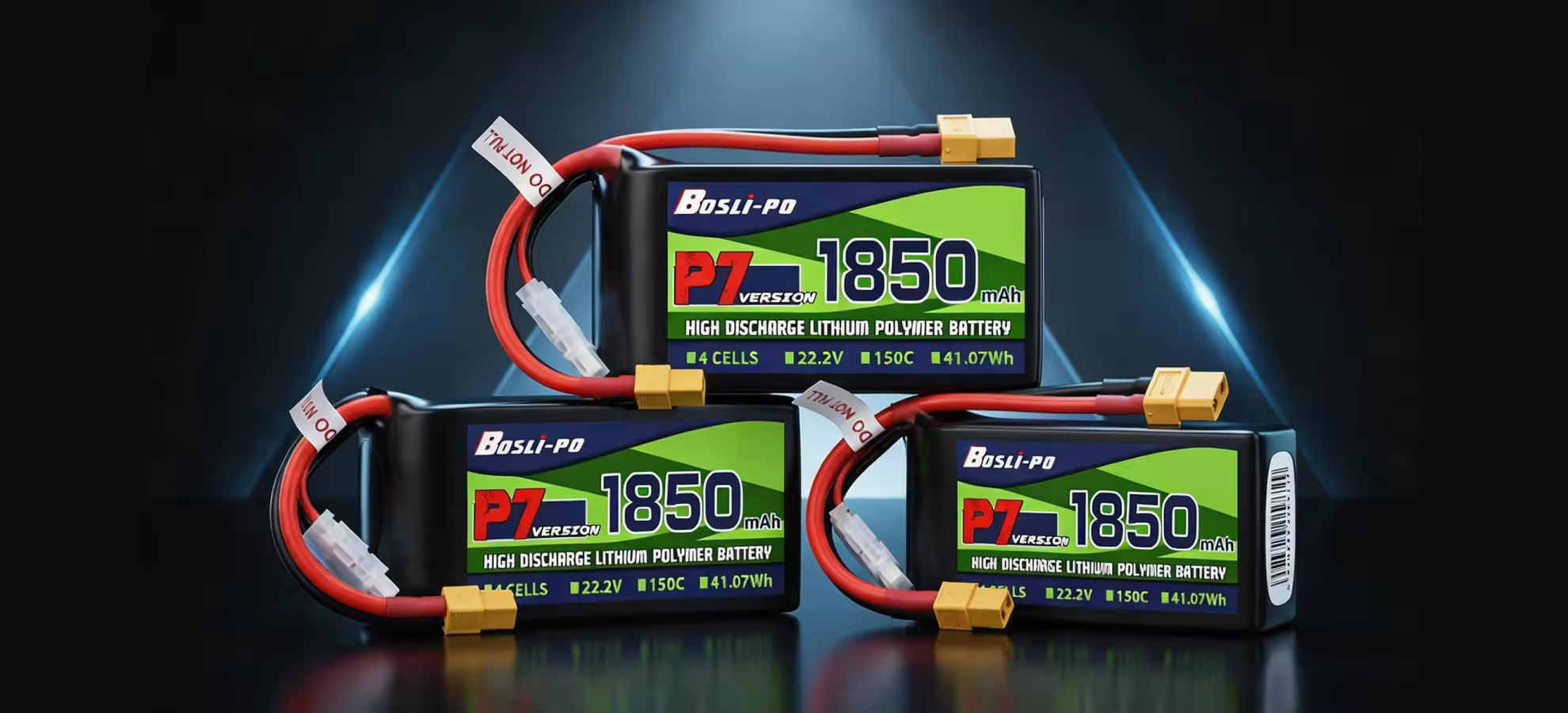
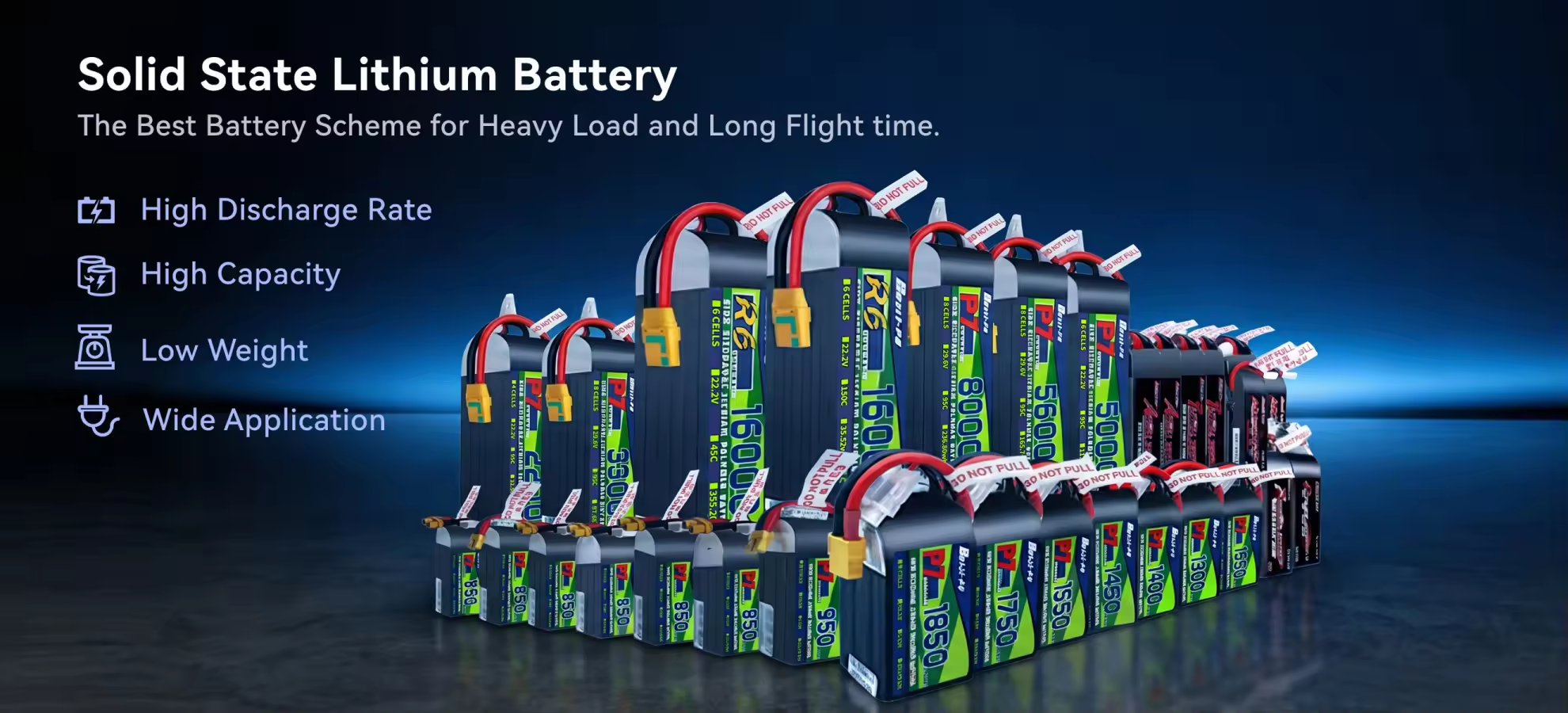
The Boslipo P7 Version 1850mAh 150C FPV Battery is designed for FPV pilots who want a strong balance between high discharge performance, usable flight time and manageable battery weight. Available in both 4S 14.8V and 6S 22.2V configurations, it uses an XT60 discharge connector and a 150C discharge rating for high-power FPV applications.
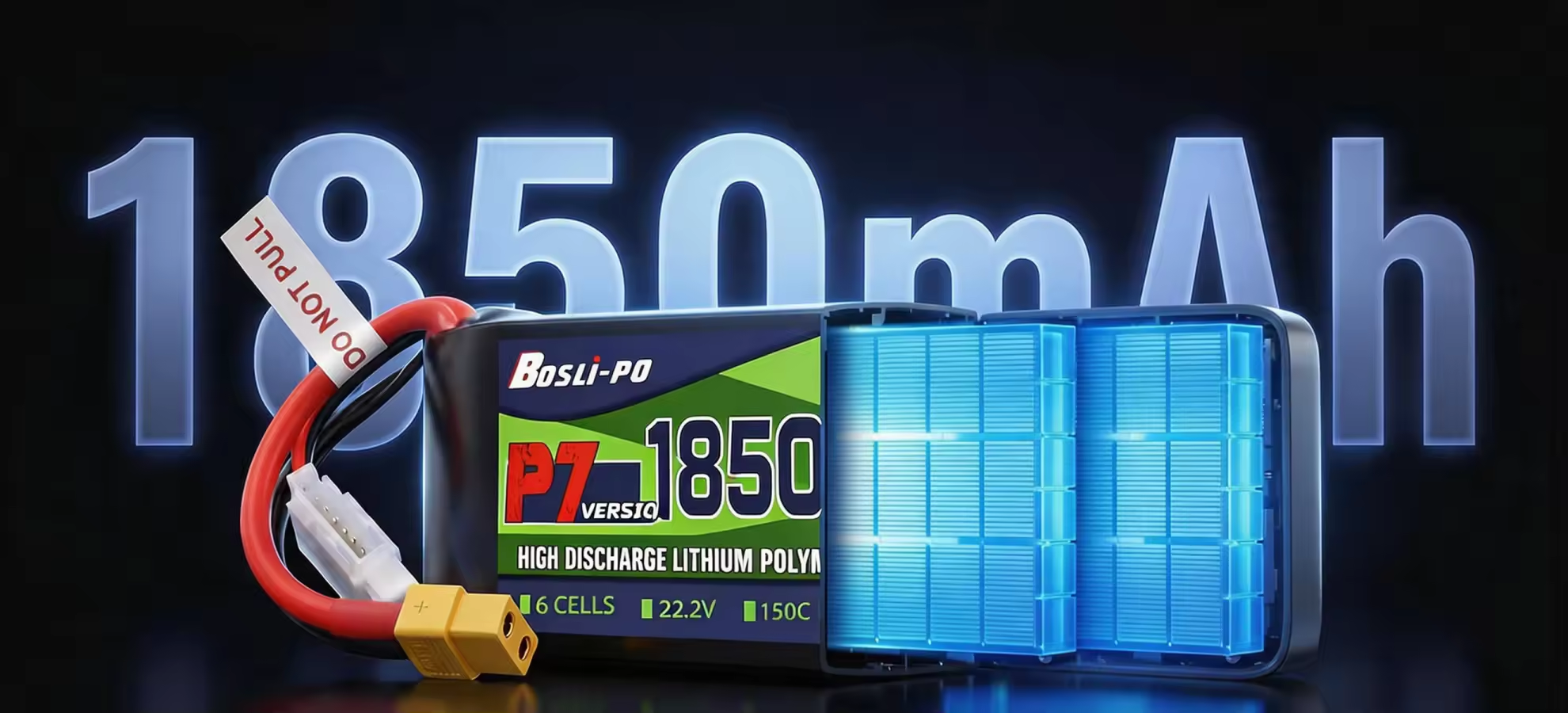
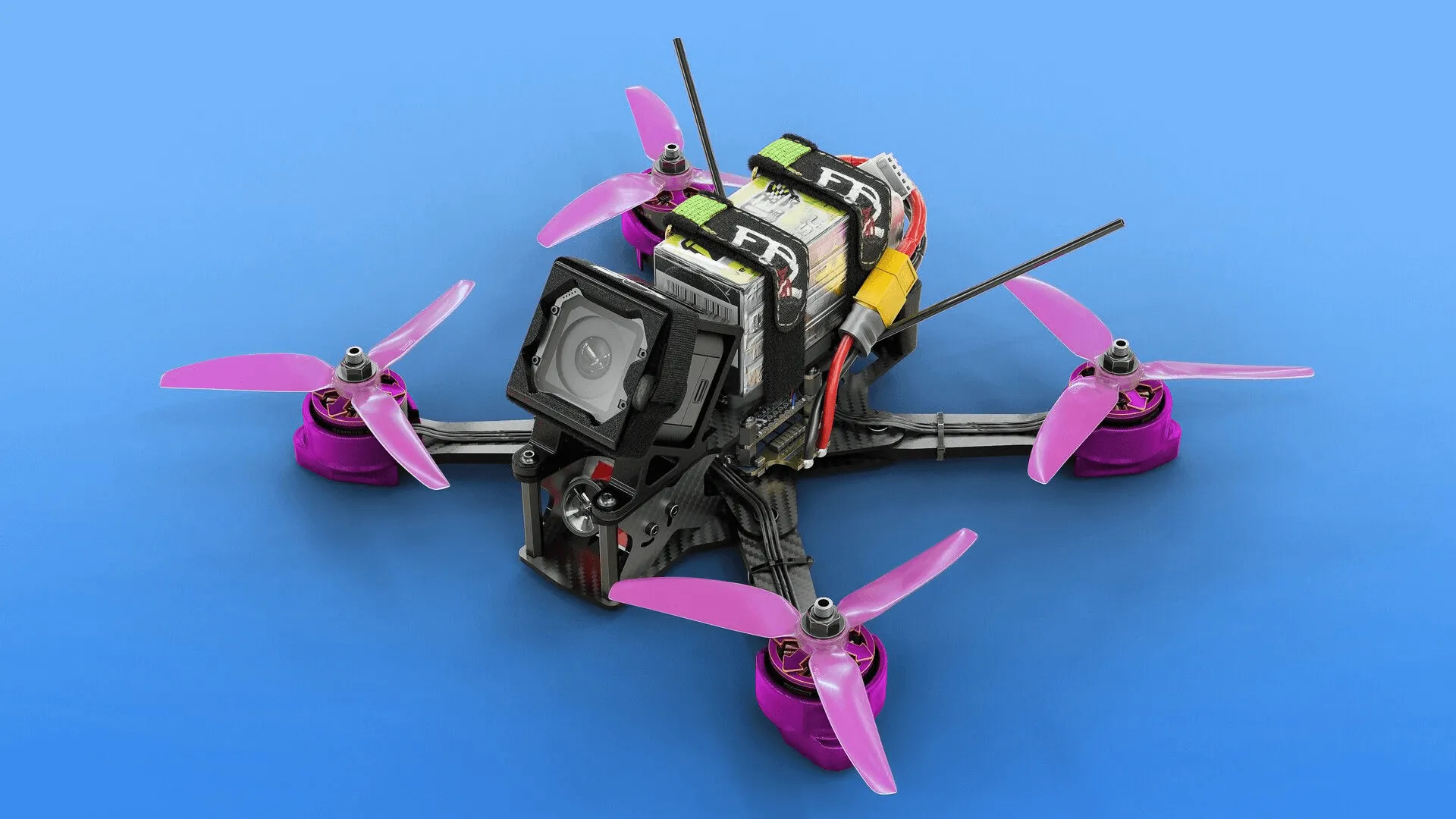
With its 1850mAh capacity, the P7 sits above many lightweight racing packs while remaining suitable for aggressive freestyle and performance-oriented 5-inch builds. The 6S version is particularly well suited to pilots who need strong throttle response and consistent voltage under demanding flight conditions.
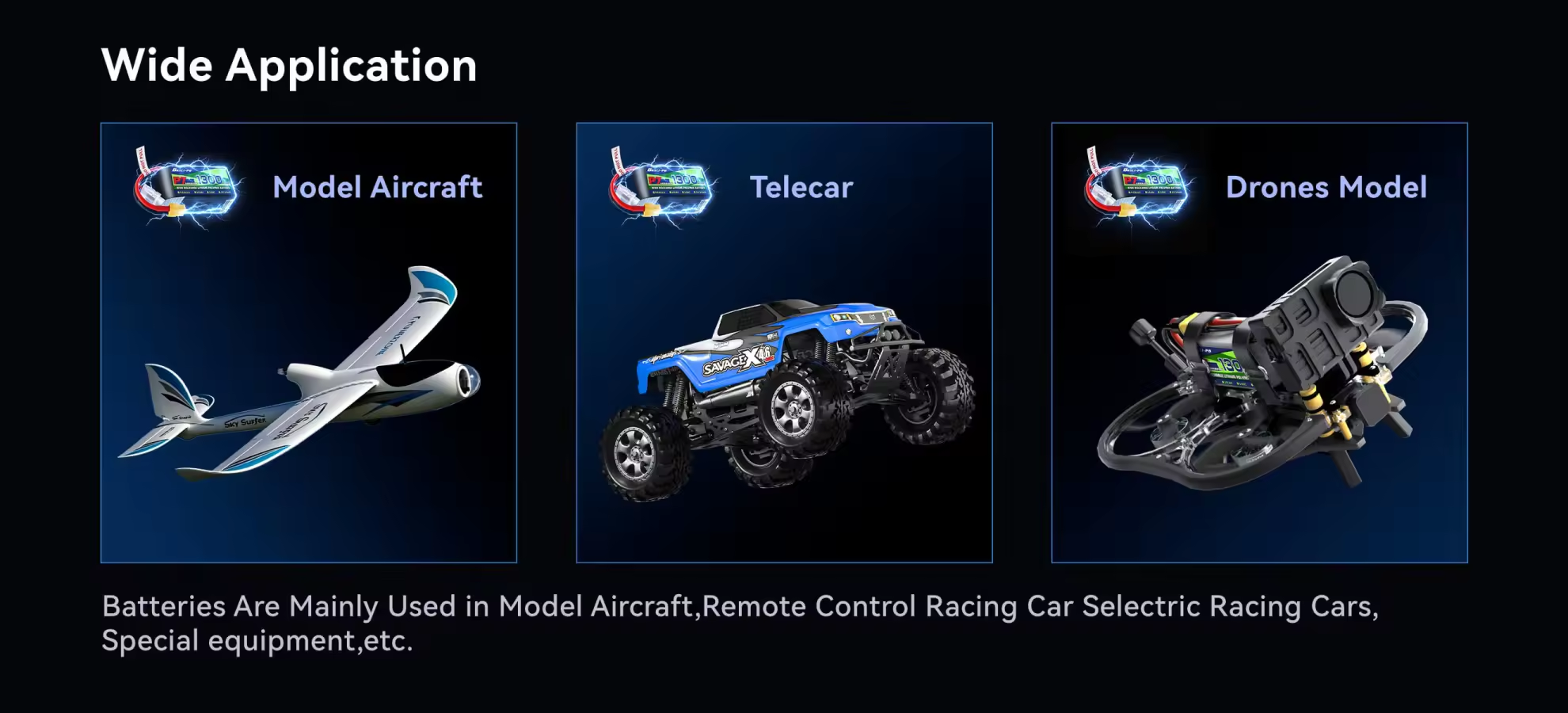
Recommended Applications
| Application | Recommended Version | Build Direction | Main Advantage |
|---|
| 5" Freestyle | 6S 1850mAh | 2207–2306 class motors | Power + flight time balance |
| 5" Racing | 6S 1850mAh | High-KV racing motors | High-current output |
| 5" Long Freestyle | 6S 1850mAh | Efficient 2207/2306 motors | More capacity for longer flights |
| 5" Freestyle | 4S 1850mAh | 2207–2306 class motors | Lower-voltage setup |
| 6" Performance Build | 6S 1850mAh | Efficient larger motors | Capacity + power |
| Cinematic 5" | 6S 1850mAh | Efficiency-focused motors | Longer usable flight time |
For pilots already using a 6S FPV power system, the 6S 1850mAh version is the more natural choice. The 4S version is better suited to a 4S-specific motor and propeller setup.
4S vs 6S: Which Version Should You Choose?
| 4S 1850mAh | 6S 1850mAh |
|---|
| Nominal Voltage | 14.8V | 22.2V |
| Capacity | 1850mAh | 1850mAh |
| Configuration | 4S1P | 6S1P |
| Best For | 4S FPV builds | 6S FPV builds |
| Motor KV | Higher KV | Lower KV |
| Current for Same Power* | Higher | Lower |
| Typical Use | Freestyle / racing | Freestyle / racing / cinematic |
| Connector | XT60 | XT60 |
*For the same electrical power, a higher battery voltage generally requires less current. Actual flight performance depends on motor KV, propeller, aircraft weight and throttle usage.
Do not switch between 4S and 6S simply because the battery has the same 1850mAh capacity. Battery voltage must match the motor and ESC system.
Choosing the Right Motor
| Build | Battery | Motor Direction | Priority |
|---|
| 5" Racing 4S | 4S 1850mAh | Higher-KV 2207/2306 | Fast response |
| 5" Freestyle 4S | 4S 1850mAh | Medium/high-KV 2207 | Balanced performance |
| 5" Racing 6S | 6S 1850mAh | Lower-KV 2207/2306 | Efficiency + power |
| 5" Freestyle 6S | 6S 1850mAh | Lower-KV 2207/2306 | Power + control |
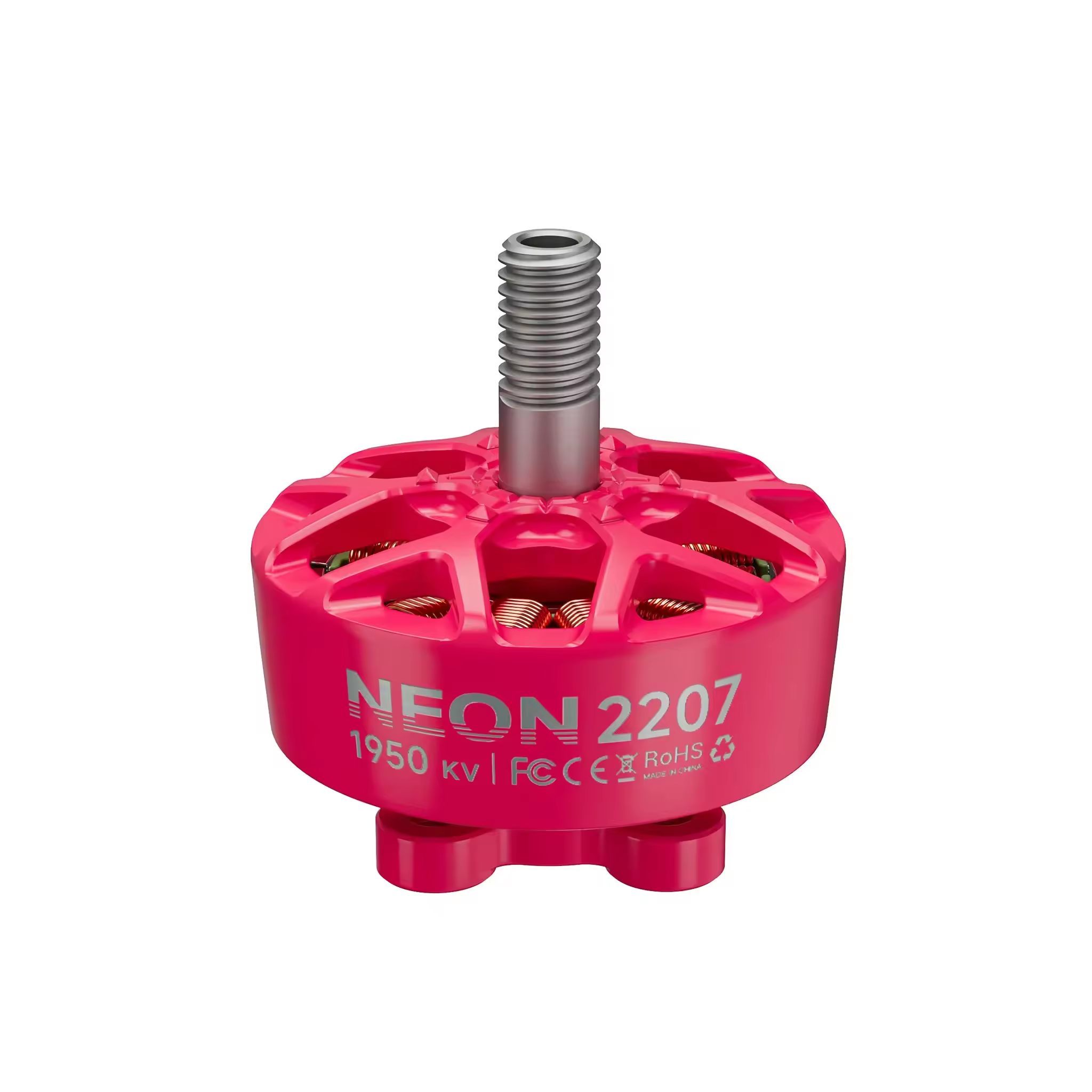
| 6" 6S Build | 6S 1850mAh | Efficient larger motors | Endurance + thrust |
The exact KV should always follow the motor manufacturer's recommended battery and propeller combination. A motor designed for 4S should not automatically be used with a 6S battery.
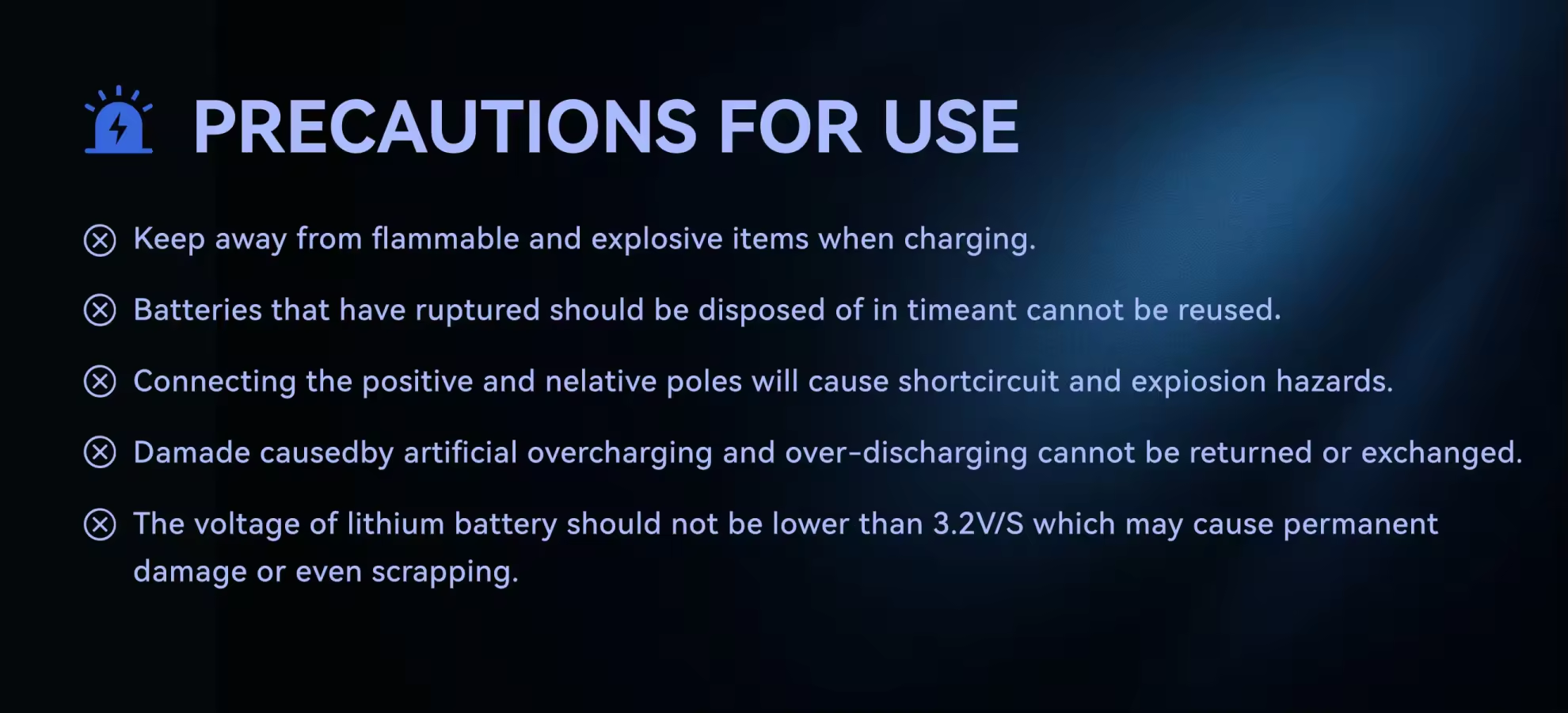
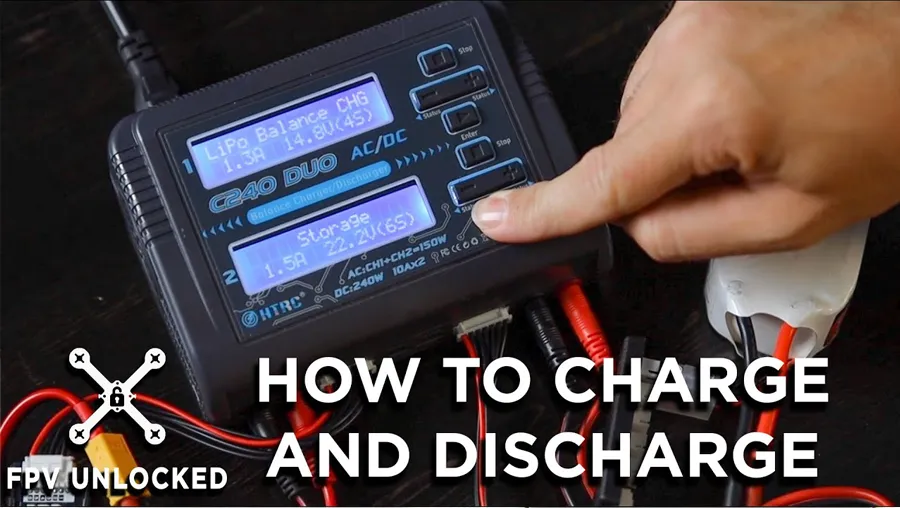
Charging and Storage
| Situation | Recommended Practice |
|---|
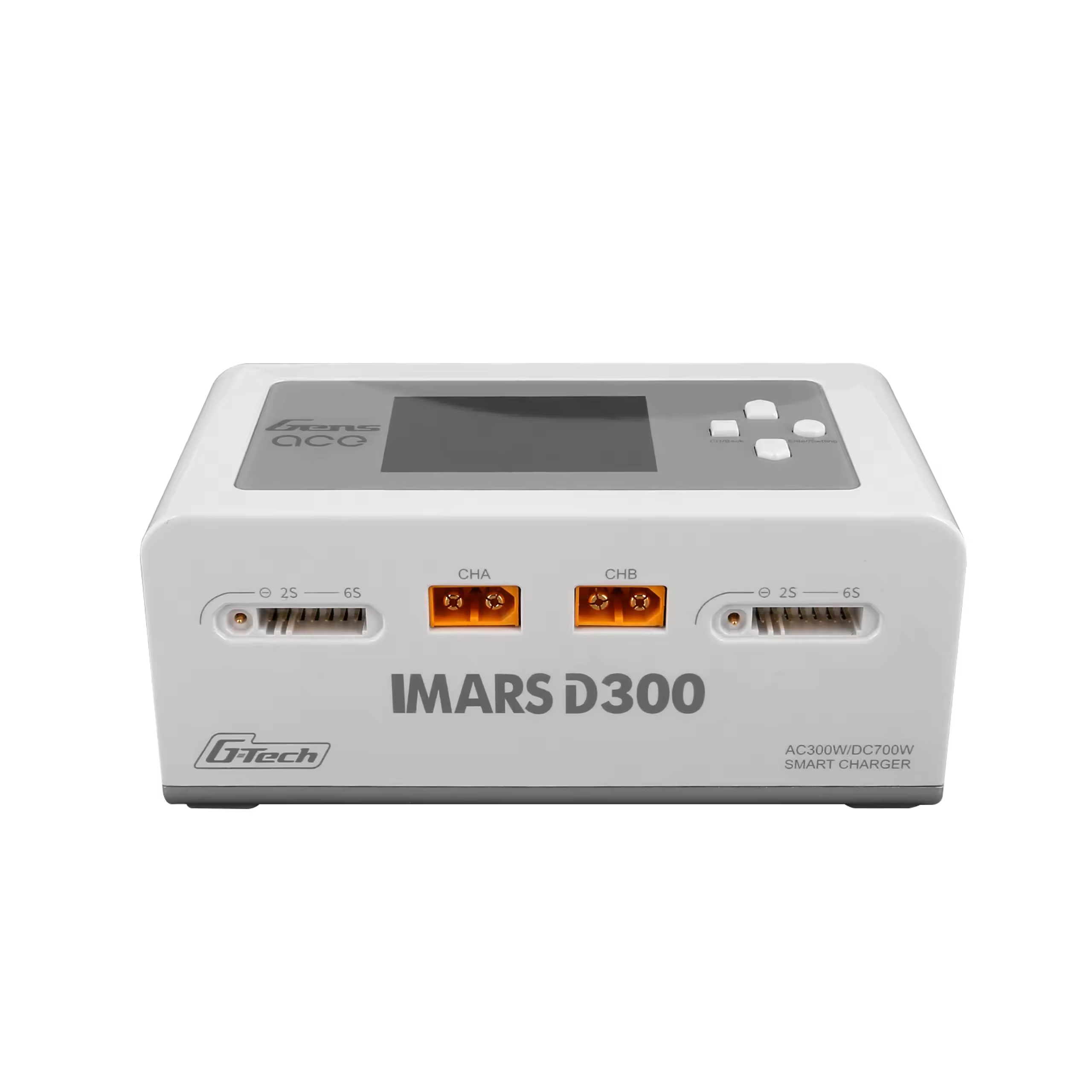
| Charging | Never leave the battery unattended |
| Maximum Cell Voltage | 4.2V per cell |
| After Flight | Allow the battery to cool before charging |
| Storage Voltage | Around 3.85V per cell |
| Storage Temperature | 5–28°C |
| Deep Discharge | Avoid; manufacturer recommends no-load cell voltage above 3.5V |
| Long-Term Storage | Do not leave the battery fully charged |
| Transport | Follow applicable LiPo transportation requirements |
Boslipo specifically recommends approximately 3.85V per cell for long-term storage and advises allowing the battery to rest for at least five minutes after discharge before charging.
Final Recommendation
The Boslipo P7 Version 1850mAh 150C FPV Battery is a strong option for pilots who want a battery that sits between lightweight racing packs and larger high-capacity FPV batteries.
Its 1850mAh capacity provides additional energy for freestyle and cinematic flying, while the 150C discharge rating is suited to high-current FPV power systems. With both 4S 14.8V and 6S 22.2V versions, pilots can select the voltage that matches their existing motor and ESC setup.
For 5-inch freestyle, the 6S 1850mAh version is a particularly practical choice when the goal is to combine strong power delivery with longer flight sessions.
For 5-inch racing, the battery can provide high-current performance, although pilots focused purely on minimum weight may prefer a smaller capacity.
The key selection rule is simple:
Choose the S count first → match the motor KV → select the propeller → then choose the battery capacity based on your desired flight style.












 Verified