Waterproofing an FPV drone helps extend its lifespan by protecting sensitive electronics from moisture, humidity, and corrosion. The most common and effective method is conformal coating, which creates a thin insulating layer over exposed solder joints and electronic components, reducing the risk of electrical shorts and chemical deterioration.
What is Conformal Coating?
Conformal coating is a thin protective layer applied to printed circuit boards (PCBs). It conforms to the board’s shape, insulating solder joints and components to prevent short circuits caused by moisture or contaminants.
Type of Waterproof FPV Drone (Acrylic vs Silicone)
When we talk about a waterproof FPV drone, we’re usually referring to one of two ways to waterproof the electronics:
- acrylic conformal coating
- silicone conformal coating
The main benefit of acrylic FPV conformal coating is how quickly it can be removed. With a soldering iron, the coating can be swiftly burned through. However, its lack of durability is also a drawback because certain quadcopter parts, like video transmitters, can produce a lot of heat that could be sufficient to melt the acrylic coating.
Silicone conformal coating is the stronger, more reliable choice for most FPV pilots. It tolerates high temperatures, stays flexible, and provides better protection against water, humidity, and wet grass. Because of this, silicone is the preferred option for anyone flying in mixed weather. The trade-off is that it’s harder to remove, so repairs take more effort—but for long-term conformal coating FPV drone protection, it’s worth it.
| Coating Type | Pros | Cons | Best For |
|---|---|---|---|
| Acrylic | Easy to remove | Low heat resistance | Temporary protection |
| Silicone | Heat-resistant, flexible | Harder to remove | FPV freestyle & outdoor flying |
Why Does a FPV Drone Need Waterproof and Conformal Coating?
FPV drones are frequently exposed to moisture from:
- Wet grass and damp landings
- Humidity and temperature changes
- Snow, fog, or light rain
Since electronics and water don’t mix, conformal coating provides an essential layer of protection for outdoor FPV flying.
Which Electronics Need to Be Waterproofed?
Flight Controller (FC), ESC, and VTX should always be coated. They have no moving parts, so applying conformal coating is safe and effective. Silicone coating handles the heat generated by ESC MOSFETs and VTX transmitters, so overheating isn’t an issue.
Important: Avoid covering the barometer on your FC. A sealed barometer will cause altitude and air-pressure readings to fail.
Motors — Do Not Coat Them. Brushless FPV motors are already protected: the copper windings are coated with enamel, preventing shorts even when wet. Adding conformal coating to the motor can gum up the stator, trap dirt, or damage bearings—so leave motors uncoated.
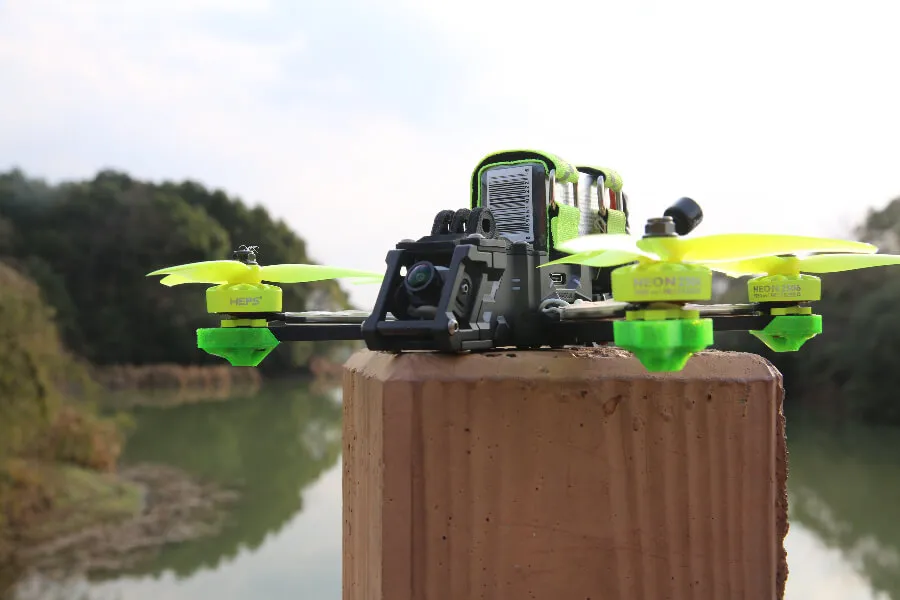
Step-by-Step: How to Waterproof FPV Drone?
Waterproofing an FPV drone mainly involves protecting sensitive electronic components from moisture, corrosion, and short circuits. Below is a practical, beginner-friendly step-by-step guide using conformal coating, the most common and effective waterproofing method for FPV drones.
Step 1: Gather the Required Tools and Materials
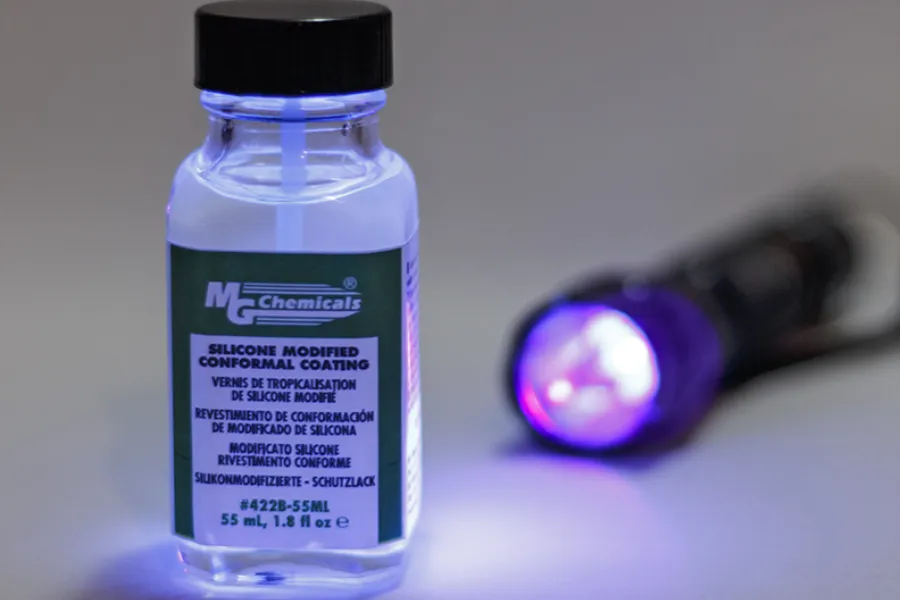
- Conformal coating (silicone or acrylic) — the main material for waterproofing.
- UV light — a small UV flashlight works best; kids’ UV pens or strong blue LEDs also help check coverage.
- Clean, ventilated workspace — prevents fumes and dust from affecting the coating.
- Paper towels — catch drips and keep the area clean.
Step 2: Disassemble and Prepare the Drone
It is advisable to apply conformal coating on a quad that has already been constructed because the coating on the solder pads may make further soldering more challenging. If you want to waterproof a drone, you need to first complete its construction and test-fly it to make sure all of its parts are working properly. The conformal coating should then only be used after that. If you redo the soldering on the quad, don’t forget to reapply the coating to any solder joints.
Consider removing any tapes and heat-shrink covering the PCBs on older quads. Before applying conformal coating, properly clean the electronics to remove any dirt. Isopropyl alcohol and an old toothbrush work nicely for this.
Step 3: Mask Areas That Should NOT Be Coated
Not all parts should be waterproofed. Use masking tape to cover:
- Flight controller: boot button, USB port, barometer
- FPV camera: image sensor
- VTX: channel button
- RX: bind button
This prevents functional issues after coating.
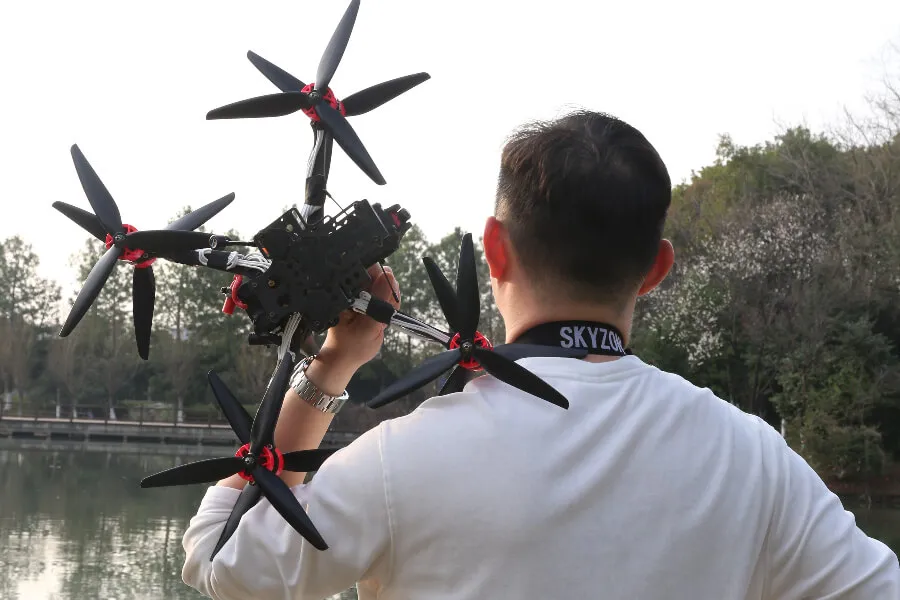
Step 4: Silicone Conformal Coating on PCB
Focus on covering exposed metal surfaces, especially microchip pins, solder pads, solder joints, and other locations that can conduct electricity when wet, when applying silicone conformal coating to your PCB. Like nail polish, apply the conformal coating by brushing it on uniformly to make a glossy, protective covering.
- FPV Camera: We’ll start with the FPV camera because it’s the most difficult component to waterproof on yourfpv. It is advised to disassemble your FPV camera and waterproof the board because water can still enter even if it is completely enclosed, and you cannot see your electronics. It’s crucial to avoid touching the image sensor or applying any conformal coating to it once the main board of your FPV camera has been removed. The image sensor and the socket on the back of your camera are the only two places where silicone conformal coating cannot be used.
- ESC: It’s not too difficult to waterproof the ESC. Apply conformal coating everywhere, but avoid getting any inside the plug. If you do, your FPV drone might not function because the plug’s pins won’t make contact with one another. Never forget to add conformal coating to the solder on the motor wires since you can solder through the silicone conformal coating.
- Flight controller: The flight controller’s only non-conforming areas are the startup button, barometer the USB ports. Once you’ve soldered the receiver, FPV camera, and VTX on, it’s a good idea to apply conformal coating to your fly controller so you can cover the solder joints.
- VTX: Heat shrink is often used to cover VTXs. Since heat shrink holds water, it is actually very harmful if your FPV drone gets even slightly wet. So that the conformal coating may be sprayed everywhere, remove any heat shrink from your VTX. The only areas to avoid getting conformal coating on are the channel
- Receiver: Make sure to avoid the bind button on your receiver since if conformal coating goes there, you won’t be able to attach it to your controller.
Step 5: Checking for Complete Coverage
Use a UV torch to verify full coverage. When exposed to UV light, the coating’s UV tracer fluoresces, making it simple to determine where it has been placed and whether any areas require more coating. Make sure the coated surfaces glow uniformly and consistently.
Step 6: Allow Proper Drying and Curing
Before flying your FPV drone, give the conformal coating around 30 minutes to cure, but if you want to be safe, you might let it dry overnight. Usually, one layer is plenty, but you can add another for extra protection if you think you need more coverage or if you think you missed any locations.
Step 7: Reassemble and Test
After curing:
- Remove masking tape
- Reassemble the drone
- Power on without propellers first
- Check receiver, motors, and OSD for normal operation
Once everything works correctly, your FPV drone is ready for wet grass, light rain, snow, or humid conditions.
Precautions for Waterproof and Conformal Coating FPV Drone
While conformal coating offers excellent protection for your FPV drone’s electronics in wet environments, applying it requires careful attention to safety and potential risks. Here are some key precautions to consider:
Avoid Sensitive or Heat-Critical Components
When waterproofing an FPV drone, avoid applying conformal coating to components that rely on airflow or exposed sensing surfaces.
- Do not coat barometers, microphones, LED indicators, USB/SD ports, or heat-dissipating chips.
- Mask these areas with tape before coating, and verify functionality after curing.
- Avoid coating antennas or sensor surfaces to prevent signal interference or inaccurate readings.
This simple step helps ensure effective waterproofing for FPV drone electronics while maintaining long-term reliability.
Health and Safety
- Ventilation: Conformal coatings often contain solvents and fumes that can be harmful if inhaled. Always work in a well-ventilated area and wear appropriate personal protective equipment (PPE), including gloves, safety glasses, and a respirator.
- Skin and Eye Contact: Avoid skin and eye contact with the coating. Wear gloves and safety glasses during application and wash thoroughly with soap and water if contact occurs.
- Fire Hazard: Some conformal coatings are flammable. Keep away from open flames and heat sources during application and storage.
Electronic Compatibility
- Check that your coating is compatible with your FC, ESC, and other components.
- Test on a small, non-critical area first.
- Mask buttons, connectors, or other parts that shouldn’t be coated.
Application and Maintenance
- Preparation is Key: Clean and dry your electronics thoroughly before applying the coating. Dust, dirt, or moisture can compromise the coating’s effectiveness.
- Follow Instructions: Carefully read and follow the manufacturer’s instructions for application thickness, drying time, and any additional steps.
- Thin Coats are Best: Apply multiple thin coats instead of one thick layer to ensure even coverage and prevent clumping.
- Test After Application: After the coating dries, test your drone’s functionality to ensure it operates normally.
- Maintenance and Recoating: Conformal coating may degrade over time, especially after exposure to harsh environments. Regularly inspect the coating and consider reapplying it when necessary.
Additional Tips
- Practice applying the coating on a scrap piece of electronics before working on your actual drone.
- Consider using a coating specifically designed for FPV drones or electronics applications.
- Store leftover coating in a sealed container in a cool, dry place.
- Dispose of used materials and rags according to local regulations.
By following these precautions and approaching the application with care, you can effectively protect your FPV drone from water damage while ensuring your own safety and the proper functioning of your electronics.
How to Remove Silicone Conformal Coating FPV Drone?
Use isopropyl alcohol with a brush (or cotton swap) to remove silicone conformal coating if you mistakenly coated solder pads or if you need to do so for any other reason. A hot soldering iron can also be used to burn away the coating.
To take off the coating:
- You should soak a cotton bud in isopropyl alcohol.
- On the PCB where the coating needs to be removed, gently rub the cotton bud dipped in alcohol.
- A light coating can usually be removed with a few gentle rubs
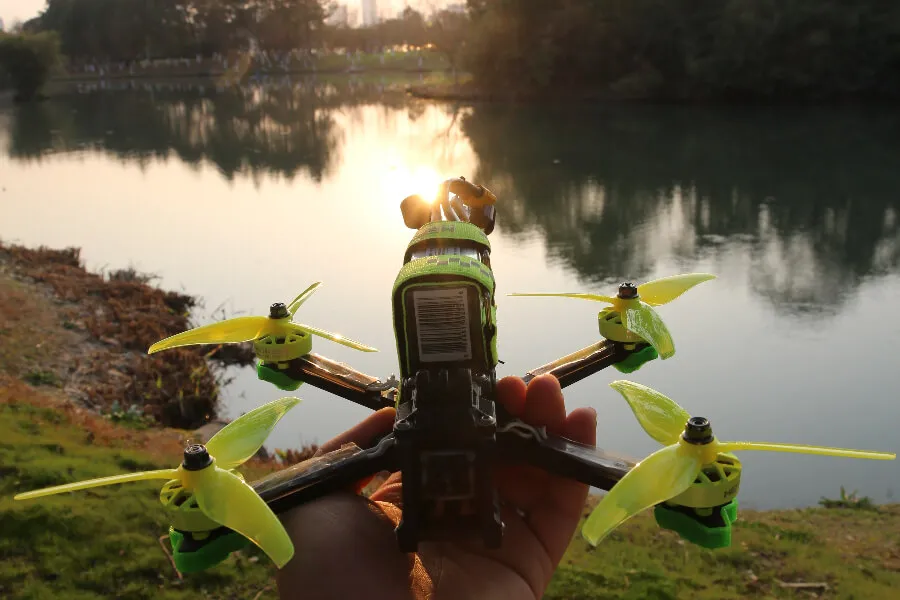
Conformal Coating vs. Other Waterproofing Methods for FPV Drones
There are several ways to protect an FPV drone from moisture, but each method has different trade-offs. Below is a practical comparison to help pilots choose the right solution.
Why Conformal Coating Is the Preferred Waterproofing Method
- Lightweight & Minimal Bulk – Unlike waterproof housings or full encapsulation, conformal coating adds almost no weight, preserving flight performance.
- Covers Complex Electronics – Easily applied to ESCs, flight controllers, and VTX boards, even around small components.
- Maintains Heat Dissipation – Silicone or specialized coatings handle heat better than bulky waterproof cases.
- Cost-Effective – Cheaper than custom waterproof enclosures or fully sealed drones.
- Customizable – You can selectively coat only sensitive electronics, leaving connectors or sensors exposed as needed.
- Durable Against Moisture & Corrosion – Protects against water, humidity, and dust for longer component life.
Conformal Coating vs. Waterproof Enclosures
- Advantages of Waterproof Enclosures: These provide strong physical protection, preventing not just moisture but also dust, dirt, and physical damage. Enclosures are perfect for extreme weather or environments where your drone might be exposed to heavy rain or dust.
- Disadvantages: They add weight and bulk to the drone, which can affect flight dynamics, maneuverability, and overall performance. They can also impede airflow and cooling, which is critical for high-performance drones.
Conformal Coating vs. Battery Waterproofing
- Battery Covers/Enclosures: Protecting your drone battery with waterproof bags or covers ensures that moisture doesn’t affect the battery’s performance, but these don’t provide protection for other components like the flight controller. Conformal coating protects the internal electronics but doesn’t affect the battery directly.
- Conformal Coating: While it’s effective for protecting electronics, it doesn’t address issues like battery overheating caused by insufficient airflow.
FAQ
What to Do If You Crash Into Water?
If your FPV drone gets Wet, take these steps:
- As soon as possible, take the FPV drone out of the water and unplug the battery.
- To get rid of minerals, rinse the FPV drone with distilled water. Even better is to use isopropyl alcohol to clean the electronics only, NOT the motors.
- Let the FPV drone totally dry. It is not possible to utilize rice; instead, use a fan and allow the area to air dry for at least a day.
Does Conformal Coating Affect Drone Performance?
When applied correctly, conformal coating does not negatively affect FPV drone performance.
- Heat: Thin, even layers do not cause overheating
- Signal: No interference if antennas and sensitive areas are left uncoated
- Weight & Flight: Adds negligible weight and doesn’t impact handling
Problems only occur if the coating is applied too thickly or on heat- or signal-critical components.
Can You Fly FPV Drone in the Rain?
Yes — with limitations.
- Conformal coating protects electronics, not cameras or connectors
- Suitable for light rain or wet grass, not full submersion
- Expect reduced visibility, thrust, and signal range
- Always dry the drone immediately after flying
Conformal coating helps, but it’s an extra layer of protection—not full waterproofing.
Conclusion
To increase the longevity of your FPV drone electronics and guard against moisture-related damage, you must waterproof FPV with silicone conformal coating. You can make sure your FPV drone remains operational and prepared for your next journey by following the guidelines and instructions provided in this article. A happy flight.
Want to get a free FPV drone component for testing and share your honest feedback to help us improve product quality? Just join the MEPSKING VINE VOICE. For specific event details and rules, please click the image link below.