
Is it better to buy an already-built FPV drone or construct your own from the ground up? What distinguishes the FPV drone kits made by BNF, RTF, and PNP? We’ll explain the meaning of these acronyms and how they affect your purchasing decision in this post.
BNF RTF PNP FPV Drone?
BNF FPV Drone
What is BNF FPV Drone?
What does BNF mean in FPV drones? BNF stands for Bind-N-Fly, meaning it’s ready to fly after binding to the remote controller.
A BNF FPV drone refers to a prebuilt FPV drone that can be bound and flown immediately. All components of the drone are included and fully assembled. However, the remote controller is not included in the BNF FPV drone kit. Naturally, the receiver that comes with it needs to work with your remote. You must complete the “binding” procedure and channel assignment before your first flight.
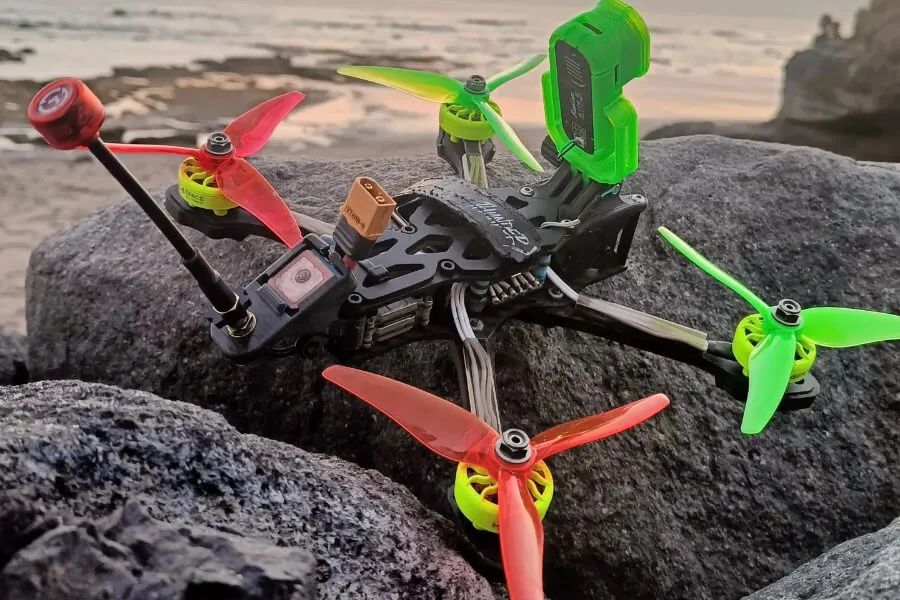
What’s Included in A BNF FPV Drone Kit?
- Frame (pre-built)
- Motors installed
- ESC + Flight Controller stack wired and configured
- Pre-Installed FPV camera
- Props
- VTX (video transmitter) pre-installed
- Receiver
- GPS (on long-range models)
- Basic accessories
But these are not included in most BNF FPV Drone kit:
- Radio transmitter (remote controller)
- FPV goggles
- Batteries
- Battery charger
- Tools
RTF FPV Drone
What is RTF FPV Drone?
What does RTF mean in FPV? RTF is an acronym for “Ready-to-Fly.” RTF drone kits come with everything you need to get going, including the drone, a radio controller, FPV goggles, a receiver, a battery, and a charger.
A lot of FPV drone RTF kits also come with goggles. It provides you with peace of mind and eliminates the need for additional purchases. Even though the equipment is basic in nature and of low quality, it will get you started on a tight budget. But in my experience, if a rookie pilot takes to the skies frequently, they would outgrow the goggles and radios included with RTF kits in a matter of months, so you’d eventually have to shell out more money for better equipment if you want more features.
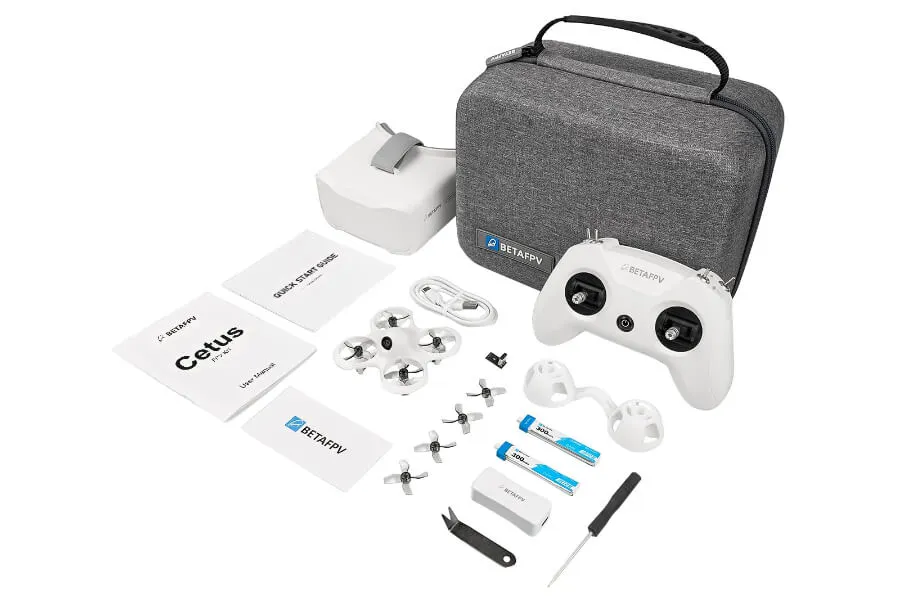
What’s Included in A RTF FPV Drone Kit?
- Frame pre-built
- Motors + ESC + flight controller fully installed
- FPV camera mounted
- Propellers
- VTX (video transmitter) configured
- Receiver bound to the included controller
- All firmware pre-tuned (Betaflight/INAV presets)
- Radio transmitter
- Goggles
- Battery & Charger
- Tools & Accessories
But these are not included in most RTF FPV Drone kit:
- Extra batteries
- Advanced chargers
- High-quality FPV goggles or radio upgrades
- Repair parts
PNP FPV Drone
What is PNP FPV Drone?
What does PNP mean on FPV drone? PNP stands for “Plug and Play,” meaning the drone comes pre-built with most electronic components, such as motors and ESCs, but you need to add and connect your own receiver, transmitter, battery, and goggles to fly.
PNP FPV drones also have a VTX (5.8 GHz video transmitter) and a camera.
This option is ideal for hobbyists who already own some parts or prefer flexibility in choosing compatible components.
By the way, PNF is for Plug-N-Fly, and PNP is pretty much the same.
What’s Included in A PNP FPV Drone Kit?
- Frame assembled
- Motors + ESC + flight controller installed
- FPV camera + VTX wired
- Antenna
- Firmware pre-flashed (usually Betaflight or INAV)
- Props sometimes included, sometimes not installed
But these are not included in most PNP FPV Drone kit:
- Receiver
- Radio Controller
- Goggles
- Battery & Charger
- Tools & Consumables
BNF vs RTF vs PNP
The following table clearly illustrates the differences between BNF, RTF, and PNP:
| Feature / Item | BNF (Bind-and-Fly) | RTF (Ready-to-Fly) | PNP (Plug-and-Play) |
| Drone Assembly | Fully assembled | Fully assembled | Fully assembled |
| Receiver (RX) | Included & pre-installed | Included & pre-installed | Not included – you must install your own |
| Radio Transmitter (Controller) | Not included | Included | Not included |
| FPV Goggles | Not included | Included | Not included |
| Battery & Charger | Not included | Sometimes included (varies by kit) | Not included |
| Props | Usually included | Usually included | Sometimes included |
| Who It’s For | Intermediate pilots with their own radio | Complete beginners who want an all-in-one kit | Pilots who want to pick their own radio system |
| Setup Required | Bind to your transmitter | Charge battery → fly | Install receiver → bind → fly |
| Best Use Cases | Freestyle, racing, cinematic | Beginner training, casual flying | Custom builds, upgrading to preferred radio links |
| Ready to Fly? | Needs binding | Yes | No — needs receiver installation |
DIY FPV Drone
DIY FPV drone means building your FPV drone by yourself. The following components make up an FPV drone:
- Frame: The frame is the supporting structure that holds all the parts together and shields the electronics. selecting a frame for an FPV drone
- Flight Controller: The Flight Controller, or FC, is a drone’s brain; it consists of a CPU that does all computations and sensors that measure things.
- Four Motors
- Propeller: Four propellers, or props, with two CCW and two CW rotations
- Electronics Speed Controllers (ESCs): these devices receive signals from flight controllers to regulate motor speed. There are either four ESCs or one 4in1 ESC.
- LiPo Battery
- VTX Video Transmitter
- FPV Camera
- FPV Antennas
You will also require the following gear in order to operate your quadcopter in first person view:
- Radio receiver (RX) and transmitter (TX)
- FPV Goggles
- LiPo Charger Beeper featuring an integrated battery
Additionally, you ought to get these crucial instruments:
- Using a solder iron and solder
- a set of hex screwdrivers for M2/M3 bolts, such as 1.5mm, 2mm, and 2.5mm
- A propeller nut socket, ratchet, or M5 (8mm) nut spinner (or you may just use your huge pliers)
- cutters of wire
- Ties for cables
- Multimeter with electrical tape and smoke stopper
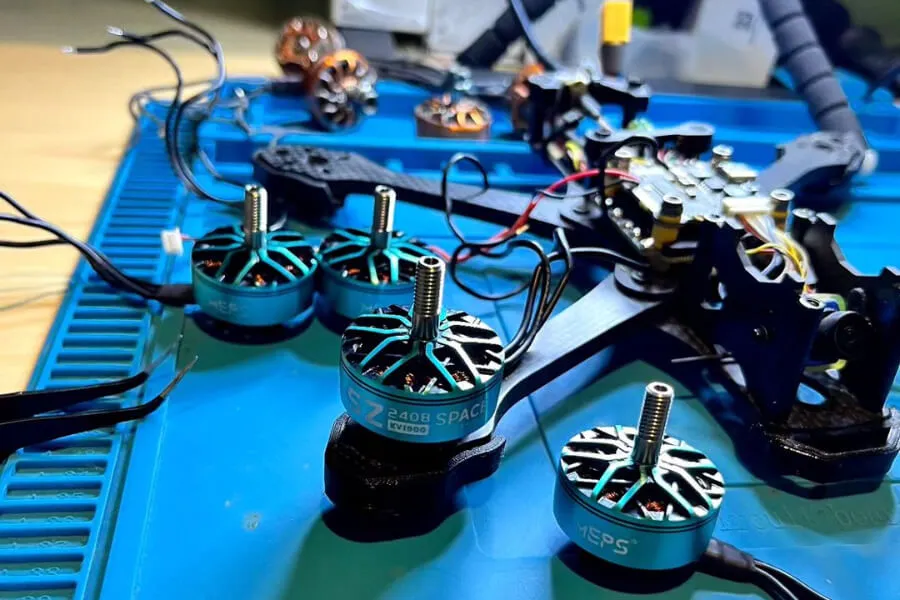
What are the Advantages and Disadvantages of Prebuilt FPV Drone Kit and DIY FPV Drone Kit?
The Advantages of DIY FPV Drone
Building your FPV drone provides a number of advantages.
- Expertise and Skills: You will be able to diagnose, fix, and improve your drone in the future if you have firsthand expertise with the parts and assembly of drones.
- Budget: Since you are not paying someone to create the drone for you, doing it yourself may be more affordable. If you don’t have the required instruments, such as screwdrivers or a soldering iron, it looks less appealing.
- Customisation: You can modify your drone to meet your own requirements and tastes by selecting your own parts. However, if you are unsure of which parts to buy, it can be intimidating.
The Disadvantages of DIY FPV Drone
Here are the disadvantages of DIY FPV drone.
- Time-consuming: For novices in particular, building a drone from scratch can be a laborious task. Every component must be assembled and configured with care.
- Technical Proficiency Needed: A solid understanding of drone technology and how its many components function is necessary to build your own drones. It can be difficult for beginners to learn this high learning curve.
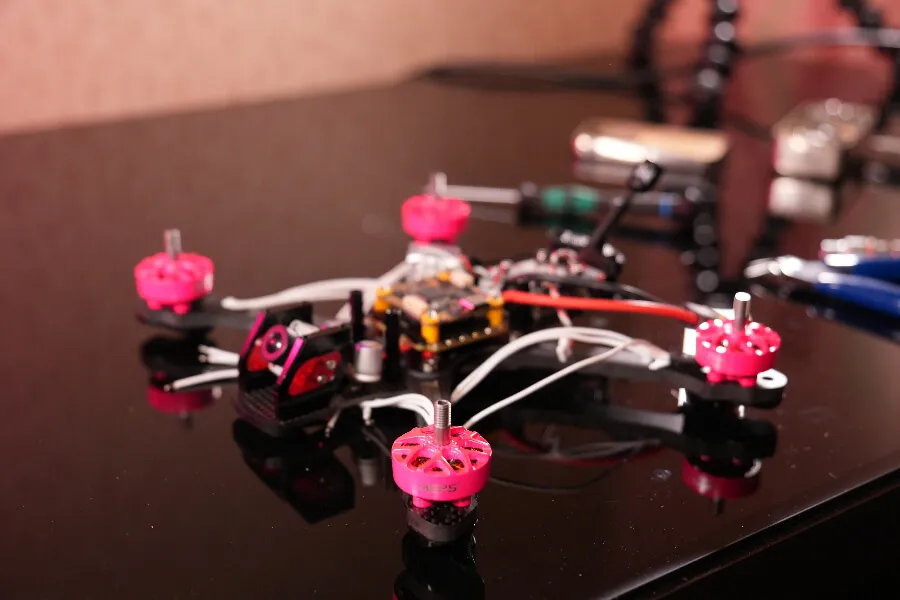
The Advantages of the Prebuilt FPV Drone Kit
Although purchasing prebuilt FPV drones is typically less expensive than purchasing individual parts, this isn’t always the case. It makes sense to separate the expenses and look up the cost of each part. You can make sure you’re receiving the best value for your money in this method.
- Tuning: To save you the trouble, some pre-built drones come with superb tuning right out of the box. But some can fly horribly, so do your research and read my evaluations before committing. This isn’t a guarantee.
- Saves Time: The bother of assembling is avoided with prebuilt drones. For example, the RTF models require very little setup time, so you may take to the air quickly.
- Requires Less Technical Knowledge Drones that are prebuilt, such as RTF and BNF, are a great option for novices because they require less technical expertise.
The Disadvantages of the Prebuilt FPV Drone Kit
- Limited Customisation: There’s usually not much room for customisation when it comes to prebuilt drones. Unless you alter the drone after purchase, you are not able to select the exact parts or components that you want.
- Repairing anything can be challenging for a novice because they don’t have the necessary skills and understanding. Additionally, the drone might be constructed in an unusual fashion, which would make repairs more difficult.
And if you decide to DIY FPV drone, you can join the MEPSKING VINE VOICE program for a chance to apply for free components. This program offers pilots the opportunity to apply for complimentary FPV components—including motors, propeller sets, batteries, and more—while sharing authentic user feedback with the community.

Should You Build or Buy Your First FPV Drone?
Whether you purchase a prebuilt FPV drone kit or build your own drone, the decision primarily comes down to your equipment, budget, and level of familiarity with configuring drones. RTF and BNF FPV kits offer ease of use and an instant, ready-to-fly experience, while custom-manufactured drones offer greater versatility and customisation possibilities.
RTF drones are a great option for anyone who is new to FPV flying or who wants an easy setup. They provide a comprehensive kit that requires little assembly or setup time, allowing you to enjoy flying right away. Though the accompanying FPV goggles and radio controller (remote) may not be the best, they will more than suffice to get you airborne without breaking the bank.
But, you ought to think about creating your own drone if flexibility and customisation are important to you and you don’t mind doing some do-it-yourself work. This will not only enable you to personally select the parts that best suit your needs, but you will also learn everything there is to know about your drone. When it comes time for maintenance and troubleshooting, this comprehensive understanding will be extremely helpful. Ultimately, it’s your decision, and the options are endless!
Conclusion
- Due to their low cost (in comparison to professional racing quads), RTF drone kits are an excellent option for novices who want to get started in the hobby. It’s affordable to make mistakes, crash, and break a few propellers while learning the ropes.
- These kits are more suited for professionals who already own hobby-grade controllers because BNF requires a complex, costly RC (Remote Controller) that calls for expertise and experience.
- ARF or DIY FPV drone kits are excellent for both novice and expert users. While experts enjoy customising their designs, beginners may learn from these kits how to be more knowledgeable about their new technology and anticipate any issues down the road. Additionally satisfying are ARF or DIY drone kits!