Buying Guide: T-HOBBY V3115 Cinematic FPV Motor
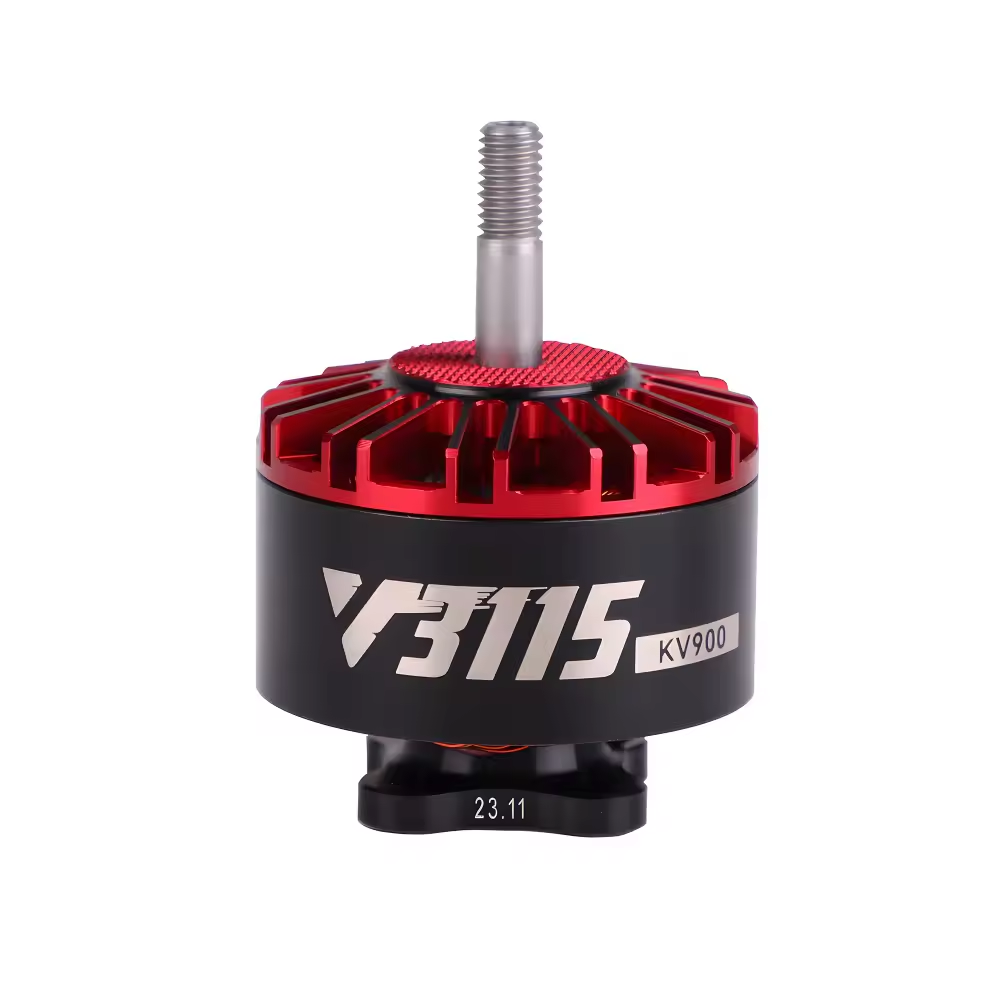
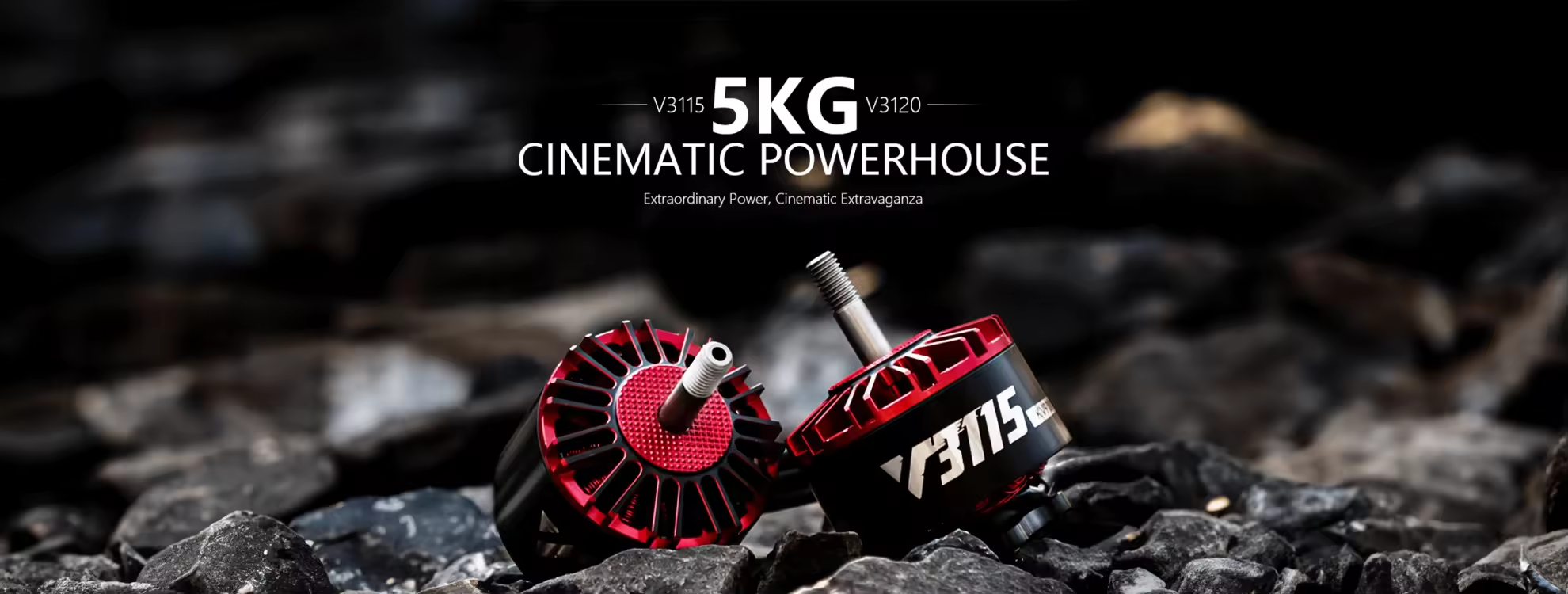
The T-HOBBY V3115 is a large-stator brushless motor designed for heavy cinematic and long-range FPV drones. With a 31×15mm stator, multiple KV options from 400KV to 1050KV, strong torque and an emphasis on smooth, efficient thrust, it is built for larger 7–11 inch platforms where payload capacity, stability and flight efficiency matter more than ultra-fast throttle response.
Choose the V3115 when you are building a heavy cinematic, long-range or X4/X8 platform and need enough motor torque to turn large propellers under load. The four KV options make it possible to match the motor to different battery voltages and propeller sizes. If you are building a lightweight 5-inch freestyle or racing quad, however, the V3115 is substantially larger than necessary and a smaller, higher-KV motor will be a better fit.
MEPSKING Expert Review
The V3115 is not simply a larger FPV motor designed to produce more power. Its main advantage is the combination of large stator volume, torque and controlled power delivery. That makes it particularly suitable for cinematic aircraft carrying heavier batteries, cameras or other onboard equipment.
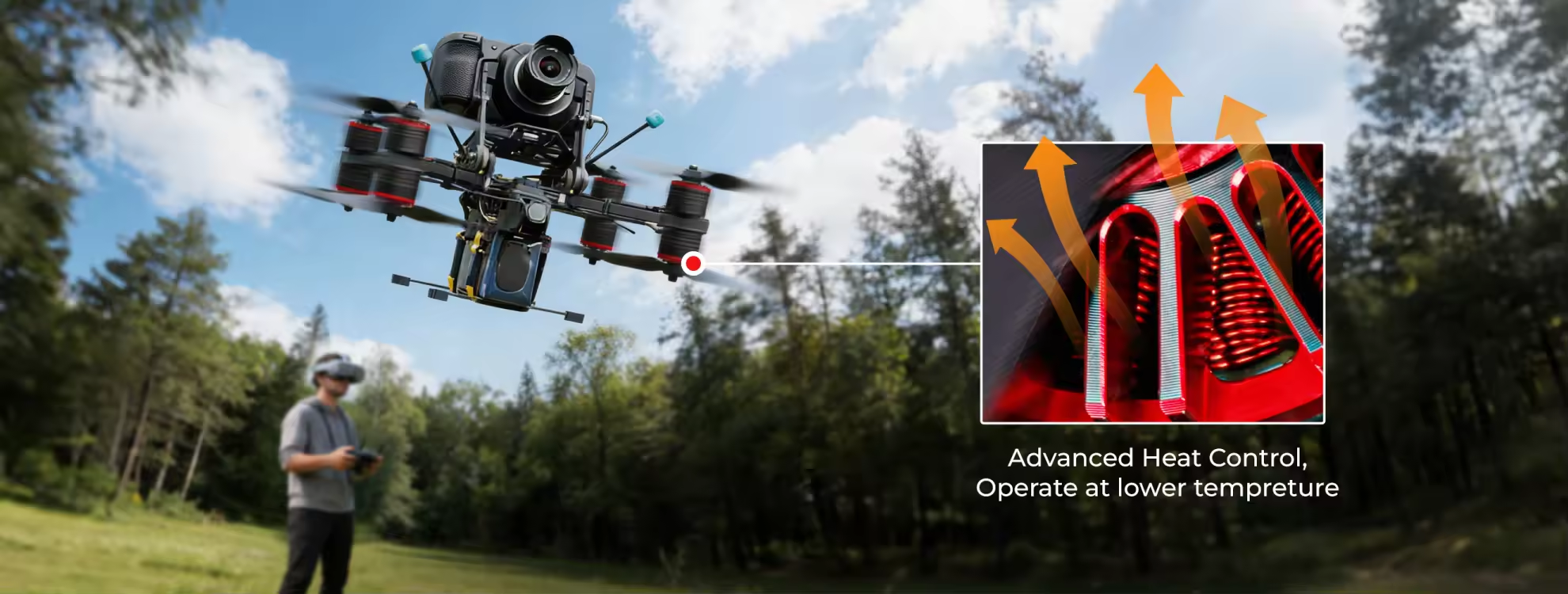
The motor uses a heat-dissipation structure with cooling fins and optimized airflow channels to help control operating temperature during sustained flights. This is especially useful on large cinematic platforms, where motors can remain under load for much longer than they would on a lightweight freestyle quad.
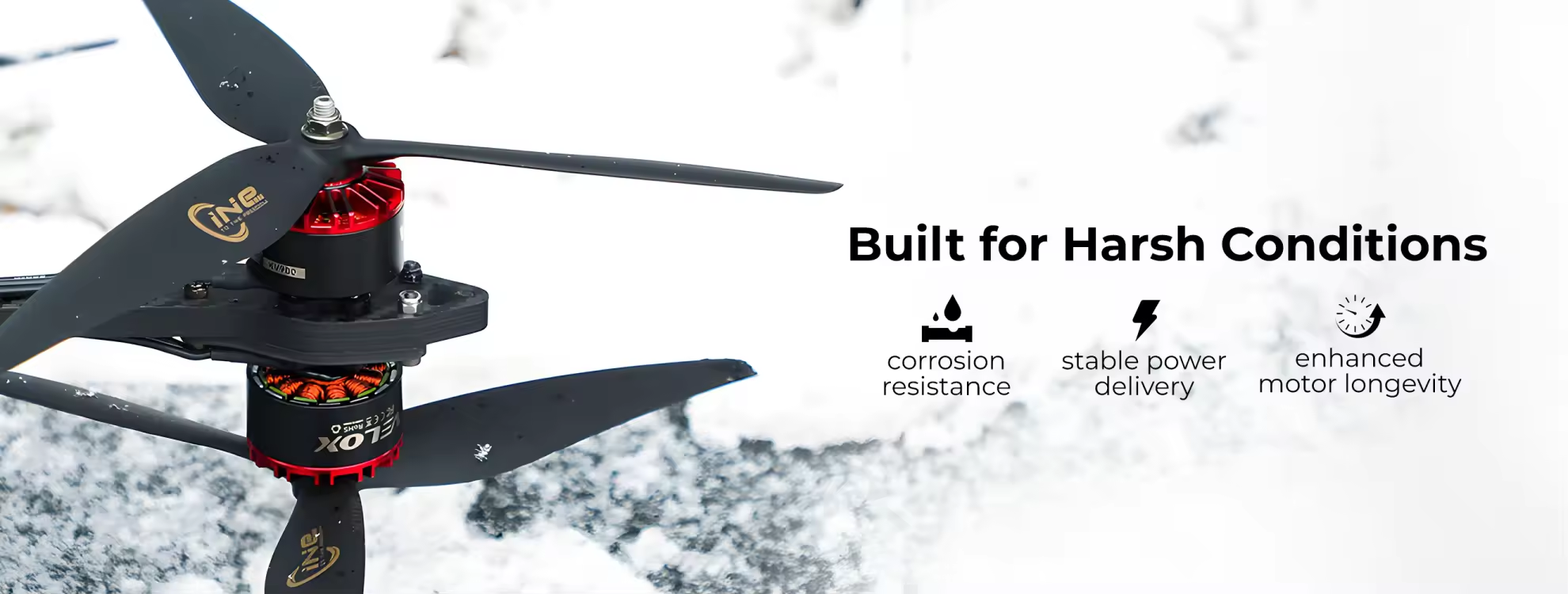
Another distinctive feature is the electrophoresis-treated iron core, which is designed to improve corrosion resistance and maintain stable performance in humid or demanding environments. Combined with the unibell structure, the V3115 is aimed at pilots who value durability and consistent performance over the lowest possible motor weight.
The MEPSKING verdict: the V3115 makes the most sense when your drone needs torque, efficiency and stable thrust for larger propellers. The key buying decision is not whether the motor is powerful enough, but which KV best matches your battery voltage, propeller size and total aircraft weight.
Choosing the Right V3115 KV
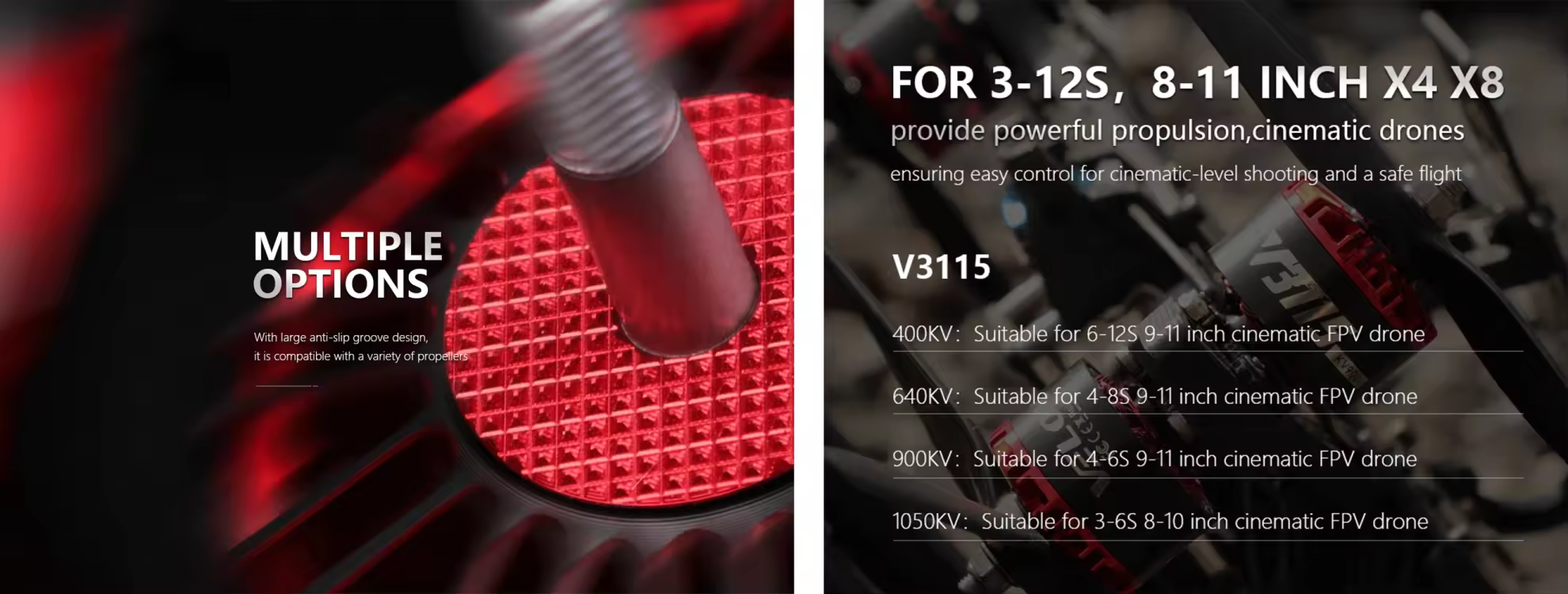
The V3115 is available in 400KV, 640KV, 900KV and 1050KV. Because KV determines the motor's unloaded RPM per volt, lower KV versions are generally better suited to higher battery voltages and larger propellers, while higher KV versions are better suited to lower voltages and applications that require more RPM.
| V3115 KV | Typical Setup | Best Use |
|---|
| 400KV | High-voltage, large-prop setup | Heavy cinematic, X8 and long-flight platforms |
| 640KV | Medium-voltage, large-prop setup | 9–11 inch cinematic and long-range builds |
| 900KV | 4–6S-oriented setup | Cinematic and heavy 8–10 inch builds |
| 1050KV | Lower-voltage, higher-RPM setup | 8–10 inch cinematic or faster heavy builds |
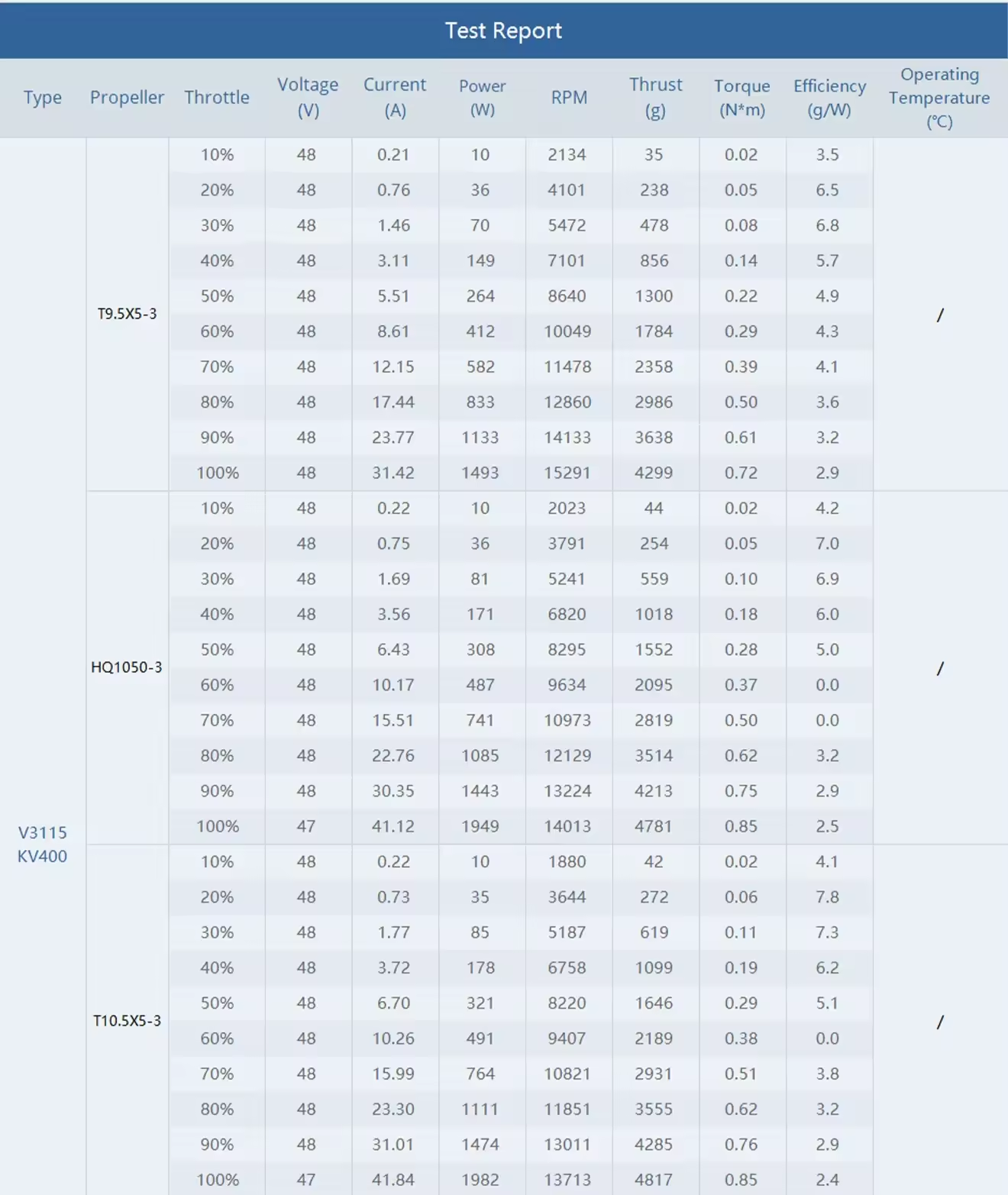
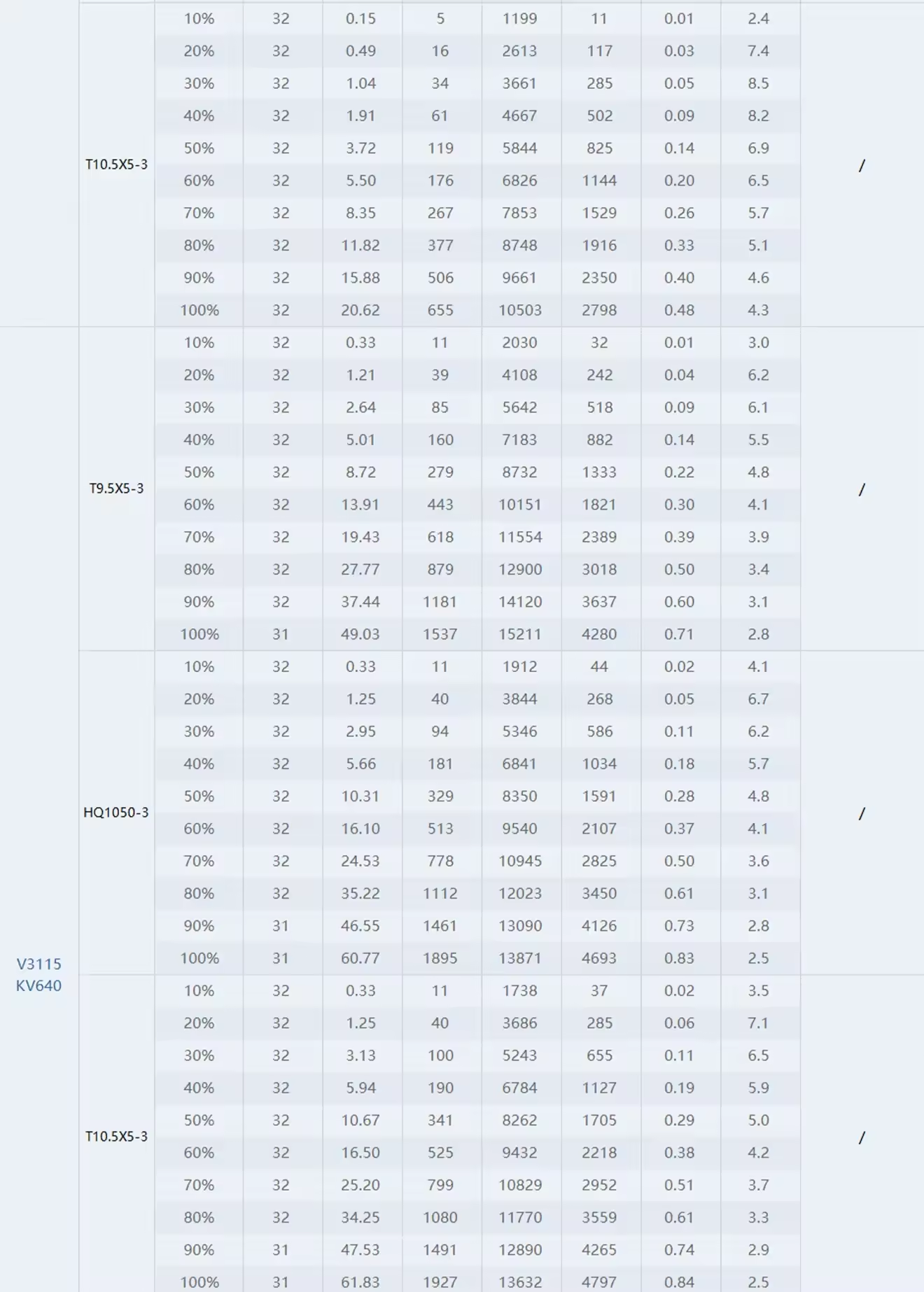
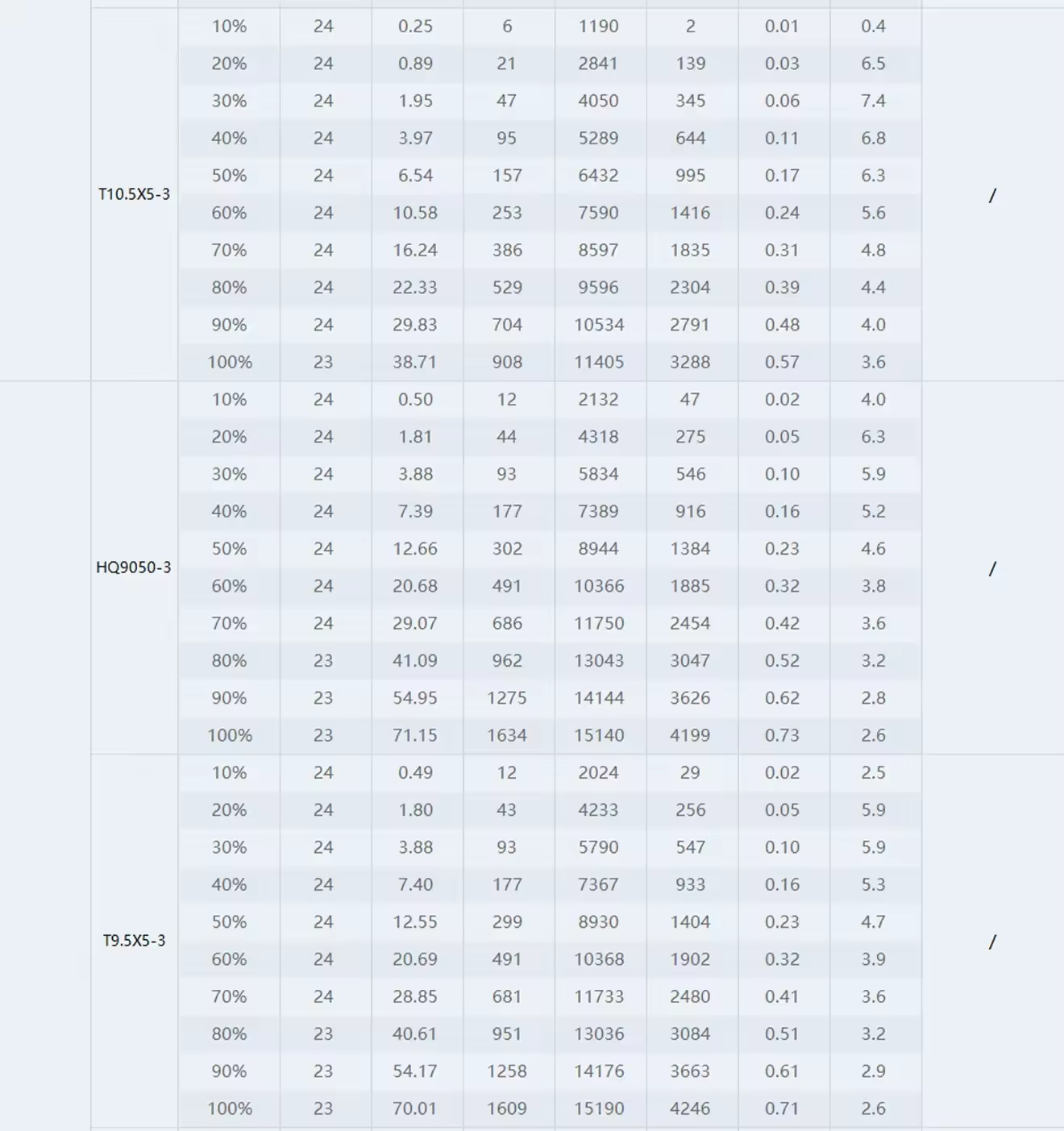
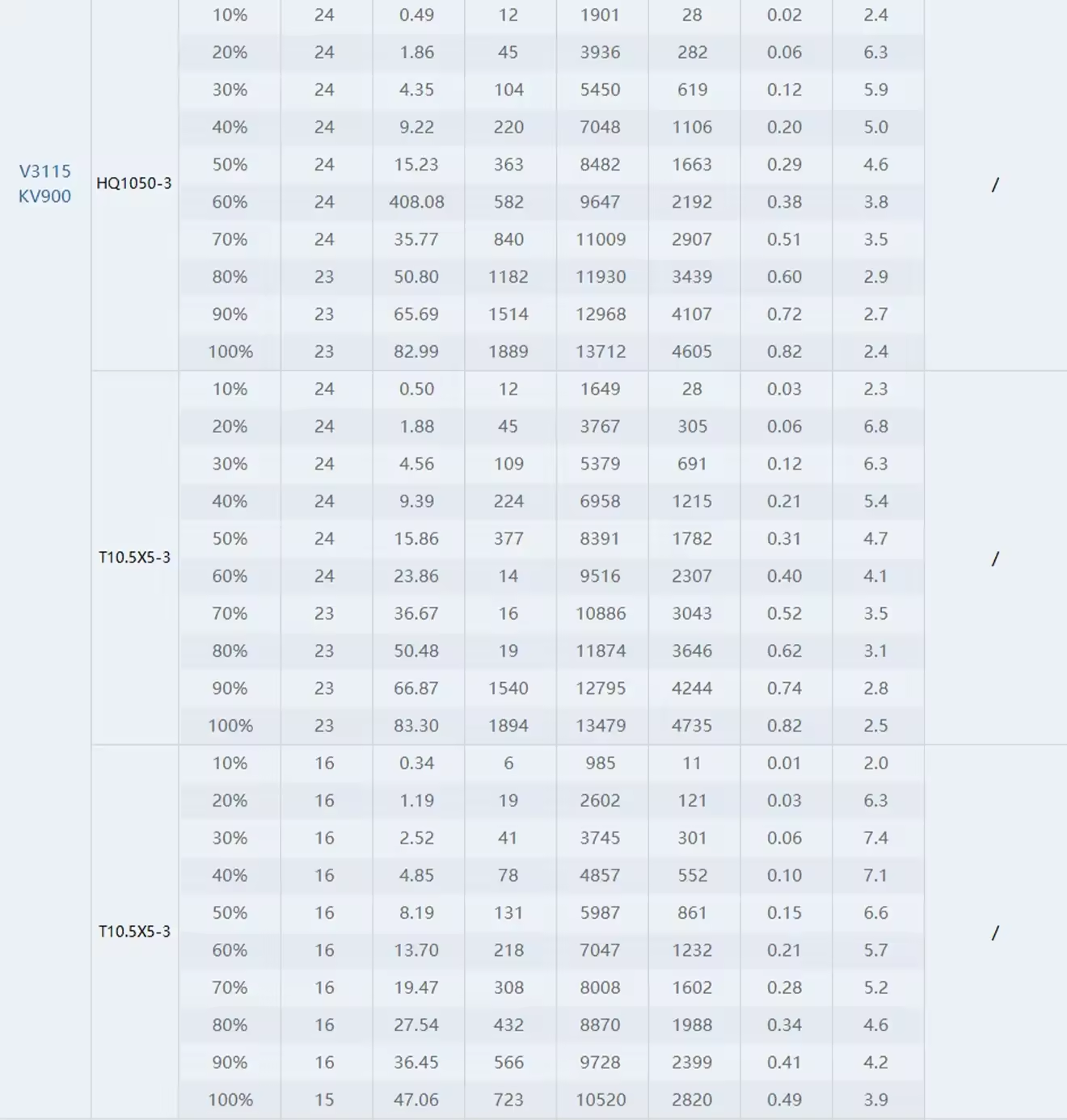
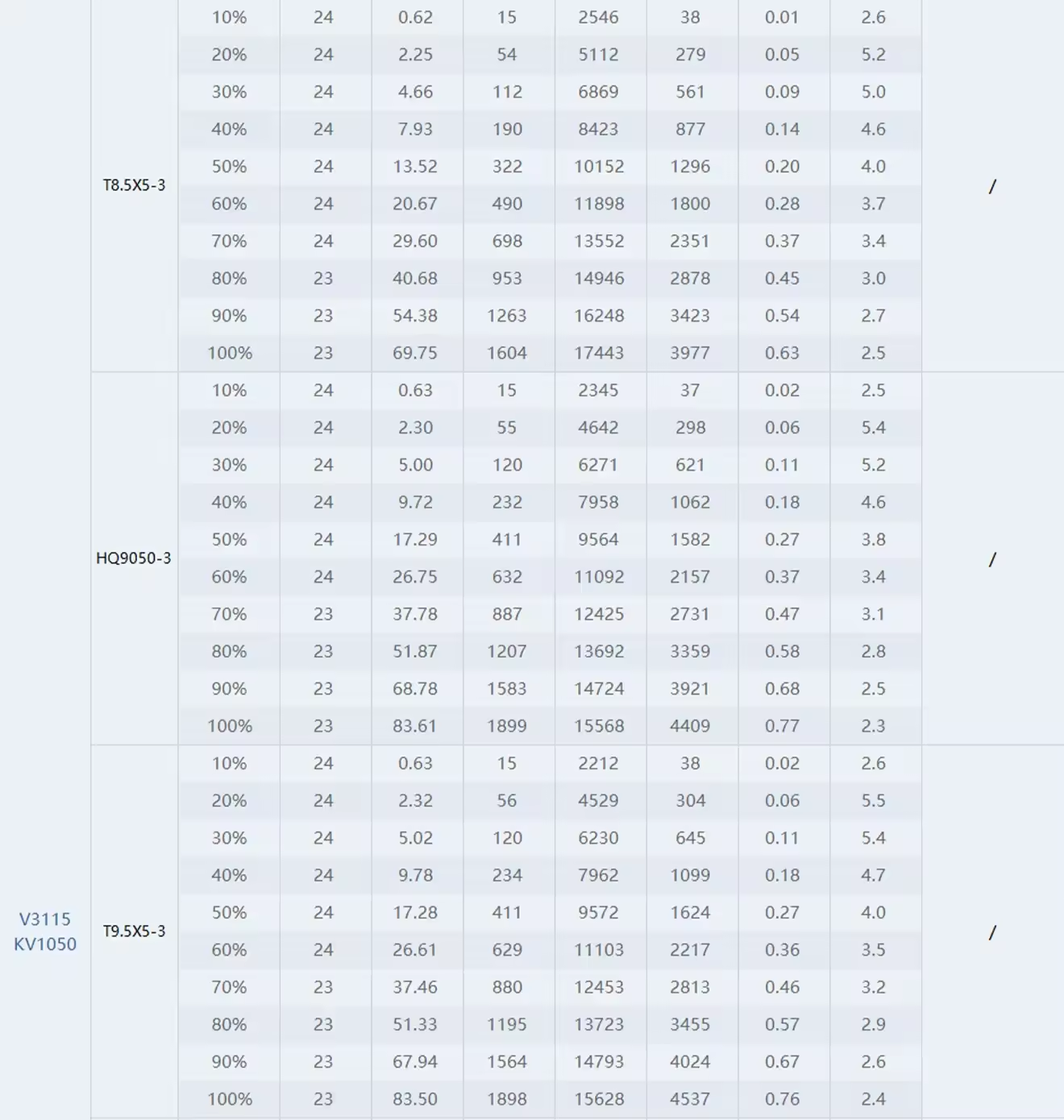
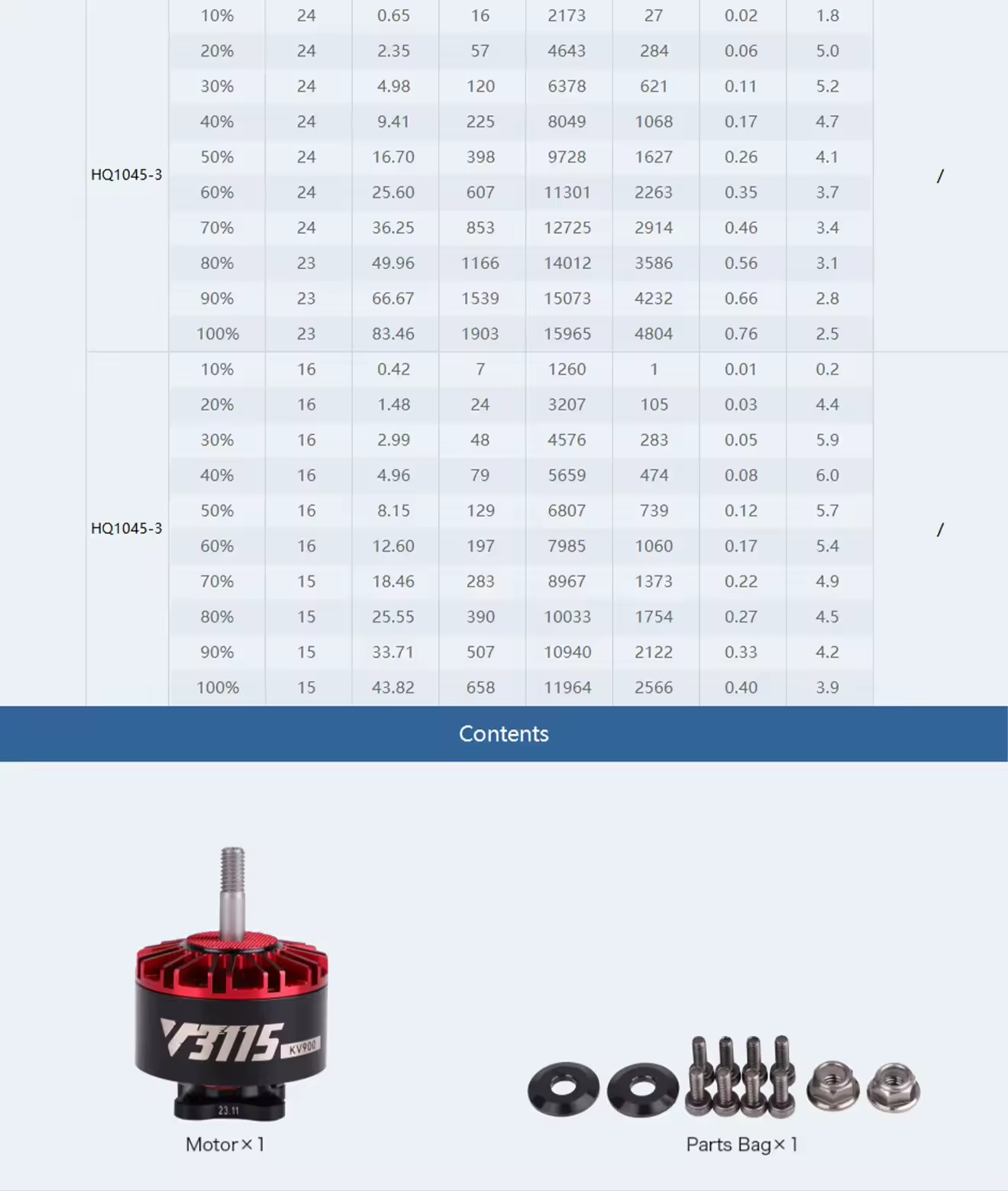
These are setup guidelines rather than fixed rules. Propeller pitch, blade count, aircraft weight and ESC limits all affect the final motor load. Always use the V3115 test data and recommended propeller combination as the final reference before choosing a battery and ESC.
400KV vs 640KV vs 900KV vs 1050KV
400KV: Select 400KV when efficiency, torque and heavy-load operation are the priorities. It is the most natural choice for large-propeller, high-voltage cinematic platforms where low motor RPM and controlled power delivery are preferred.
640KV: The 640KV version provides a middle ground between low-KV efficiency and higher-RPM performance. It is a practical choice for pilots building 9–11 inch cinematic or long-range aircraft and looking for a flexible all-around configuration.
900KV: The 900KV option is better suited to lower-voltage setups where the aircraft needs more RPM from a large propeller. It can be a good match for 8–10 inch cinematic platforms that need a balance between smoothness and responsive power.
1050KV: The highest-KV option is aimed at pilots who want stronger RPM and more aggressive response from an 8–10 inch platform. It is useful when speed and throttle response are more important than maximizing efficiency, but current draw and ESC capacity need closer attention.
What Makes the V3115 Different?
Large 31×15mm Stator: The large stator provides the torque needed to turn larger propellers and maintain stable thrust when a cinematic aircraft is carrying a heavier battery or camera payload.
Advanced Heat Dissipation: Cooling fins and airflow channels are designed to move heat away from the motor during sustained operation. This is particularly valuable for cinematic flights where the motors can remain under load for extended periods.
Electrophoresis-Treated Iron Core: The treated iron core is designed to improve corrosion resistance and durability, helping maintain stable motor performance in humid or harsh environments.
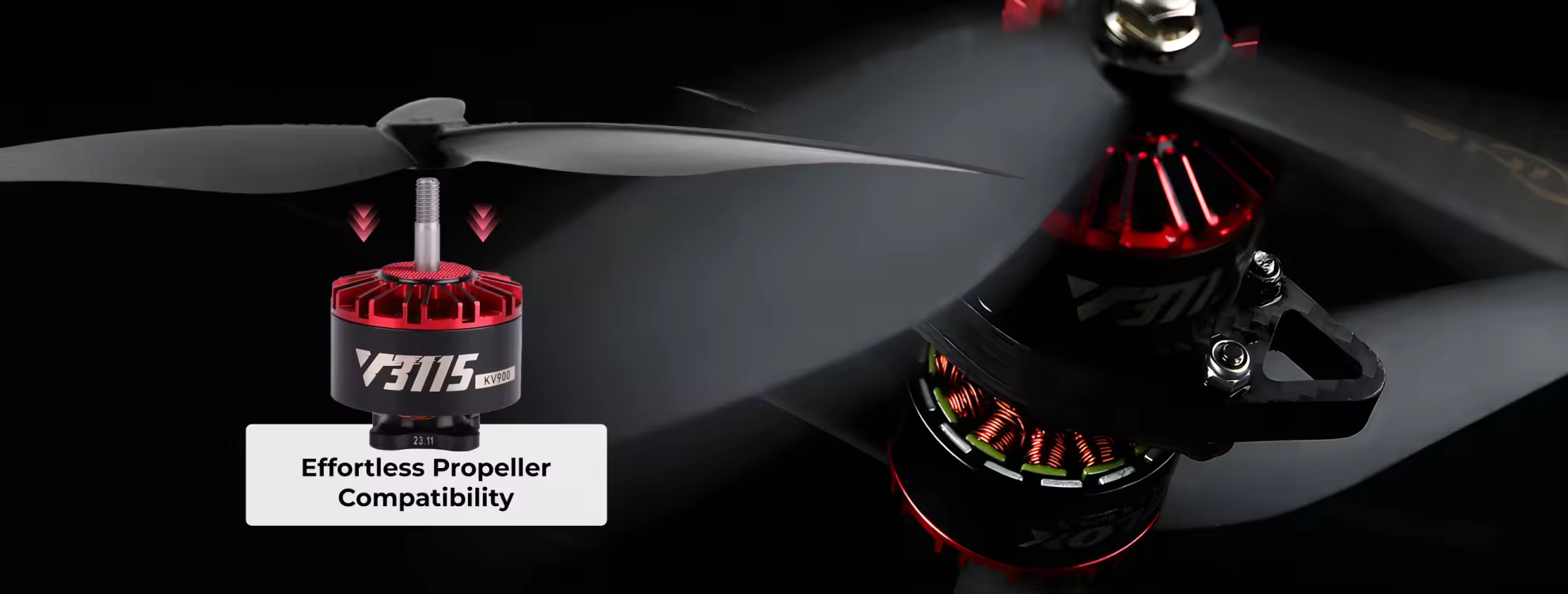
Large Anti-Slip Propeller Groove: The propeller mounting design helps secure larger propellers and makes the motor suitable for a broad range of cinematic and heavy-lift configurations.
V3115 vs Smaller Cinematic Motors
| Motor Type | Typical Platform | Main Advantage |
|---|
| V3115 | 7–11 inch heavy cinematic | High torque, payload capacity and efficiency |
| V2812-class motor | 8–10 inch cinematic | Lower weight and balanced cinematic performance |
| Smaller FPV motors | 5–7 inch lightweight builds | Lower weight and faster response |
The V3115 should not be selected simply because a larger motor sounds more powerful. On a lightweight aircraft, its additional motor weight can reduce efficiency and make the build unnecessarily heavy. Its real advantage appears when the aircraft has enough propeller size and payload to take advantage of the motor's torque.
Who Should Buy the T-HOBBY V3115?
Choose the V3115: If you are building a 7–11 inch heavy cinematic drone, an X4/X8 platform, a long-range aircraft or a rig carrying a GoPro, cinema camera or other additional payload.
Choose a lower-KV V3115: If efficiency, torque and long flight times are your priorities and your battery system supports a lower motor KV.
Choose a higher-KV V3115: If you are running a lower-voltage setup and want more RPM and a more responsive throttle feel from a large-propeller cinematic platform.
Choose a smaller motor: If your aircraft is a lightweight 5-inch or compact freestyle build where low motor weight and fast response are more important than heavy-load torque.
For more options, browse our FPV Motor Collection to compare stator sizes, KV ranges and applications.
How to Match the V3115 With Your Setup
Start with the aircraft rather than the motor. Determine your total takeoff weight, propeller diameter and pitch, battery voltage and the amount of thrust you need. A heavier cinematic drone needs more total thrust reserve than a lightweight long-range build, especially when carrying a camera and flying in wind.
Next, choose the KV according to the battery voltage and propeller. Lower KV is generally better for higher voltage and larger propellers, while higher KV can provide more RPM at lower voltage. Avoid choosing KV based only on maximum RPM because current draw and motor temperature also increase when the motor is pushed beyond its efficient operating range.
The ESC is equally important. Large cinematic motors can draw significantly more current under heavy load, so the ESC should have enough continuous and peak current capacity for the selected KV, propeller and battery combination. Use the manufacturer's motor test data when finalizing the power system rather than relying only on nominal motor specifications.
Before the first full-power flight, perform a controlled hover test and check motor temperature, current draw and vibration. If the motors become excessively hot or the current is significantly higher than expected, reduce propeller load or throttle and re-evaluate the setup.
Still deciding? Browse our FPV Motor Collection and compare motor size, KV, propeller compatibility and flight application before choosing your next cinematic power system.











 Verified