Buying Guide: GEPRC SPEEDX2 1804 2450KV/3450KV Motor
Which GEPRC SPEEDX2 1804 Motor Should You Buy?
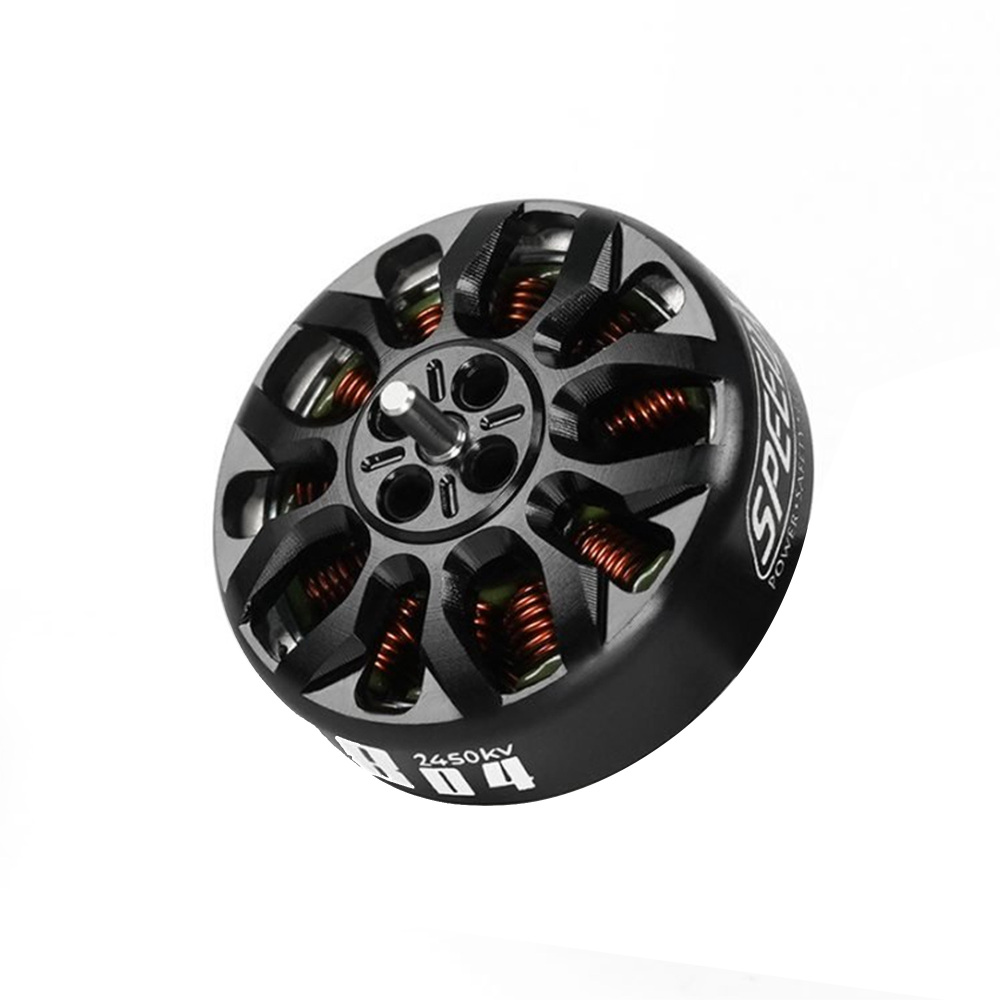
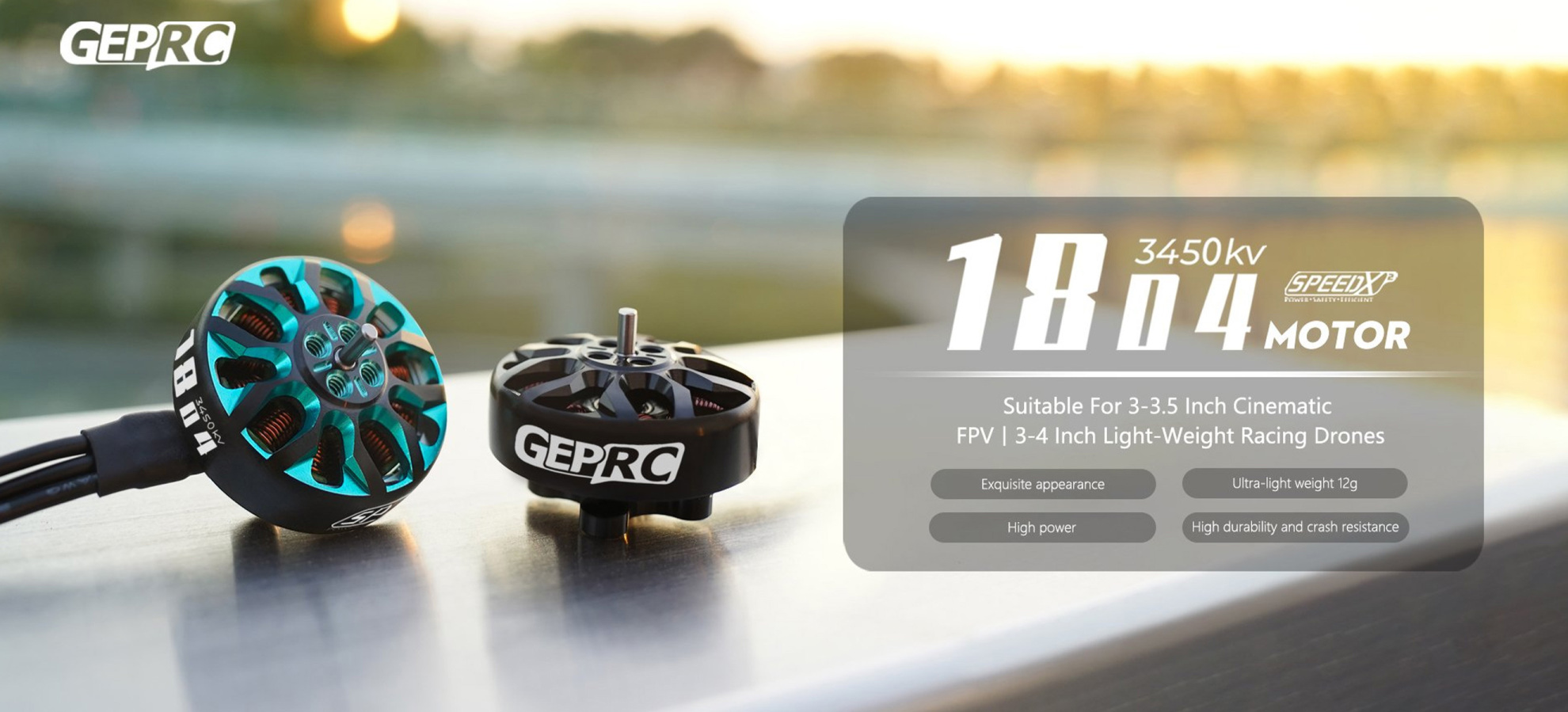
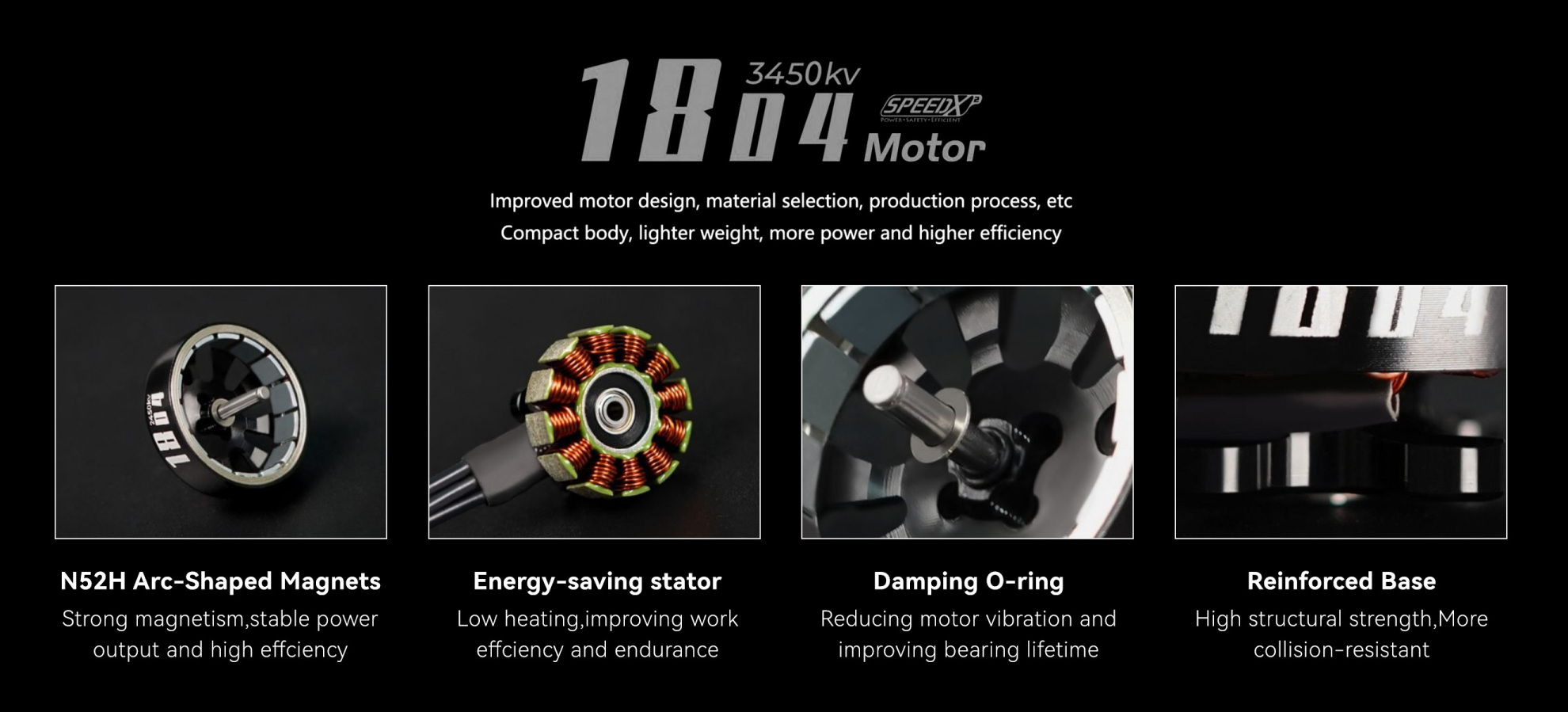
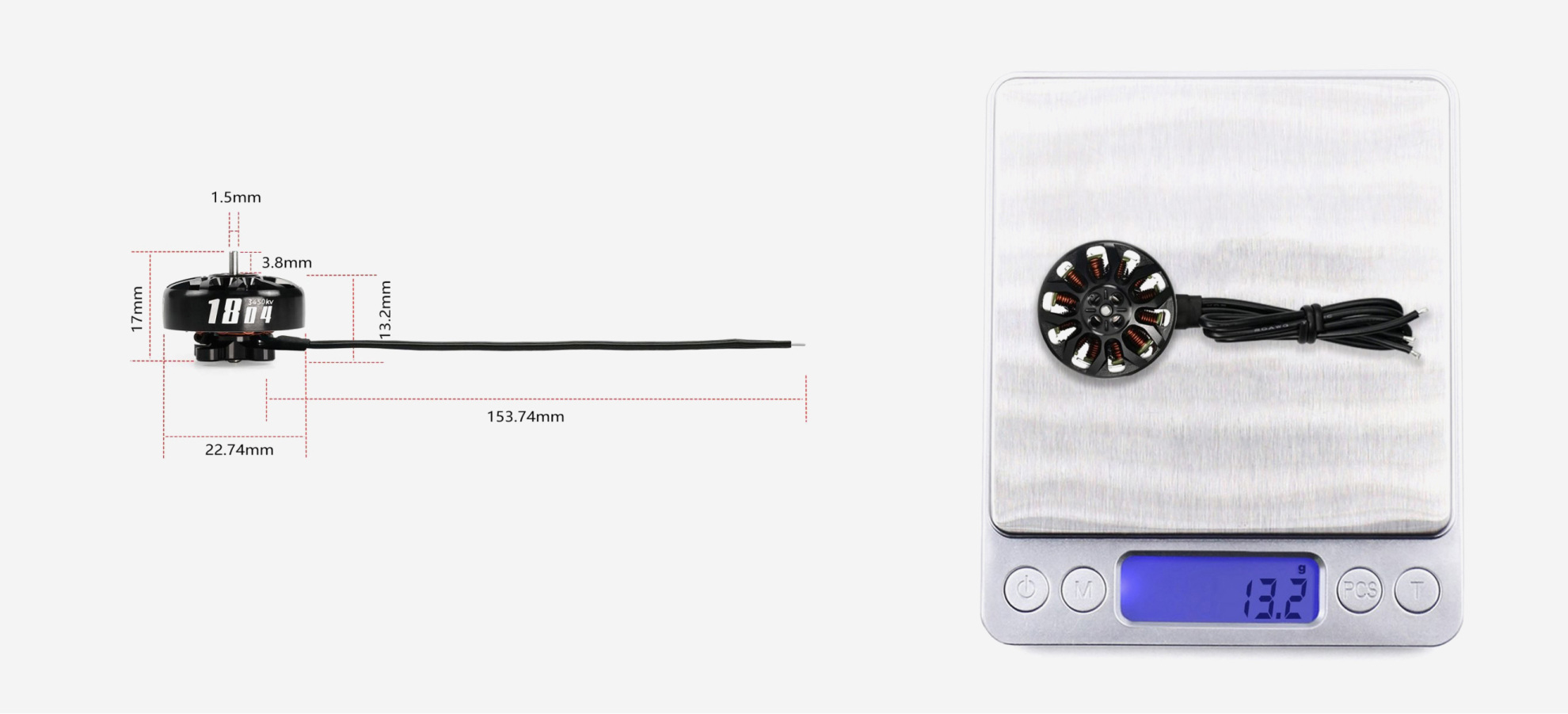
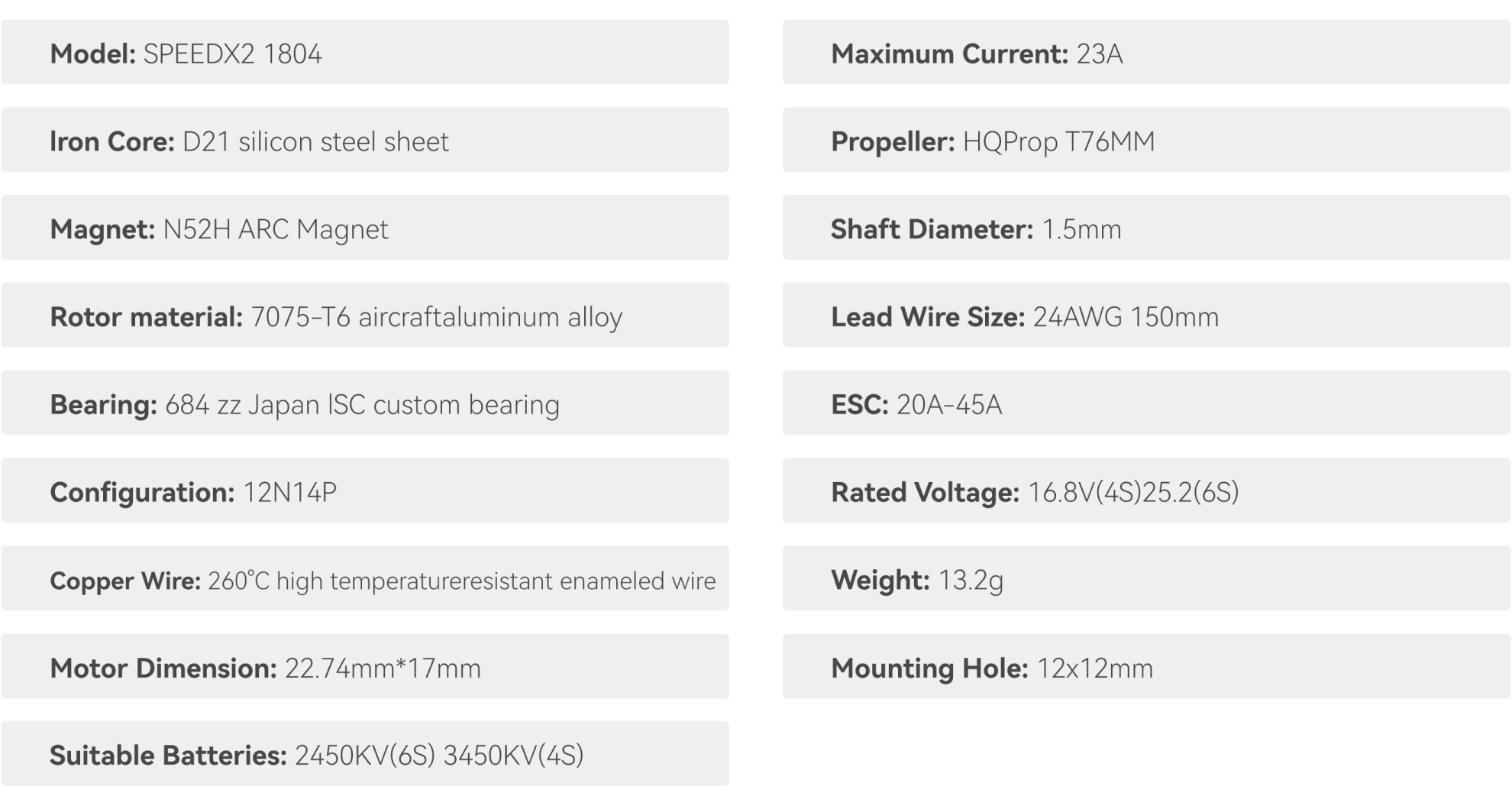
The GEPRC SPEEDX2 1804 is a lightweight brushless motor designed around 3‑inch, 3.5‑inch and 4‑inch FPV builds. With an 18mm stator diameter, 4mm stator height and a weight of only 13.2g including a 13cm motor wire, it is aimed at pilots who want a strong power‑to‑weight ratio without moving to a larger 2004 or 2204 motor. GEPRC also uses a hollowed motor structure, N52H arc magnets and a 7075‑T aviation‑aluminum rotor to balance weight, cooling and mechanical strength.
There are two main KV options, and the choice should be based on battery voltage and propeller size rather than simply choosing the higher KV.
Choose the 2450KV version when efficiency, smoother throttle response and 4S–6S flexibility are more important. This version is particularly interesting for 3.5‑inch and 4‑inch lightweight toothpick, cruising and long‑range builds.
Choose the 3450KV version when you want faster motor response and more aggressive acceleration on a smaller 3‑inch or lightweight 3.5‑inch build. GEPRC specifies this version for 2S–4S operation, making it much better suited to high‑RPM 3S or 4S setups than high‑voltage 6S builds.
How Does the SPEEDX2 1804 Perform?
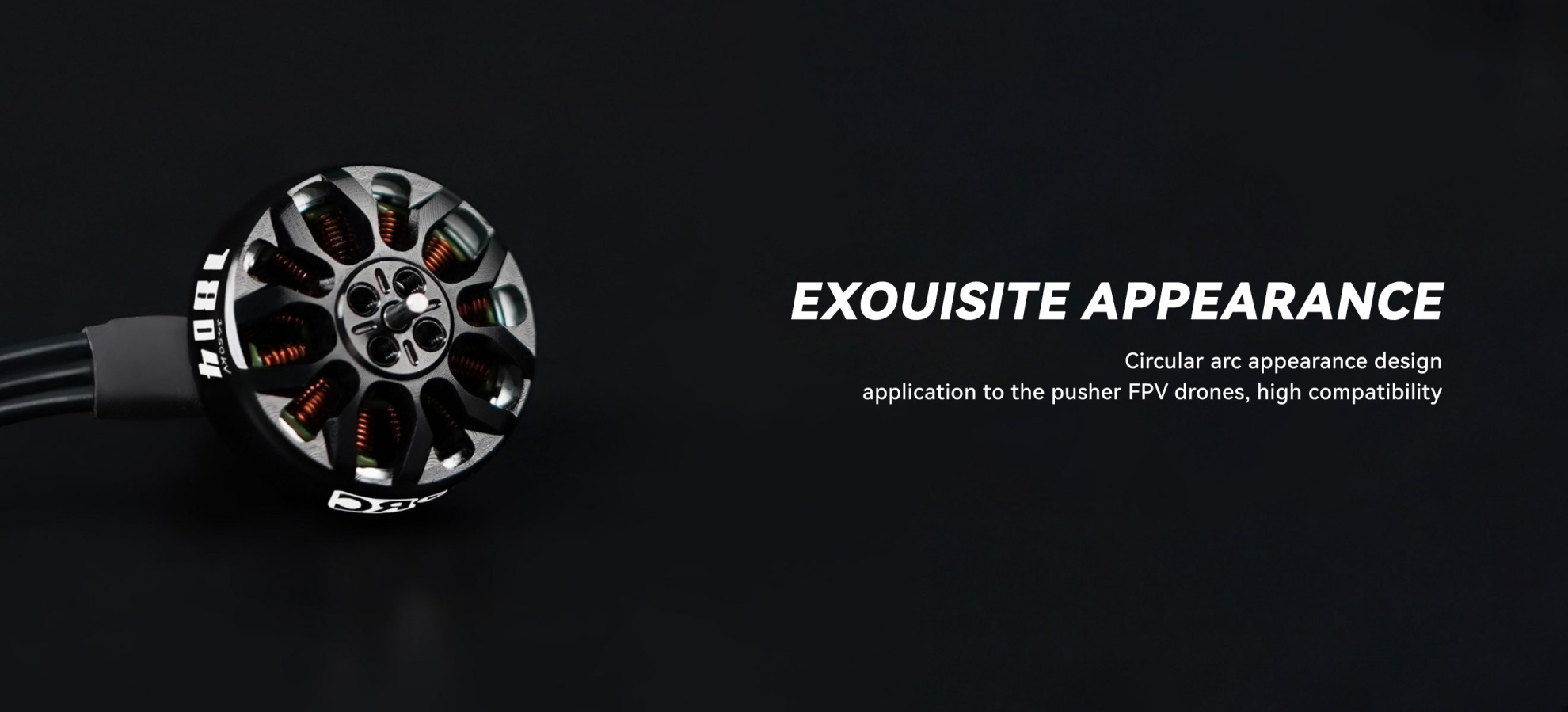
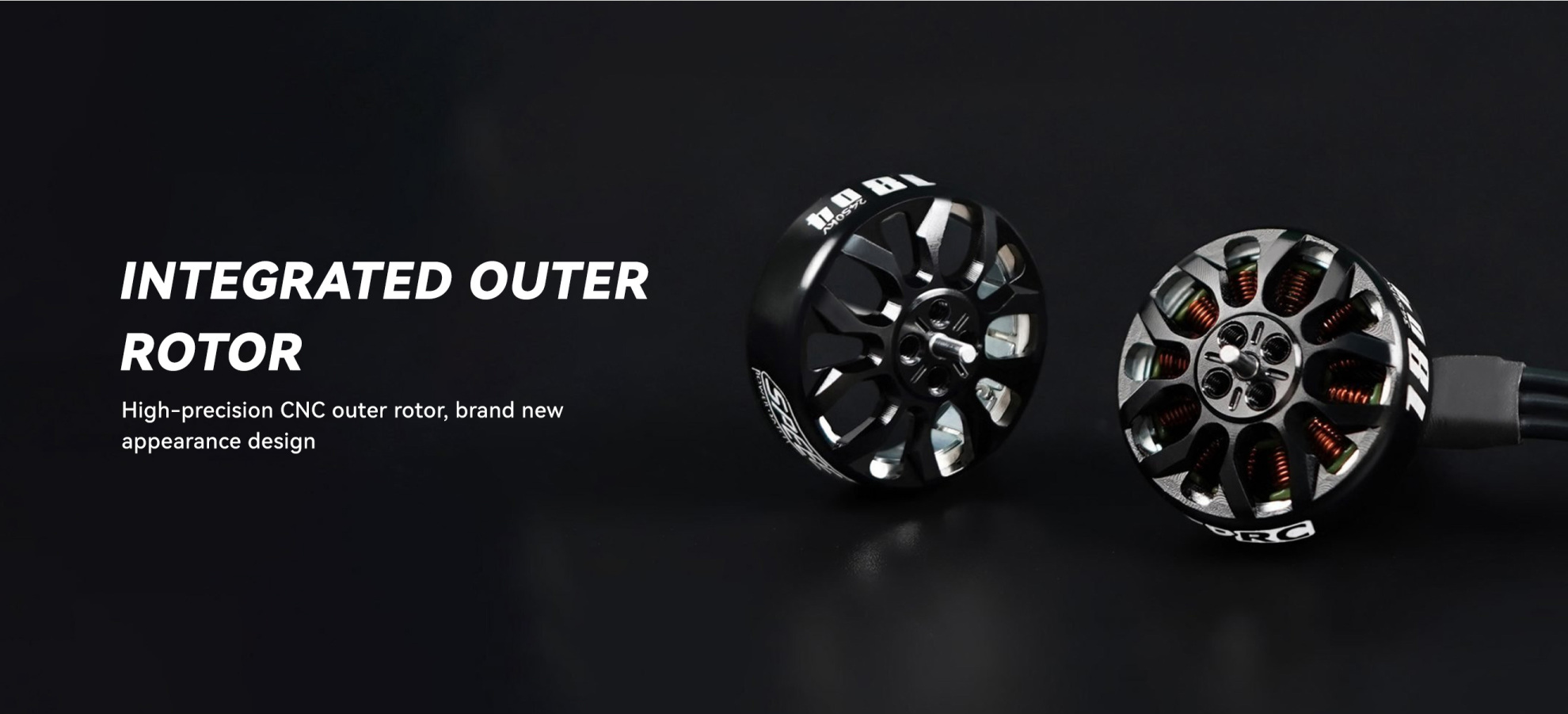
One of the most interesting aspects of the SPEEDX2 1804 is that GEPRC focuses heavily on reducing unnecessary motor weight without simply making the motor weaker. The motor uses a hollowed structure to reduce mass and improve airflow around the motor. The arc‑shaped design is also intended to reduce the possibility of large‑pitch propellers contacting the top of the rotor, which is particularly useful for pusher FPV configurations.
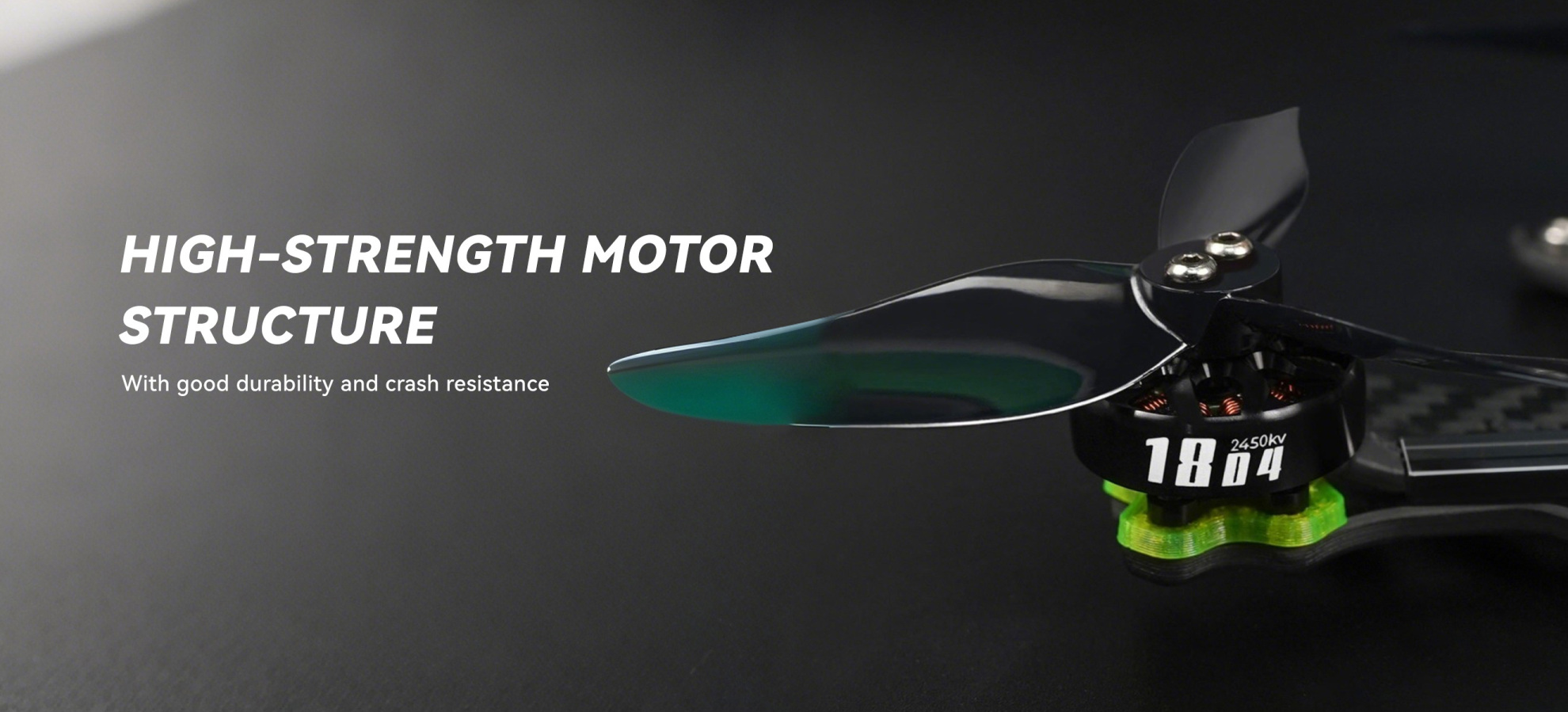
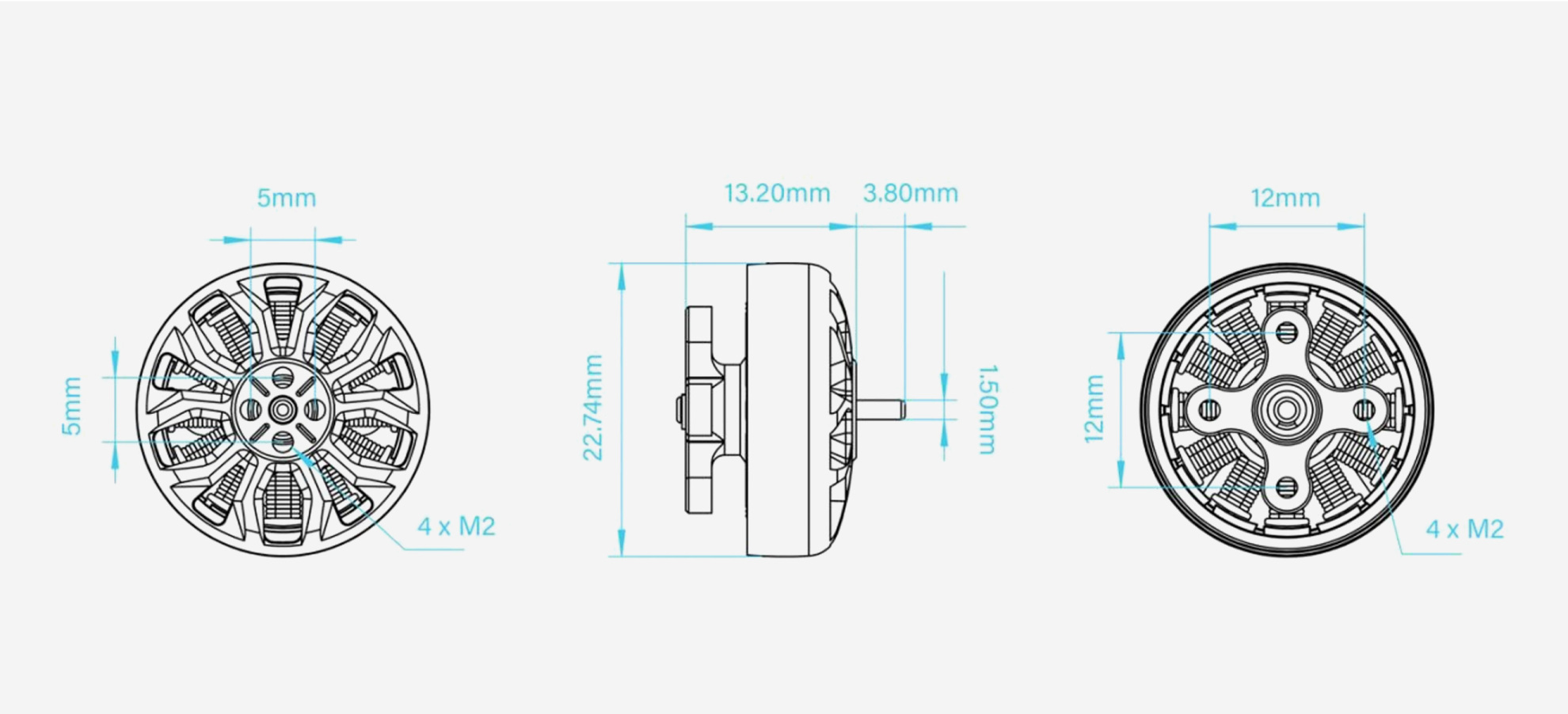
The motor uses a 12N14P configuration with N52H arc magnets and a 12 × 12mm M2 mounting pattern. Its 7075‑T aviation‑aluminum rotor is designed to provide higher structural strength while keeping the motor compact. The combination makes the SPEEDX2 1804 particularly suitable for lightweight builds where every gram matters.
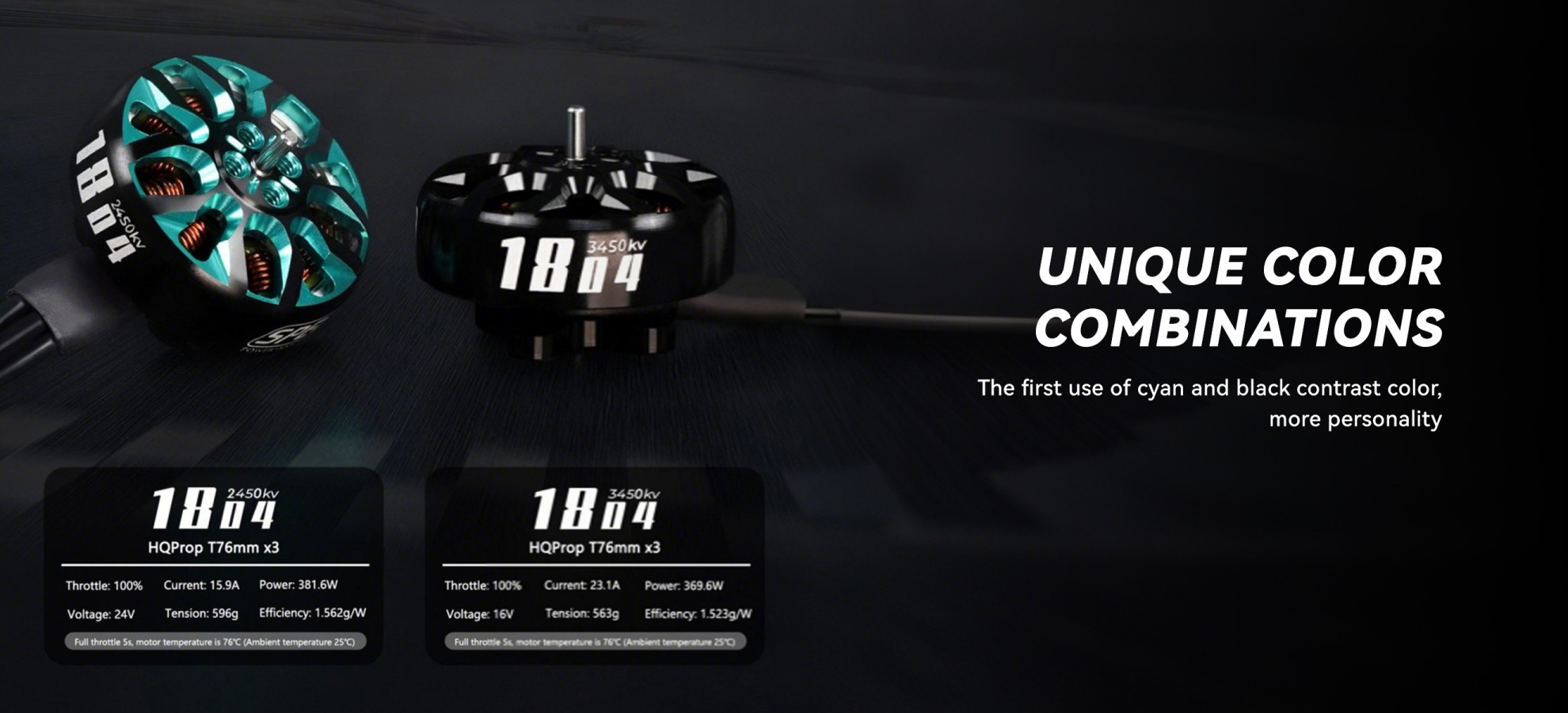
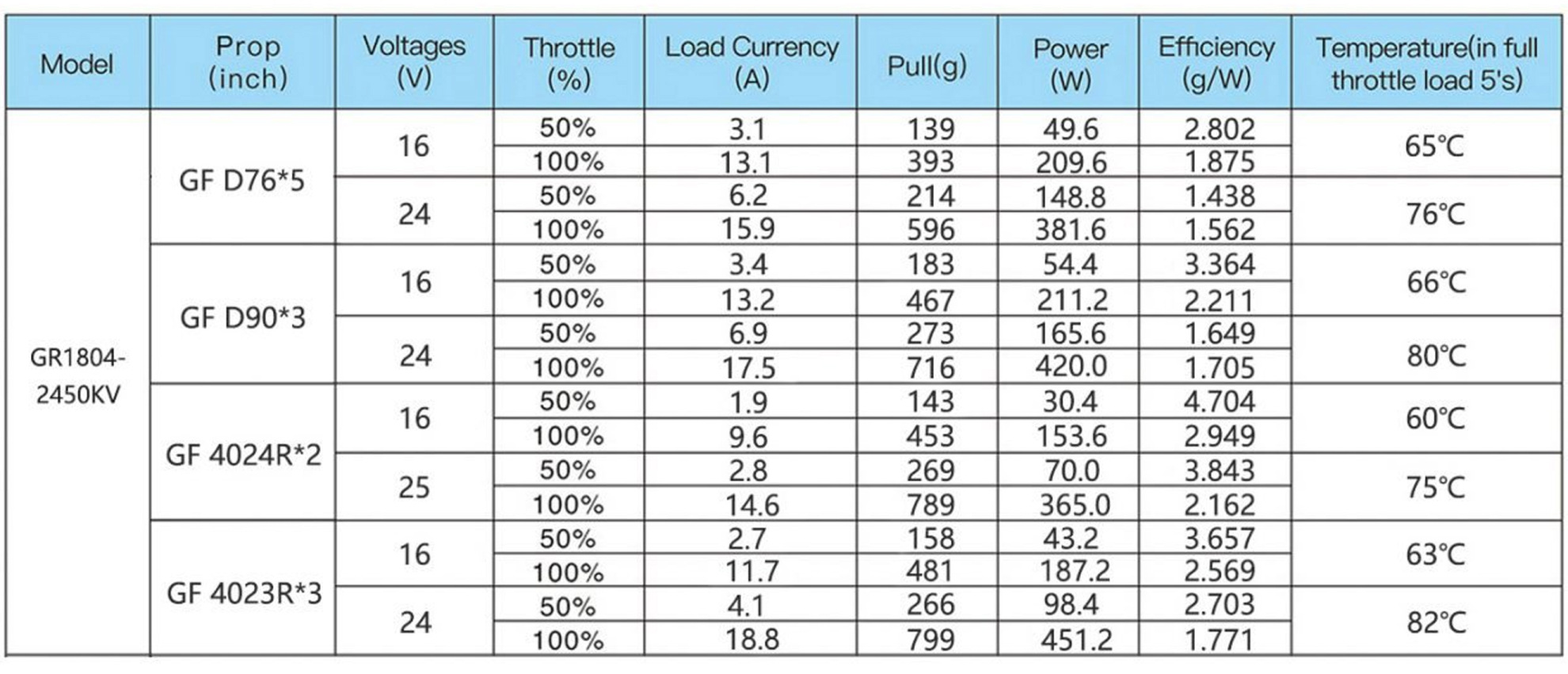
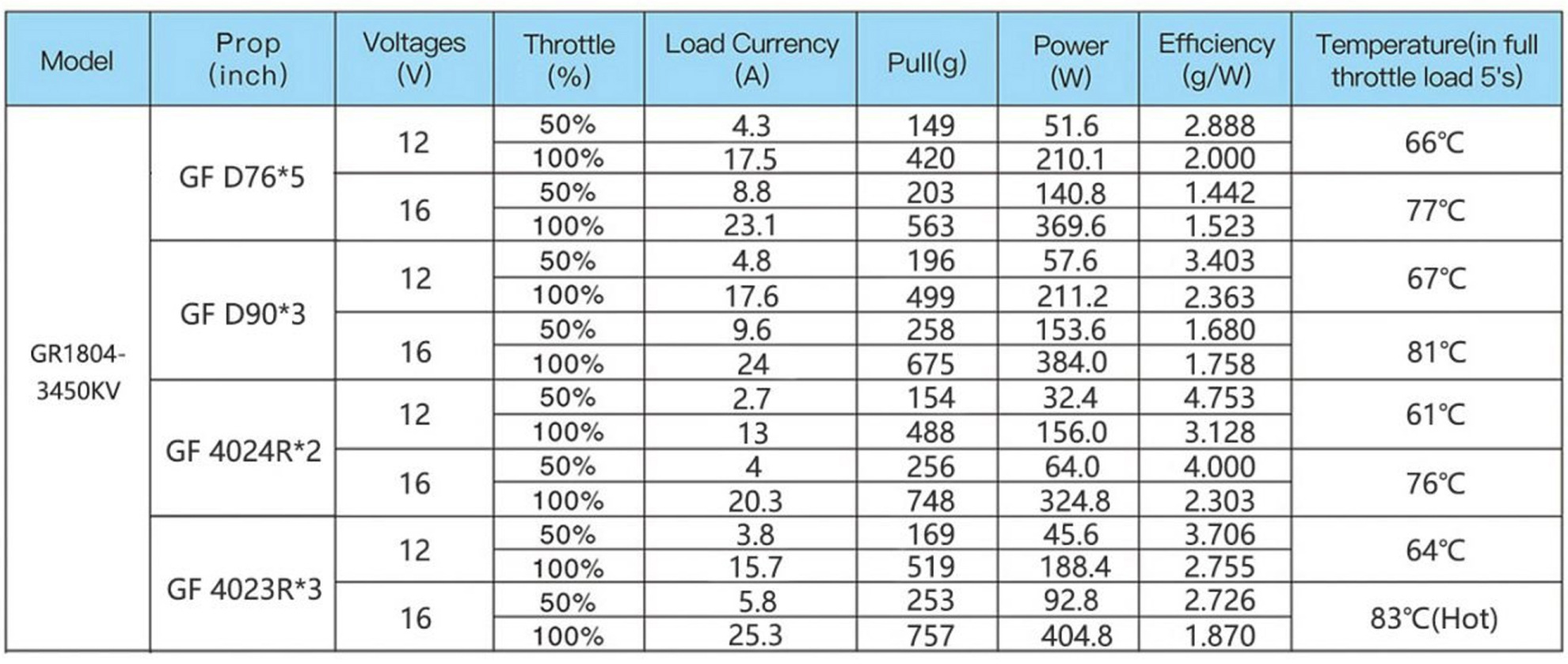
Independent long‑form test data for this exact SPEEDX2 1804 was limited in the sources available, so it is better to evaluate the motor using its published specifications and compare its architecture with other motors in the same class rather than presenting unverified thrust figures as laboratory results.
User feedback on the MEPSKING product page also points toward the motor's intended strengths. Reviews mention smooth power delivery, low vibration, quick response from the 3450KV version and good performance on lightweight 3‑inch builds. These are user reports rather than controlled laboratory tests, but they are consistent with the motor's lightweight design and intended application.
2450KV vs 3450KV: Which Version Is Right?
The KV difference is important because the two versions are intended for different power systems.
| Build Type | Recommended Version | Battery | Typical Application |
|---|
| 3" lightweight | 3450KV | 3S–4S | Freestyle, racing, agile flying |
| 3" toothpick | 3450KV | 3S–4S | Fast response and acceleration |
| 3.5" lightweight | 3450KV | 4S | Freestyle and fast cruising |
| 3.5" long‑range | 2450KV | 4S–6S | Efficient cruising |
| 4" toothpick | 2450KV | 4S–6S | Long range and efficient flight |
| 4" lightweight | 2450KV | 6S | Efficient high‑voltage setup |
As a general rule, higher KV is not automatically better. The 3450KV motor can produce a faster RPM response at a given voltage, but it also increases the electrical demand of the propulsion system. For a 4‑inch build where efficiency and flight time are important, the 2450KV version is usually the more sensible choice.
For a lightweight 3‑inch build where acceleration and responsiveness matter more than maximum flight time, 3450KV is the better starting point.
GEPRC SPEEDX2 1804 vs T‑HOBBY P1804
The T‑HOBBY P1804 is one of the closest alternatives to the SPEEDX2 1804 because the two motors are almost identical in their basic motor class. Both use an 18 × 4mm stator, 12N14P configuration and approximately 13.2g motor weight. Both are available around the 2400–2450KV and 3400–3450KV range.
The difference is mainly in the design philosophy.
| Feature | GEPRC SPEEDX2 1804 | T‑HOBBY P1804 |
|---|
| Stator | 18 × 4mm | 18 × 4mm |
| KV Options | 2450KV / 3450KV | 2400KV / 3400KV |
| Configuration | 12N14P | 12N14P |
| Weight | 13.2g incl. 13cm wire | 13.2g excl. cable |
| Mounting | 12 × 12mm M2 | 12 × 12mm M2 |
| Shaft | 1.5mm output | 1.5mm or 5mm |
| 2450/2400KV | 4–6S | 6S optimized |
| 3450/3400KV | 2–4S | 4S optimized |
| Main Design Focus | Lightweight + cooling + pusher compatibility | Durability + shaft versatility |
| Best Match | Toothpick, long range, lightweight 3–4" | Freestyle, toothpick, cinewhoop |
The biggest advantage of the T‑HOBBY P1804 is shaft versatility. It is available with either a 1.5mm shaft for lightweight T‑mount propellers or a 5mm threaded shaft for pilots who prefer a more conventional propeller mounting system. This gives the P1804 more flexibility when building different types of 3–4 inch aircraft.
The SPEEDX2 1804, on the other hand, is particularly attractive when the priority is a compact and lightweight motor optimized for 3–4 inch toothpick and long‑range applications. Its hollowed body and curved outer structure are designed around weight reduction, heat dissipation and pusher‑FPV compatibility.
The T‑HOBBY P1804 also has published test data that makes its performance easier to evaluate. For example, on the T‑HOBBY 76S‑3 propeller at 24V, the 2400KV version reaches 492.5g thrust at 15.4A and 365.5W at full throttle, while the 3400KV version reaches 467.7g thrust at 20.0A and 315.1W under the same test series. These numbers are specific to the stated propeller and test setup and should not be treated as direct SPEEDX2 measurements.
So, which one should you buy?
Choose the GEPRC SPEEDX2 1804 if you are building a lightweight 3–4 inch toothpick, long‑range or pusher FPV drone and want a motor specifically designed around low weight, cooling and compact integration.
Choose the T‑HOBBY P1804 if you want greater propeller‑mounting flexibility, especially the choice between a 1.5mm T‑mount and 5mm threaded shaft, or if you want a motor with published thrust‑test data that can help with propeller selection.
What Propeller and Battery Should You Use?
For the 3450KV SPEEDX2 1804, start with a 3‑inch or lightweight 3.5‑inch propeller and a 3S or 4S LiPo. A lower‑pitch propeller is a safer starting point when building a new aircraft because it reduces the initial load on the motor and ESC. GEPRC officially lists the 3450KV version as a 2–4S motor.
For the 2450KV version, 4S is a versatile starting point, while 6S can be considered when the complete propulsion system is designed for it. GEPRC lists the 2450KV motor for 4–6S operation.
If you are building a 4‑inch long‑range aircraft, the 2450KV version is generally the better match because the lower KV and higher battery voltage can provide a useful balance between RPM, efficiency and flight time.
If you are building a 3‑inch racing or aggressive toothpick setup, the 3450KV version gives you a more responsive high‑RPM setup. However, propeller pitch and battery weight still need to be considered. A high‑KV motor combined with an aggressive propeller can quickly increase current demand.
Installation and Compatibility
The SPEEDX2 1804 uses a 12 × 12mm M2 mounting pattern, so the frame must provide the correct motor mounting holes. GEPRC lists a 1.5mm outer shaft with a 2mm internal shaft diameter, and the motor includes both M2 × 6mm and M2 × 8mm screws.
Before installation, check the actual motor‑to‑frame clearance, screw length and propeller clearance. M2 screws that are too long can enter the motor stator area and damage the windings.
The motor has 24#AWG, 150mm lead wires, giving builders enough length for many compact 3–4 inch frames while still allowing the wires to be routed cleanly.
The ESC should also be selected according to the motor KV, propeller and battery combination rather than the motor size alone. The 3450KV version can draw substantially more current in an aggressive 4S setup, so an ESC with sufficient current headroom is recommended.
For a new build, always check the complete propulsion combination:
Motor KV → Battery voltage → Propeller diameter/pitch → ESC current rating → Aircraft weight
Changing any one of these can significantly change motor load.
Final Recommendation
The GEPRC SPEEDX2 1804 is not simply a small motor for any 3‑inch drone. Its strongest advantage is the combination of a 13.2g weight, 18 × 4mm stator, hollowed structure, high‑strength 7075‑T aluminum rotor and two practical KV options.
For a 3‑inch high‑response toothpick, choose the 3450KV version and pair it with a suitable 3S–4S setup.
For a 3.5–4 inch lightweight or long‑range build, the 2450KV version is the more flexible choice, especially when efficiency and higher‑voltage operation are priorities.
Compared with the T‑HOBBY P1804, the SPEEDX2 is the better choice when lightweight construction and pusher/toothpick‑oriented design are your priorities. The T‑HOBBY P1804 is the stronger alternative when shaft flexibility and documented propeller test data are more important.
For pilots choosing between the two, the decision is therefore simple: SPEEDX2 1804 for lightweight, compact and efficient 3–4 inch builds; T‑HOBBY P1804 for greater mounting versatility and freestyle‑oriented flexibility.












 Verified