
When it comes to long-range FPV radio systems, Crossfire is still one of the most trusted solutions among experienced FPV pilots. TBS Crossfire (CRSF) receivers are an integral part of the remote control system for drones and other applications requiring reliable long-range communication. Developed by Team BlackSheep (TBS), the Crossfire system is known for its extreme range, stable signal, and low latency.
However, many pilots — especially beginners — get confused when choosing between different Crossfire receivers, particularly:
- TBS Crossfire Nano RX
- TBS Crossfire Micro RX
In this guide, we’ll explain the real differences between TBS Crossfire Nano RX and Micro RX, how they compare in size and performance, and which one you should choose for your FPV drone.
What is TBS Crossfire (CRSF)?
TBS Crossfire is a long-range radio transmission system designed to offer stable and secure connections between a transmitter and a receiver. It’s used primarily in drones but is also applicable to other forms of radio-controlled modeling. It operates on the 900MHz frequency band, which allows signals to travel farther and penetrate obstacles better than traditional 2.4GHz systems.
The Crossfire system uses the CRSF protocol, a fast digital communication protocol that provides:
- ultra-low latency
- reliable telemetry
- long-distance signal stability
This is why Crossfire became extremely popular among:
- long-range FPV pilots
- mountain surfers
- cinematic FPV flyers
Crossfire Key Features
| Feature | TBS Crossfire |
|---|---|
| Frequency | 868 / 915 MHz |
| Protocol | CRSF |
| Latency | Extremely low |
| Telemetry | Full telemetry |
| Maximum Range | 40 km + (ideal conditions) |
In real-world flying conditions, Crossfire range easily reaches 10–20 km, depending on transmitter power, antennas, and environment.
There are three different types of TBS CRSF receivers (Micro, Nano, Diversity); today, we will discuss the differences between Micro RX and Nano RX.
Overview of TBS Crossfire Receivers
TBS offers several receivers for the Crossfire ecosystem. The most common ones used by FPV pilots are:
| Receiver | Typical Use |
|---|---|
| Crossfire Nano RX | Modern FPV drones |
| Crossfire Micro RX | Older compact builds |
| Diversity Crossfire RX | Long-range aircraft |
Among these, the TBS Crossfire Nano RX has become the most widely used receiver in modern FPV builds.
TBS Crossfire Nano RX Explained
The TBS Crossfire Nano RX is currently the most popular Crossfire receiver used in FPV drones.
It was designed specifically for modern quadcopters, where space and weight are limited.
Nano RX Specifications
| Feature | Nano RX |
|---|---|
| Size | ~11 × 18 mm |
| Weight | ~1 g |
| Telemetry | Yes |
| Protocol | CRSF |
| Antenna | External |
Because of its compact size and minimal weight, the TBS Crossfire Nano RX is ideal for:
- 5-inch freestyle drones
- 3-inch micro quads
- long-range FPV builds
From a practical FPV pilot perspective, Nano RX offers several advantages:
• extremely lightweight
• easier installation
• full Crossfire performance
• strong telemetry support
For most modern builds, the TBS Crossfire Nano RX is the default choice.
TBS Crossfire Micro RX Explained
Before Nano RX became popular, many pilots used the TBS Crossfire Micro RX.
It was originally designed as a compact receiver, but compared to today’s Nano RX, it is larger and heavier.
Micro RX Specifications
| Feature | Micro RX |
|---|---|
| Size | Larger PCB |
| Weight | ~3 g |
| Telemetry | Yes |
| Protocol | CRSF |
| Antenna | External |
While the TBS Crossfire Micro RX still works perfectly, it is considered an older generation receiver.
Many pilots today replace Micro RX units with Nano RX simply because Nano is smaller and easier to install.
Nano RX vs Micro RX – Key Differences
The biggest differences between TBS Crossfire Nano RX and Micro RX come down to size and installation convenience.
| Feature | Nano RX | Micro RX |
|---|---|---|
| Generation | Newer | Older |
| Size | Smaller | Larger |
| Weight | ~1 g | ~3 g |
| Installation | Easier | Slightly harder |
| Popularity | Very high | Mostly legacy builds |
From a performance perspective, both receivers deliver the same Crossfire signal quality and range.
That means:
Nano RX does NOT sacrifice performance for its smaller size.
Size and Weight
In the drone world, every gram counts. Whether you are a drone racer, a freestyle enthusiast, or a professional, the choice of radio receiver can significantly affect your drone’s performance. TBS is one of the most renowned brands in the radio transmission sector, and its Crossfire products are widely used for their long-range performance and reliability. Among these, TBS Crossfire Micro RX and Nano RX are two popular receivers. One of the main differences between them is weight. In this section, we will explore the weight differences between Micro RX and Nano RX and how these can affect your choice.
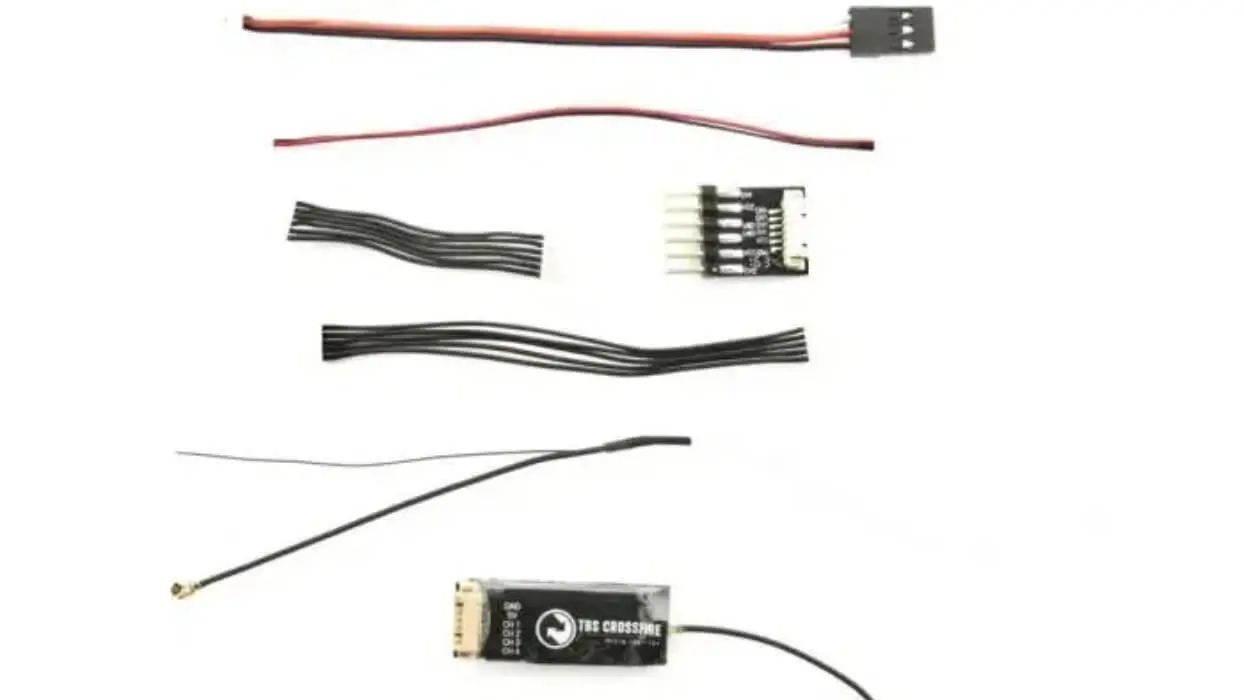
Weight of the TBS Crossfire Micro RX
The TBS Crossfire Micro RX is designed to offer reliable performance in a relatively compact package. The typical weight of this receiver is about 3.2 grams. This makes it light enough to be used in a wide range of drones, from racing drones to general-purpose drones. Due to its size, it also offers a wide range of connection options and better antenna management compared to smaller receivers.
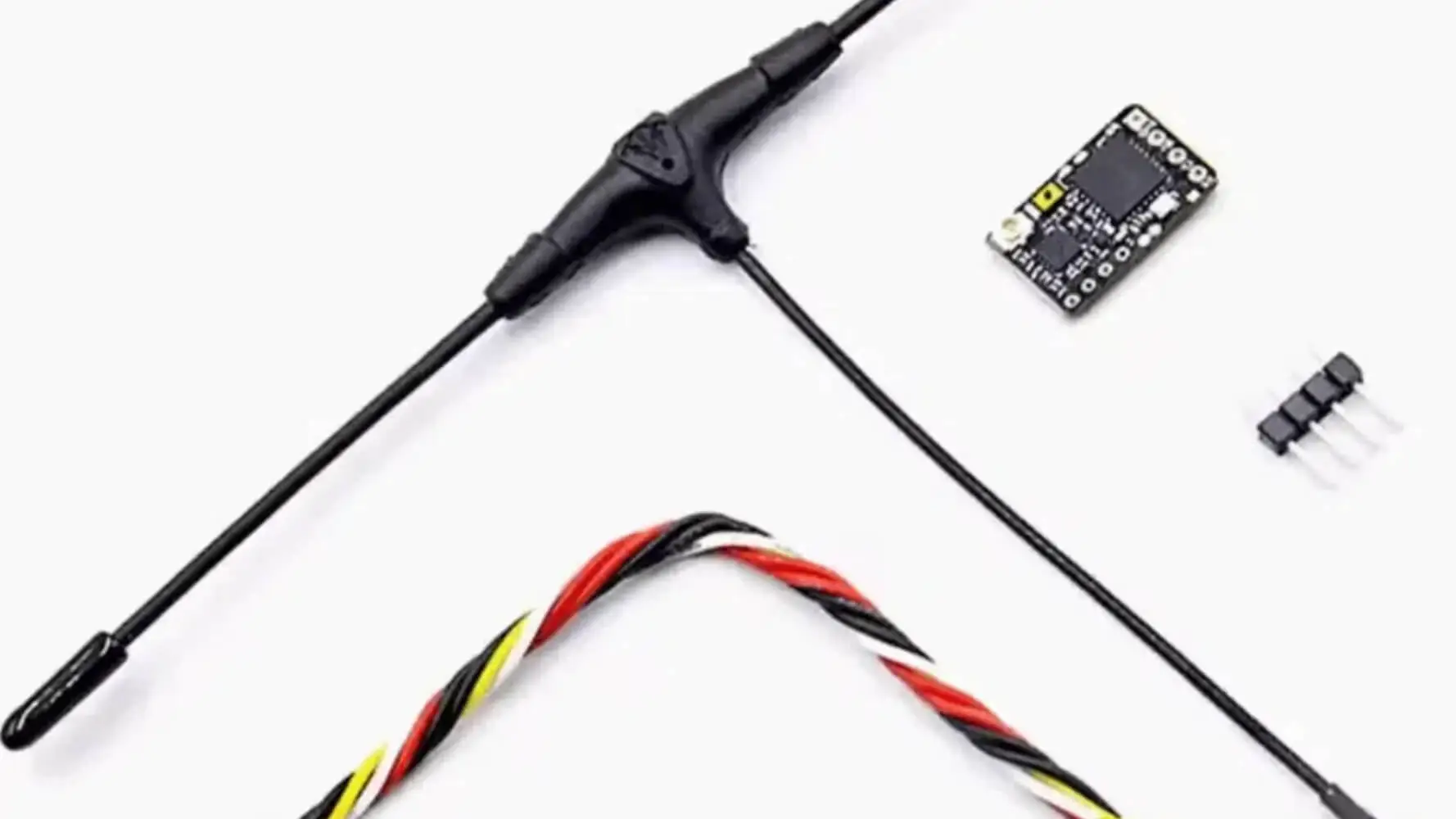
Weight of the TBS Crossfire Nano RX
The TBS Crossfire Nano RX is a more compact and lighter version of the Micro RX. Its typical weight is only 0.5 grams, making it one of the lightest receivers available on the market. This makes it ideal for very small drones, such as toothpick-style drones, micro-drones, and other configurations where reduced weight is essential.
Crossfire Range: How Far Can Nano RX and Micro RX Fly?
One common question among pilots is:
Does Nano RX have shorter range than Micro RX?
The answer is no.
The receiver itself does not determine Crossfire range.
Range mainly depends on:
- transmitter power
- antenna quality
- antenna orientation
- environmental interference
Typical Crossfire Range
| Output Power | Typical Range |
|---|---|
| 25 mW | 3–5 km |
| 100 mW | 10+ km |
| 500 mW | 20+ km |
| 1 W | 40 km + |
Even a tiny TBS Crossfire Nano RX is capable of extreme long-range flights when paired with a powerful Crossfire transmitter.
Many world-record FPV flights have been completed using Nano RX receivers.

Configuration and Connections
When choosing a receiver for your drone, configuration and connection options are crucial factors to consider.
Configuration and Connections of the TBS Crossfire Micro RX
The TBS Crossfire Micro RX is designed to offer a wide range of connection options and custom configurations. Its slightly larger size than the Nano RX allows it to house more UART ports and other connection interfaces. This makes it ideal for medium to large-sized drones, where flexibility in configuration is essential.
With more UART ports, it’s possible to connect a variety of peripherals, such as sensors, FPV cameras, telemetry systems, and more. This flexibility is particularly useful for exploration drones or professional applications, where multiple devices need to be integrated.
Additionally, the larger size of the Micro RX allows the installation of larger and more advanced antennas, further improving signal quality and connection reliability. This is especially advantageous in environments with interference or long-range flights where a stable connection is essential.
Configuration and Connections of the TBS Crossfire Nano RX
The TBS Crossfire Nano RX, on the other hand, is designed to be extremely compact and lightweight. While it has fewer ports and connection options compared to the Micro RX, it is perfectly suitable for smaller drones or micro-drones, where space and weight are critical.
Despite its smaller size, the Nano RX maintains a stable and reliable connection, but with fewer connection options compared to the Micro RX. However, for many standard applications, such as racing drones or freestyle, its connection capabilities are more than sufficient.
The Nano RX is ideal for configurations where weight and size are important, such as ultralight drones or projects where space needs to be maximized. Although it offers fewer connection options compared to the Micro RX, for many applications, this is not a problem, and it can be easily integrated into standard configurations.
Nano RX vs Micro RX: Which One Should You Buy?
If you’re building a new FPV drone today, the choice is usually simple.
Choose Nano RX if you are:
- building a 5-inch freestyle drone
- building a micro FPV quad
- building a long-range quad
- trying to save weight
Choose Micro RX if:
- you already own one
- you’re repairing an older build
For most modern builds, TBS Crossfire Nano RX is the better option.
Crossfire vs ExpressLRS
Another common question among FPV pilots is whether they should still use Crossfire, since ExpressLRS (ELRS) has become very popular.
Quick Comparison
| Feature | Crossfire | ExpressLRS |
|---|---|---|
| Frequency | 900 MHz | 2.4 GHz / 900 MHz |
| Latency | Very low | Extremely low |
| Range | Excellent | Excellent |
| Open Source | No | Yes |
| Setup difficulty | Easy | Slightly more complex |
Many experienced pilots still prefer Crossfire because it is:
- extremely reliable
- simple to configure
- well-tested over many years
Installation Tips for Crossfire Receivers
Proper installation plays a major role in achieving the best Crossfire range and signal stability.
Here are a few practical tips used by experienced FPV pilots.
- Antenna placement matters: Avoid placing the antenna directly behind carbon fiber plates, as carbon blocks RF signals.
- Keep antenna away from electronics: Motors, ESCs, and VTX units can introduce noise.
- Use proper antenna orientation: A vertical antenna usually provides the best long-range performance.
FAQ – TBS Crossfire Receivers
What is the difference between TBS Crossfire Nano RX and Micro RX?
The main difference is size and weight. The TBS Crossfire Nano RX is smaller and lighter, while the Micro RX is an older and slightly larger receiver. Both provide similar signal performance.
Does Nano RX have the same range as Micro RX?
Yes. Nano RX and Micro RX offer the same Crossfire range because the range depends mainly on transmitter power and antenna setup.
Is Crossfire still worth using in 2026
Yes. Many FPV pilots still use Crossfire because of its reliability, long-range capability, and easy setup.
What is the maximum Crossfire range?
In ideal conditions, Crossfire systems can achieve 40 km or more, although most FPV flights stay within 5–15 km.
Can I use Crossfire Nano RX for long-range FPV?
Absolutely. Many long-range pilots use TBS Crossfire Nano RX because it provides full Crossfire performance in a lightweight package.
Conclusions
TBS Crossfire (CRSF) receivers are essential components for ensuring reliable and stable radio connections for drones, especially in applications that require long range and low latency. The choice between Micro RX and Nano RX depends on various factors, including the size of the drone, the required range, and configuration needs.
Moreover, for applications that require even more robust and reliable connections, such as long-range flights or in environments with heavy interference, it may be advisable to opt for the TBS Crossfire Diversity RX. This receiver is designed to ensure maximum signal stability thanks to its dual-antenna configuration, significantly reducing the risk of signal loss.
When choosing the right TBS Crossfire receiver, it’s important to consider your specific needs. Key factors to evaluate include the type of drone you are building, the distance you intend to fly, and the level of customization needed for your setup.
Finally, cost can be an additional element to consider. While the Micro RX is generally less expensive, the Nano RX offers extra features and greater range, justifying the slightly higher cost. However, both options offer the quality and reliability you would expect from TBS Crossfire.
With this guide, you now have a comprehensive view of the differences between the Micro RX and the Nano RX, allowing you to make an informed choice for your drone. Always remember to carefully evaluate your specific needs before purchasing a receiver to ensure it perfectly matches your setup and performance expectations.