About T-HOBBY Cine55A 8S 8-in-1 55A Professional Cinematic ESC:
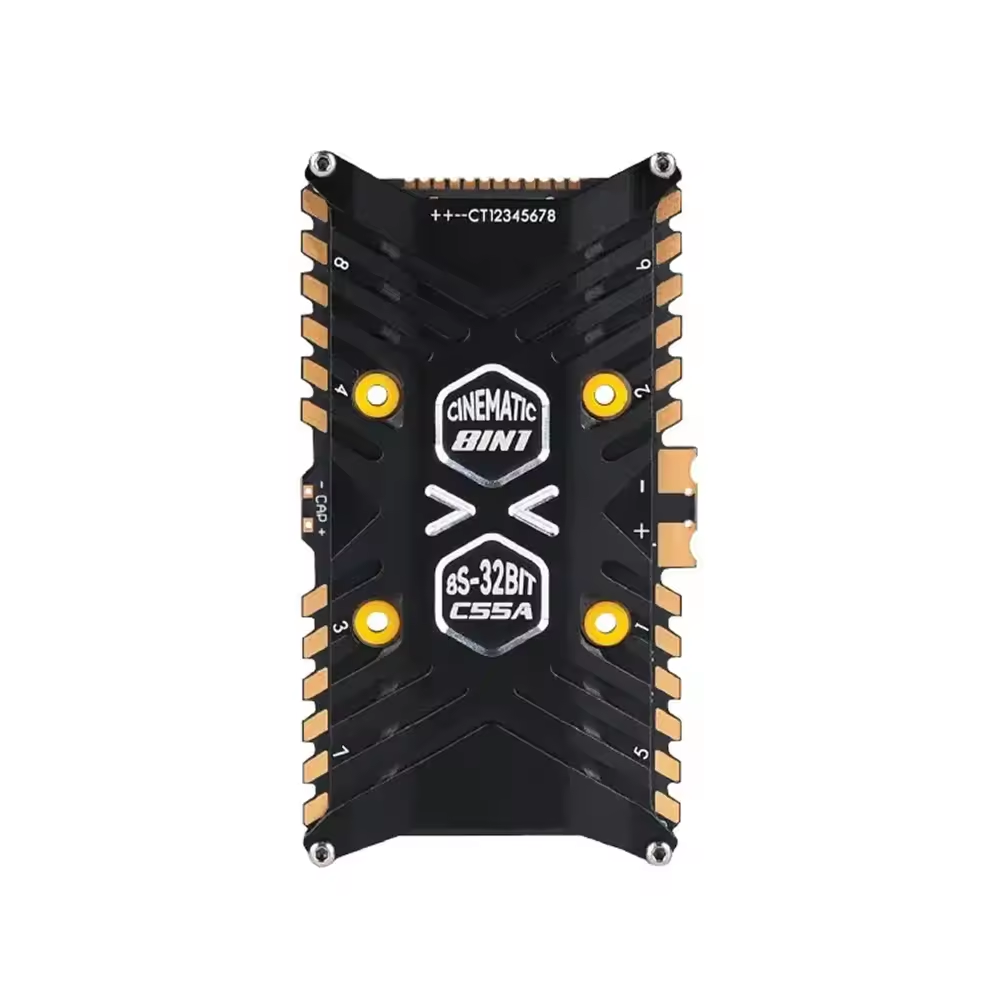
The T-HOBBY Cine55A 55A 8S 8-in-1 Professional Cinematic ESC is engineered for high-performance cine-lifters, heavy-lift FPV rigs, long-range cinematic drones, and dual-camera platforms used in professional aerial filmmaking. With on-board filtering capacitors, high-quality MOSFETs, extended telemetry, and a dual-side heatsink for stable thermal control, it ensures reliable power delivery under demanding flight conditions. Fully compatible with F7 Pro flight controllers, the Cine55A offers clean installation and dependable efficiency—ideal for commercial shoots, cinematic FPV, action film work, and stable heavy-payload operations.
Bundle and save up to $3.88 on gear — upgrade your setup for less.
T-HOBBY F7 PRO Flight Controller WiFi+Bluetooth For FPV Drones
Options (1)
F7 Pro Full Function 30x30
F7 Pro Full Function 30x30
$44.68
Save $3.88
In Stock
Expected ship within 48 hours after order.
Free Shipping Over $79 | Save on Orders $79+
24-Month Warranty | 2 Years Full Protection
30-Day Returns From Shipment | 7-Day No-Reason Returns
24h Support Response | 24h Fast Support Guarantee
Top highlights
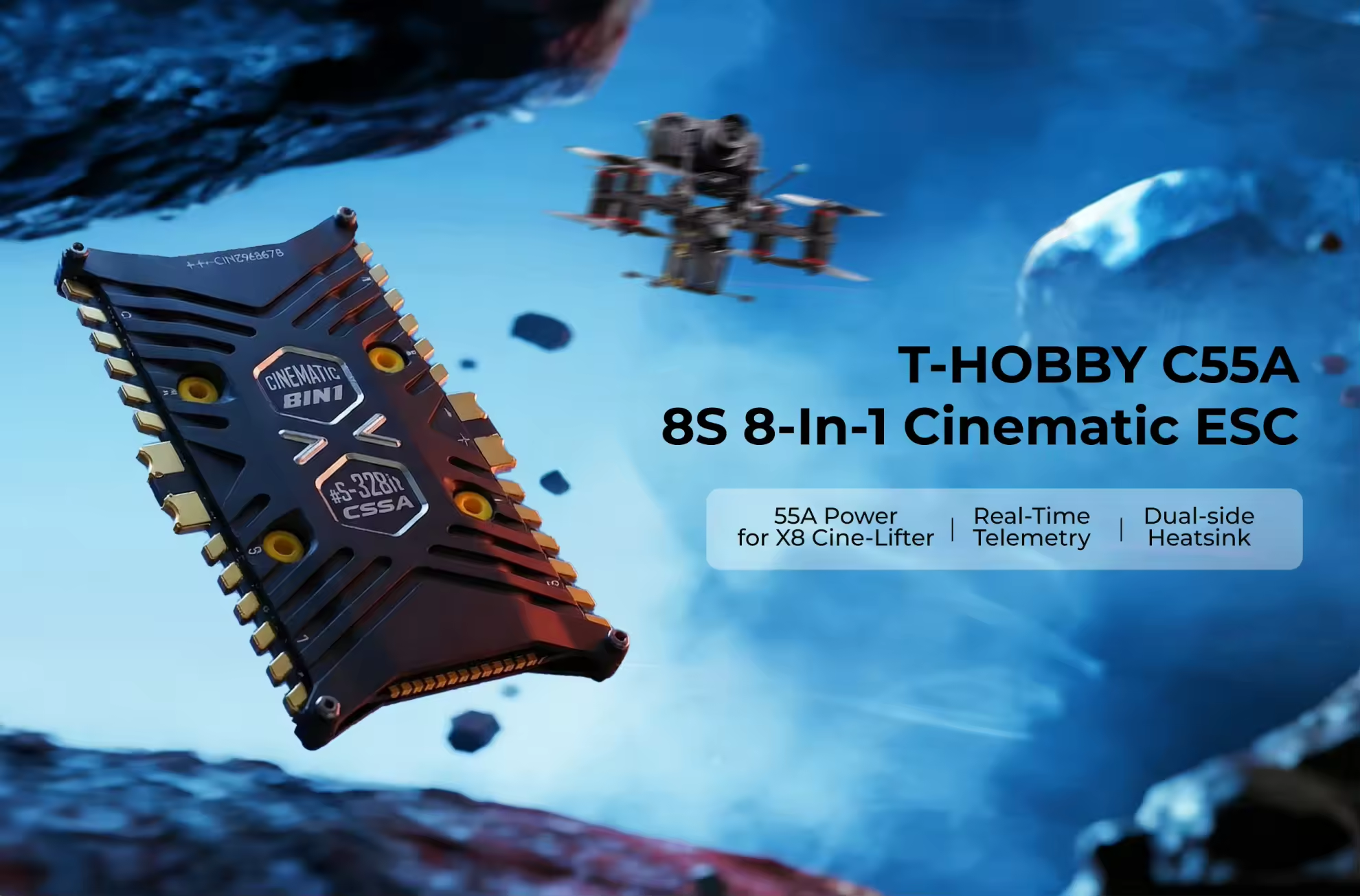
55A high-power output delivers stable performance for X8 cine-lifter drones carrying heavy camera payloads.
Integrated filtering capacitors help reduce voltage spikes for cleaner power and smoother cinematic flights.
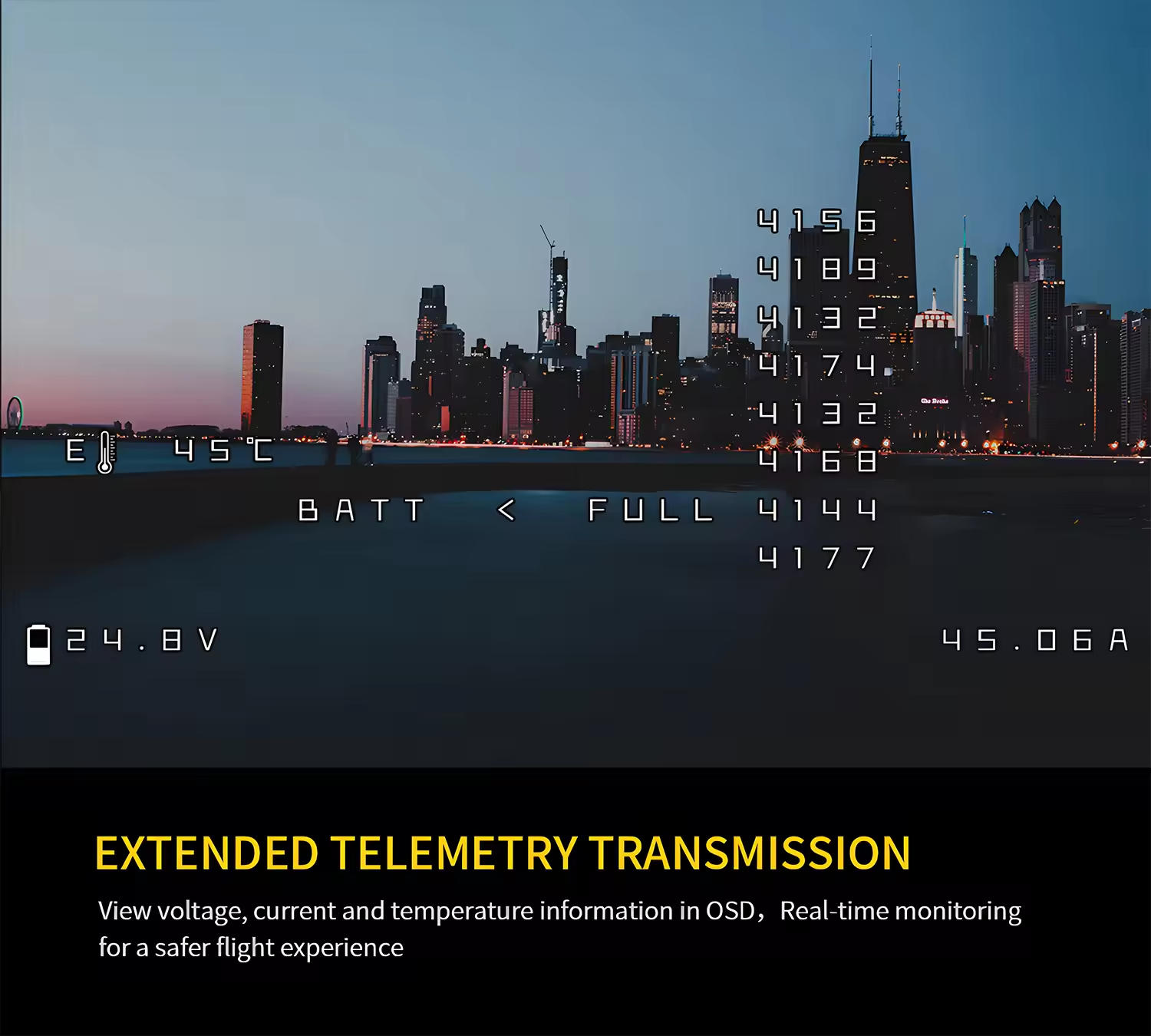
Real-time ESC telemetry allows pilots to monitor voltage, current, and temperature during flight.
Dual-side heatsink design improves heat dissipation and keeps the ESC stable during long filming missions.
Designed for professional FPV builds, making it ideal for cinematic drones and heavy-lift setups.
Payment | Every order you place with us is safe & secure
Share
Check out our Cine55A ESC, all FPV ESC Collection and the rest of our T-Hobby Products!
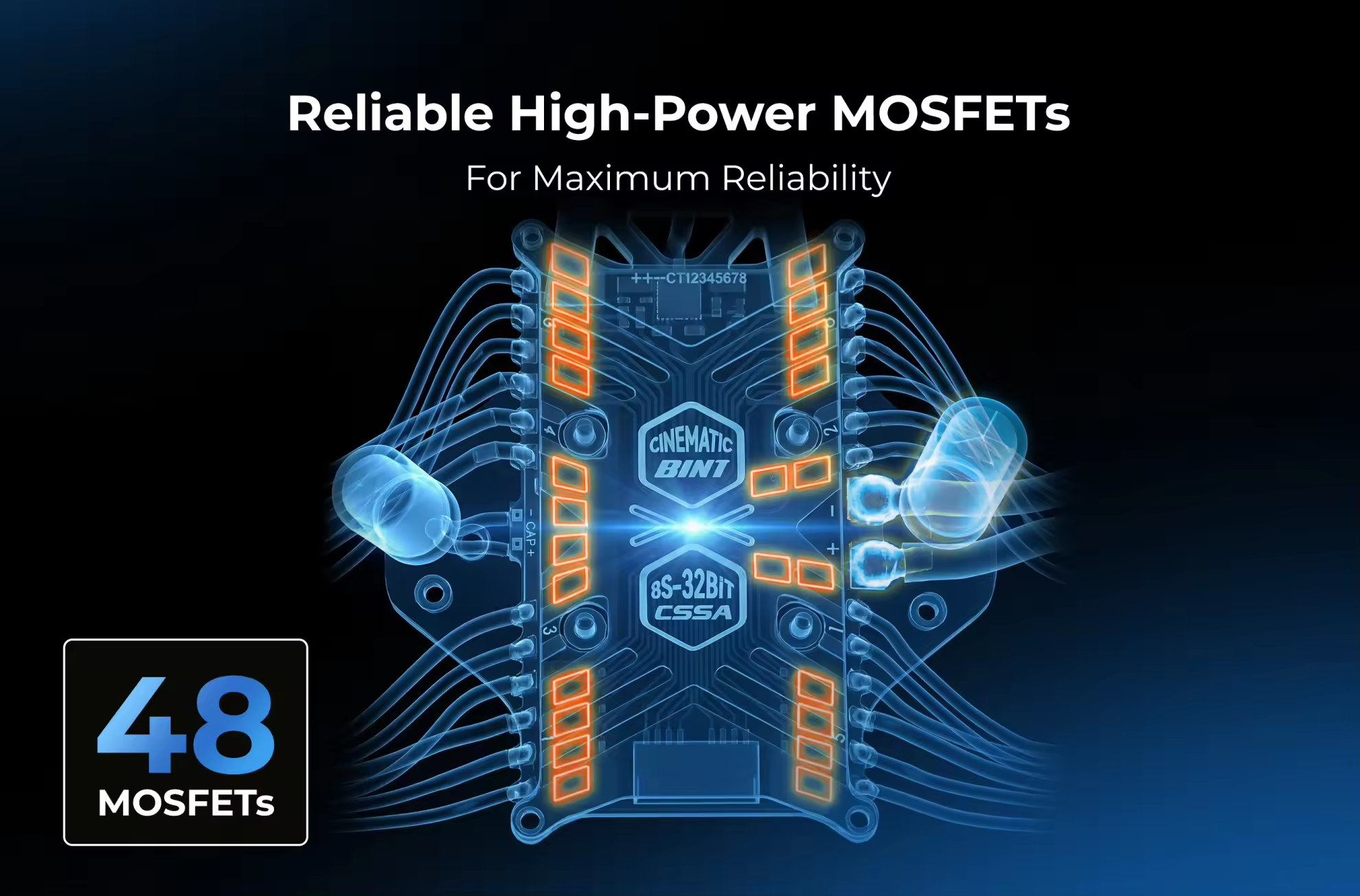
Reliable High-Power MOSFETs
The T-HOBBY Cine55A 55AESC packs 48 full-size imported MOSFETs with large wafers, ensuring stable, high-current delivery for cinematic Cine-Lifters. Enjoy smooth throttle response, reduced heat, longer ESC lifespan, and won't let you down at critical moments.
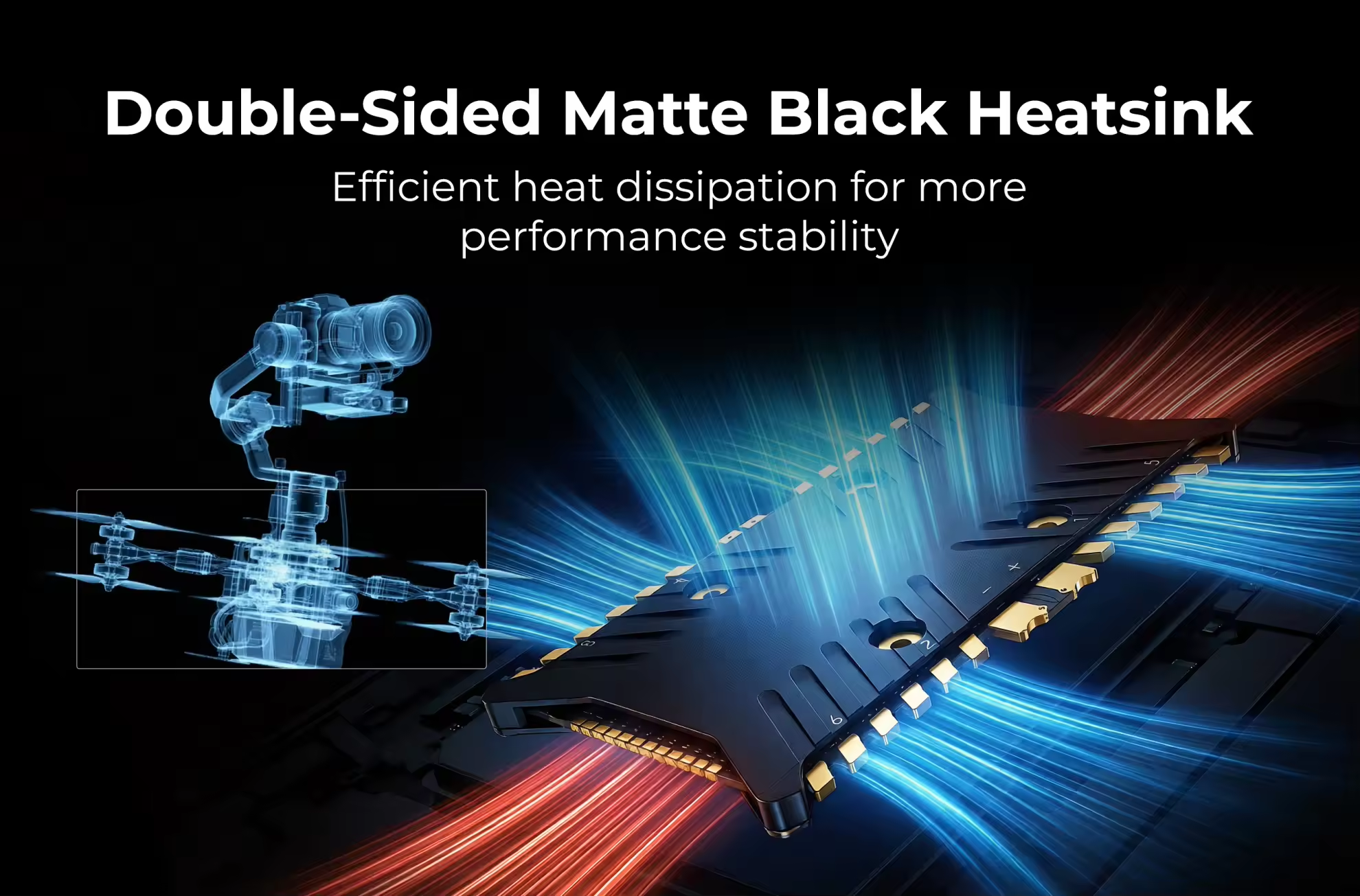
Enhanced Heat Dissipation
The Cine55A 55A ESC features a double-sided matte black heatsink that efficiently disperses heat, ensuring stable performance and consistent power output even under heavy loads.
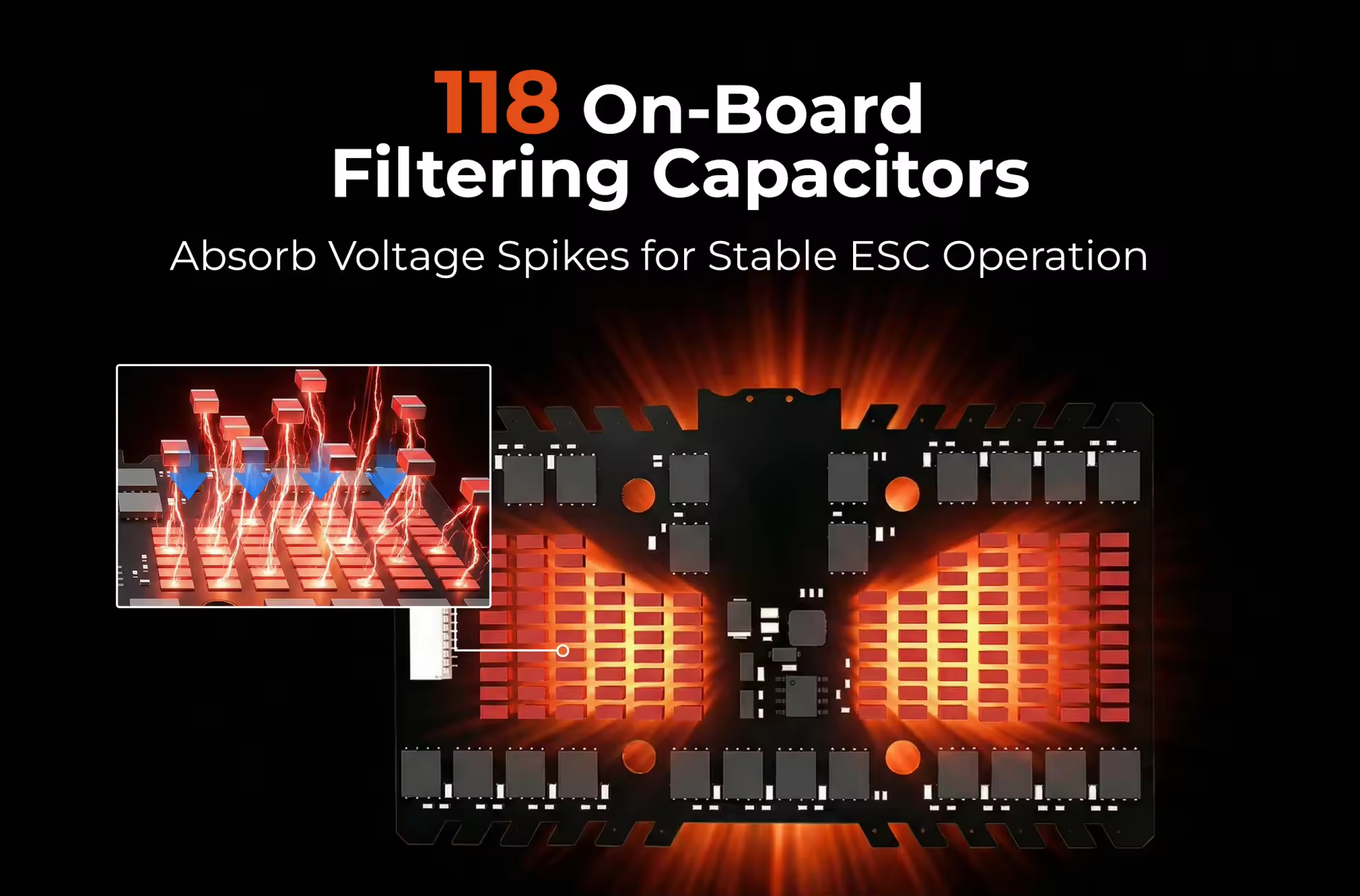
Voltage Spike Protection
The Cine55A ESC features a double-sided matte black heatsink, efficiently dispersing heat to maintain stable and consistent performance.
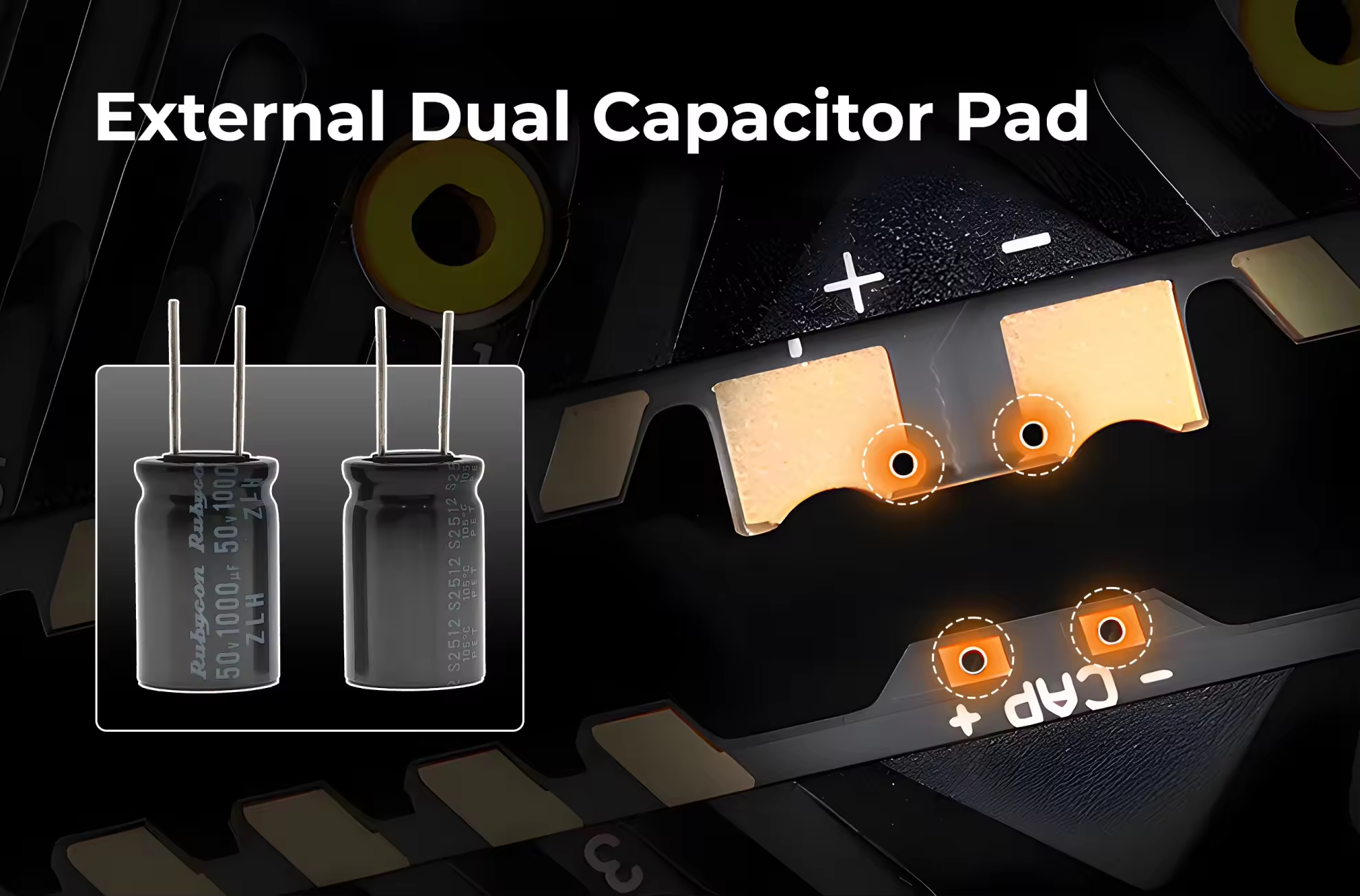
External Dual Capacitor Pad – Longer ESC Life
The T-HOBBY Cine55A 55A ESC features an external dual capacitor pad that supports additional capacitors, effectively reducing voltage spikes and extending the ESC’s service life for more stable and reliable performance.
Real-Time Telemetry
The Cine55A 55A ESC provides extended telemetry, allowing pilots to monitor voltage, current, and temperature in real time via OSD for safer and more informed flights.
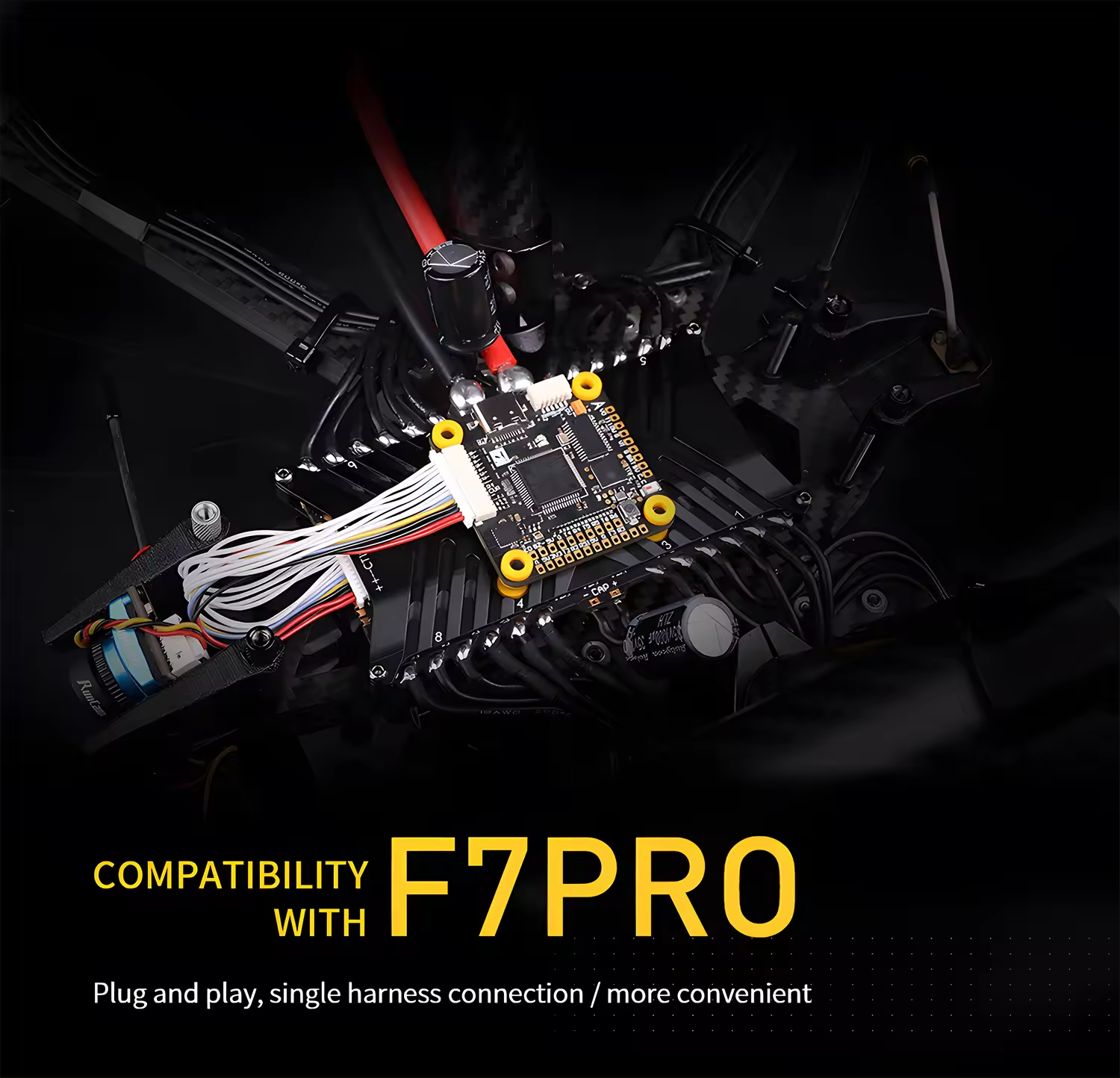
F7 Pro Compatibility
The T-Hobby Cine55A ESC offers plug-and-play support with F7 Pro flight controllers through a single harness connection for easy and convenient installation.
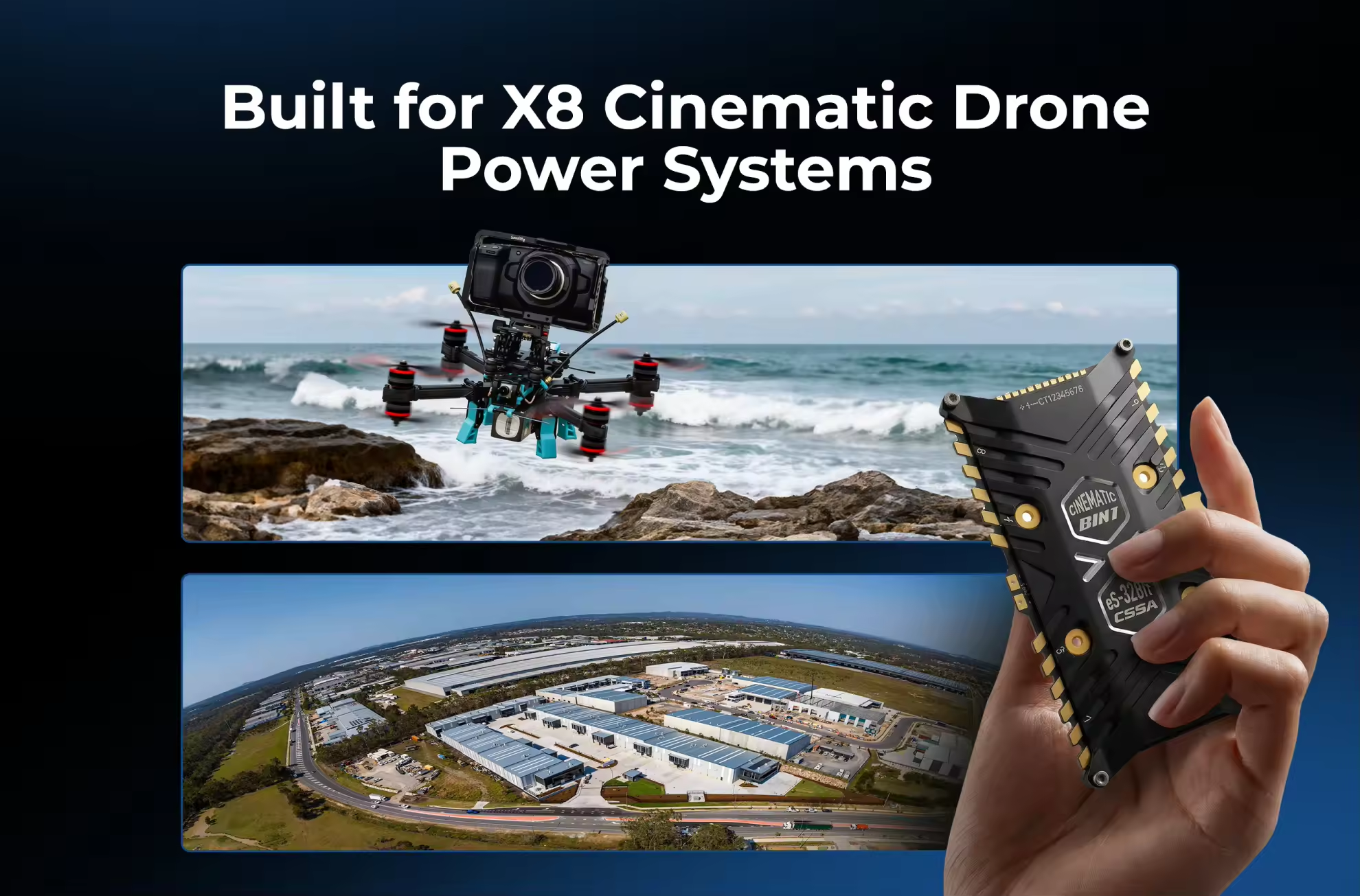
Built for X8 Cinematic Drone Power Systems
Designed for high-power X8 cine-lifter drones, delivering stable and reliable performance for professional aerial filming in cities, nature, and commercial productions.
Specifications
Recommendation
Reviews
W**************n
Verified
Love the dual heatsink design — keeps things cool under heavy throttle.
55A 8in1 ESC:55A 8in1 ESC
D********K
Verified
very stable ESC for cine-lifter. customer service replied quickly and helped with wiring confirmation.
55A 8in1 ESC:55A 8in1 ESC
Additional reviews after 19
days
Support was very professional and fast.
Replied by MEPSKING:Thanks for your feedback! Glad to hear the ESC is performing well on your cine-lifter, and we’re happy our support team could assist you quickly. Enjoy your flights! 🚀
C********r
Verified
well packed, heavy duty ESC. Good for my X8 setup.
55A 8in1 ESC:55A 8in1 ESC
Additional reviews after 16
days
Stable power, no overheating.
Replied by MEPSKING:Thank you for your feedback. Happy to hear that! Enjoy your Flight!
m***e
Verified
The quality of this ESC is impressive. The board uses large MOSFETs and a double-sided heatsink, which helps keep temperatures under control during longer flights. For professional cine-lifter builds where reliability matters, the C55A definitely feels like a high-end ESC.
55A 8in1 ESC:55A 8in1 ESC
A***g
Verified
I’m using this ESC on an 8.5-inch cinelifter carrying a GoPro and small cinema camera. The ESC handles the power demands very well.Even when doing aggressive throttle punches during climbs, the motors stay synchronized and the power delivery feels very stable.
55A 8in1 ESC:55A 8in1 ESC
k***e
Verified
Instead of dealing with two separate 4-in-1 ESCs and a lot of wiring, this board simplified the whole setup. For anyone building a cinematic drone where reliability and clean wiring matter, this ESC is a great option.
55A 8in1 ESC:55A 8in1 ESC
g****u
Verified
This ESC feels very solid and well built. The layout is clean and it fits nicely in my frame stack. Setup with my flight controller was straightforward and everything worked properly on the first test.
55A 8in1 ESC:55A 8in1 ESC
o****e
Verified
Installed this 55A 8S 4-in-1 ESC on a heavy cine-lifter build and it has been performing great. The solder pads are large and well spaced, which made the wiring process much easier.
55A 8in1 ESC:55A 8in1 ESC
1
2
3
FAQFeel free to ask us any questions
Q: Is the T-HOBBY Cine55A ESC suitable for X8 cinelifter drones?
A: Yes. It is specifically designed for X8 cinematic and heavy-lift drones, providing stable synchronized power across 8 motors.
Q: Why choose an 8-in-1 ESC instead of two 4-in-1 ESCs?
A: It reduces wiring complexity, improves reliability, and ensures better motor synchronization for X8 builds.
Q: Can the T-HOBBY Cine55A ESC handle 8S high-voltage systems?
A: Yes. It is designed for 8S LiPo systems used in professional cinelifter builds requiring high power efficiency.
Q: Is overheating a problem with the Cine55A ESC?
A: No. The dual heatsink design and power filtering help maintain stable temperatures under continuous load.
Q: Is this ESC suitable for small drones or freestyle builds?
A: No. It is designed specifically for large X8 cinematic platforms and is not suitable for small drones.


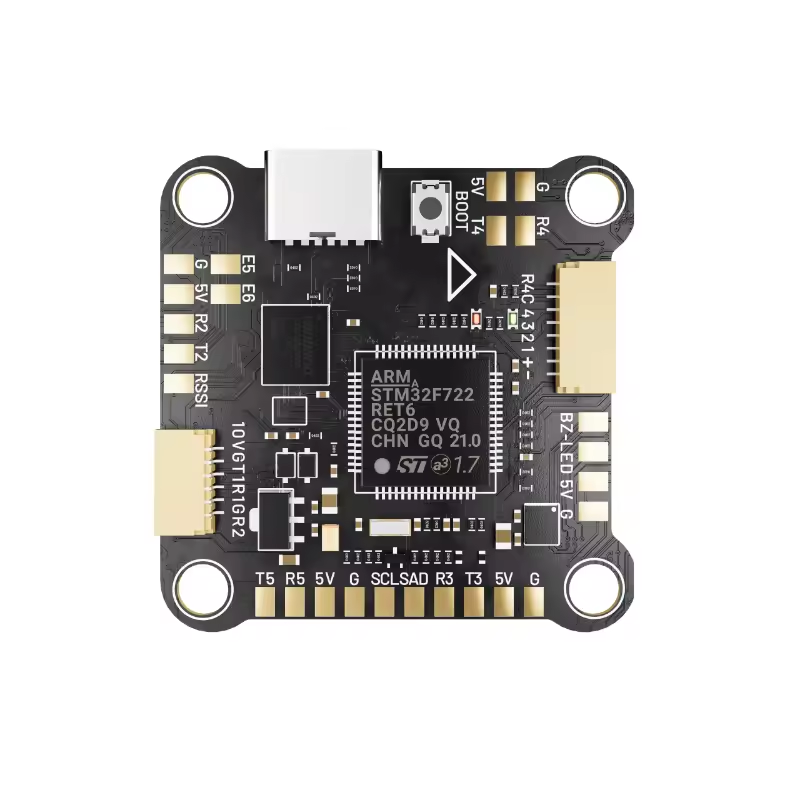

 T-HOBBY F7 PRO Flight Controller WiFi+Bluetooth For FPV DronesF7 Pro Full Function 30x30$44.68 Save $3.88








 Verified