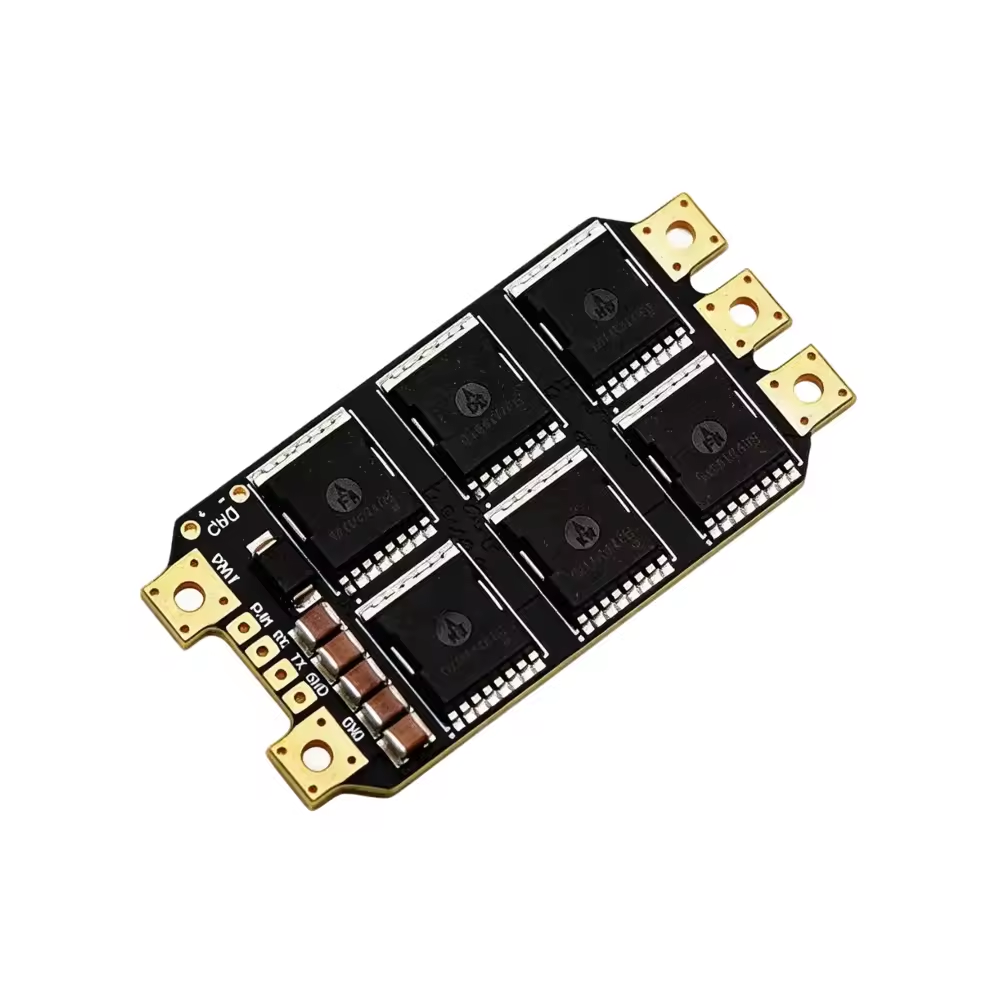
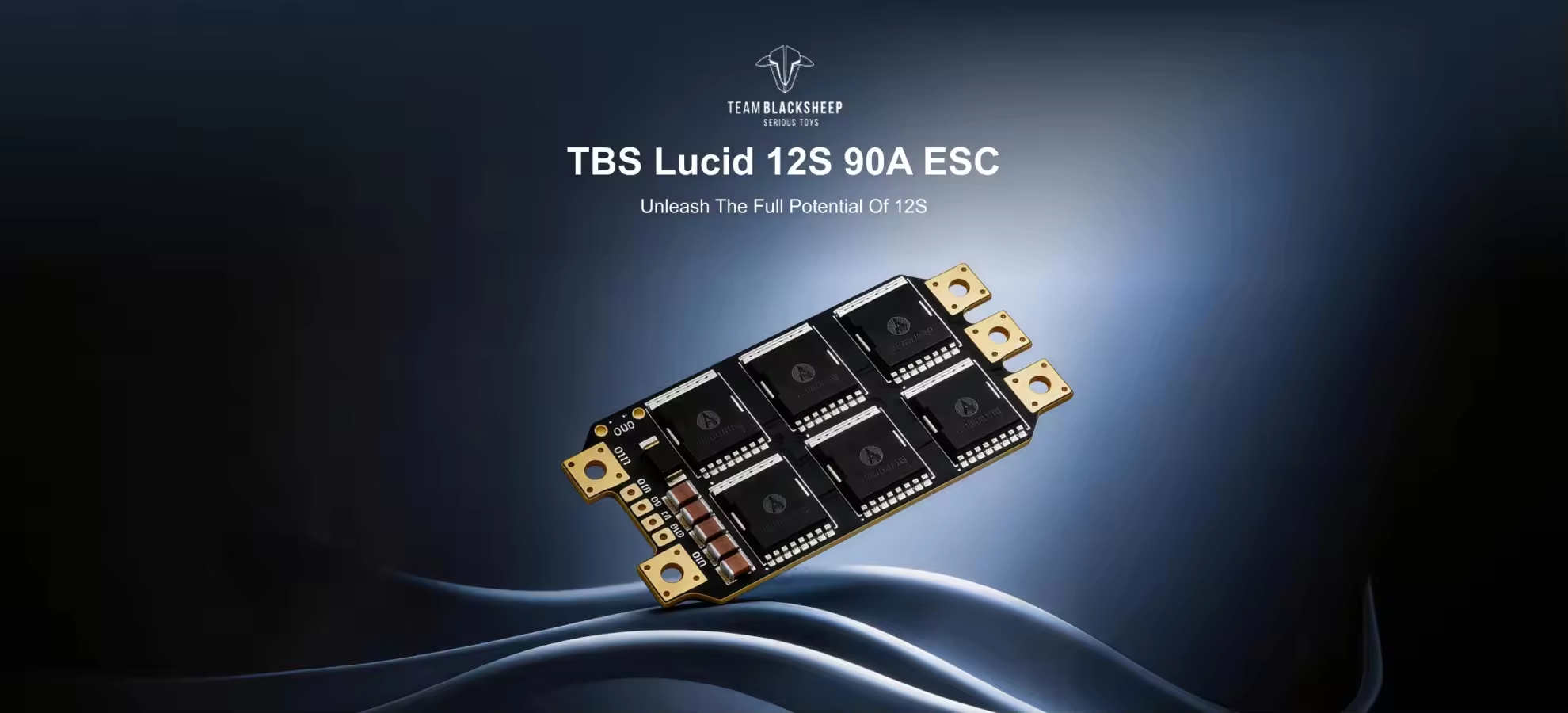
The TBS Lucid 12S 90A ESC is a high-voltage, high-power electronic speed controller designed for performance-driven FPV airframes, wings, and heavy-lift rigs. Built with an 8-layer high current density PCB and TVS surge protection, it handles demanding loads with excellent thermal resilience and reduced voltage spike risks. Featuring AM32 firmware with bi-directional DShot and KISS ESC telemetry support, the Lucid 12S delivers strong punch and clean motor response across 3–12S LiPo systems, making it ideal for powerful builds requiring reliable current delivery.
Strong ESC for 12S projects. MEPSKING shipping was fast and safe. Clean throttle, good telemetry, and solid power delivery.
Specification:12S 90A
Replied by MEPSKING:Thank you for your feedback. We are glad shipping went smoothly and the ESC is performing well on your 12S project.
F*****t
Verified
Shipping from MEPSKING was smooth and the ESC came with caps, wire, and shrink tube. Nice complete package for the price.
Specification:12S 90A
H******n
Verified
I tested quick full throttle bursts and it stayed stable. This ESC feels made for serious high-current FPV or wing builds.
Specification:12S 90A
Replied by MEPSKING:Thank you for sharing your test results. We are glad the ESC stayed stable under heavy throttle bursts.
J****h
Verified
The TVS protection and included caps give me more confidence on high voltage. Still checked everything twice before first power up.
Specification:12S 90A
Replied by MEPSKING:Thank you for the safety-focused feedback. Double-checking wiring and using proper capacitors is always recommended for 12S builds.
M***n
Verified
90A headroom is nice for bigger props. I would not run it buried in foam, but with airflow it performs great.
Specification:12S 90A
M***s
Verified
Buon ESC, compact for the power level. The 8-layer board feels premium and the included XT60 wire is useful.
Specification:12S 90A
Additional reviews after 26
days
After a few more weeks, still reliable. I added extra capacitance and it has been stable on 12S.
D*****s
Verified
Bi-directional DShot worked well in my setup. RPM filtering data looked stable and the motor response feels very crisp.
Specification:12S 90A
Replied by MEPSKING:Thanks for sharing the telemetry feedback. Bi-directional DShot and clean signal wiring help improve tuning data.
F*****t
Verified
MEPSKING packed it safely and the ESC arrived clean. Support confirmed the 3-12S input range before I ordered.
Specification:12S 90A
Replied by MEPSKING:Thank you for choosing MEPSKING. We are happy our team could help confirm voltage compatibility before purchase.
1
2
3
FAQFeel free to ask us any questions
Q: What is the TBS Lucid 12S 90A ESC designed for?
A: The TBS Lucid 12S 90A ESC is designed for high-voltage FPV drones, wings, and long-range builds requiring robust power delivery up to 12S LiPo.
Q: Does this ESC support 12S LiPo batteries?
A: Yes — it supports up to 12S LiPo input, allowing integration in high-voltage FPV and wing power systems.
Q: What current rating does this ESC provide?
A: It provides a 90A continuous current rating with high-headroom for sustained flight performance.
Q: Is this ESC suitable for long-range FPV builds?
A: Yes — high-voltage support and efficient power management make it ideal for long-range FPV drones and wings.
Q: What makes the Lucid ESC different from standard ESCs?
A: It uses the AM32 architecture with bi-directional DShot and telemetry, improving responsiveness and data feedback.



 T-HOBBY Velox V5315 8-12S Motor For 13-15 Inch CinelifterKV300$58.90 Save $1.82








 Verified