Bundle and save up to $13.29 on gear — upgrade your setup for less.
T-HOBBY F7 PRO Flight Controller WiFi+Bluetooth For FPV Drones
Options (1)
F7 Pro Full Function 30x30
F7 Pro Full Function 30x30
$46.13
Save $2.43
T-HOBBY Velox Victory V3008 Cinematic Fpv Drone Motor
Options (3)
1155KV
1350KV
1500KV
1155KV
$29.67
Save $2.23
T-HOBBY Cinematic Power Combo V2812/V3120 | 8"-10" FPV Drone Kit
Options (4)
V2812 KV925+C55A 8S+Velox F7 SE+8.5" Prop
V2812 KV911+C55A 8S ESC+Velox F7 SE FC+8.5"Prop
V3120 KV500+C80A 5 12S Single ESC+Velox F7 SE FC+10.5"Prop
V3120 KV700+C80A 5 12S Single ESC+Velox F7 SE FC+10.5" Prop
V2812 KV925+C55A 8S+Velox F7 SE+8.5" Prop
$423.07
Save $8.63
In Stock
Expected ship within 7 days after order.
Free Shipping Over $79 | Save on Orders $79+
24-Month Warranty | 2 Years Full Protection
30-Day Returns From Shipment | 7-Day No-Reason Returns
24h Support Response | 24h Fast Support Guarantee
Top highlights
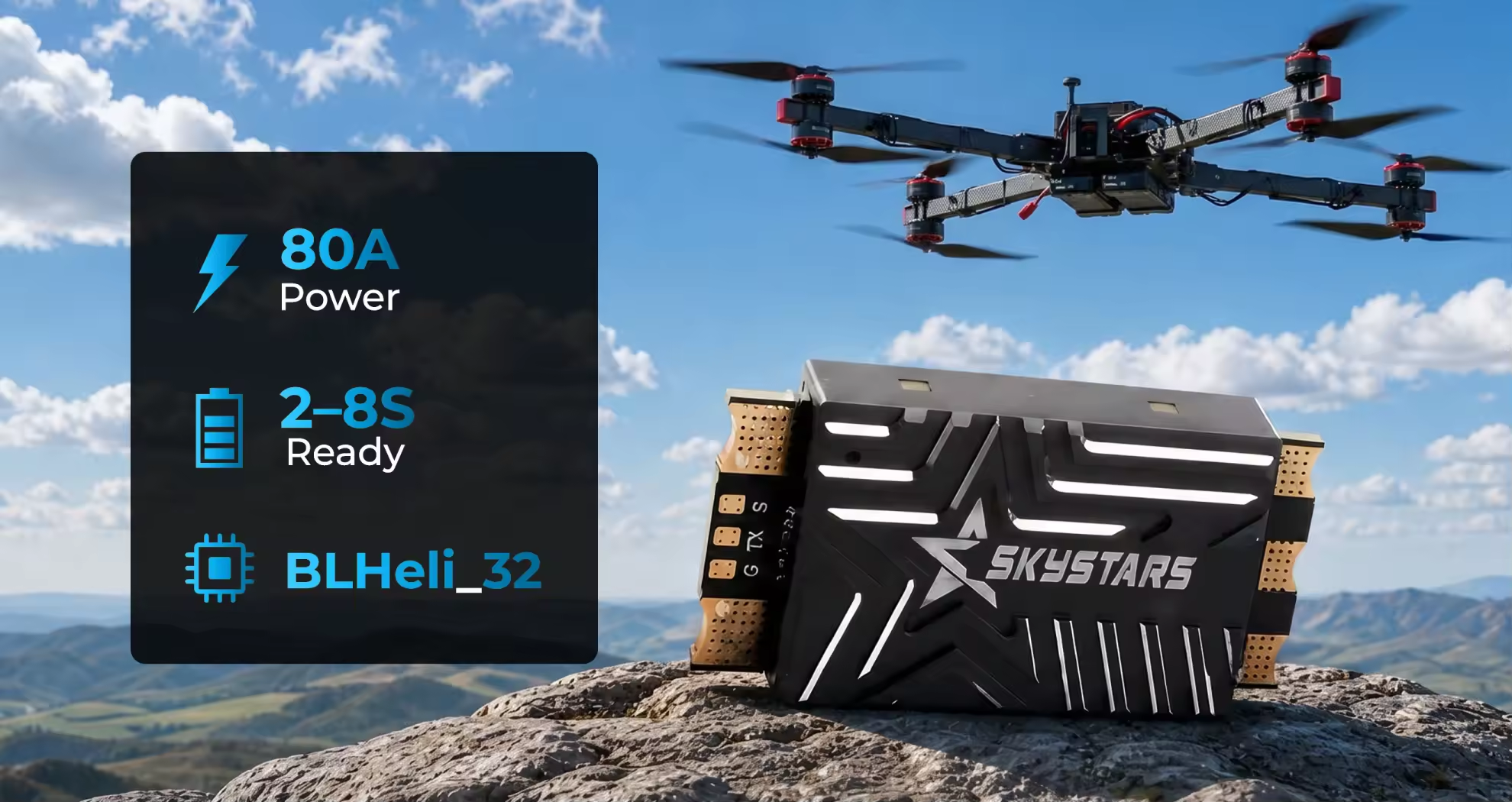
80A Power with BLHeli_32 Firmware – Smooth, responsive motor control for demanding high-load FPV drones.
Wide 2-8S LiPo Support – Works from 2S up to 8S battery input for versatile voltage builds.
Quality Power Train Components – 12 low-ESR MOSFETs and 300 µF low-ESR capacitors reduce ripple and boost stability.
Telemetry & Protocol Flexibility – Compatible with DShot150/300/600, OneShot, MultiShot, and offers live telemetry output.
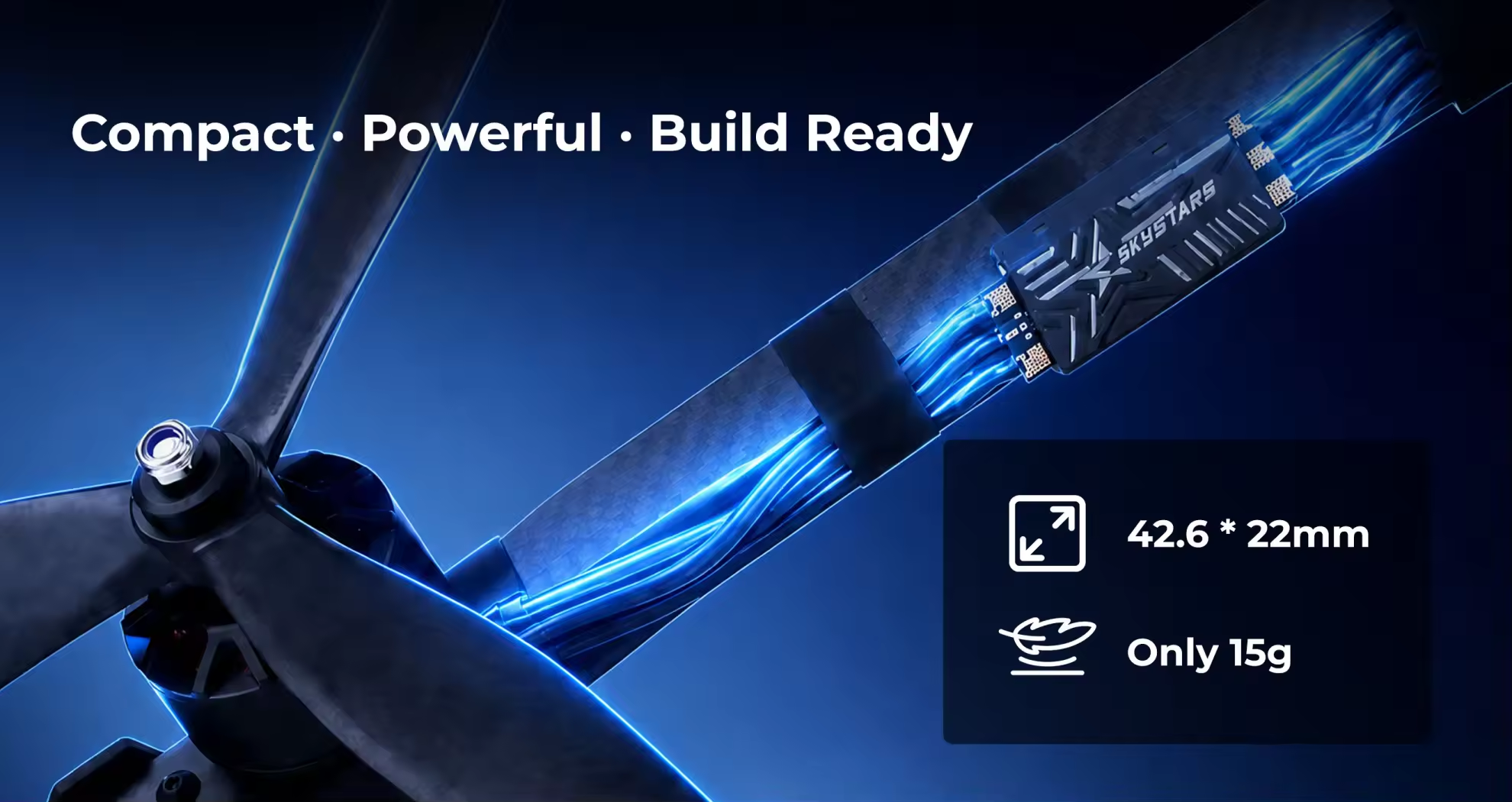
Compact & Lightweight – 42.6 × 22 mm board and ~15 g weight make it easy to integrate into tight frames.
Payment | Every order you place with us is safe & secure
Share
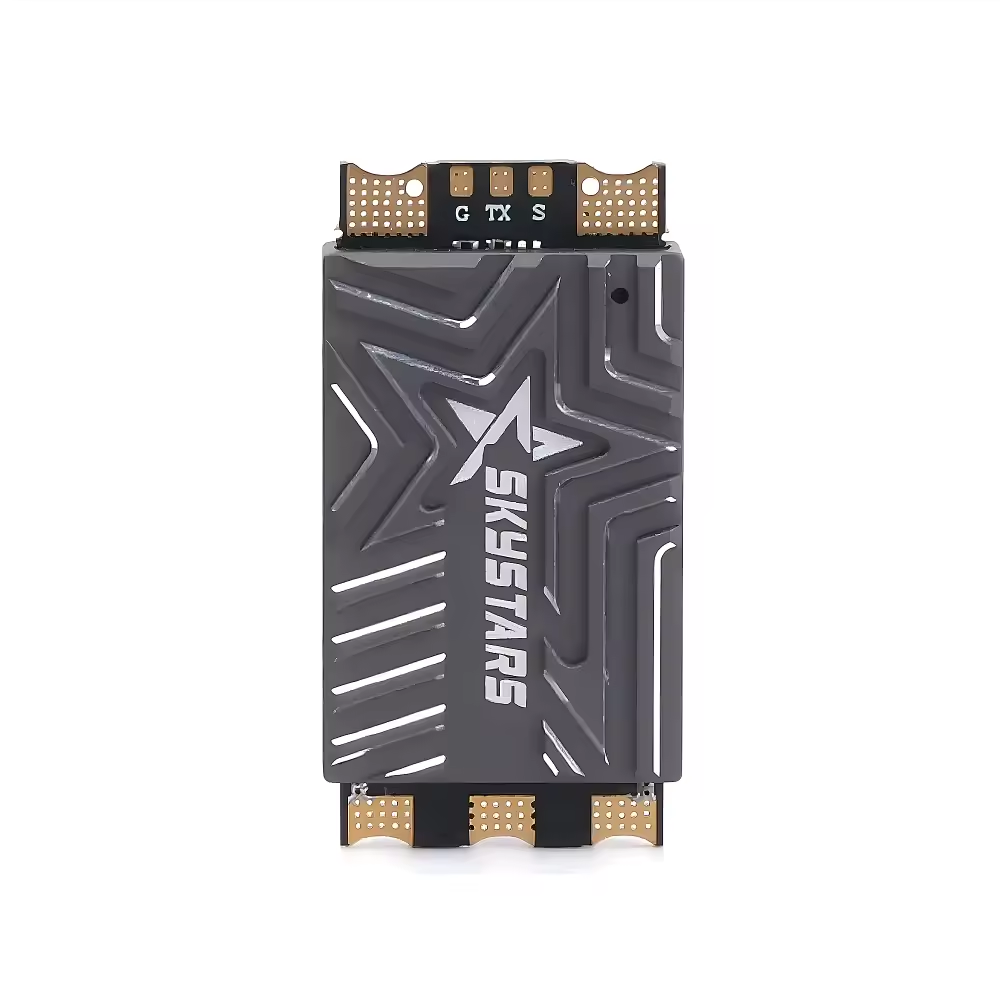
About Skystars Jupiter SL80A Single 80A ESC:
Skystars Jupiter SL80A Single 80A ESC G071 BLHELI32 2-8S LIPO NO BEC for FPV Freestyle X-Class Drones DIY Parts
JUPITER SL80 BLHeli Dshot600 Single ESC was designed to give your motors smooth power with great stability and durability. The 32bit G071 MCU and 12 PCS Low ESR MosFets bring faster-responding speed and smoother flying experience.
The ESC does not have a BEC.
Check out our single ESC, all FPV ESC Collection and the rest of our Skystars Products!
Heavy-Duty Single ESC for X-Class & Cinelifter Builds
The Skystars Jupiter SL80A is built for pilots running high-power X-Class and cinelifter setups. With true 80A output, BLHeli_32 firmware, and 2–8S LiPo support, it delivers the smooth power and reliability needed for demanding heavy-lift flying.
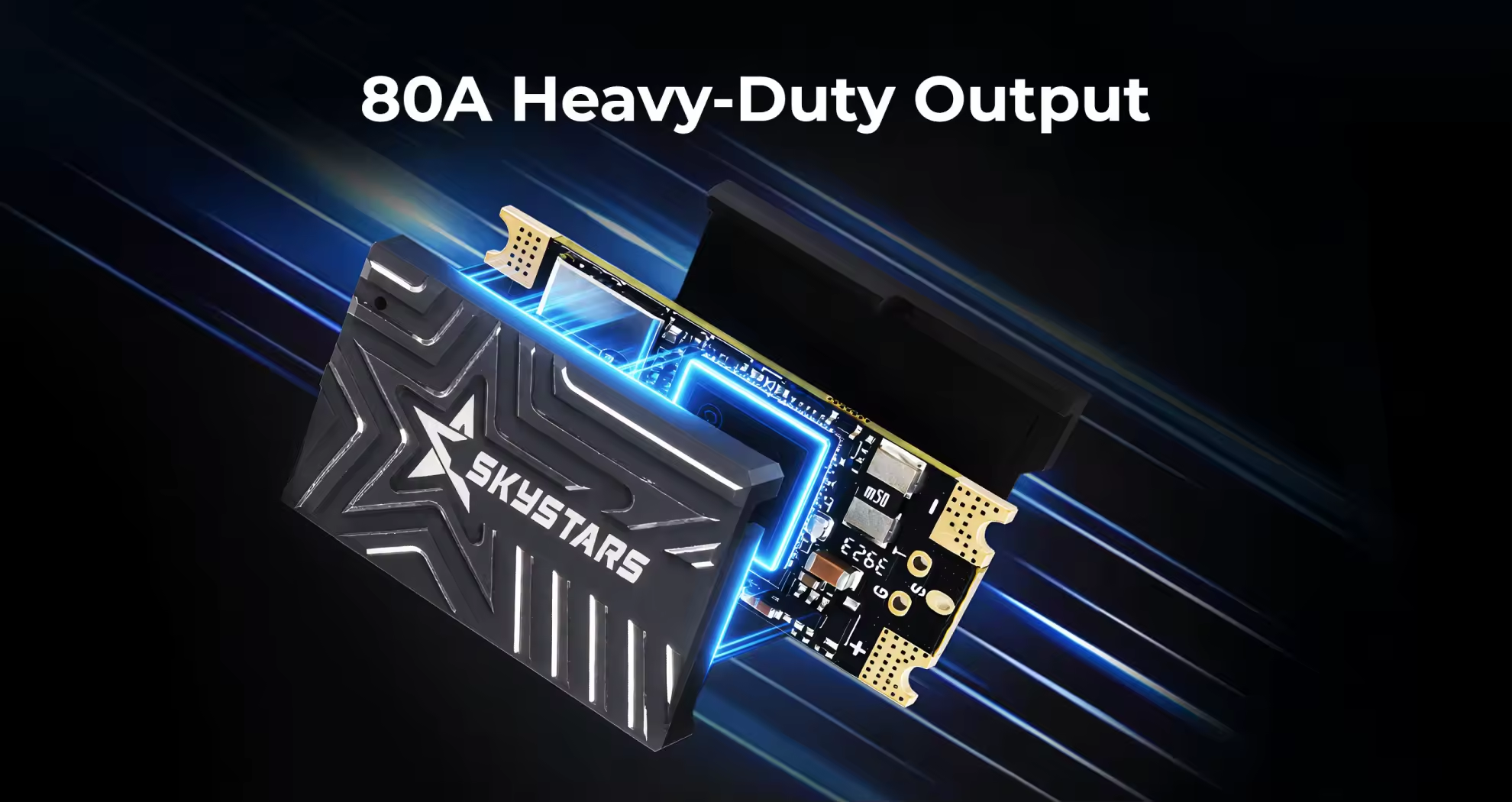
True 80A Output for Heavy Payload Power
Built with an 8-layer 4OZ copper PCB and high-grade MOSFETs, the SL80A handles sustained high current more confidently than standard ESCs. User value: stronger punch-outs, more reliable power delivery, and stable performance under heavy load.
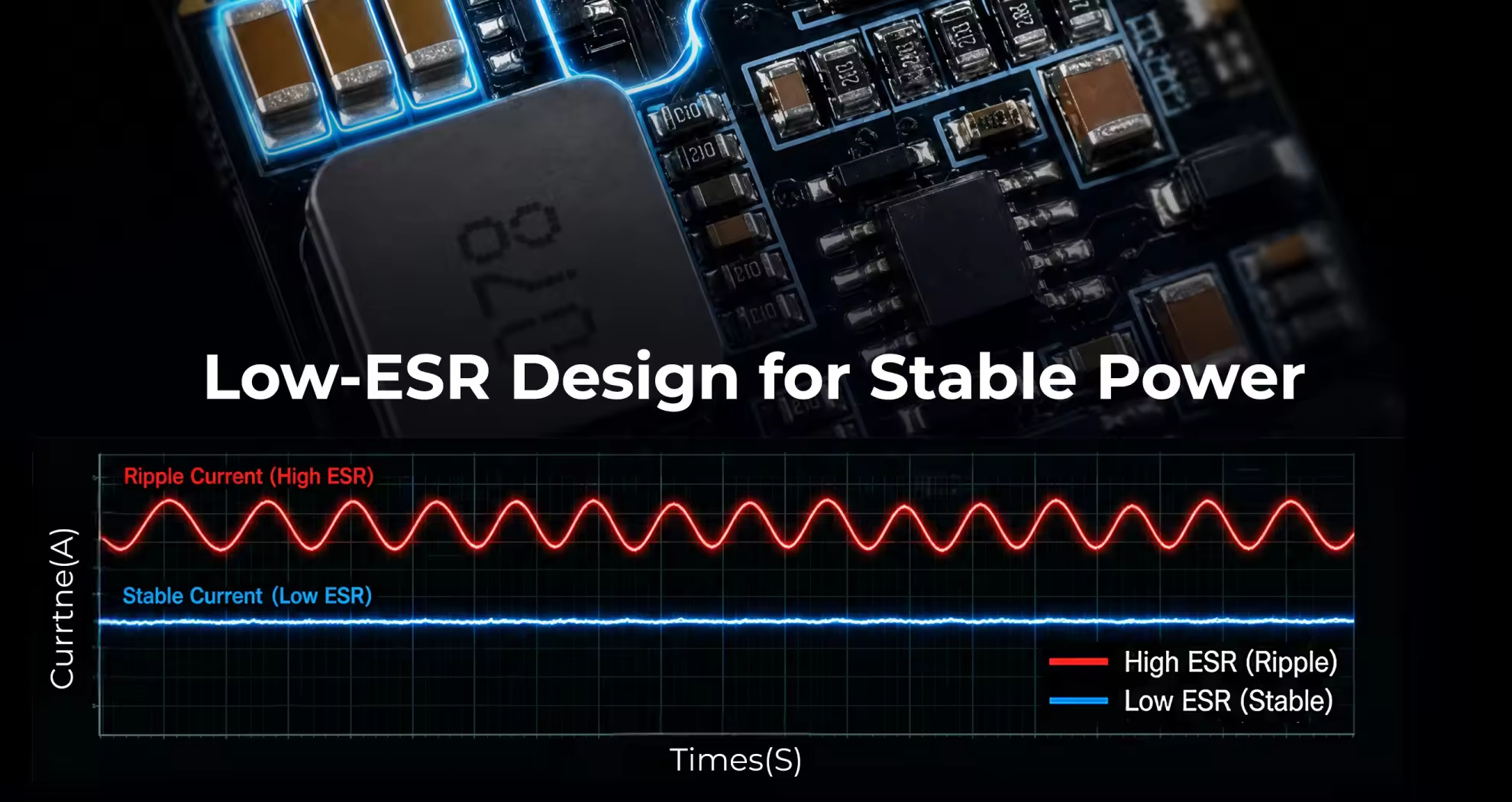
Low Ripple Power for Smoother Flight
The Jupiter SL80A uses 12 low-ESR MOSFETs, 14 TDK MLCC low-ESR capacitors, and a total of 300uF low-ESR capacitance to reduce ripple and improve power stability. User value: cleaner motor behavior, less desync risk, and more predictable control.
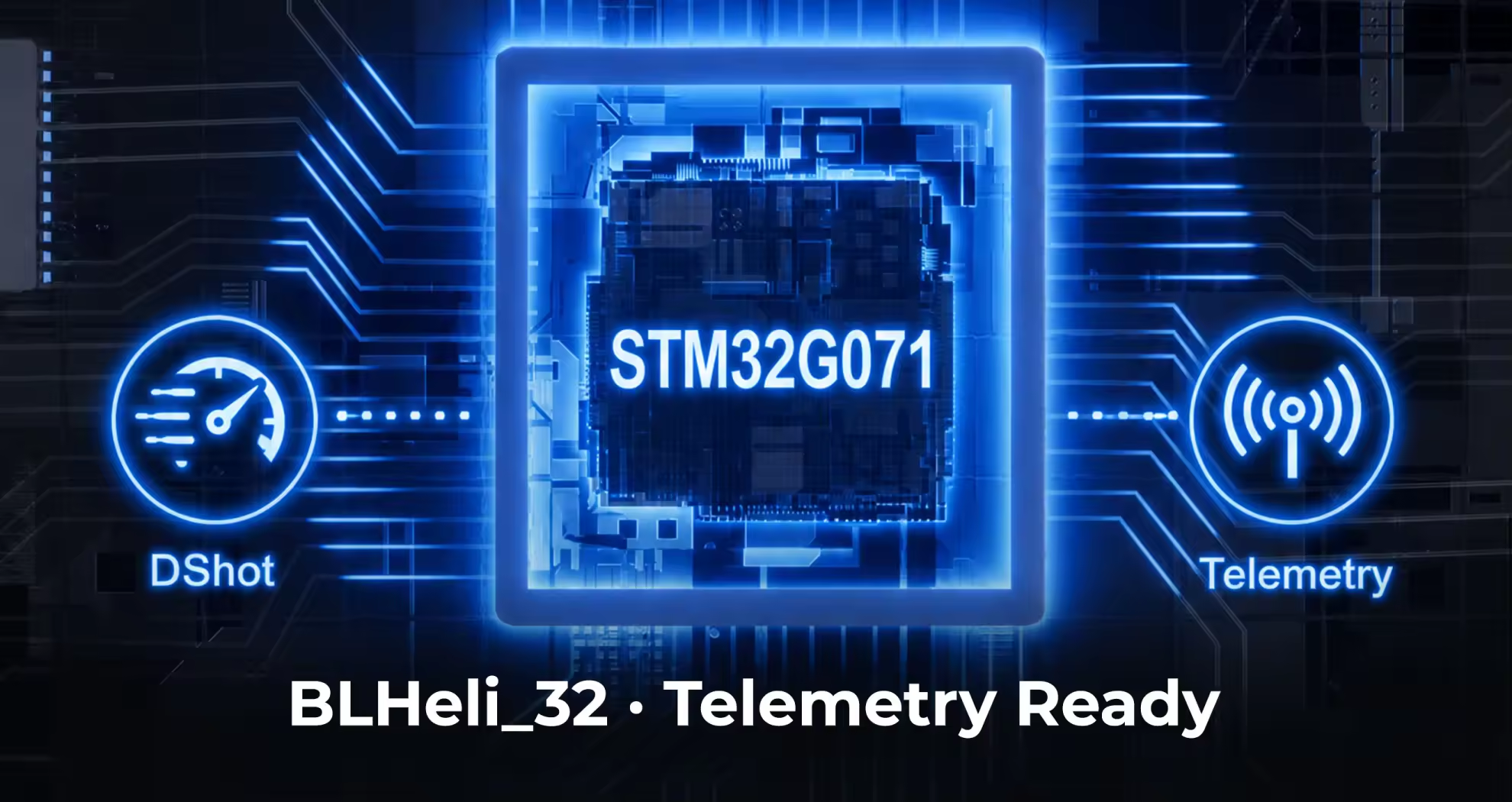
BLHeli_32 Precision with Full Protocol Support
Powered by a 32-bit STM32G071 MCU running BLHeli_32 firmware, the SL80A supports DShot150/300/600, OneShot, MultiShot, telemetry, and advanced tuning functions.
User value: faster response, finer tuning control, and real-time ESC feedback.
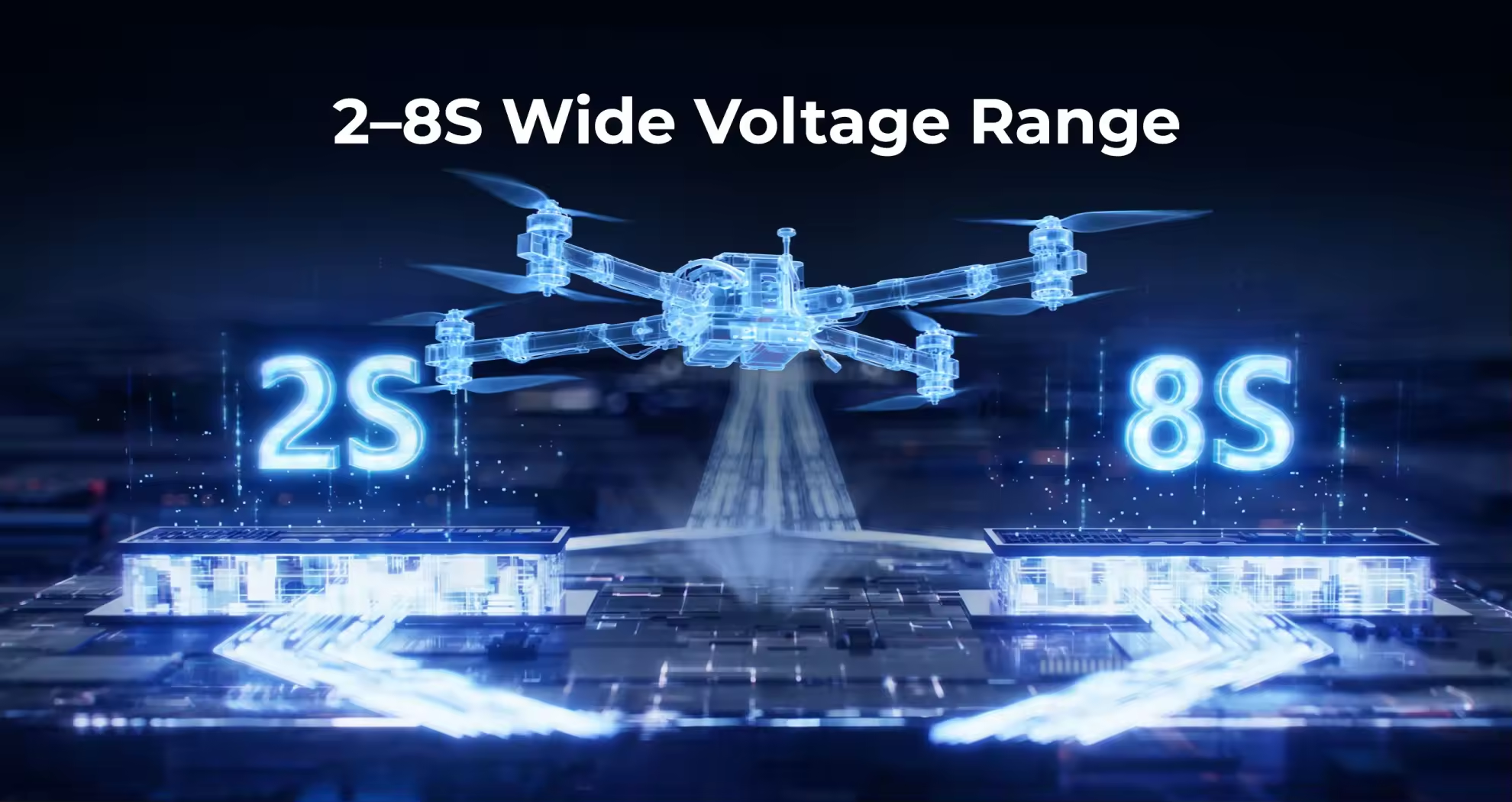
One ESC for Multiple Voltage Builds
Unlike ESCs limited to narrow voltage ranges, the Jupiter SL80A supports 2–8S LiPo input, making it adaptable across multiple FPV platforms.
User value: easier upgrading and greater build flexibility.
Compact Layout, Serious Power
Despite its heavy-duty capability, the SL80A keeps a compact 42.6×22mm footprint and weighs only about 15g, helping simplify integration into tighter frames.
User value: easier mounting without sacrificing power.
This ESC stays ice cold even on heavy cinelifter lifts. No cutouts, super solid.
Options:Jupiter SL80A Blheli32 80A 2_8S ESC
j**e
Verified
Shipped super fast!
Options:Jupiter SL80A Blheli32 80A 2_8S ESC
n**o
Verified
Ho trovato questo ESC a un prezzo molto conveniente, soprattutto con il coupon applicato – ottimo rapporto qualità-prezzo!
Options:Jupiter SL80A Blheli32 80A 2_8S ESC
a*****o
Verified
ESC potente e stabile, ideale per i miei droni da sollevamento pesante.
Options:Jupiter SL80A Blheli32 80A 2_8S ESC
k**a
Verified
Paketti tuli hyvin suojattuina, ei vaurioita mitään.
Options:Jupiter SL80A Blheli32 80A 2_8S ESC
FAQFeel free to ask us any questions
What battery voltage range is supported?
This ESC supports 2S–8S LiPo input, giving flexibility for voltage-scaled builds.
Is the firmware updateable?
It uses BLHeli_32 firmware, which may be configurable via BLHeliSuite and supports advanced tuning options.
Does this ESC include a BEC?
No, this individual ESC does not include a BEC, so power for peripherals should be planned separately.
Q: Is the Skystars Jupiter SL80A mainly for heavy-duty FPV builds rather than standard 5-inch drones?
A: Yes. This ESC is much more relevant for high-power applications like X-Class, cinelifter, and other demanding builds where high current handling matters more than minimizing weight.
Q: Is this ESC a good choice for cinelifter projects?
A: Yes. Its 80A rating, 2-8S support, and single-ESC format make it a strong option for cinelifter builds that need robust and distributed power handling.



 T-HOBBY F7 PRO Flight Controller WiFi+Bluetooth For FPV DronesF7 Pro Full Function 30x30$46.13 Save $2.43
 T-HOBBY Velox Victory V3008 Cinematic Fpv Drone Motor1155KV$29.67 Save $2.23
 T-HOBBY Cinematic Power Combo V2812/V3120 | 8"-10" FPV Drone KitV2812 KV925+C55A 8S+Velox F7 SE+8.5" Prop$423.07 Save $8.63










 Verified